The Situation
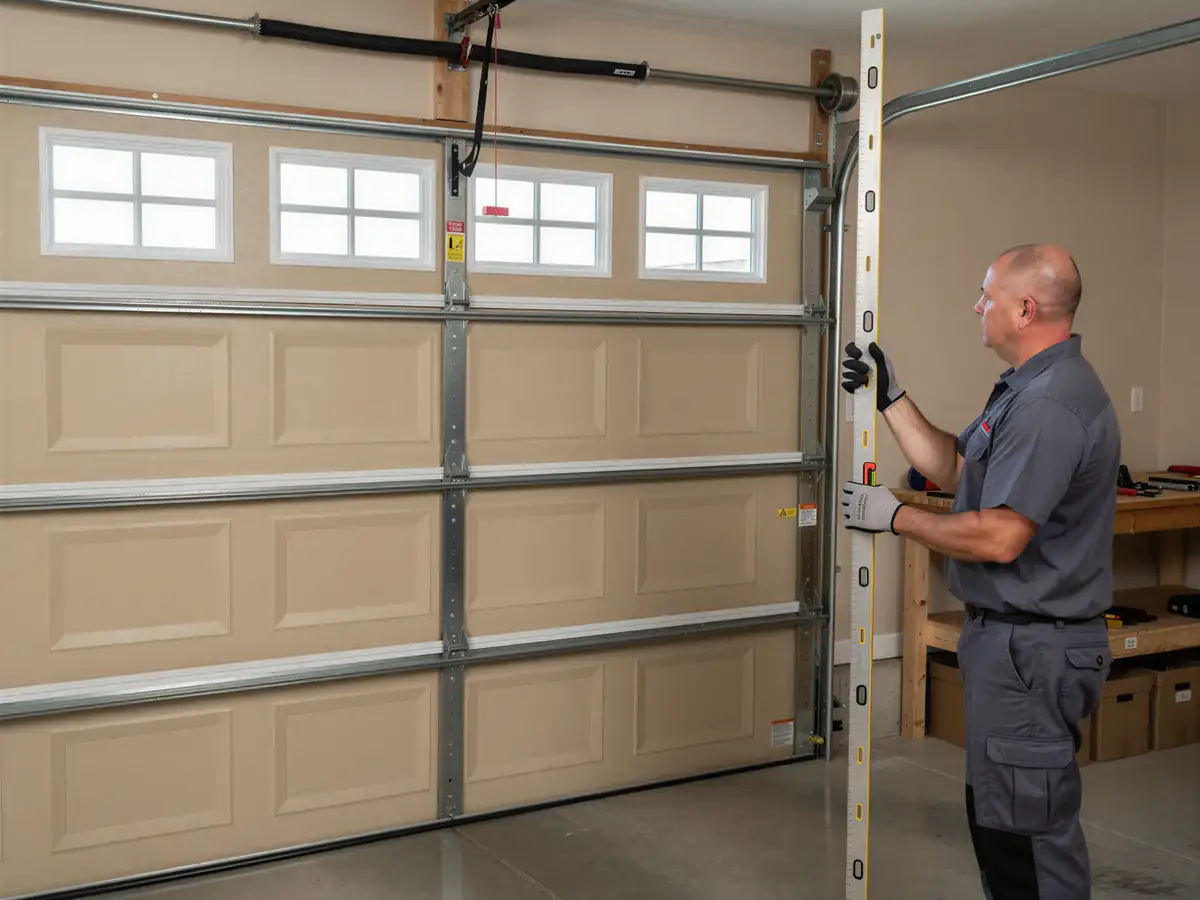
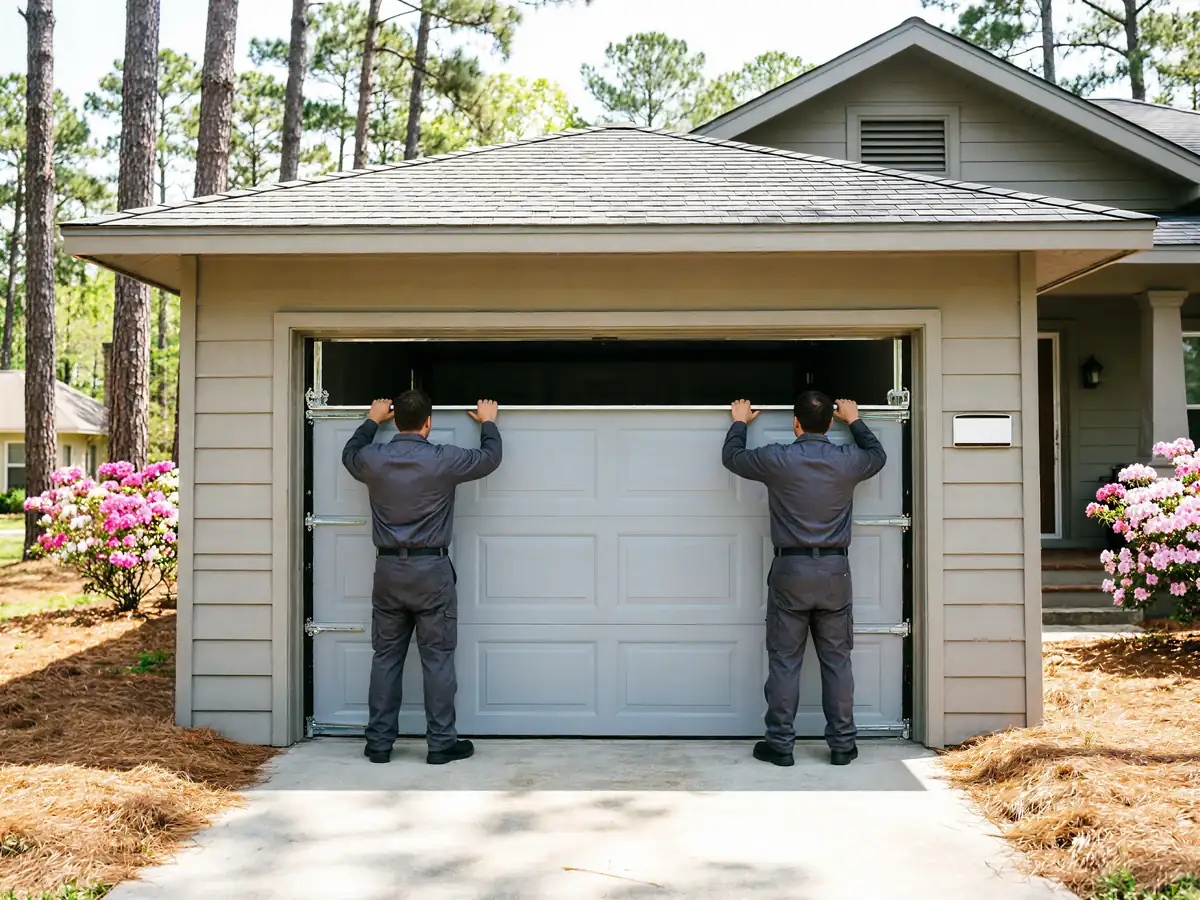
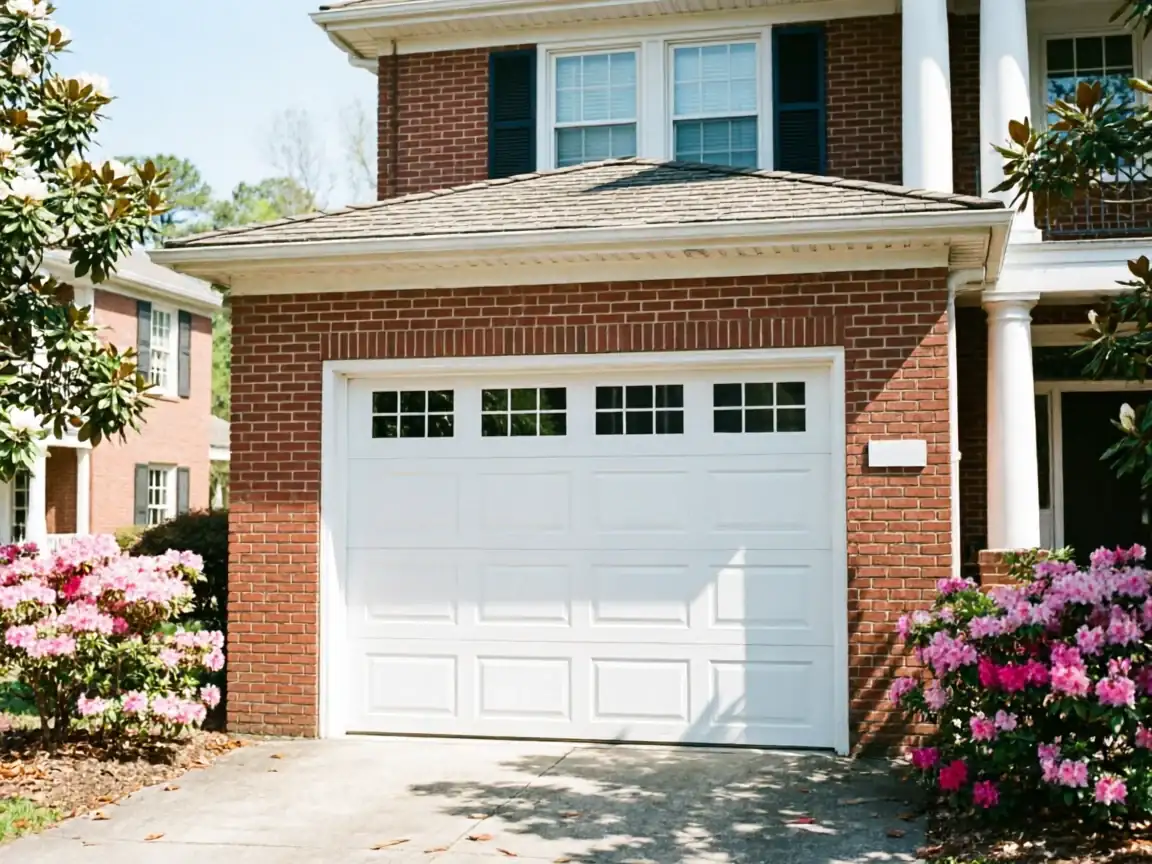
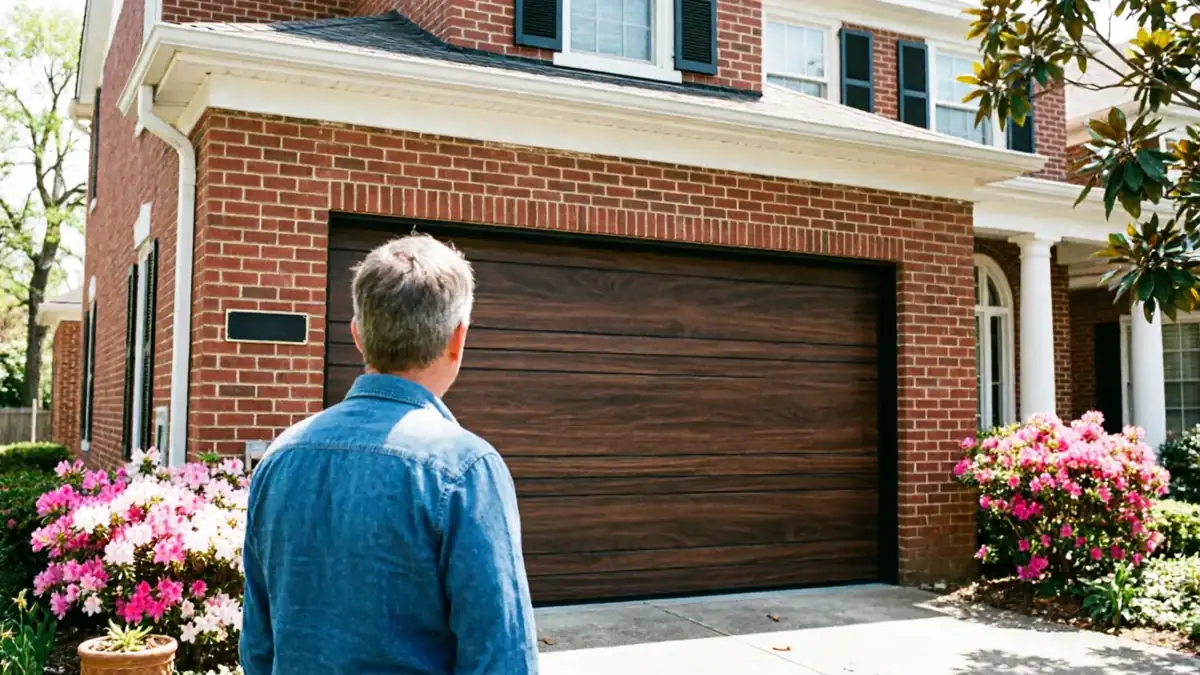
Houses in this service area went up anywhere from 1938 to 2007, with most of the stock dating to the 1960s and 70s. That spread matters more than people think when they're buying a replacement door here. A door sized and hung for a house built in 1965 often won't bolt straight onto a frame that's shifted or been re-sided over fifty-plus years, and a lot of these openings were never squared to today's standard sizes in the first place. Across the roughly 95,226 households and 38,447 owner-occupied houses in this area, we see a wide mix of track styles, header heights, and opening widths - sometimes on the same street. With a median household income of $62,299 locally, most people buying a replacement door here are weighing a mid-range steel door against a higher-end insulated model, not shopping either extreme. The honest starting point is measuring your actual opening before you fall in love with a style online, because the catalog photo assumes a standard frame and your house may not have one.
What Most People Get Wrong
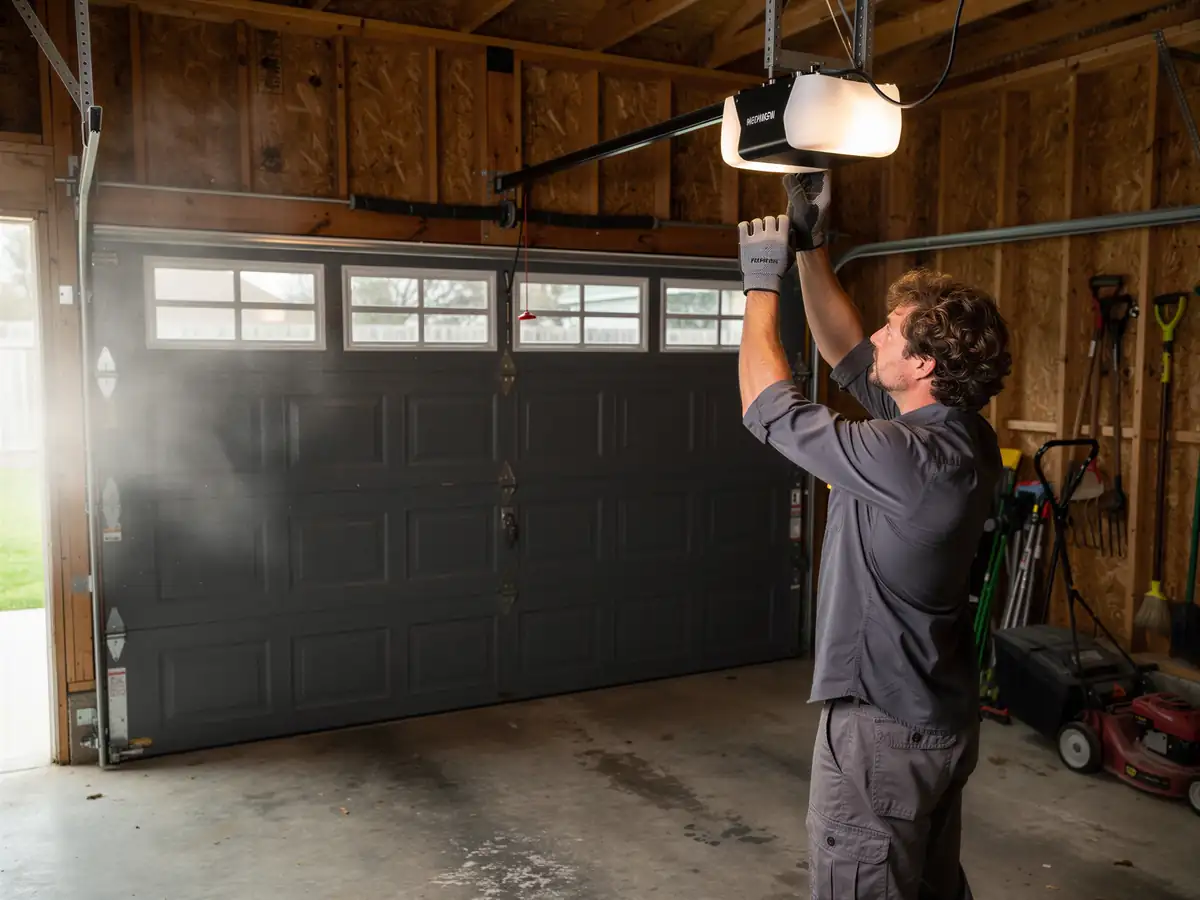
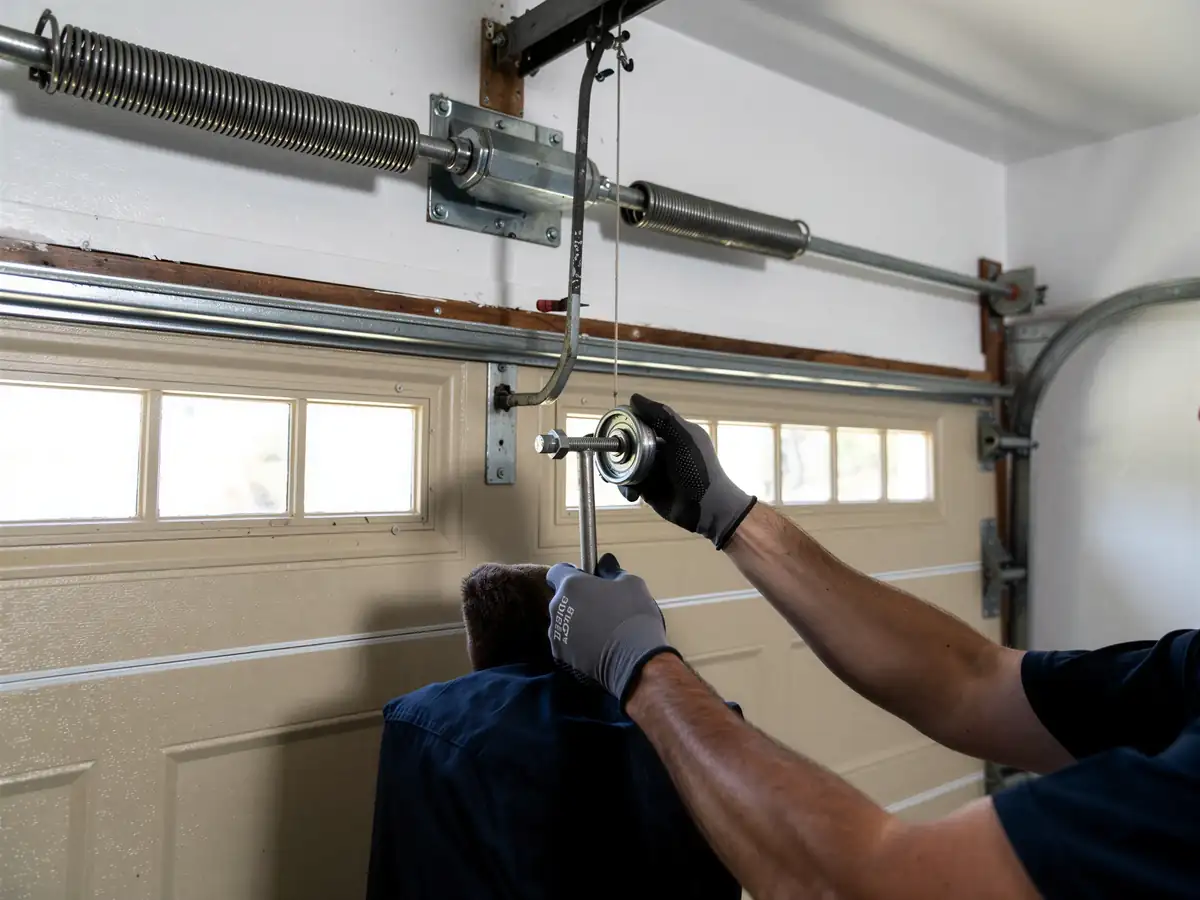
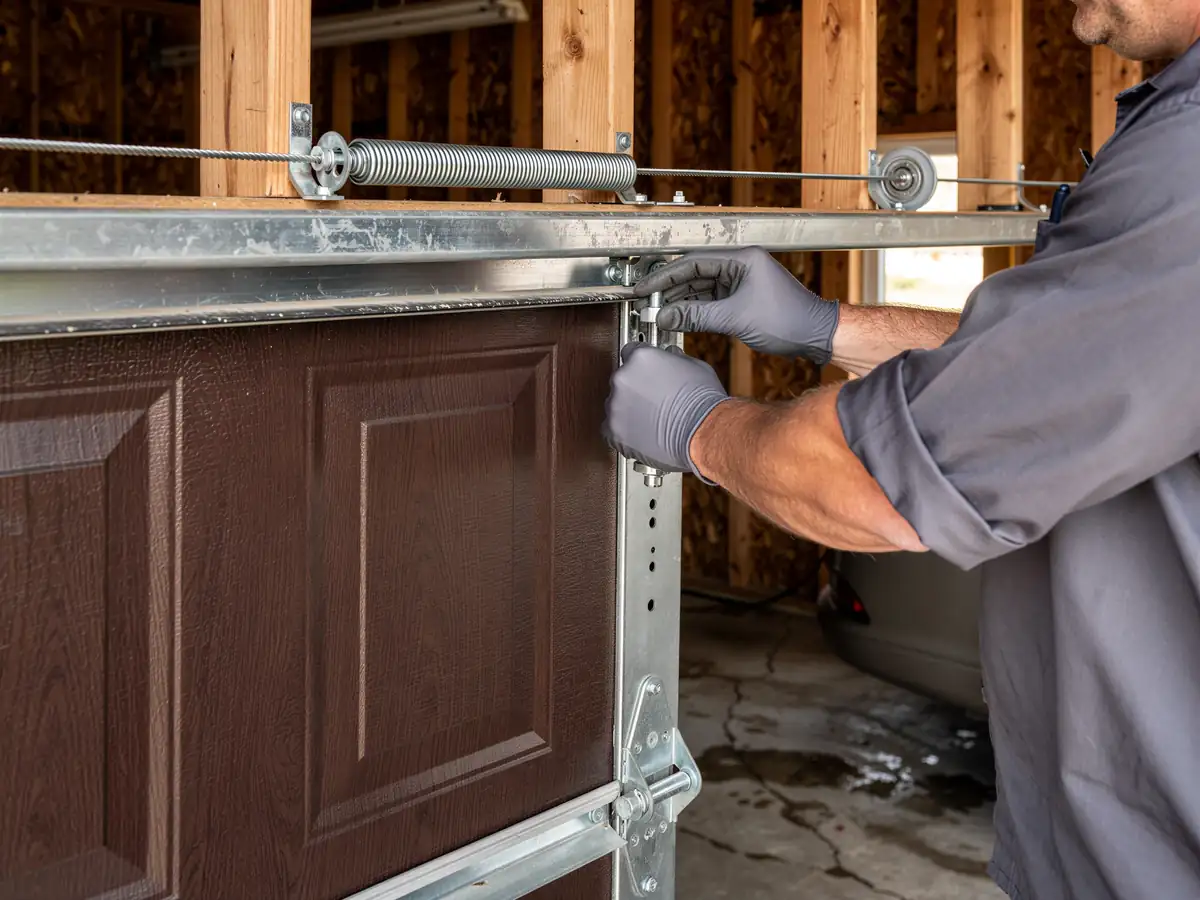
The most common mistake is matching the new door to the old one by eye instead of by what the house needs now. A door bought in the 1970s for this area was built to a different insulation standard, and if your home falls in that 1960s-70s band that makes up most of the local stock, the original opening may be undersized for a door with real R-value backing. People also assume any door company can install anything, but hardware compatibility - torsion vs. extension springs, the track radius, the header clearance - varies enough across a housing stock this old that a measurement mismatch is the single biggest cause of a return trip. We'll say it plainly: we don't recommend guessing on size from the manufacturer's label on your old door. Labels fade, doors get swapped mid-life, and a lot of houses here have had at least one prior replacement that wasn't logged anywhere. If you're buying a replacement door here, get the opening measured in person before you order anything - it's the one step that saves the second visit.
What the Weather Here Does to It
This area sits in a cold-moderate climate band - not brutal winters, but enough cold swings and humidity shifts to matter for a door that's going to sit in an unheated garage for another thirty years. On older homes in the 1960s-70s stock, uninsulated steel doors move with temperature changes more than people expect, and that movement works on hardware - hinges, rollers, the seal at the bottom - faster than it does in a milder climate. If you're buying a replacement door here, an insulated door isn't just a comfort upgrade; it cuts down on the condensation and panel warping that an uninsulated door picks up over repeated cold-to-warm cycles in this band. We don't carry every insulation tier in stock at all times, so if you want a specific R-value door, ask about lead time before you commit to an install date.