When We Can Get There
We run out of Stockbridge, about 15 miles from Belvedere Park, and we work this side of the county on a regular basis. We don't have a depot or a crew stationed in Belvedere Park itself, so every job starts with a drive, not a walk down the street. That drive is worth mentioning because it means we schedule the trip, we don't just swing by. If you call and we're already routed through this part of the service area, we can often slot you in the same run. If not, we'll give you a straight answer on when the truck can be there instead of promising something we can't back up.
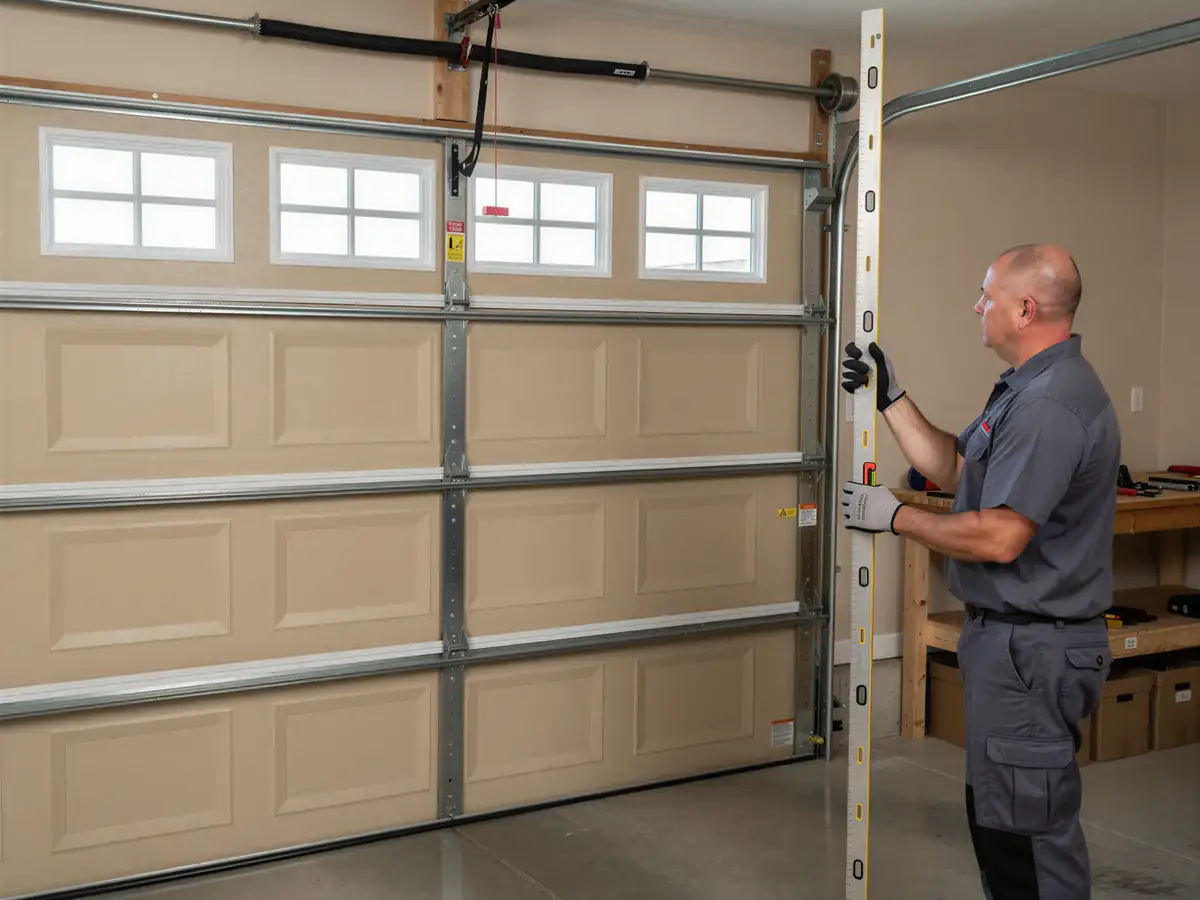
The reason this matters more here than it might elsewhere is the age of the housing stock. A 1961-built door setup isn't the same job as a 2005 one, and knowing that before the truck leaves Stockbridge means we load the right springs and the right size cable instead of guessing on-site and coming back a second time.
The Houses Here
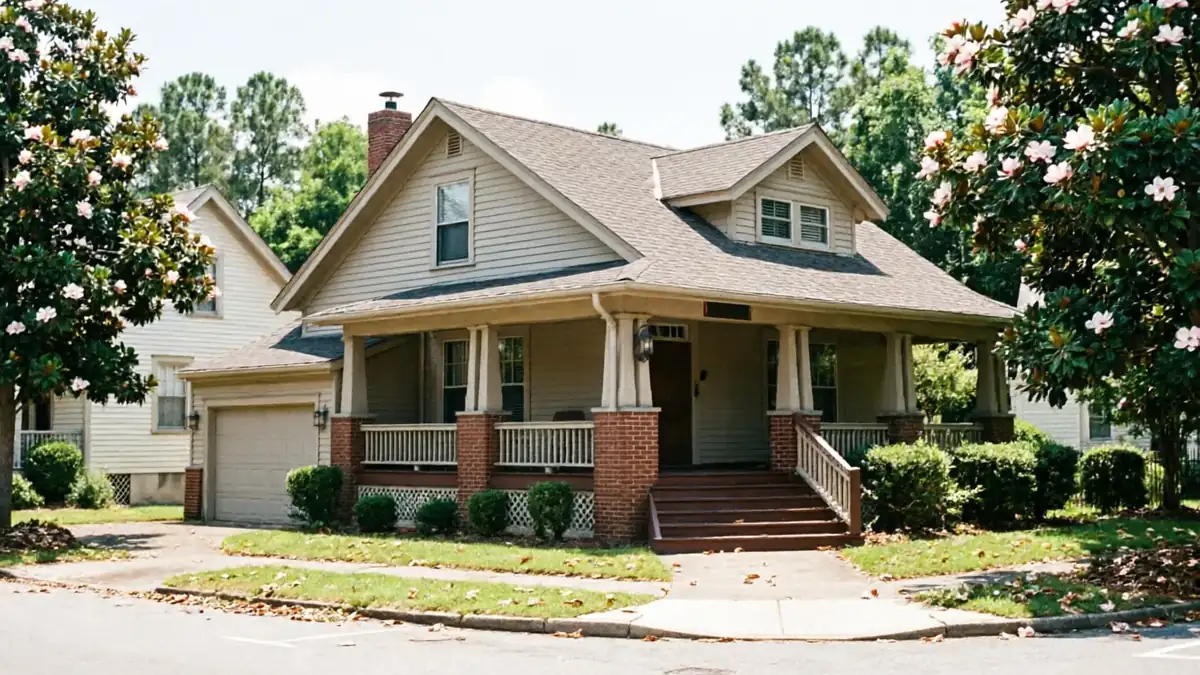
Belvedere Park's homes center on 1961, which puts most garages here squarely in the older half of what this whole service area covers - a region where houses span 1938 to 2007 with a median around 1974. That gap matters. A door built in the early 1960s was almost always hung on an extension-spring system or a lighter-gauge torsion setup than what's standard now, and the track hardware from that era wasn't designed around today's heavier insulated panels. With roughly 5,515 households in this part of the area, we see a lot of these original or near-original setups still in service, patched over the decades rather than replaced outright.
That's not a knock on the houses - it just means the common failure points are different from a newer subdivision. Springs sized for a lighter wood door strain under a retrofit steel one. Rollers that were fine on a shorter daily cycle wear out faster now that openers run the door more often. We don't assume a 1961 door and a 1995 door have the same problem just because both say 'garage door won't open.'
Getting Here
Belvedere Park sits about 15 miles from our Stockbridge base
One of the longer runs in our coverage area alongside places like Stone Mountain, North Decatur, Clarkston, and Porterdale. It's not a quick five-minute hop, so we plan the route as part of the job, not an afterthought tacked onto a shorter call closer to home.
- 15 miles
What that means for you
We're straightforward about timing instead of promising a same-hour arrival we can't guarantee at this distance. It also means when we do make the trip, we try to carry parts that fit what we expect to find on an older door - extension springs, older-style track brackets, the things that don't sit on the shelf of a big box store. If a part turns out to be something we don't stock, that's the one honest limit here: a specialty piece can mean a second trip, and we'd rather tell you that up front than pretend otherwise.
How That Shows Up in the Door
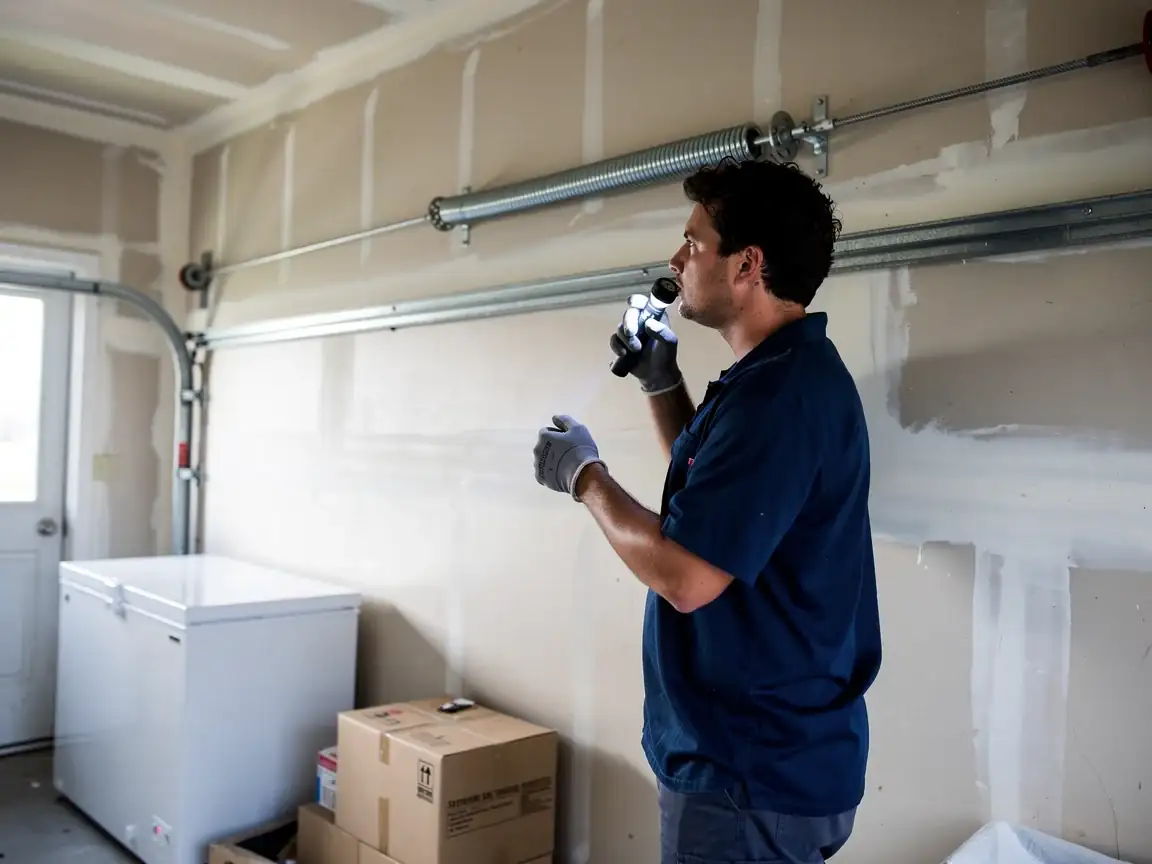
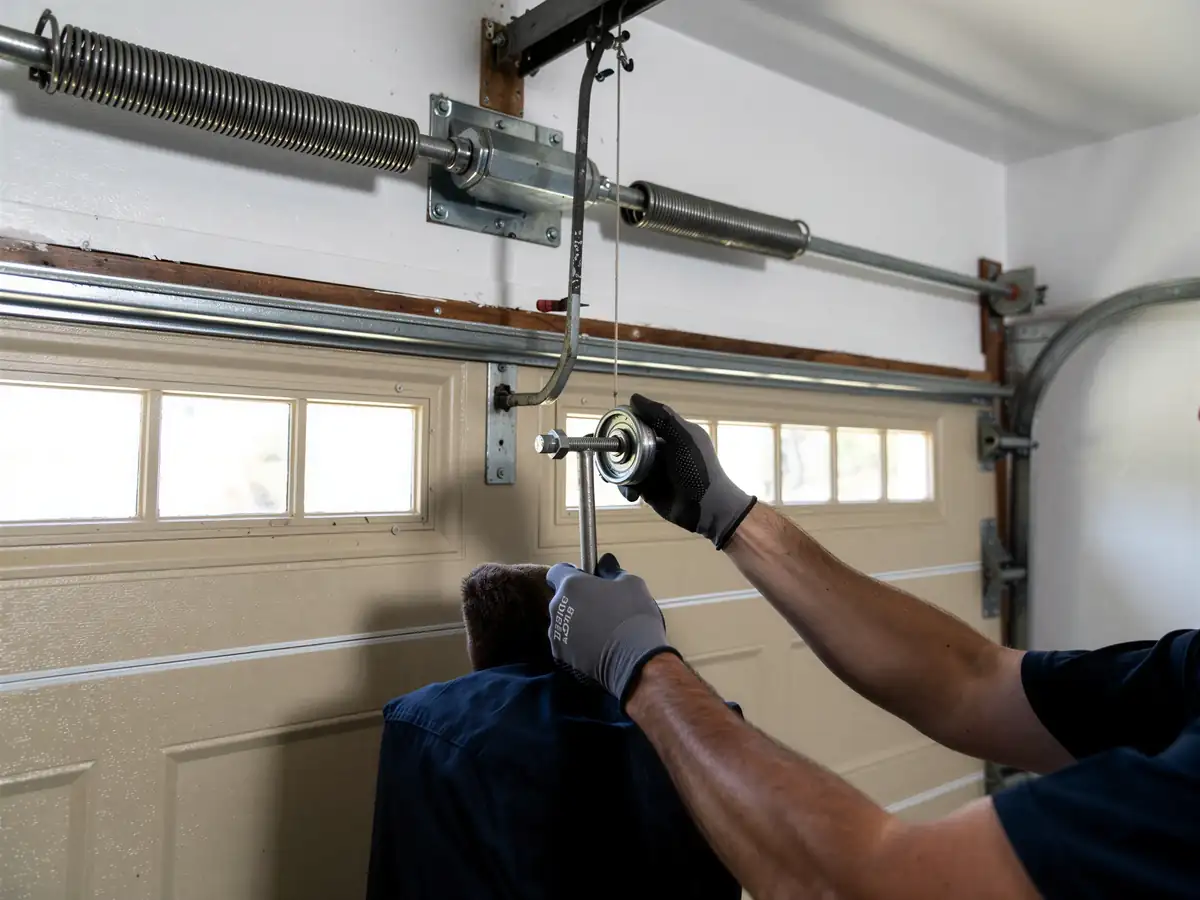
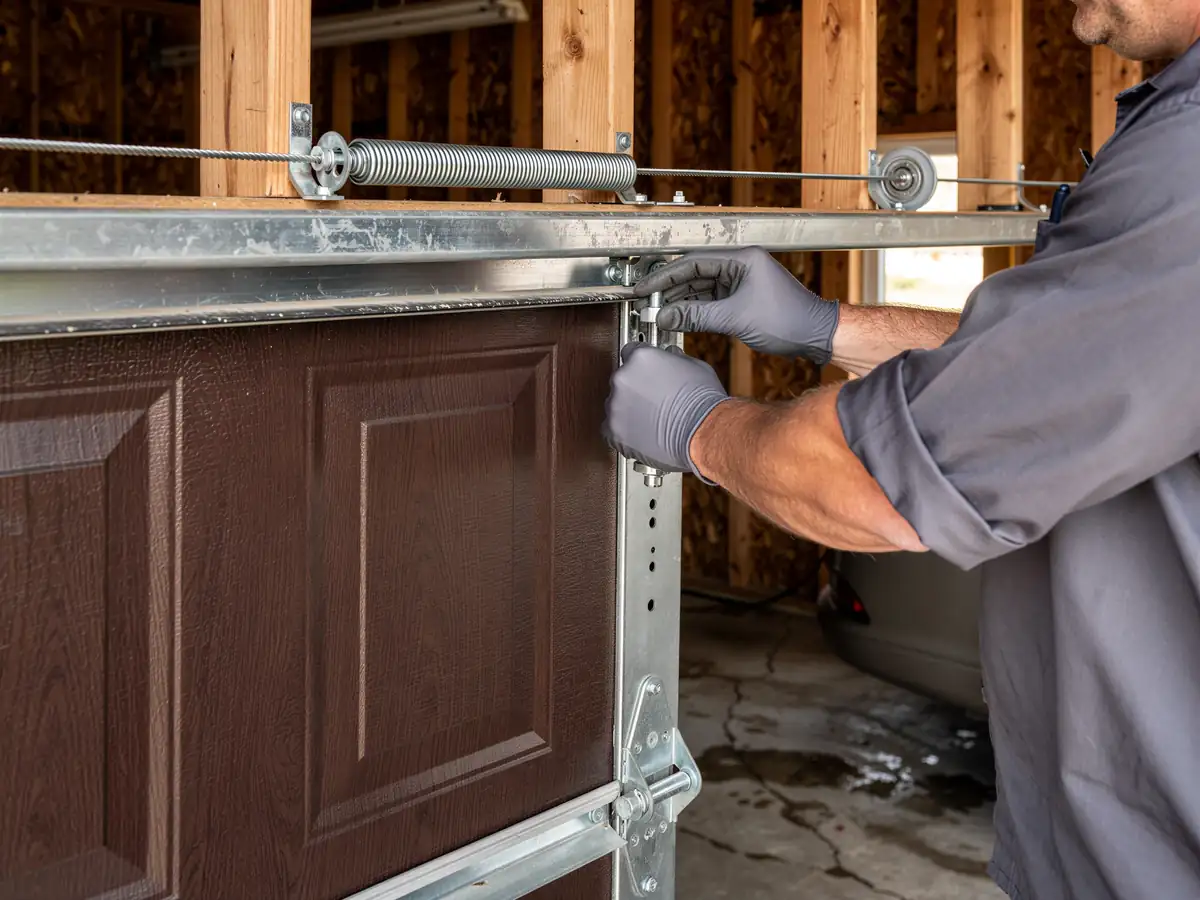
On a house built around 1961, the door problems we get called about tend to cluster around a few things: frayed or snapped extension springs, pulley systems that have never been swapped since the original install, and tracks that have been bent and re-bent so many times they no longer hold a true line. Add in this area's cold-moderate winters, and steel hardware that's been flexing for sixty-plus years gets brittle faster than it would somewhere milder.
Compare that to a door going up today - torsion springs rated for heavier insulated panels, galvanized track built to a different tolerance - and you can see why a 1961 door isn't a smaller version of a modern problem, it's a different problem. With area household income here around $68,900, we find most owners want the repair that actually fixes the root cause rather than the cheapest patch, which on these older setups often means replacing the spring system properly rather than just re-hanging a stretched one.