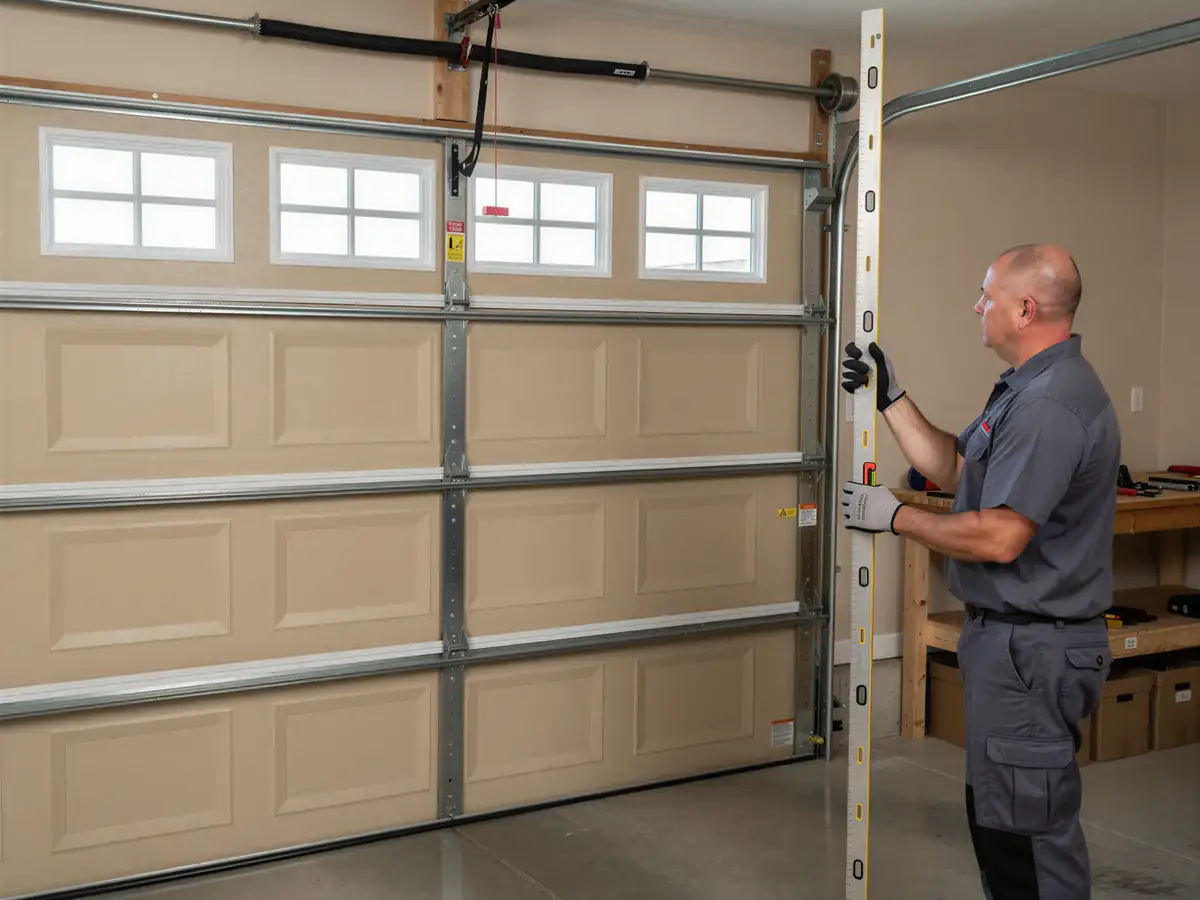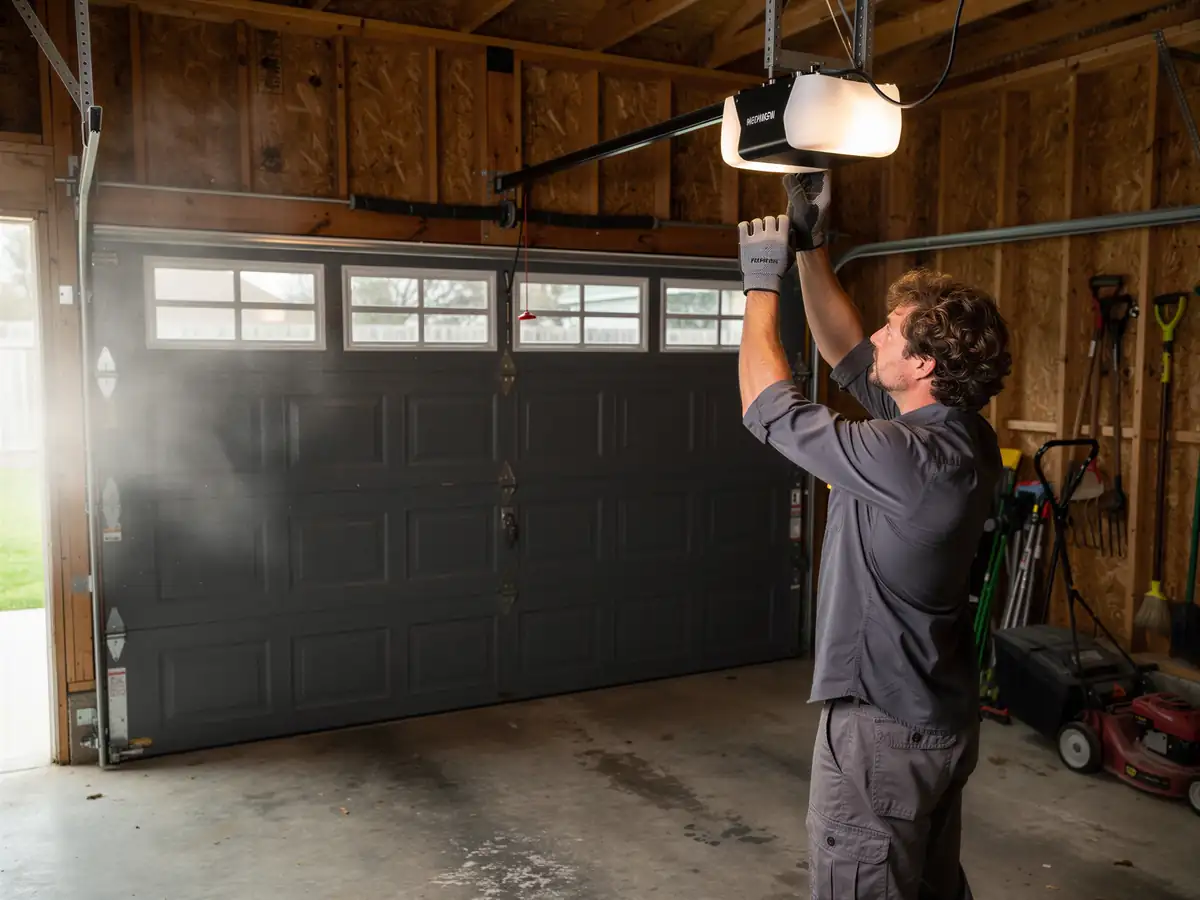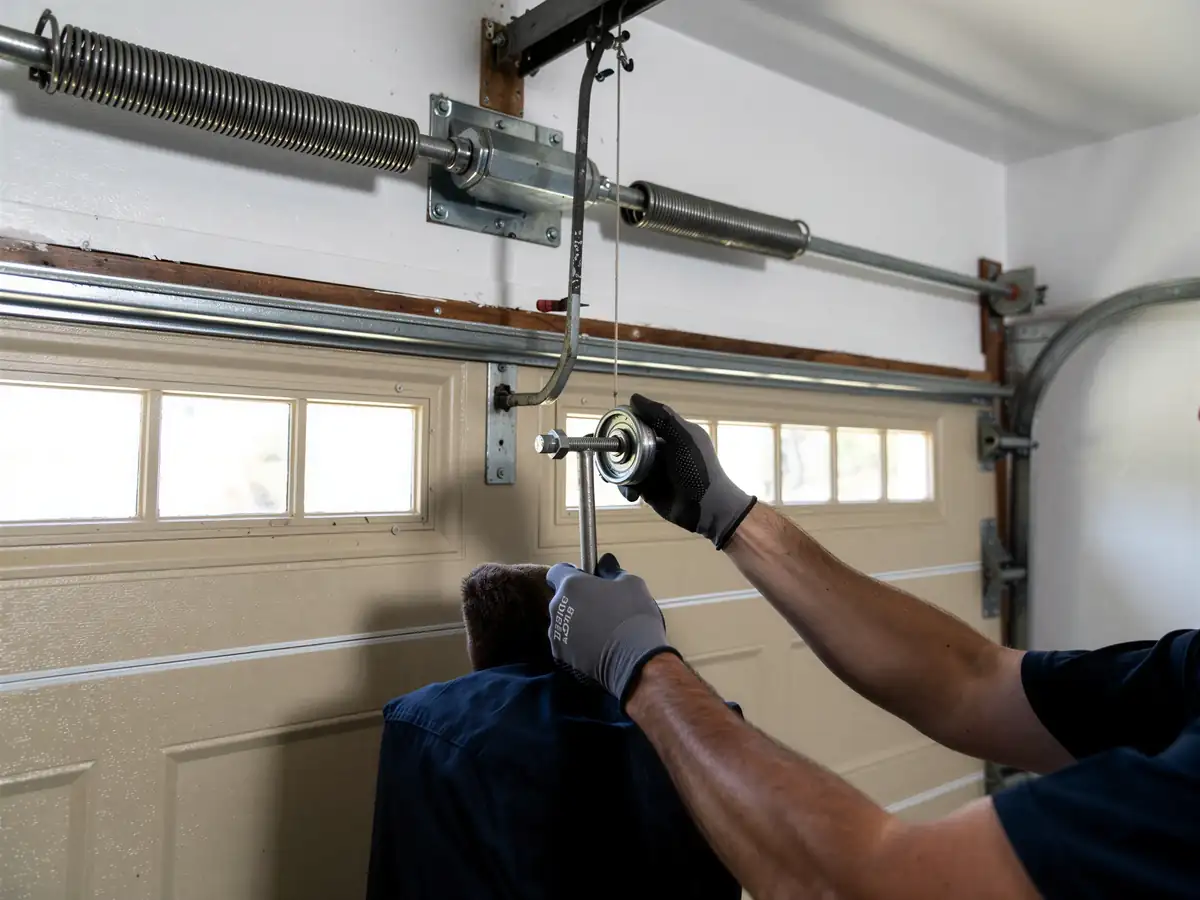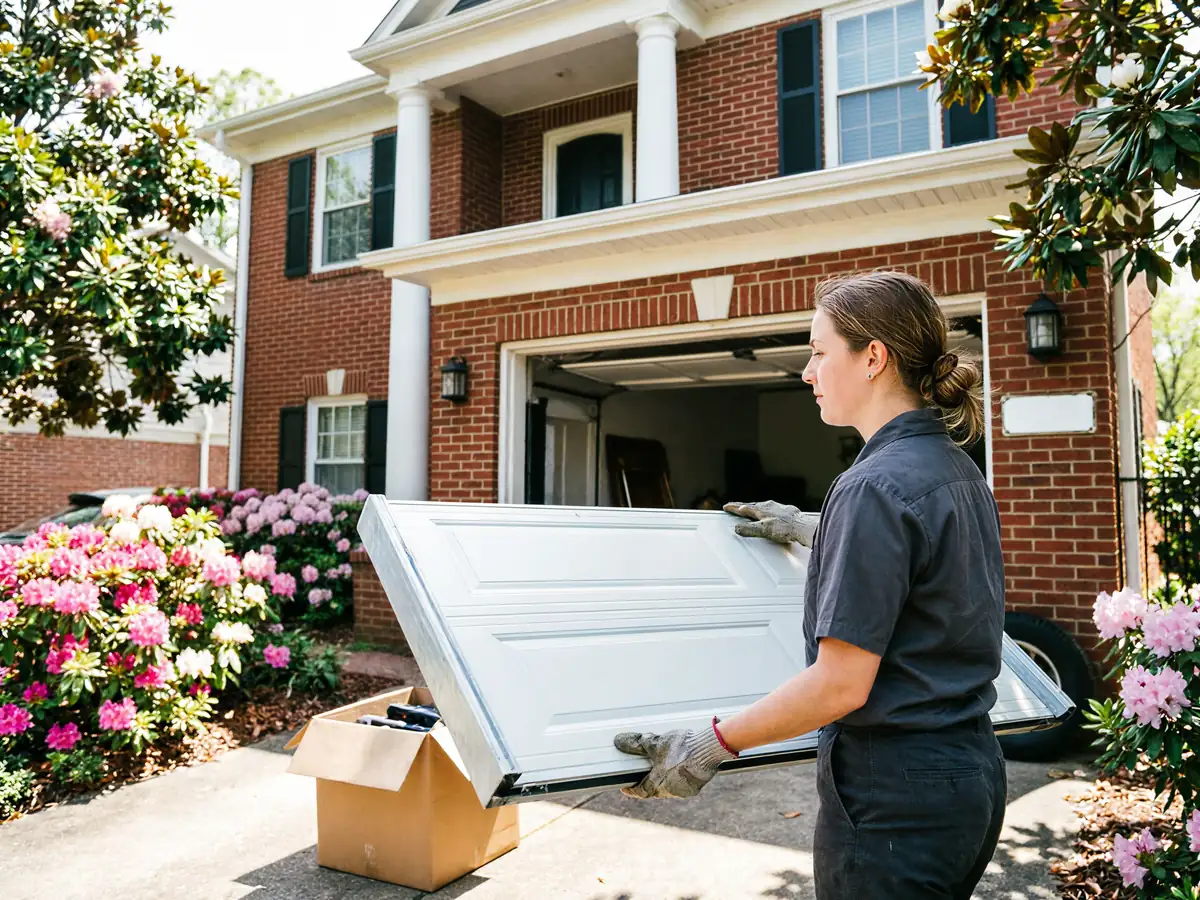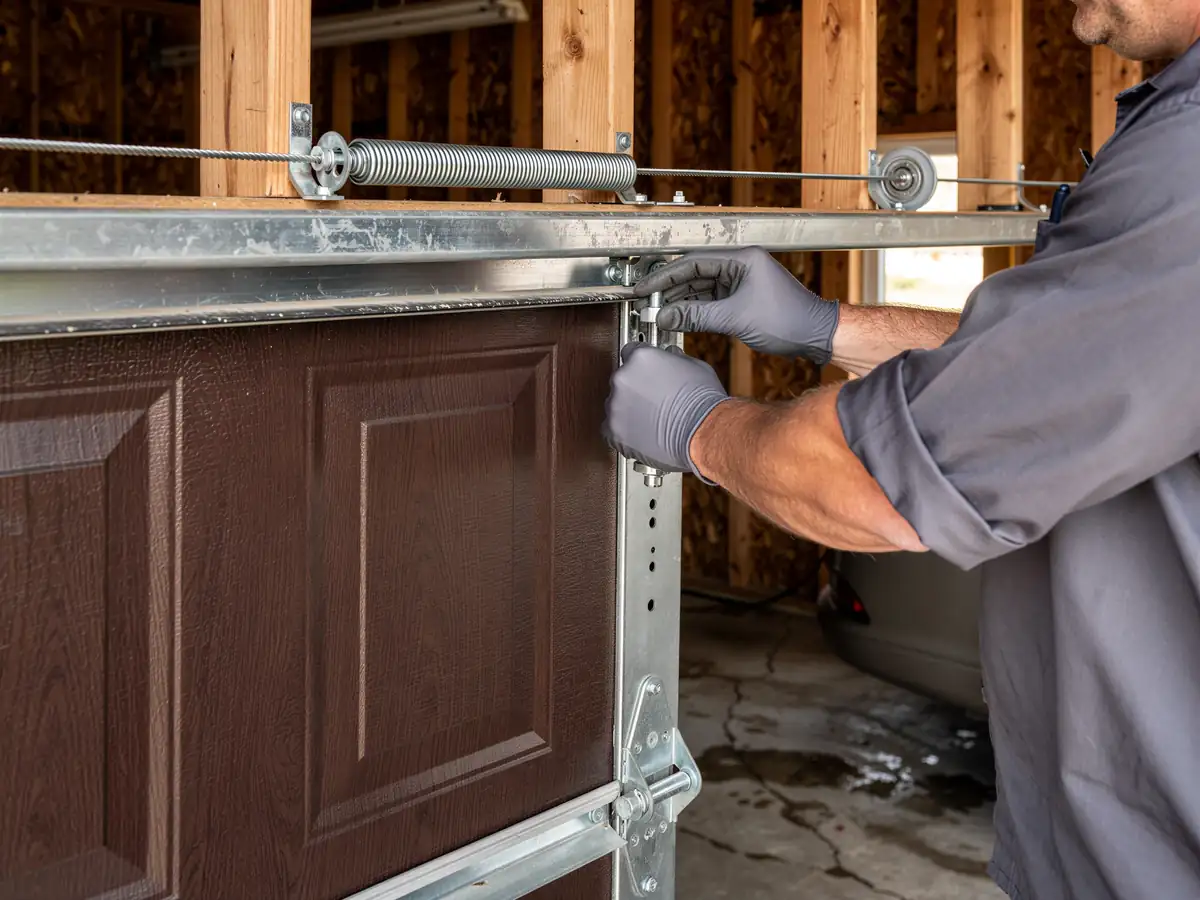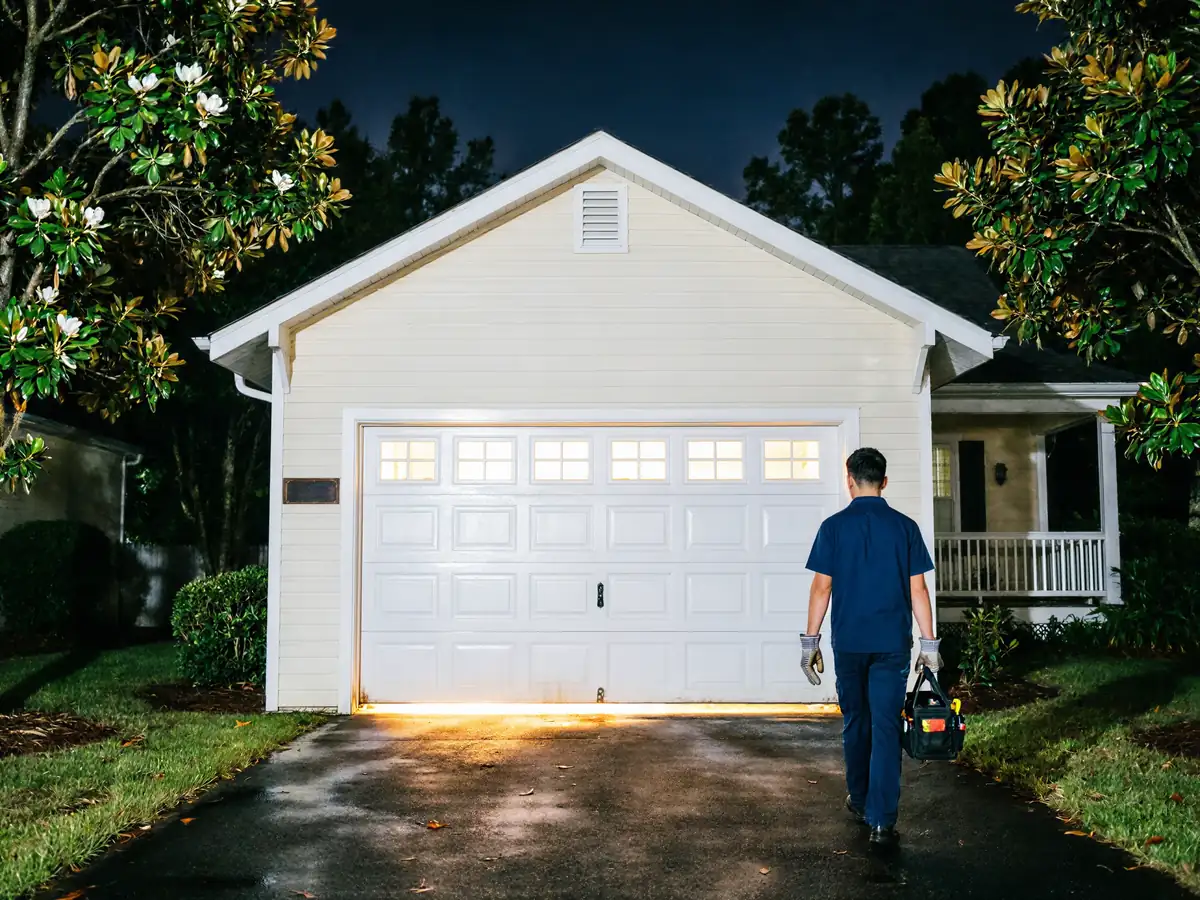
The Situation
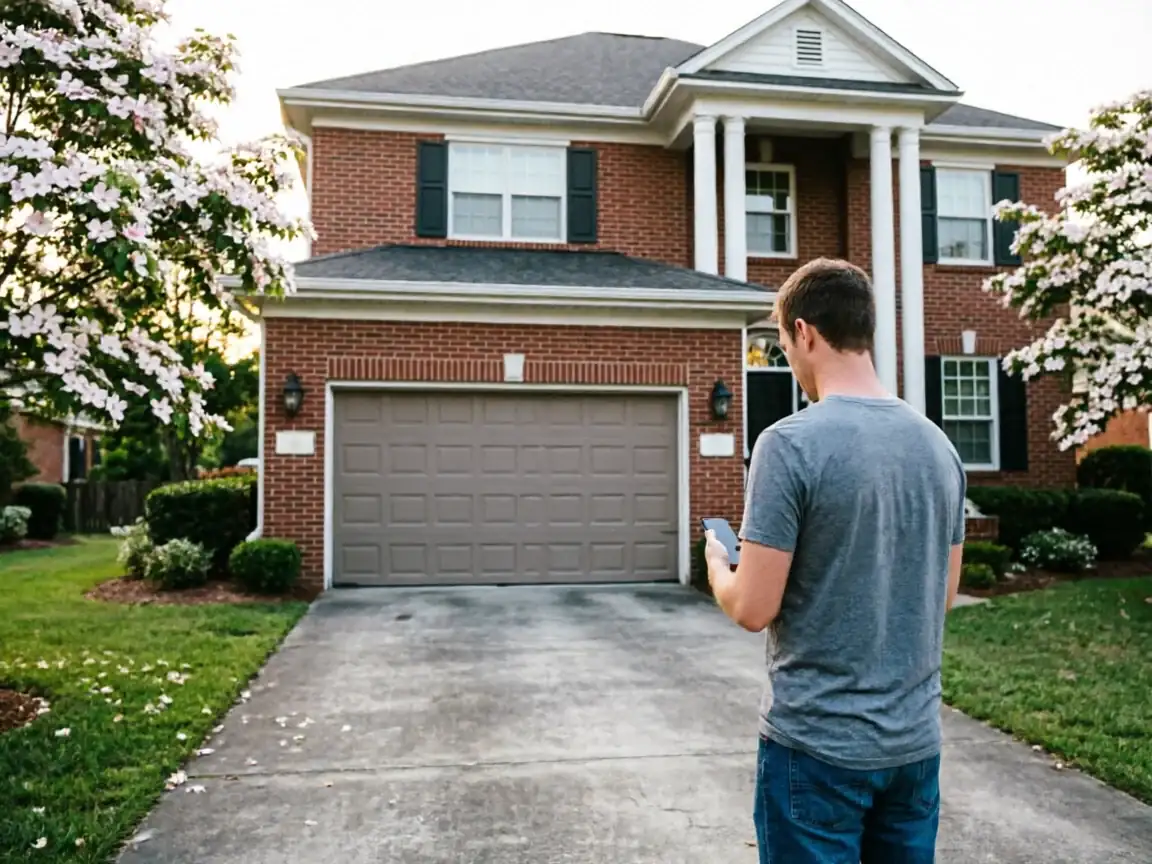
Housing in this service area was built mostly between 1938 and 2007, with the typical house dating to around 1974. That matters more than people think when it comes to a draughty garage. A door installed or replaced in the 1970s or 80s came with a bottom seal that was never meant to last fifty years. Rubber compounds back then hardened and cracked faster than today's vinyl and PVC blends, and a lot of those original seals are still bolted to the same aluminum retainer, just thinner and harder than the day they went in.
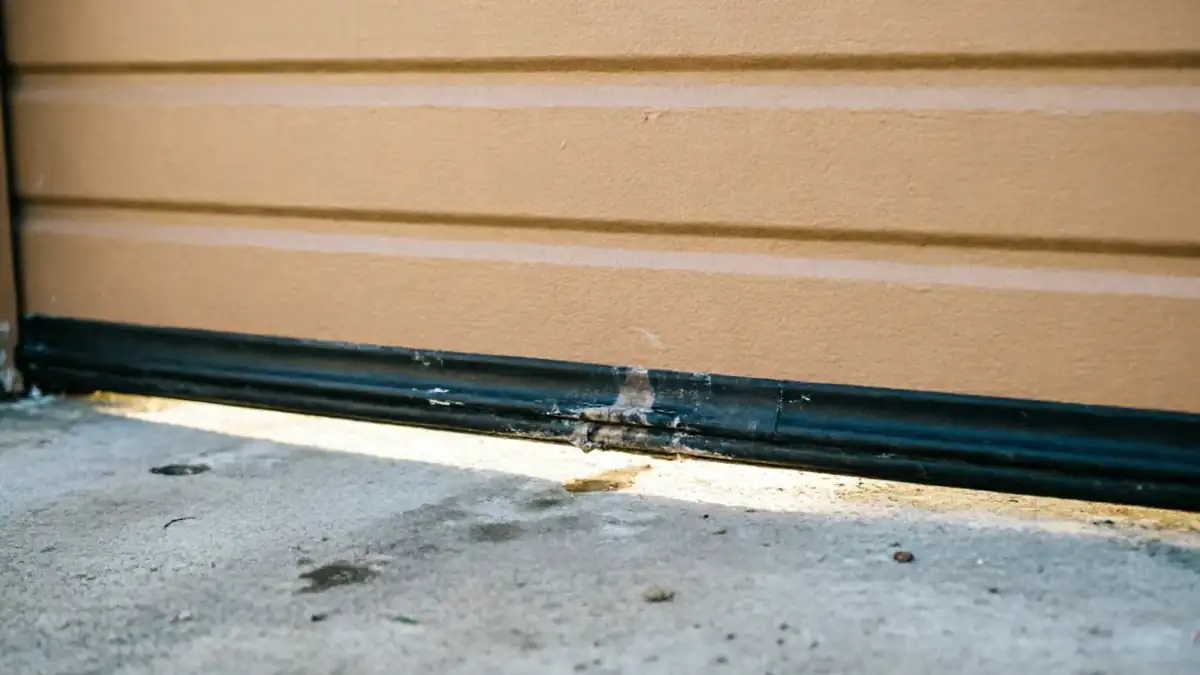
Across the mix of 1960s and 70s stock that makes up most of this area, the symptom is almost always the same: a visible gap of light under the door at one corner, a cold draft that pools along the garage floor in winter, or a breeze you can feel standing a few feet back from the door on a windy day. None of that is dramatic. It's slow. The seal degrades a little more every season until one day the gap is big enough that leaves blow in.
It's rarely the whole door failing. It's one worn strip of rubber and a jamb that's shifted slightly out of square over decades of settling.
What Most People Get Wrong
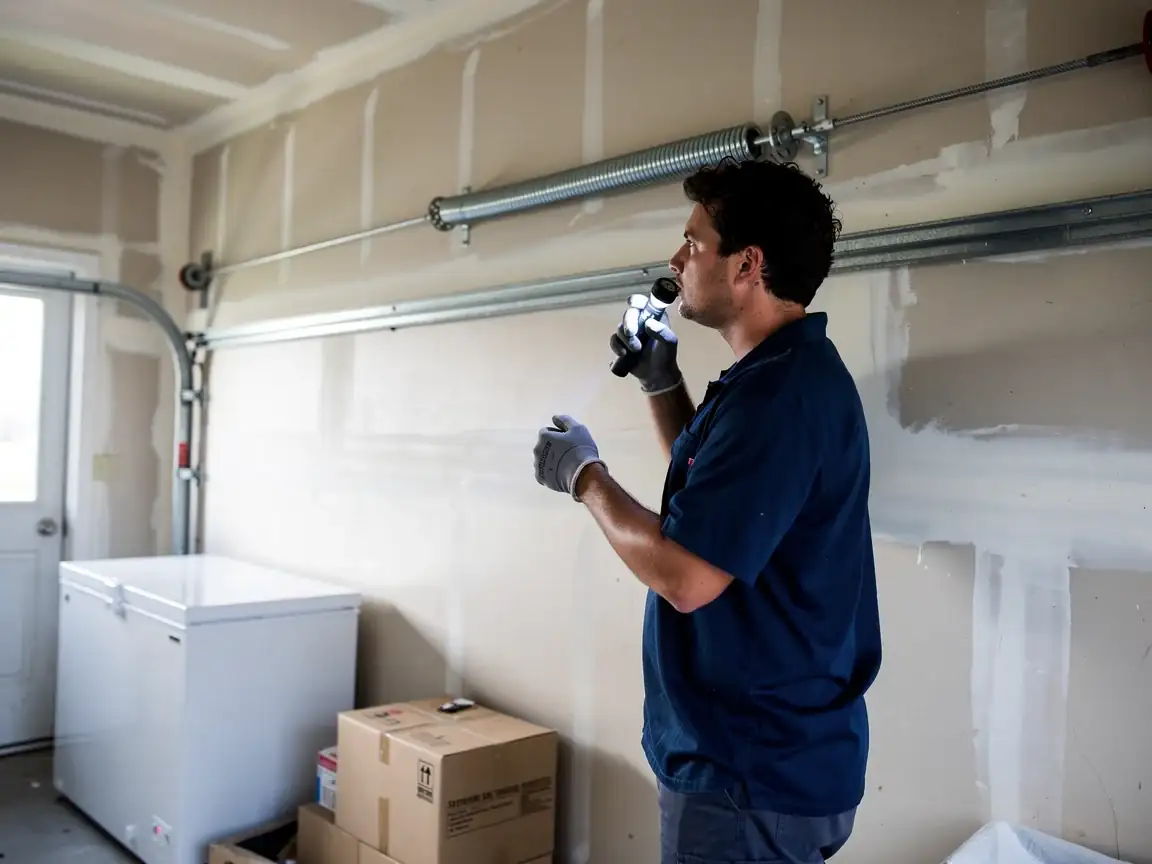
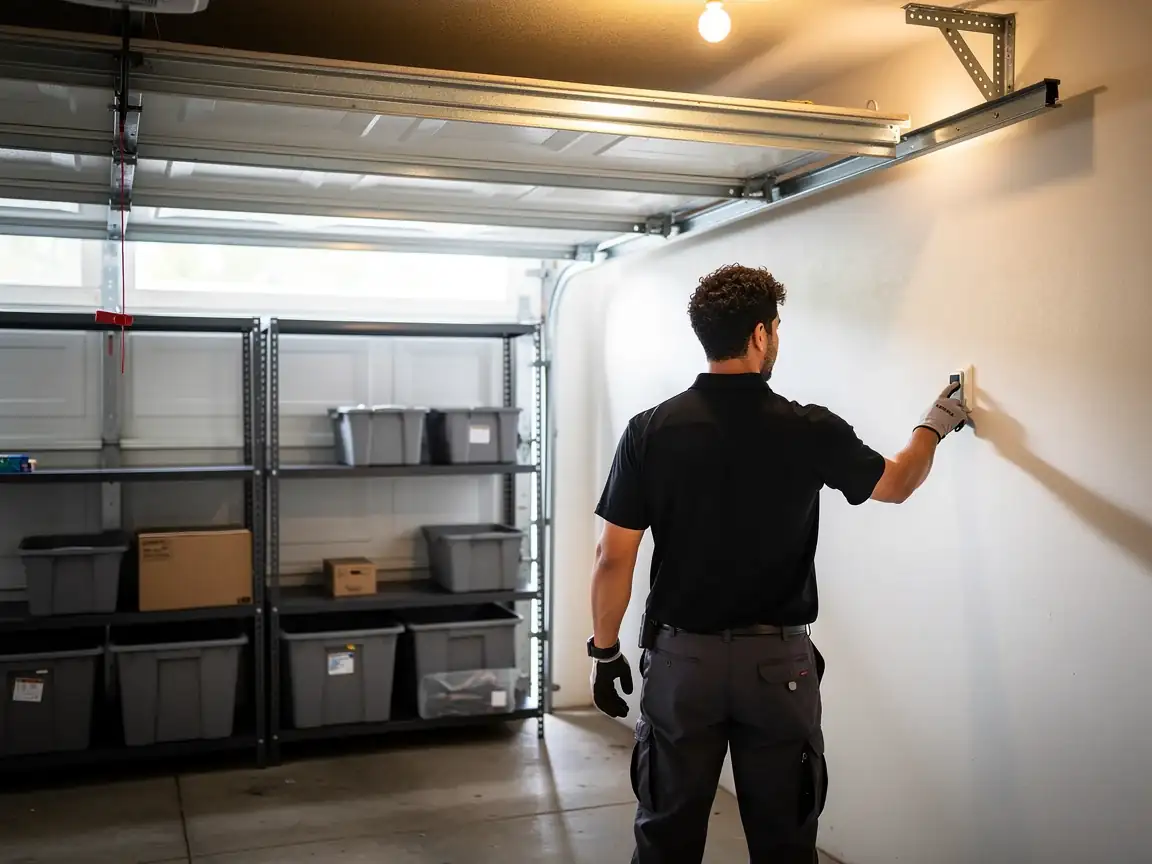
The most common mistake is treating a draughty door as an opener problem or a spring problem, when it's almost always the perimeter seal and the stop molding against the jamb. People hear a whistle on a windy night and assume something's broken mechanically, so they call about the opener first.
The second mistake is buying a generic weatherstrip kit sized for a newer door and forcing it onto an older track. A lot of houses in this area still have the original wood door jambs from the build era, and those jambs have moved slightly over the decades - shrunk, twisted, settled with the foundation. A seal that's the right profile but doesn't follow that slightly uneven jamb line still lets air through at the high and low spots, and the homeowner ends up thinking the fix didn't work when really it was never fitted to the actual gap.
The third mistake, and the one we see most with older stock, is stapling or gluing a new bottom seal directly to a worn-out aluminum retainer instead of replacing the retainer track itself. The seal looks new for a season, then tears loose at the same spot because the metal underneath was never flat to begin with.
When to Call Someone
If the draught is coming from the bottom seal and the retainer track is still straight
That's often a part swap you can watch a pro do once and handle yourself next time. We'll say that plainly: a bottom seal replacement on a door with a decent track isn't always a job that needs a truck out.
Where it's worth a call is when the gap runs along the side jambs rather than just the bottom
Especially on houses from the 1960s and 70s where the jamb itself has shifted. That's a measuring and shimming job, not a strip-and-stick job, and getting it wrong means redoing it within a year.
It's also worth a call if the door is original to a house built well before 2000 and you're seeing daylight at more than one edge
At that point you're not patching a seal, you're dealing with a frame and panel that have drifted apart enough that no amount of weatherstripping closes the gap for good. We'll tell you honestly if a new seal will hold or if the door's geometry has moved too far for a seal alone to fix - sometimes the straight answer is that the door needs to come off and get reset, not resealed.
What the Weather Here Does to It
This area sits in a cold-moderate climate band - not the deep hard freezes that crack concrete, but enough cold snaps each winter to put real stress on old rubber. Seals don't fail from one bad night. They fail from the repeated contraction and expansion of rubber that's already decades past its flexible years, going brittle a little more with every cold front that rolls through and every warm stretch that follows it.
That cycle is exactly why houses from the 1960s and 70s stock common across this service area show up on our list more than newer builds. The seal material of that era wasn't built for fifty years of freeze-thaw cycling, mild as our winters are compared to further north. It was built for maybe fifteen.
With 38,447 owner-occupied houses out of 95,226 households in this area, a lot of these garages are lived-in, daily-use spaces, not storage sheds people ignore. A cold garage in winter means a cold laundry room wall or a cold mudroom door next to it, and that's usually what finally gets someone to deal with the seal instead of living with the draught another season.