The Situation
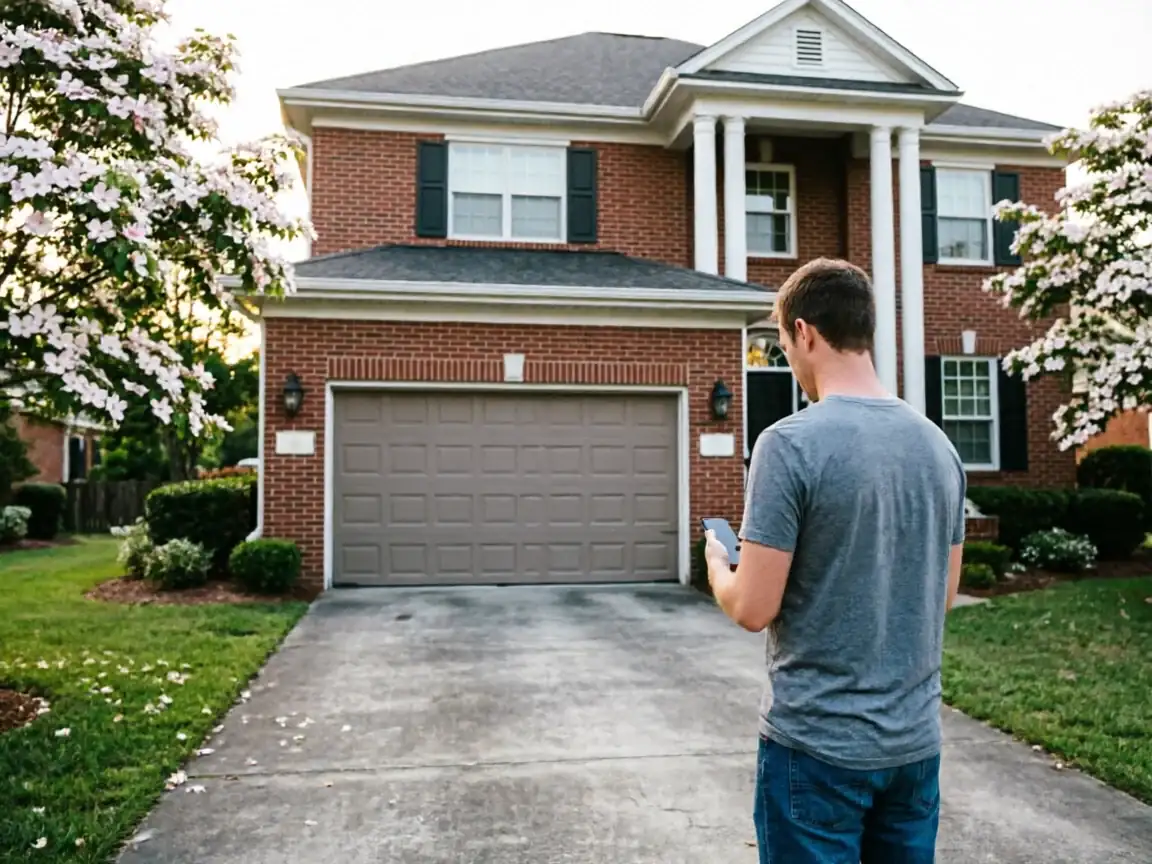
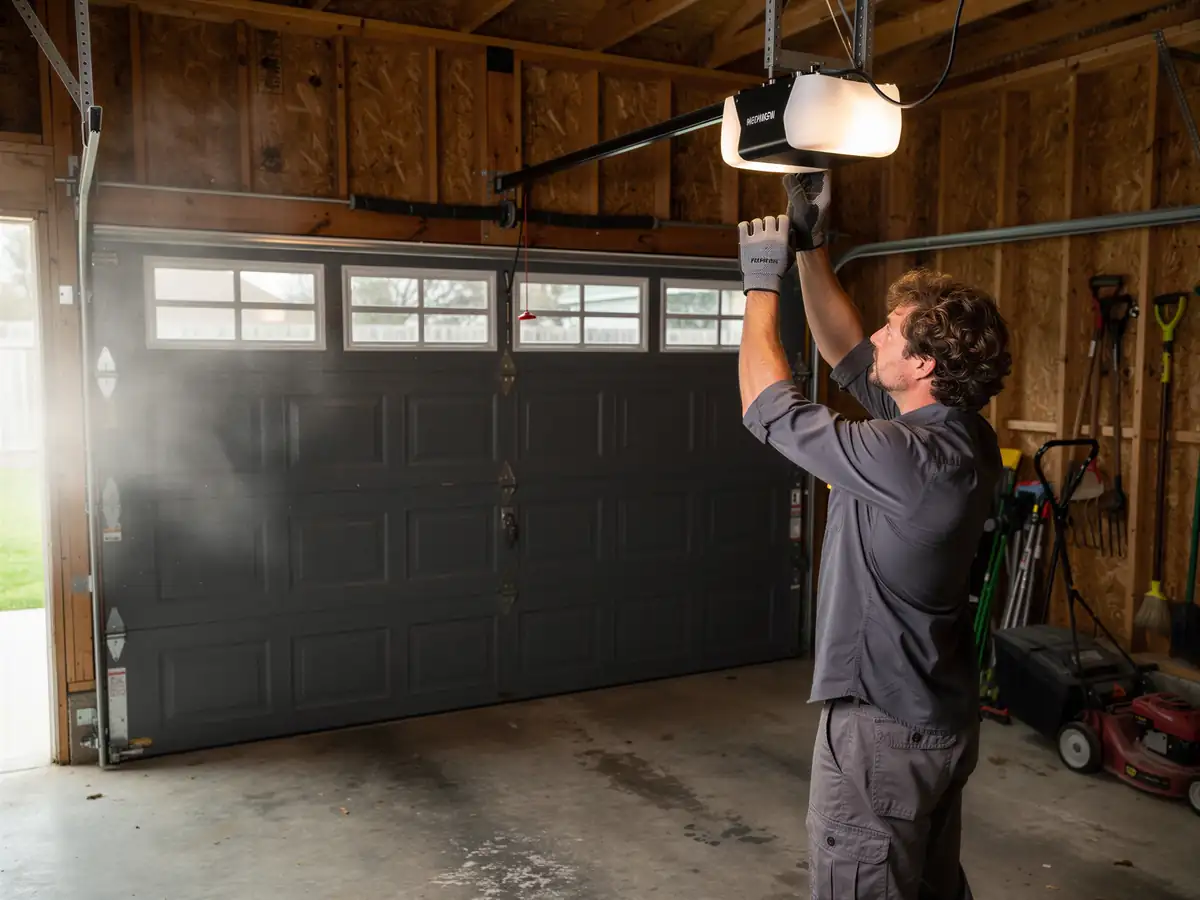
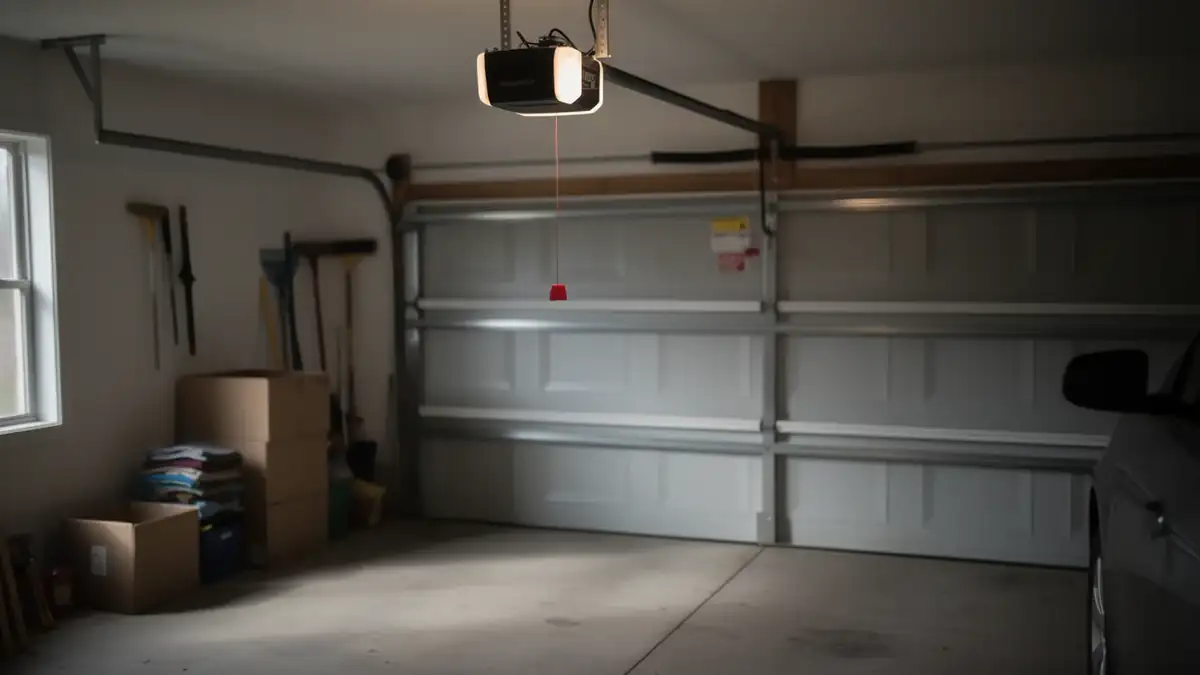
Stockbridge sits in a service area where housing was mostly built in the 1960s and 70s, with the broader stock running from 1938 to 2007 and a median year of 1974. That matters for openers more than people think. A house wired in that era usually has a single dedicated circuit for the garage, often shared with nothing else, and the opener itself has likely been swapped once or twice since - but the wiring behind it hasn't changed. When the power drops, that opener goes dead with no battery backup unless someone added one later. You're left with a door that won't move on command and a motor unit that may or may not come back cleanly once power returns. We see this most on the chain-drive units that were standard replacements through the 80s and 90s in these neighborhoods - they're reliable machines, but they were never built with an outage in mind, because outages weren't common enough to design for back then.
What Most People Get Wrong
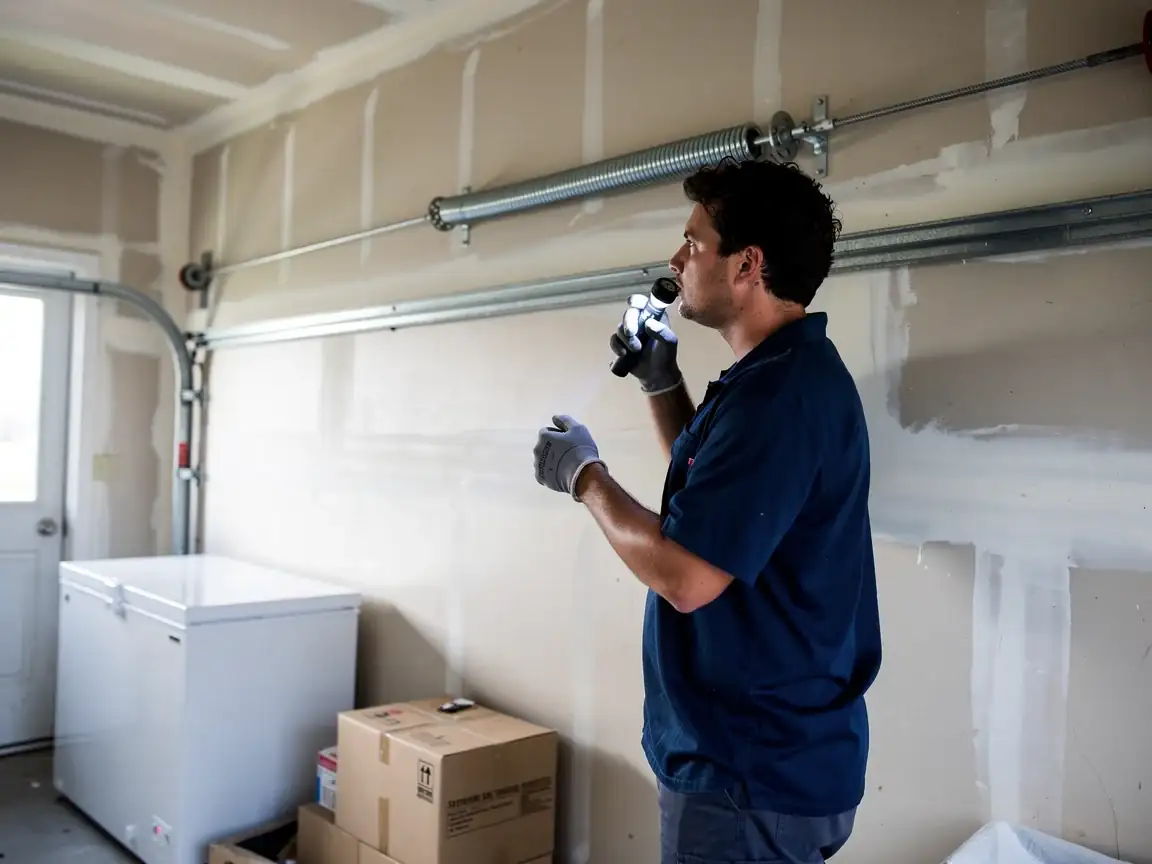
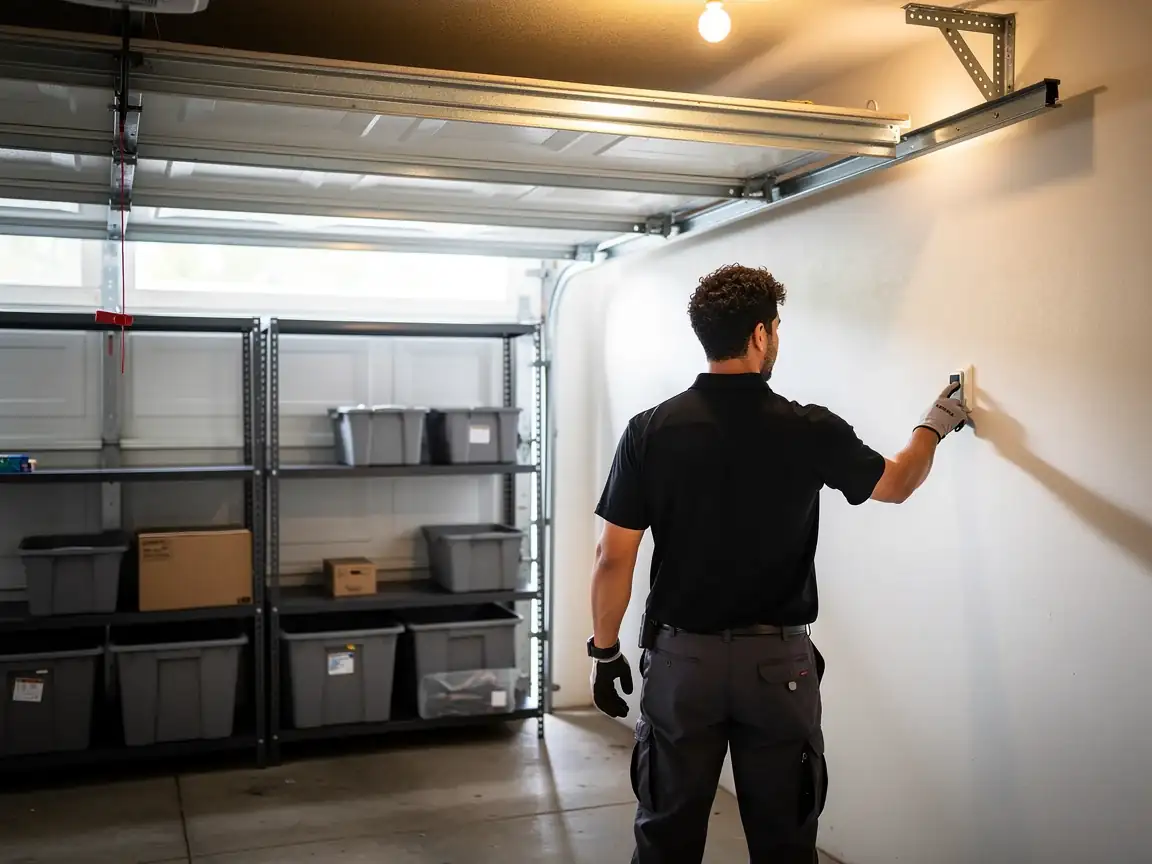
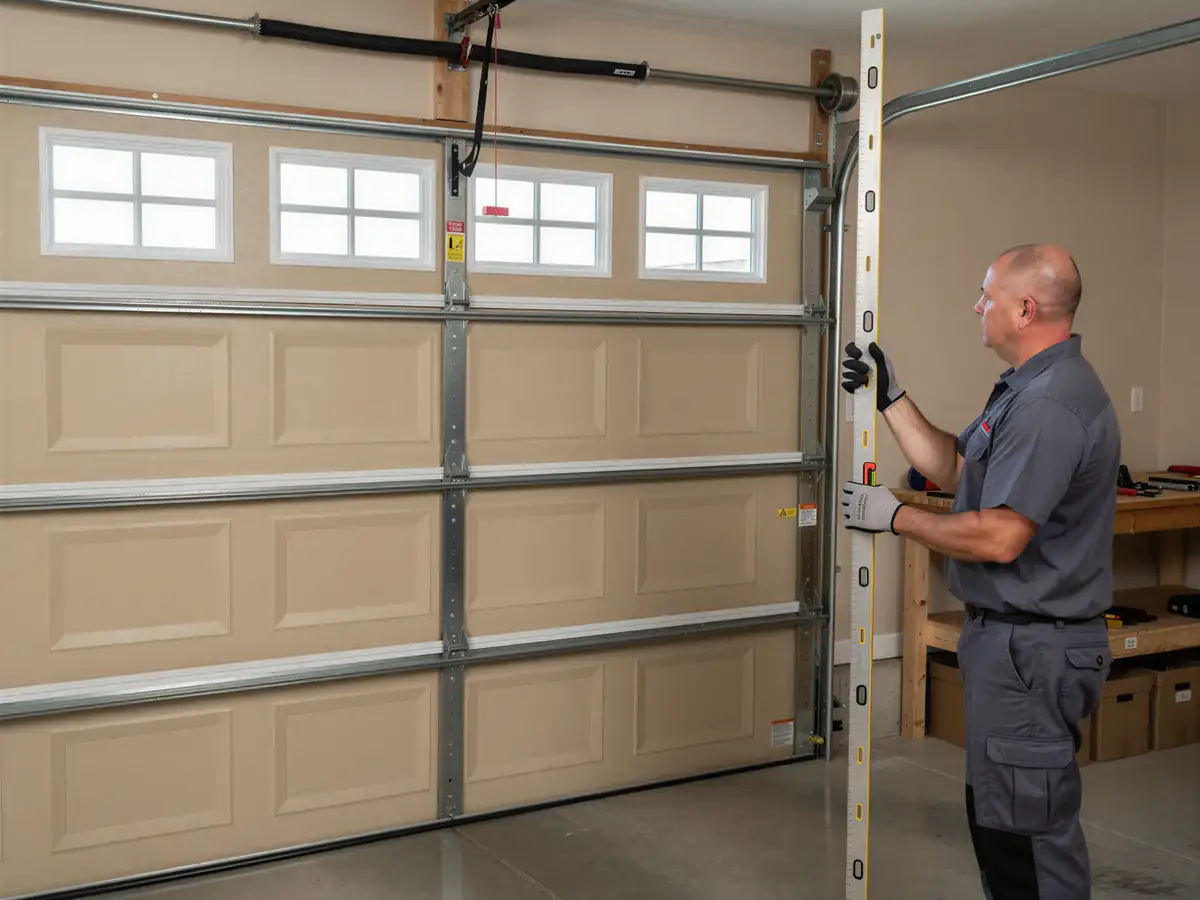
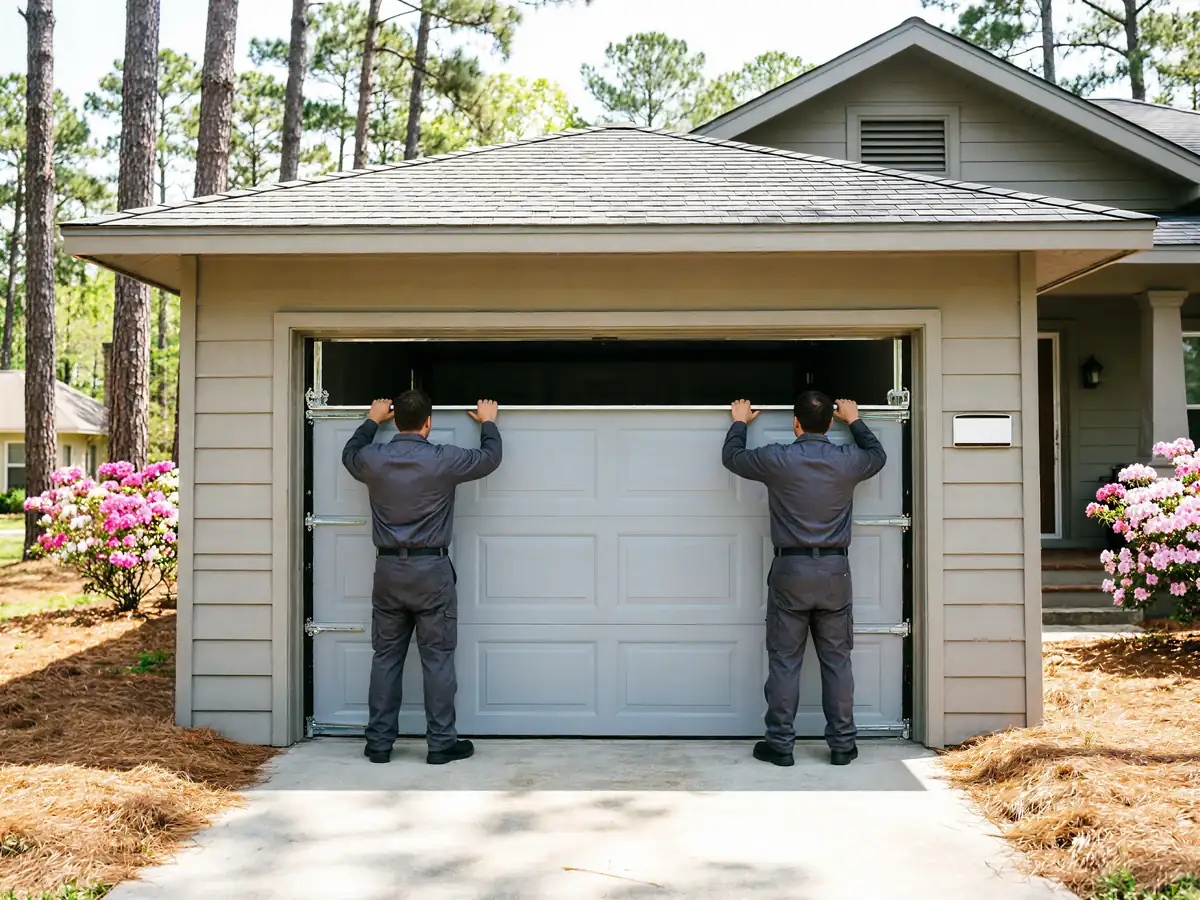
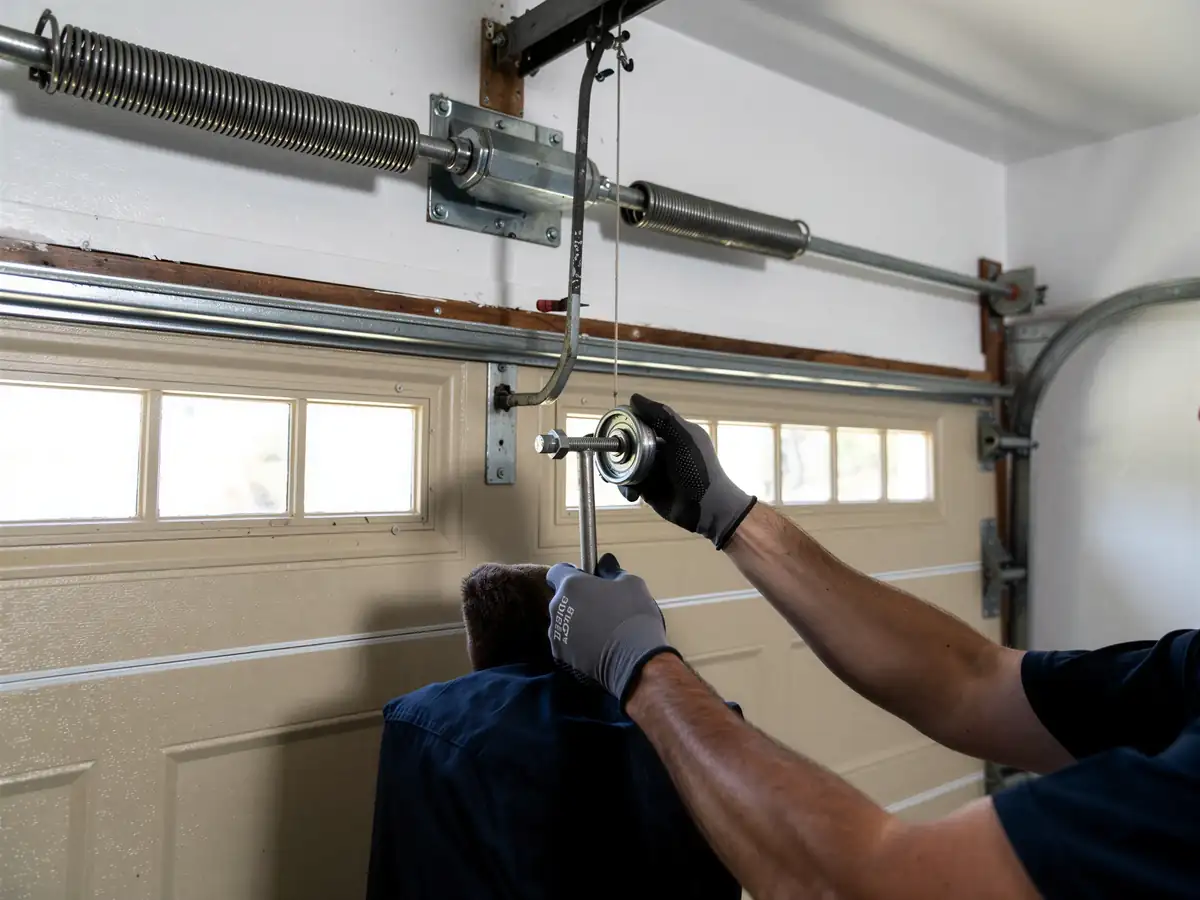
The biggest mistake is assuming the opener is broken because the door won't open after a power cut. Nine times out of ten the opener is fine - it just lost its position memory, or the safety reversal circuit tripped and needs a manual reset. People call for a same-day repair on a unit that actually needs five minutes with the manual release and a reset of the travel limits. The second mistake: treating the pull-cord manual release as a one-time emergency tool. On a lot of the older houses here, that cord hasn't been pulled since the opener was installed, and when a homeowner finally yanks it during a real outage, the spring tension that's been sitting un-cycled for years doesn't always let the door move the way it should. If your door was installed anywhere near the 1974 median build year for this area, the spring and opener were almost certainly not matched to each other from the factory - they got paired later, during a repair, and that mismatch shows up exactly when you need the door to move without power.
What the Weather Here Does to It
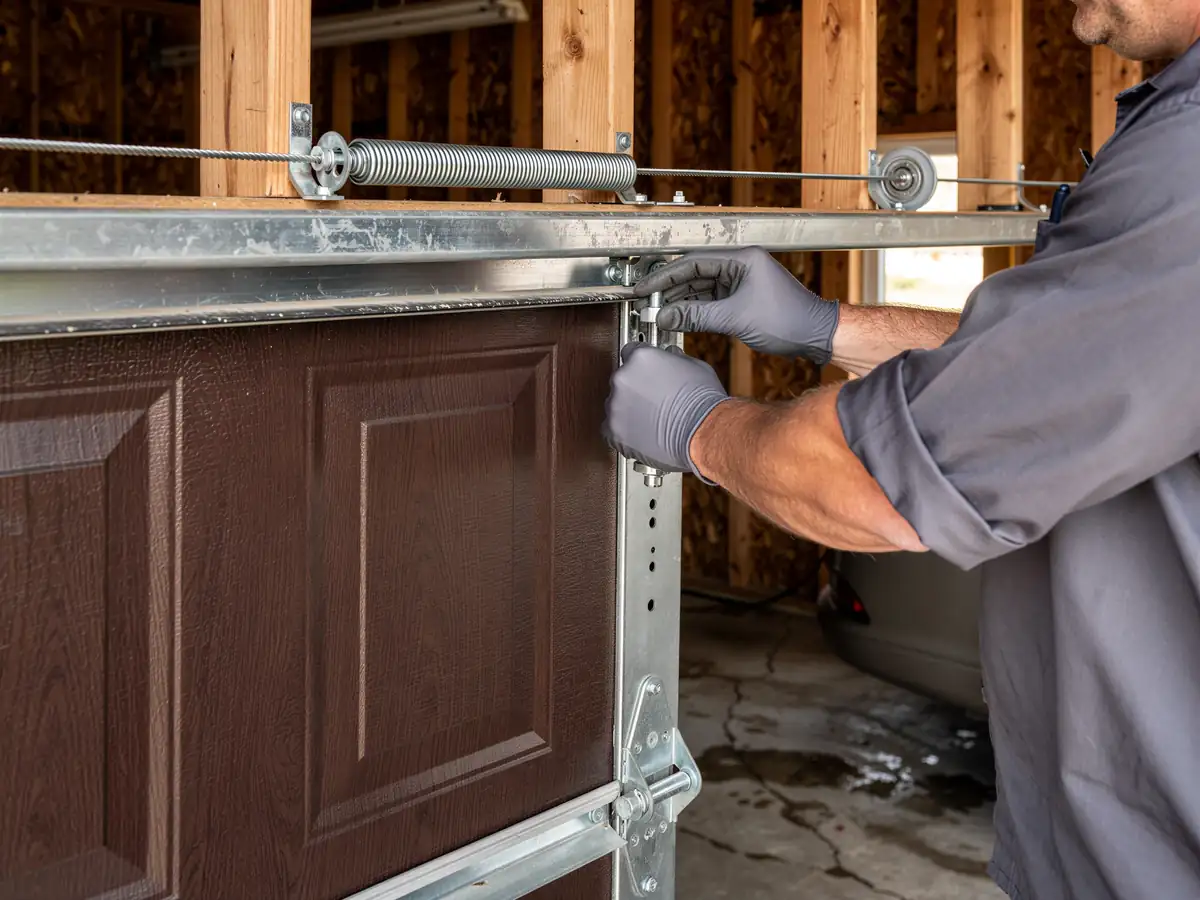
This area sits in a cold-moderate climate band, which means winter brings ice storms and hard freezes strong enough to knock out power lines, but not the kind of sustained deep-freeze that cracks foundations or locks steel tracks solid for weeks. The failure pattern we see is short, sharp: a line goes down, the opener loses power mid-cycle with the door half open or half closed, and by the time power's back the gear on the motor has already ground against a door that settled slightly out of square while it sat unsupported. Older torsion hardware from the 1960s-70s building wave handles a sudden stop worse than newer systems because the springs were tensioned for a slower, more even motor action. If your opener regularly gets caught mid-cycle during outages, that's less a weather problem and more a sign the spring tension needs rechecking before next winter, not after.