How It Shows Up
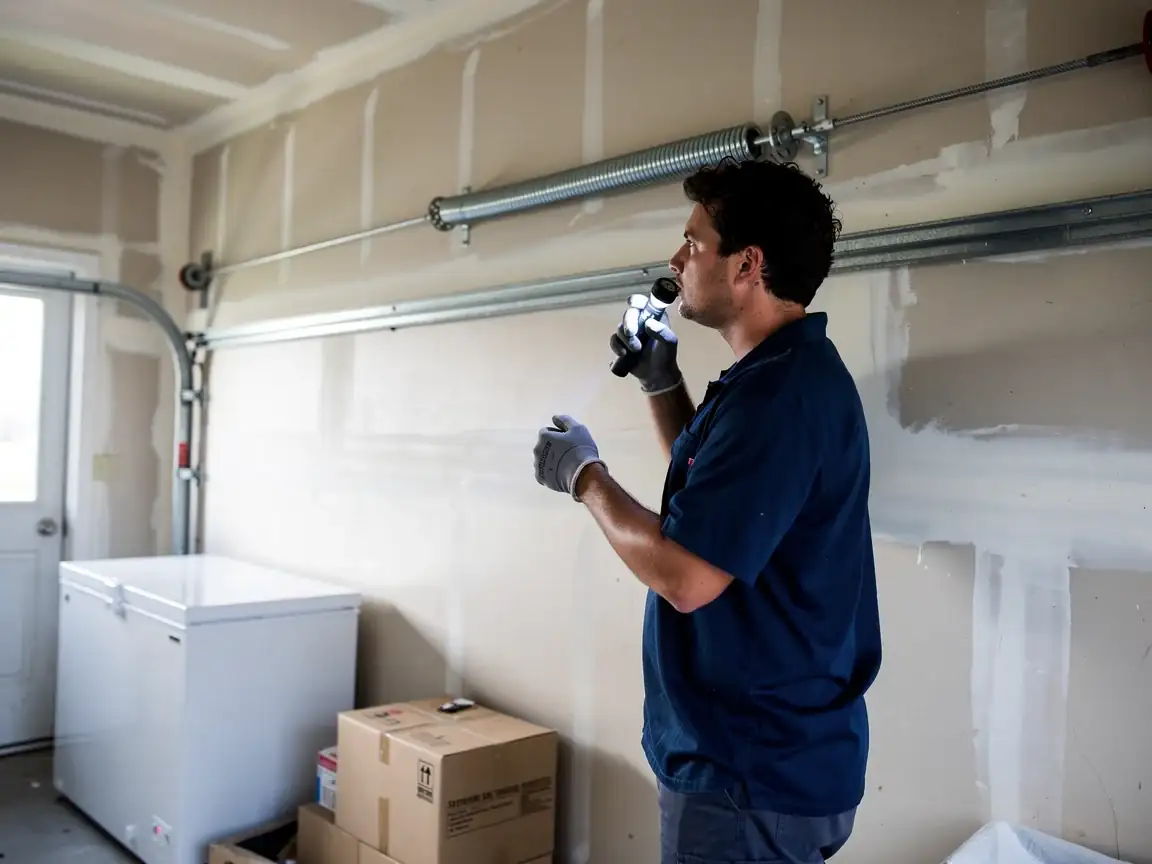
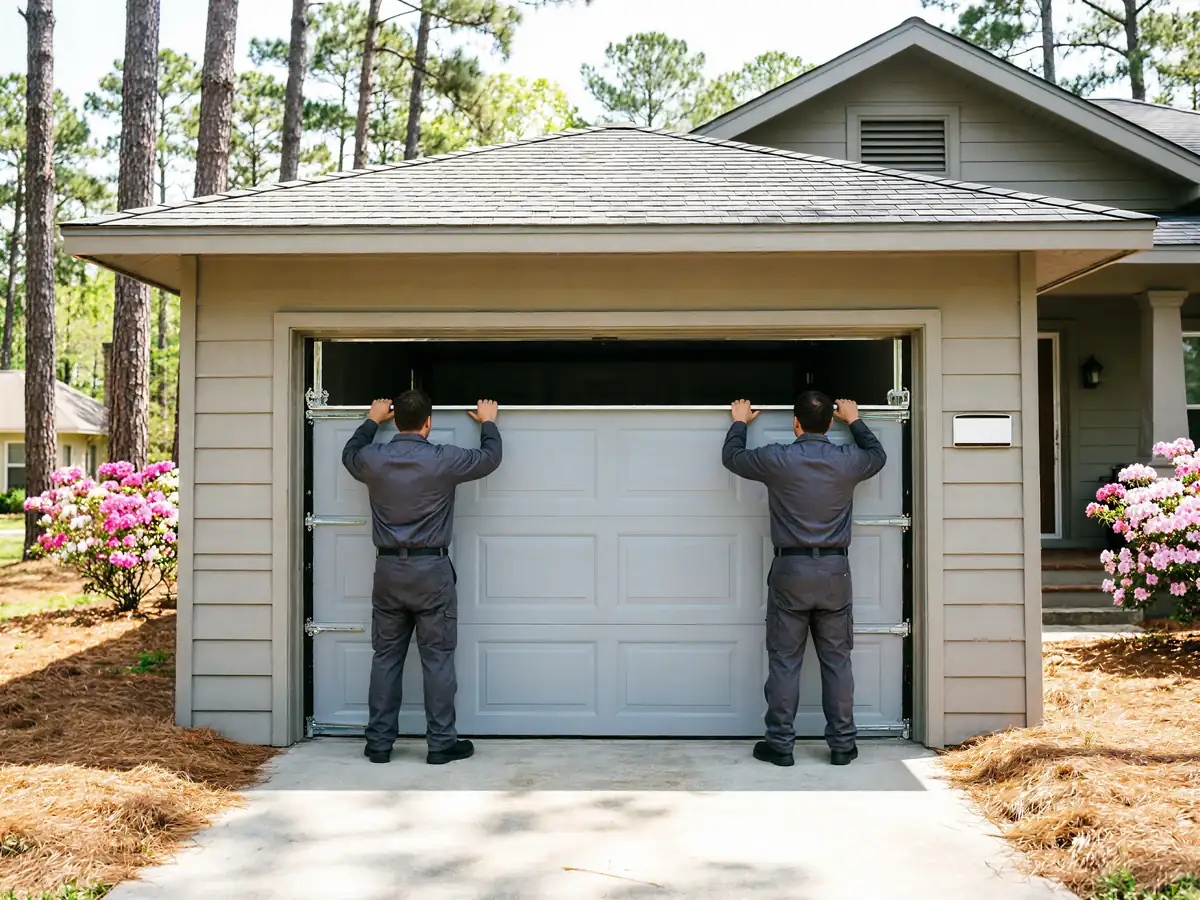
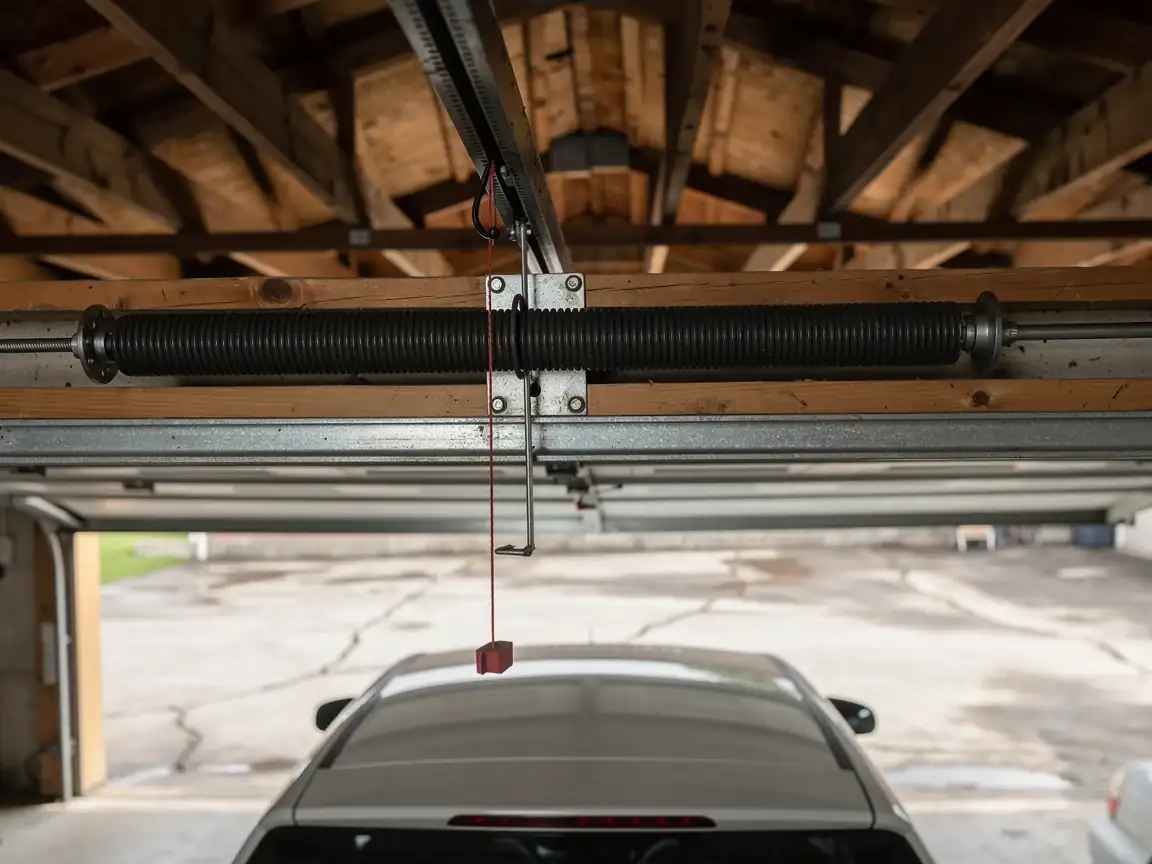
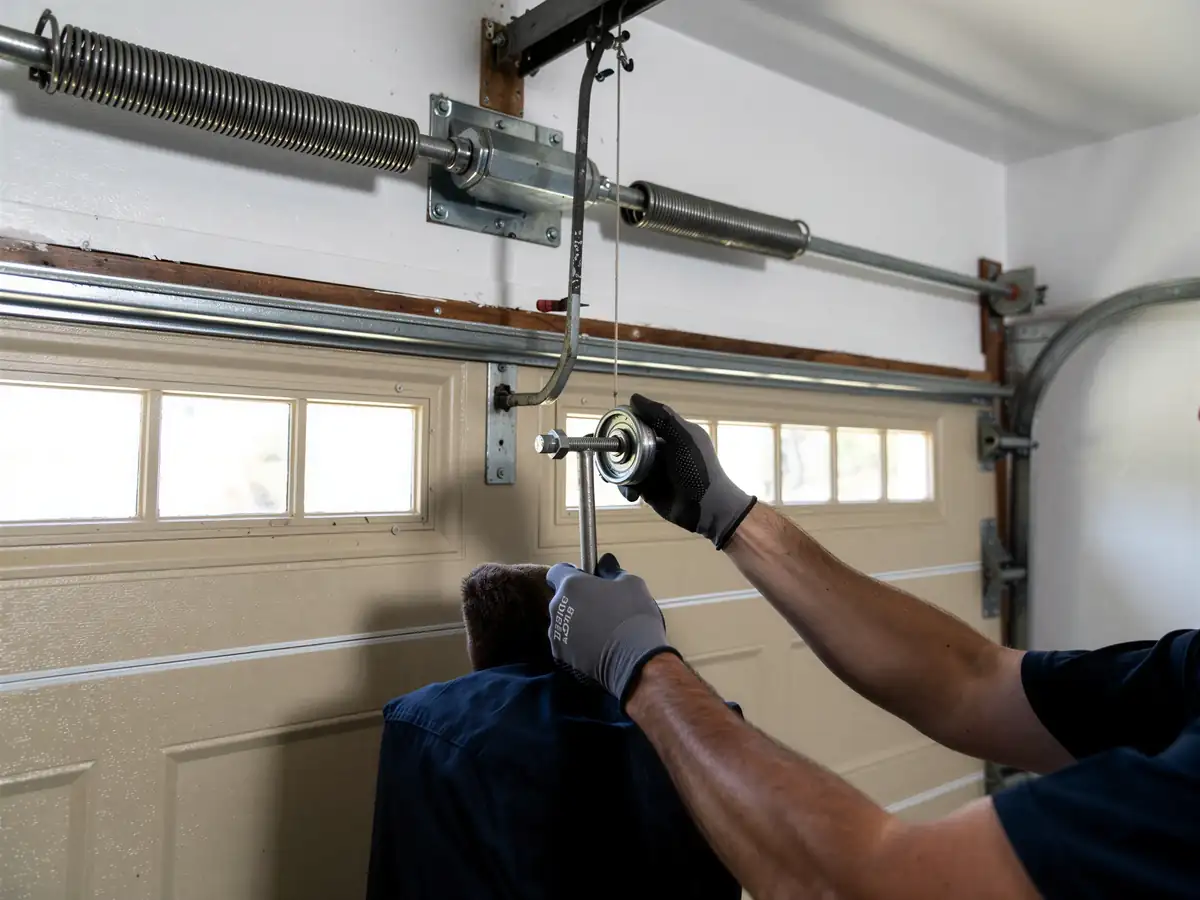
The most common call we get is a door that won't budge, or one that slams down the last foot of travel instead of settling. Sometimes it's a loud bang from the garage first thing in the morning - that's the spring letting go, usually a torsion spring mounted above the door on a shaft. You might notice the cable looking slack on one side, or the door looking crooked when it's halfway up. A few owners try to force the opener through it, which just burns out the motor on top of the broken spring.
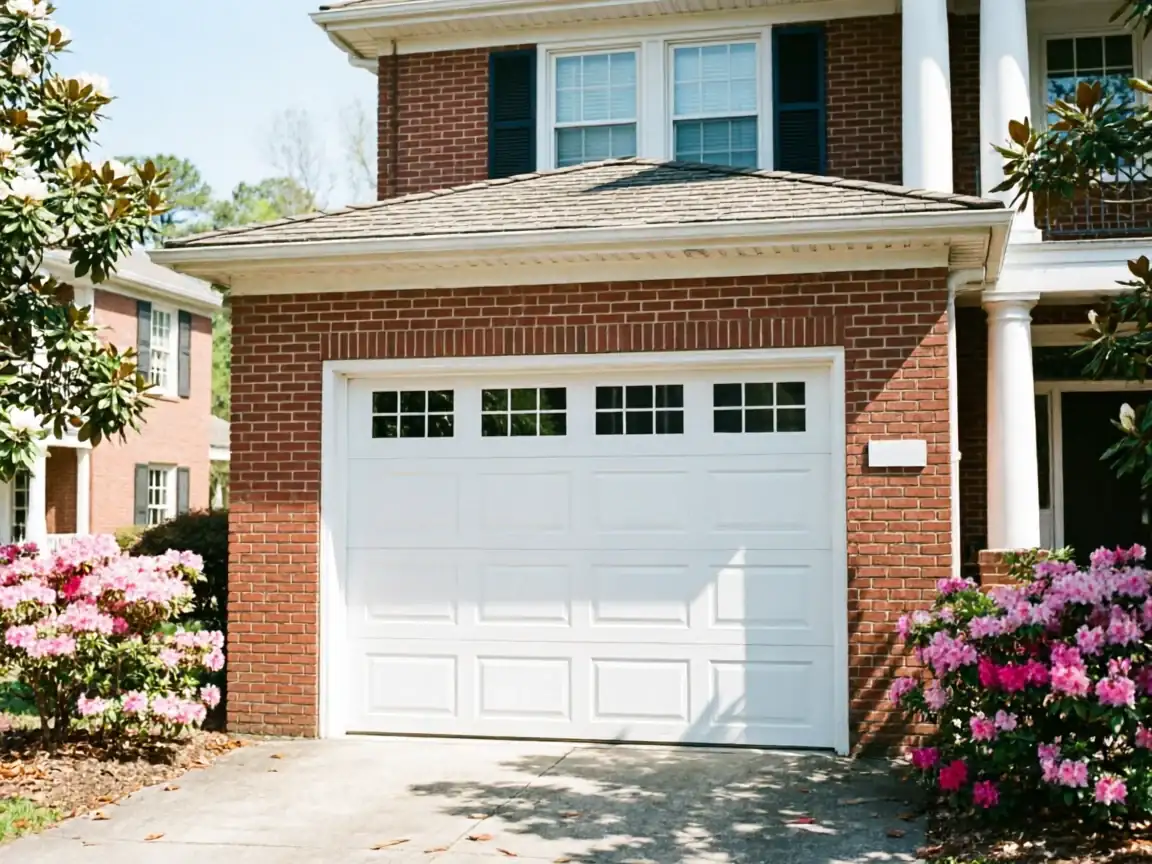
Most houses in the Stockbridge service area went up between 1938 and 2007, with the typical build year landing around 1974. A door that old has usually been through a couple of spring cycles already, and if nobody's touched the hardware since the original install, the spring you've got now may already be past its rated cycle count. That's the pattern we see call after call - not a fluke, just an old spring finally done.
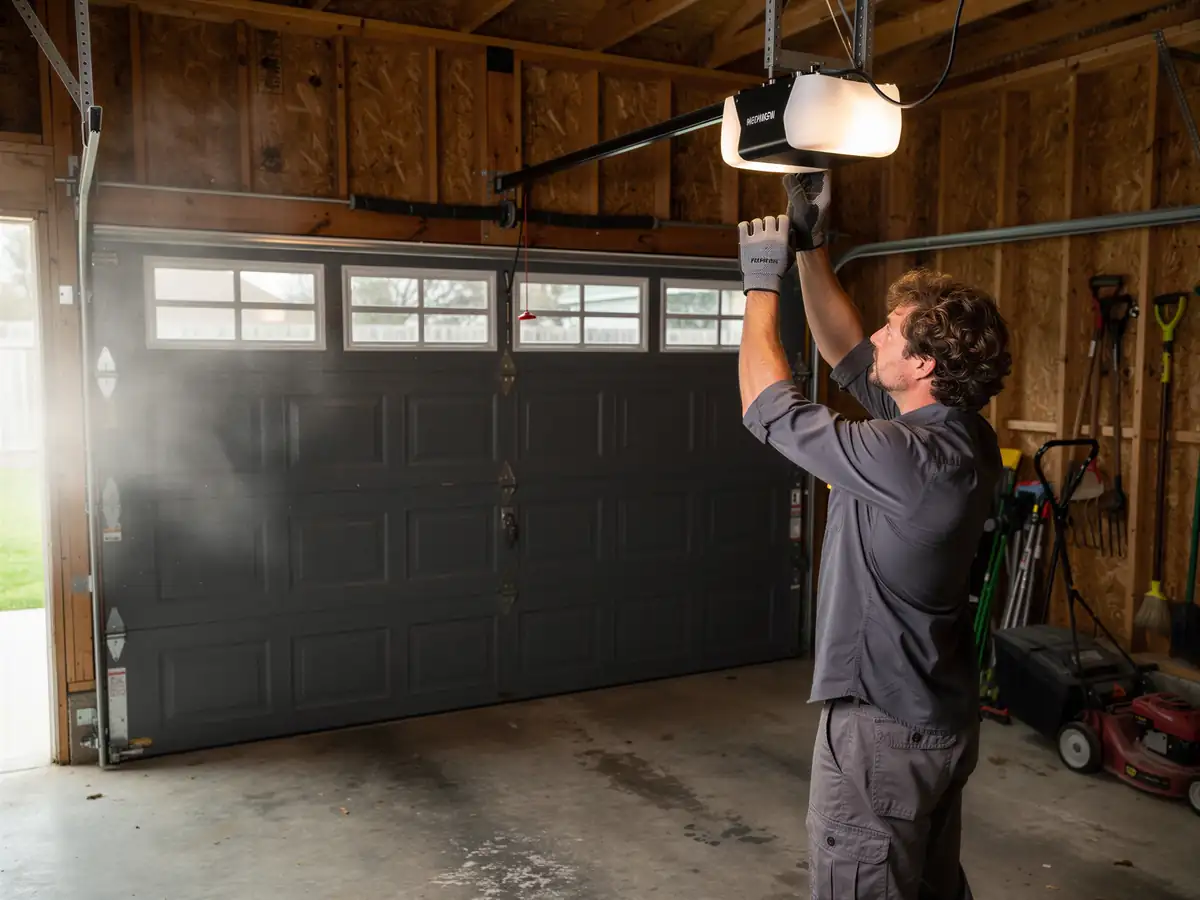
If your opener is straining, clicking, or reversing on its own, that's often the spring too, not the opener itself. Worth a look before you replace a motor that was never the problem.
What the Fix Involves
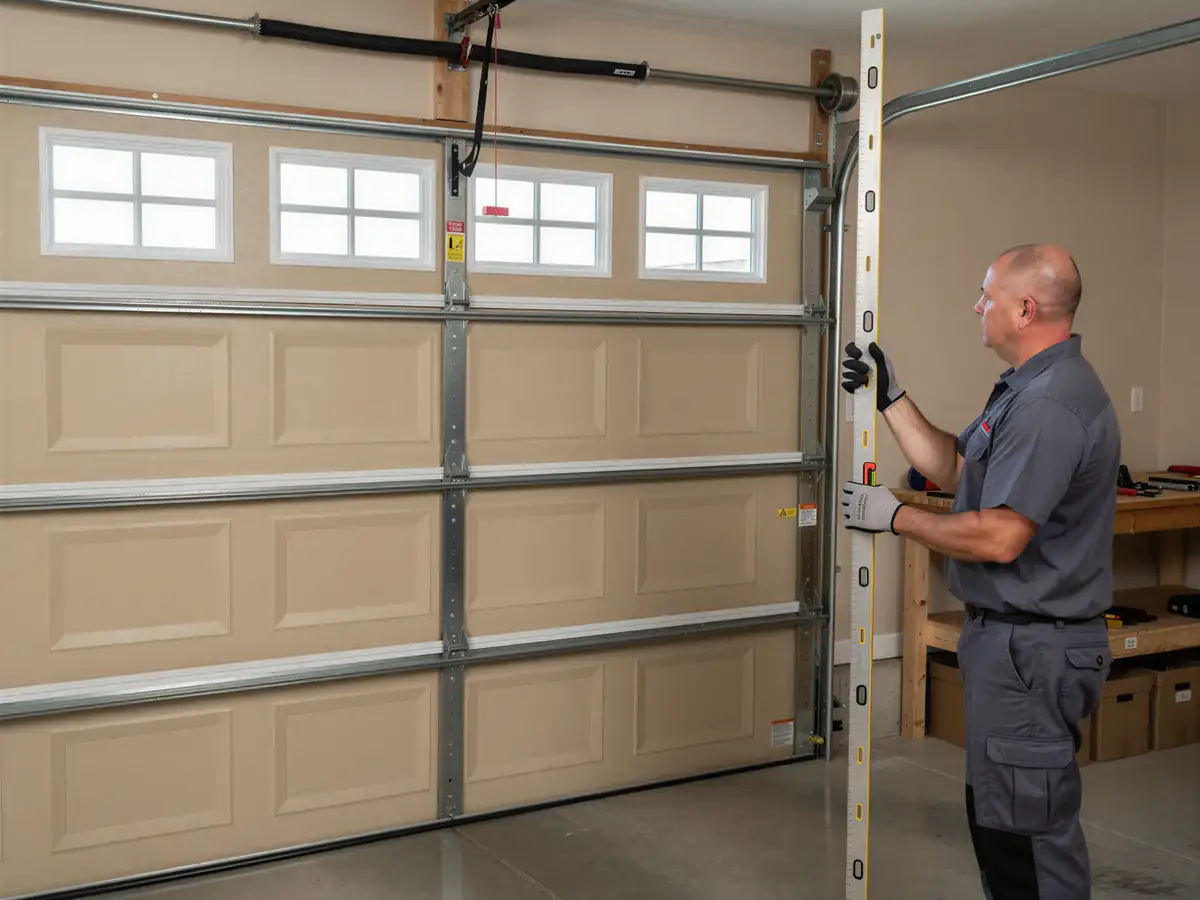
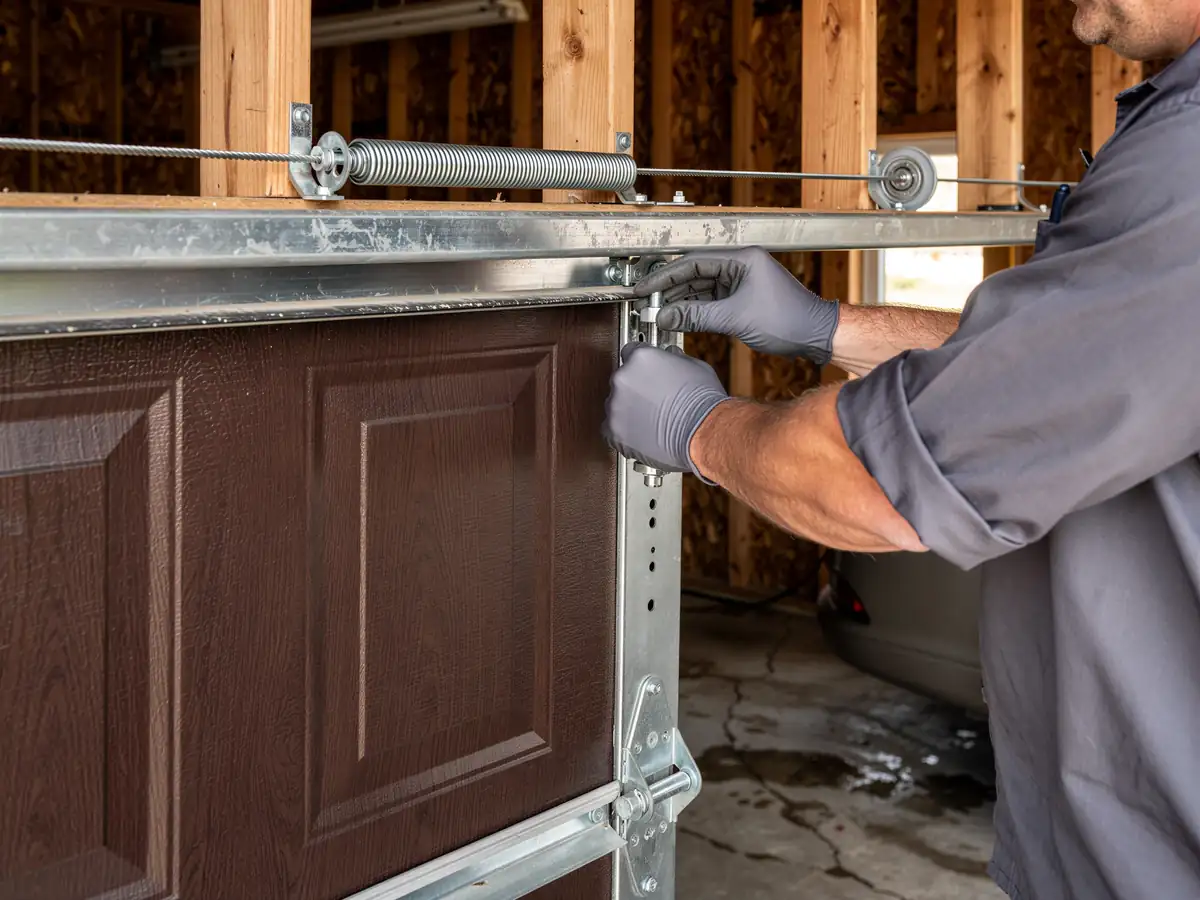
We measure the broken spring's wire size, coil diameter, and length, then match it to the door weight - guessing at this gets you a spring that's either too weak or wears out again in a year. For torsion springs, that means winding bars, a ladder, and respecting the stored tension in that coil; this isn't a job for a tape measure and a Saturday afternoon.
We replace torsion springs in pairs, even when only one has broken. The surviving spring on a double-spring setup is the same age and the same number of cycles as the one that just failed, and it's close behind. Replacing one and leaving the other is a callback waiting to happen, so we don't do single-spring jobs on a two-spring door.
Honest limit here: if the drums, cables, or center bearing are worn from running on a bad spring too long, that adds to the job. We'll tell you before we start, not after. And if the whole system is original 1970s-era hardware past any reasonable service life, sometimes the straight answer is a new spring system built to current cycle ratings rather than patching parts that don't match anymore.
Why This Fails Locally
Across the 29 communities we cover from Stockbridge
From Morrow at seven miles to Porterdale at twenty, the dominant stock is 1960s and 70s construction. Garages from that era were built to a lighter spring standard than what's common today, and a lot of them still carry the original single-spring torsion bar instead of the matched pair you'd find on a newer install.
- 29 communities
Stockbridge sits in a cold-moderate climate band
And the swings between a cold morning and a warm afternoon are what crack torsion springs cycle by cycle. Steel contracts and expands with every open and close, and in a spring already near the end of its rated life, that's the difference between another year of service and a 6 a.m. snap.
With 95,226 households and 38,447 owner-occupied houses in the Stockbridge-based service territory
We replace more torsion springs than any other part on the truck. It's not that one street or one subdivision has bad luck - it's the age of the housing stock meeting ordinary weather.
- 95,226 households
- 38,447 owner-occupied
Parts We Carry
We stock torsion springs in the wire sizes and lengths that match the door weights common to 1960s and 70s construction, plus the newer gauge used on doors built closer to 2007. That covers most of what we run into without a special order.
At a median household income of $62,299 in the Stockbridge area, most calls we get ask for the repair that lasts, not the cheapest patch - so we carry springs rated for standard cycle counts, not the thinner stock-grade coils some supply houses push. We also keep drums, end bearing plates, and standard cable on the truck, since those are the parts that go bad alongside a failed spring.
What we don't carry on the truck is every extension-spring size for older sectional doors with side-mounted hardware - those sometimes take a day to source. If that's your setup, we'll tell you on the first visit so there's no surprise wait.