When We Can Get There
We run out of Stockbridge, 13 miles from Gresham Park, and that drive is part of how we plan the day. We don't keep a crew sitting in Gresham Park waiting on calls, so we schedule the trip in with other stops along the way rather than promising a specific arrival window we can't back up. What we can tell you is that the 13-mile run is a known quantity for us, not a special trip - it's inside the normal radius we work every week. If you call, we'll give you a real estimate of when a truck can be on your street, based on where else we're working that day, not a number pulled out of thin air. We'd rather tell you two hours than promise one and show up in three.
The Houses Here
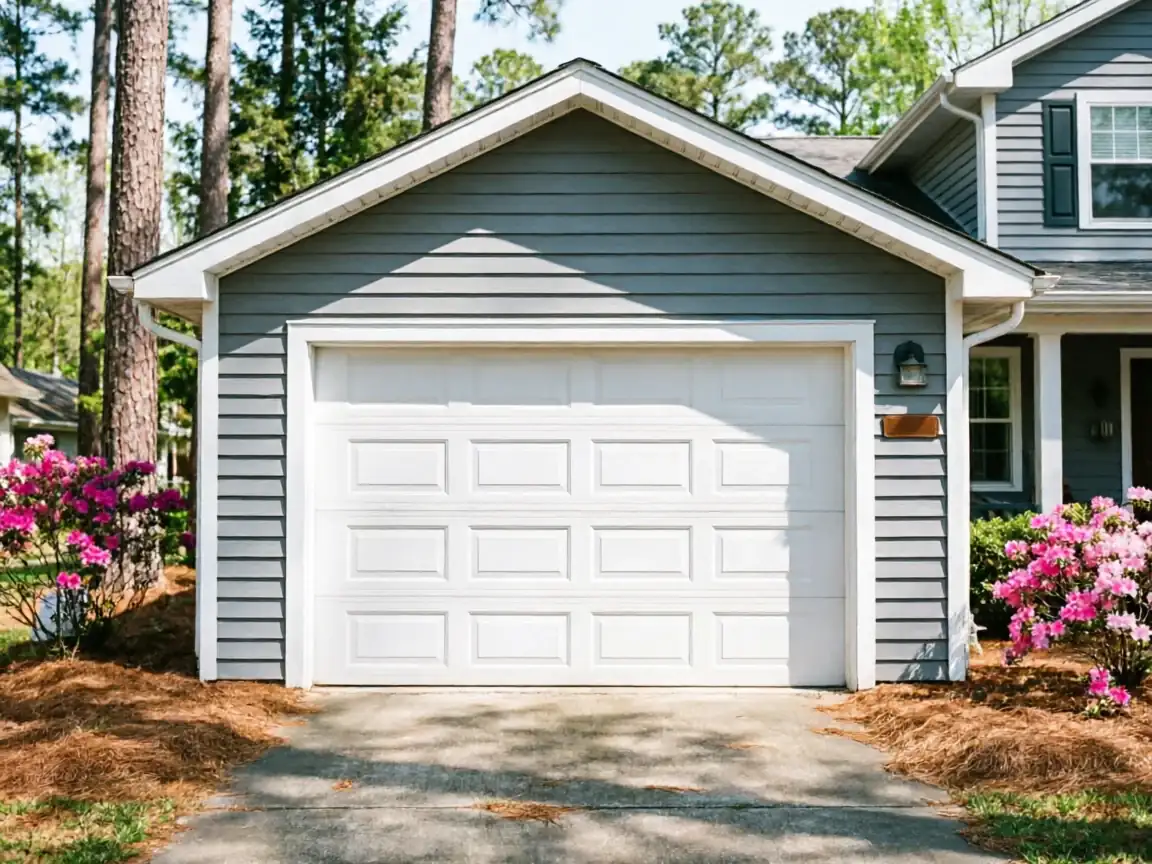
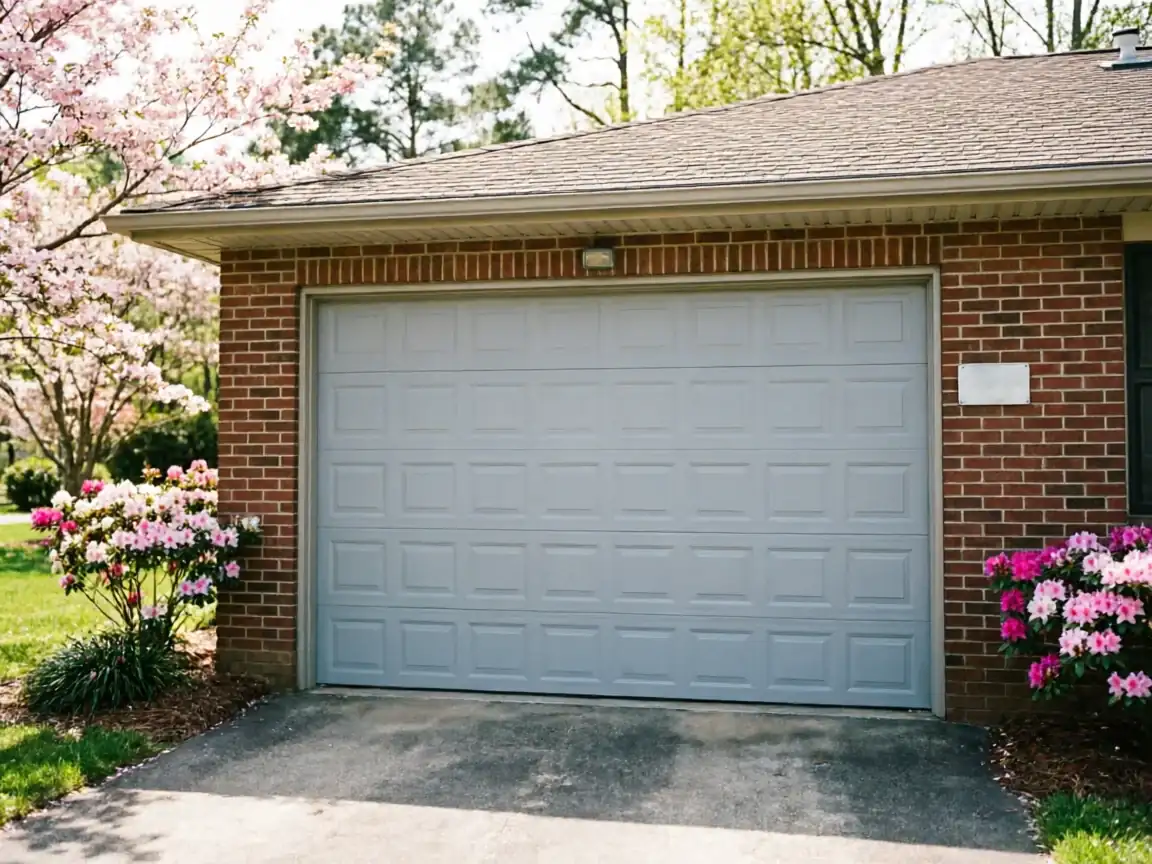
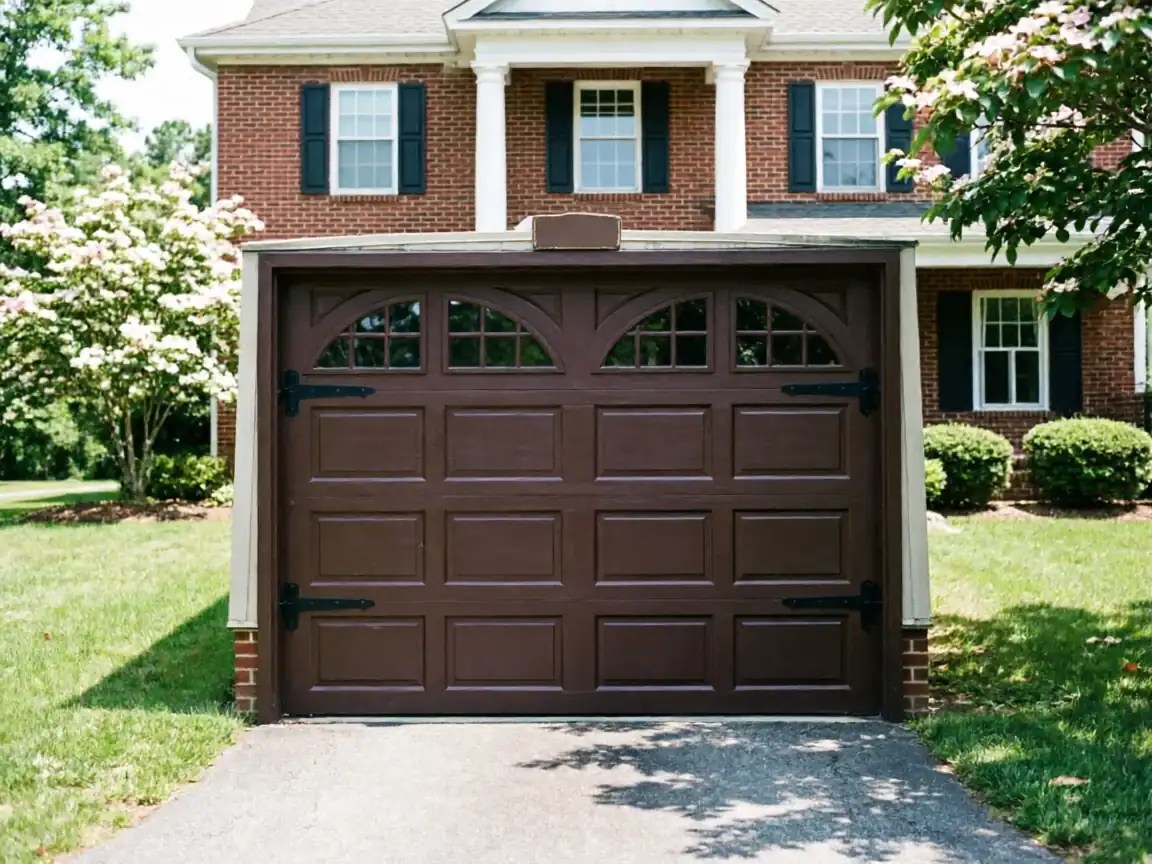
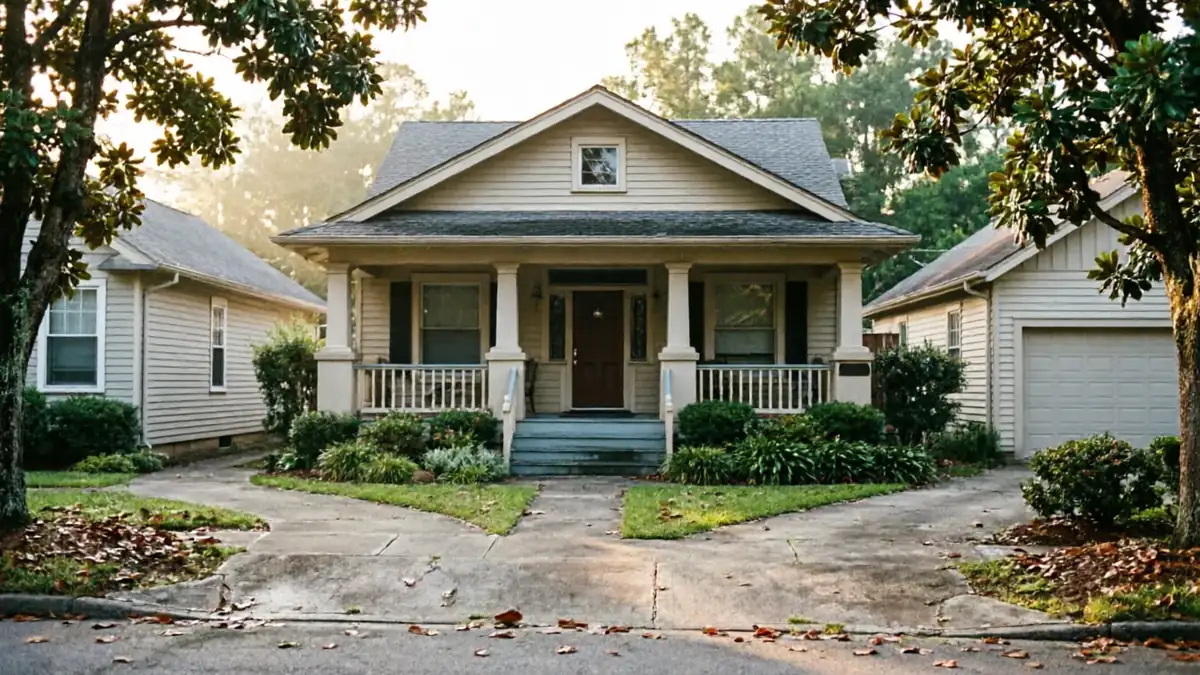
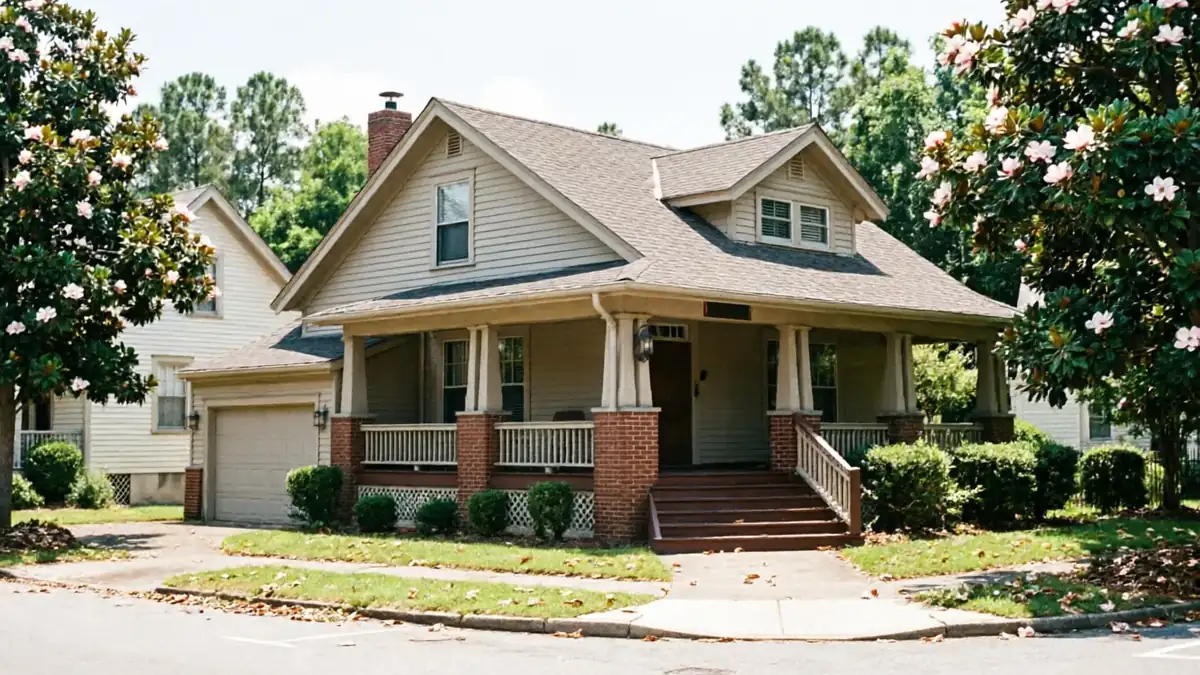
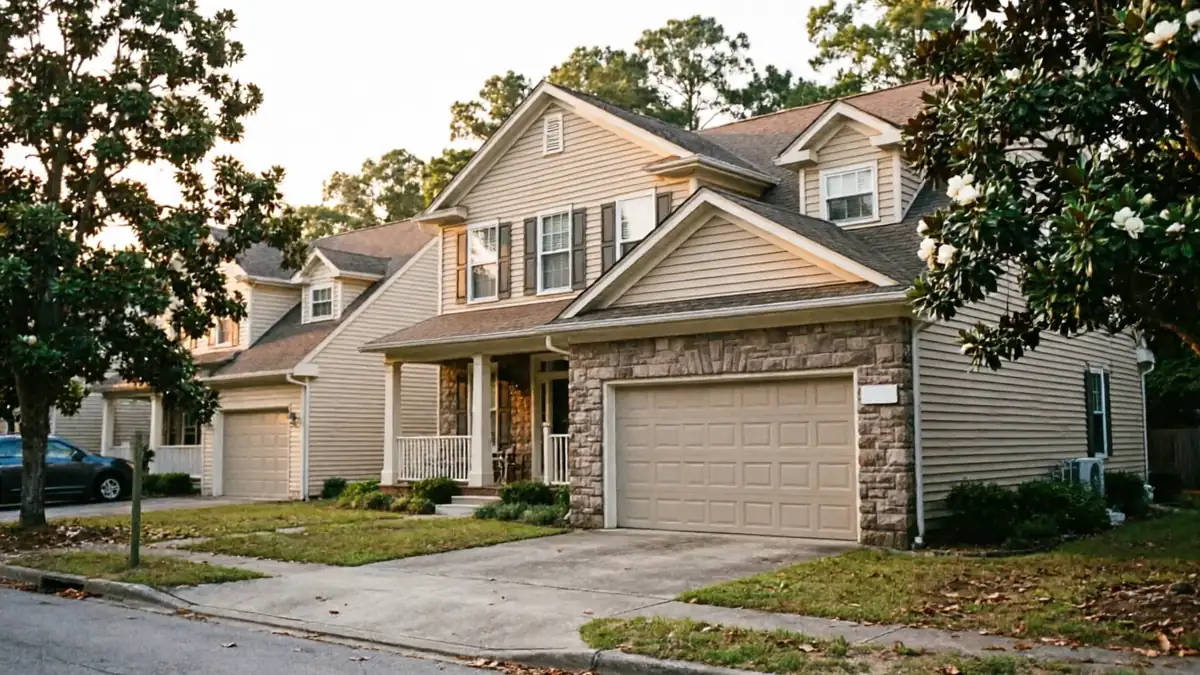
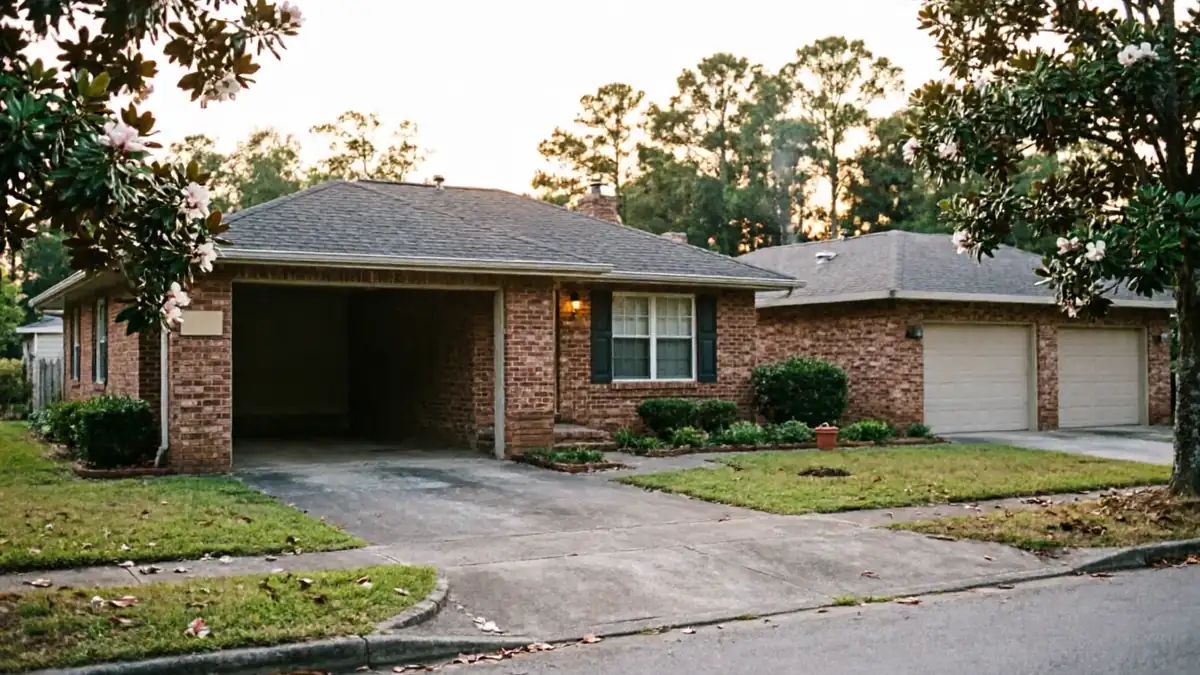
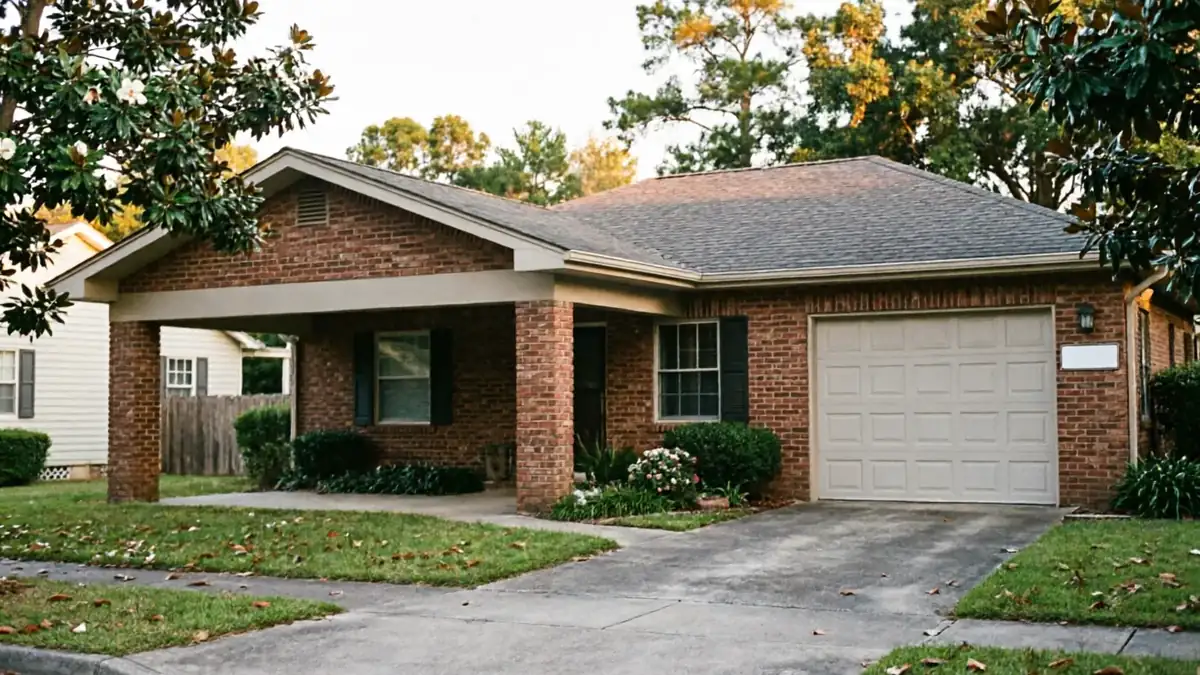
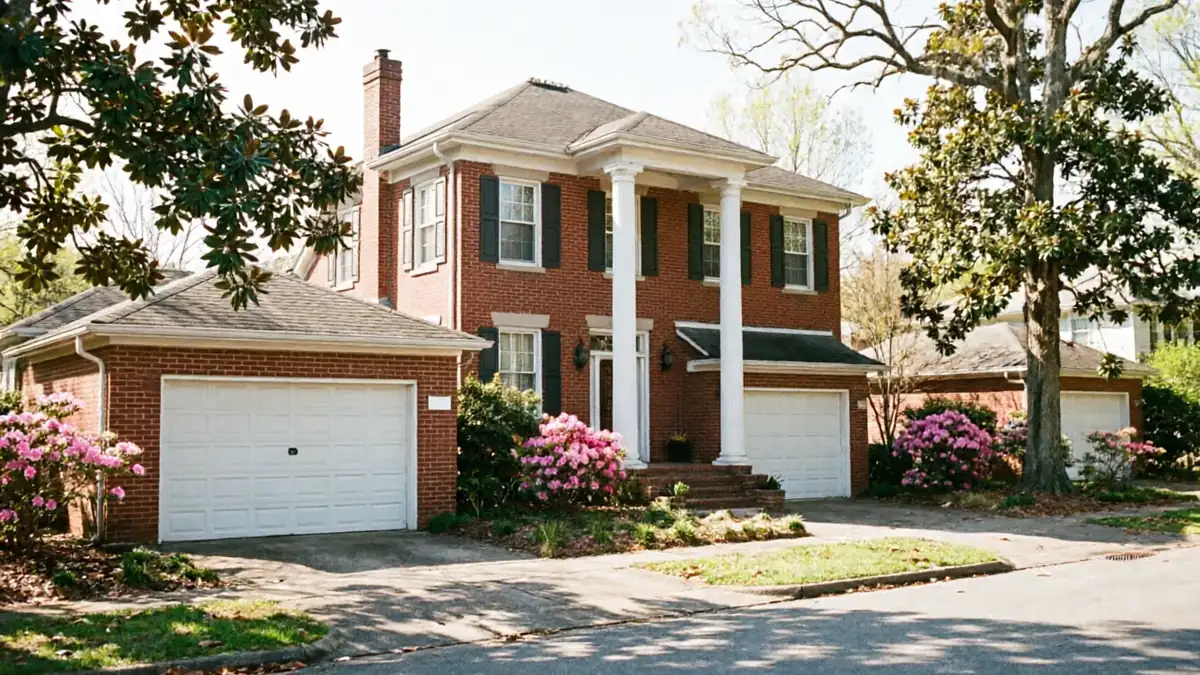
Gresham Park's housing mostly dates to around 1967, which puts it a notch earlier than a lot of the broader Stockbridge service area, where the median build year runs closer to 1974. That seven-year gap matters more than it sounds like. A house built in 1967 was framed and the garage opening sized to specs that changed more than once since then, and the original door - if it's still the original - is likely a steel or fiberglass panel door on extension or early torsion spring hardware that's been replaced piecemeal over fifty-plus years, not all at once. With roughly 3,001 households in the area and a median income of $70,101, this isn't a neighborhood of brand-new builds getting first-generation openers; it's a mix of original hardware, DIY replacements from the 80s and 90s, and a smaller number of fully modernized setups. That mix is exactly why we don't walk in assuming one standard part fits every door on the street.
How That Shows Up in the Door
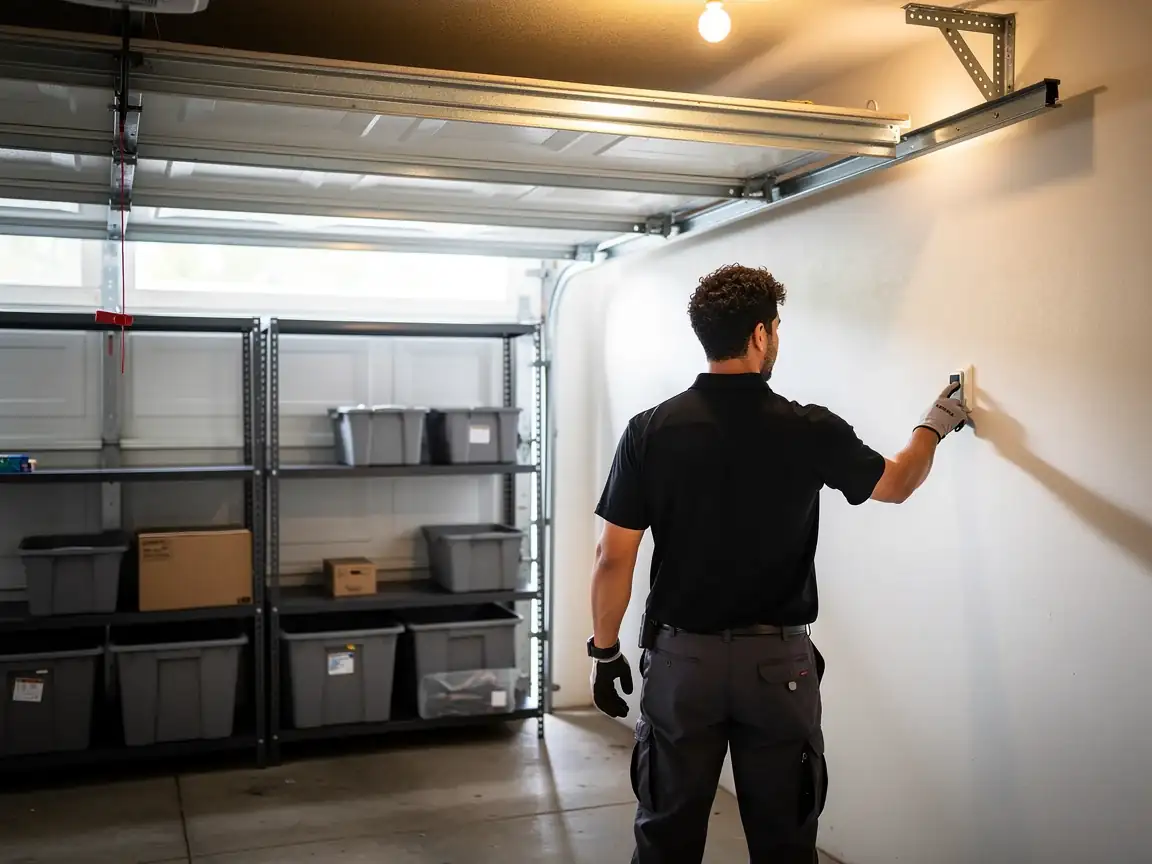
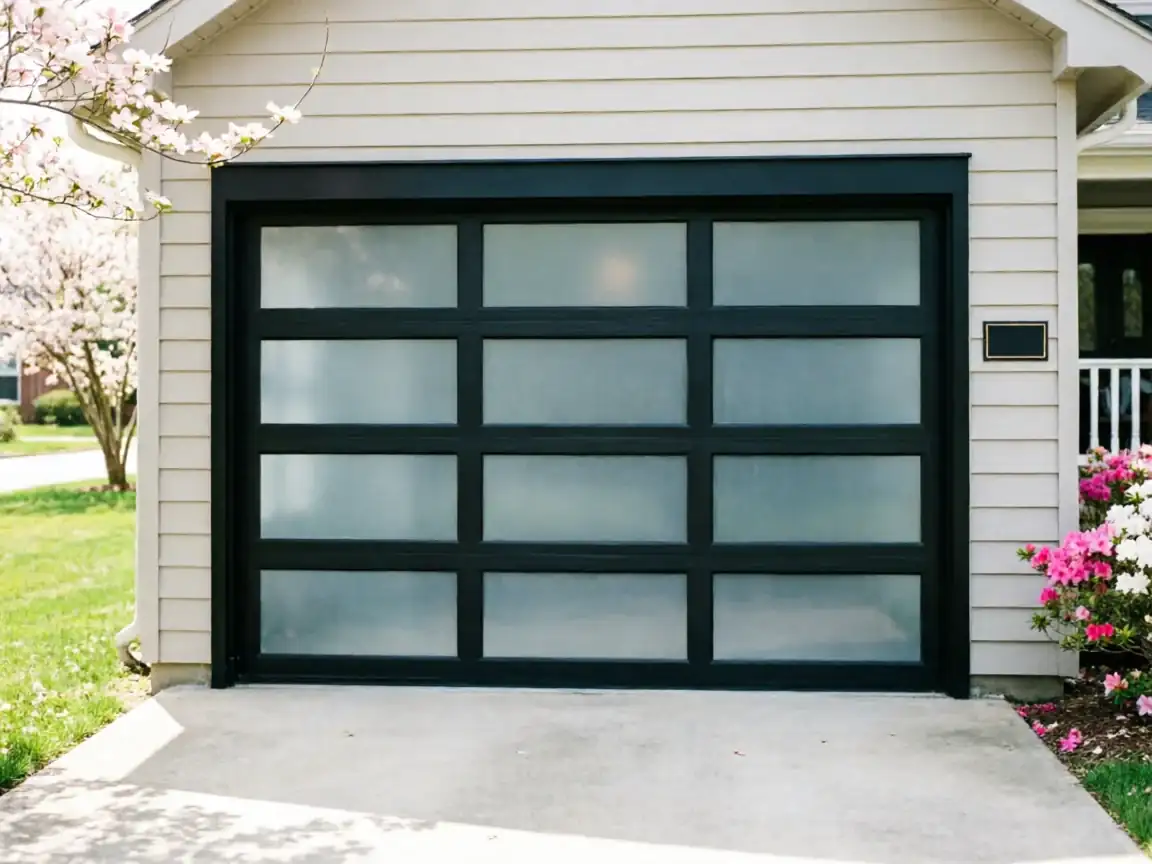
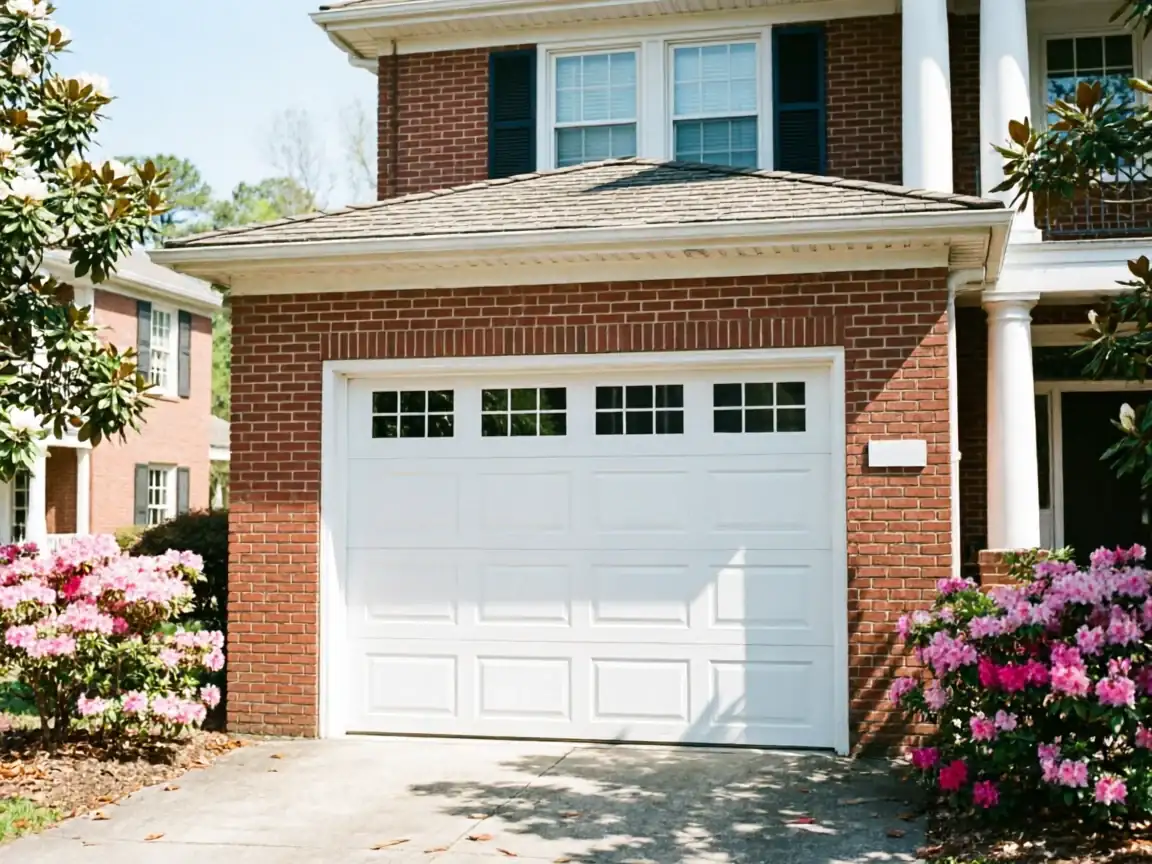
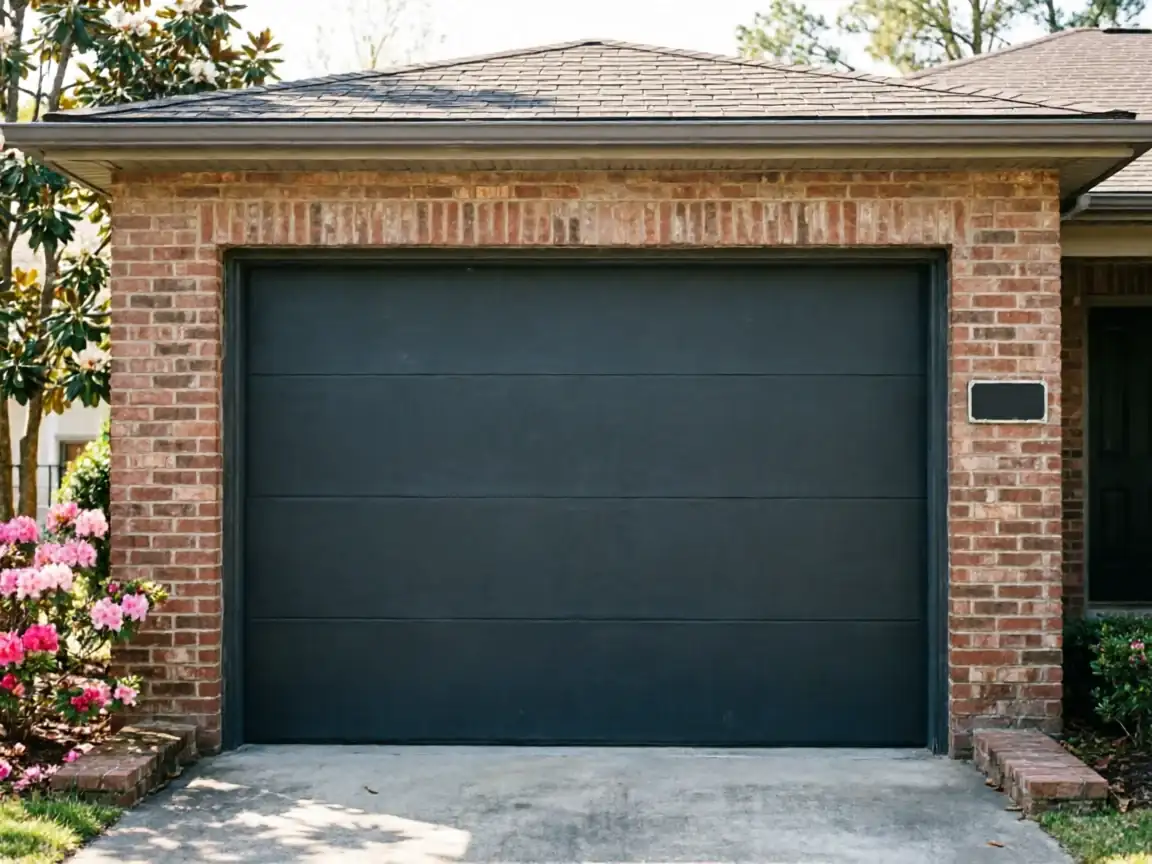
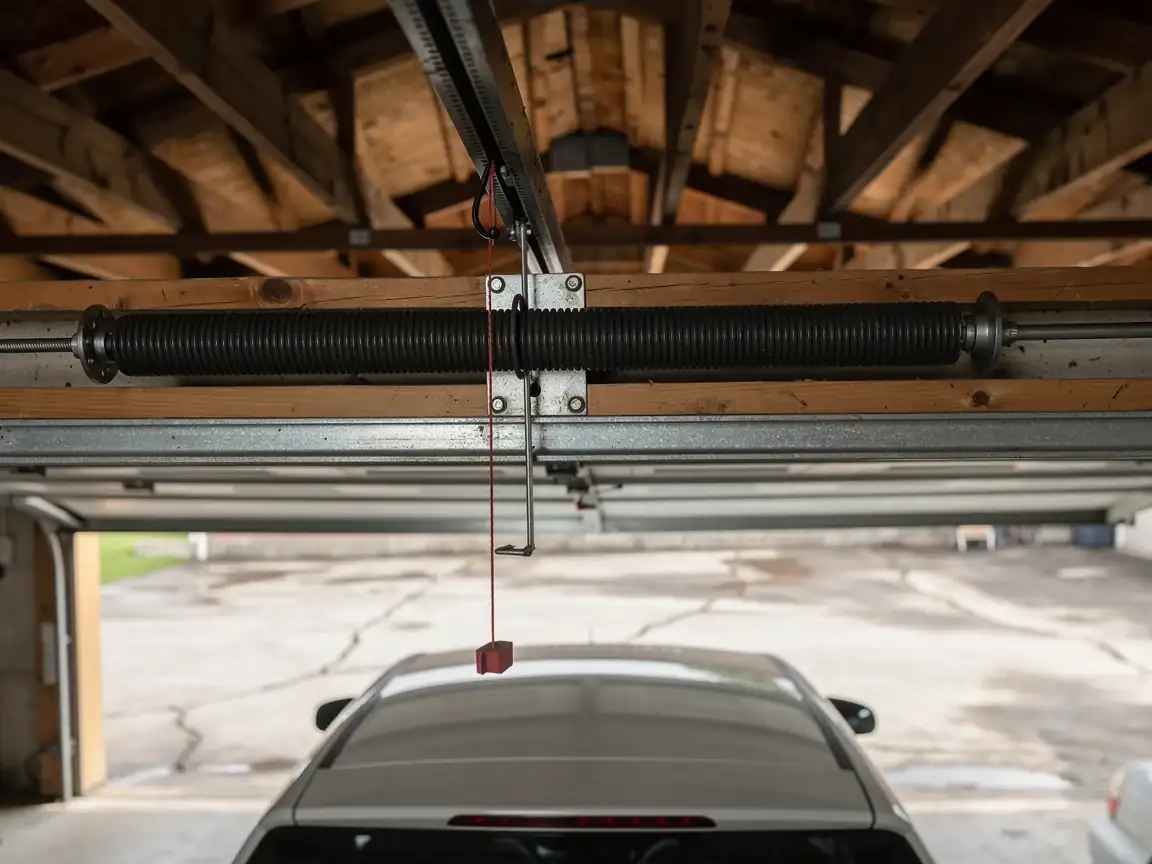
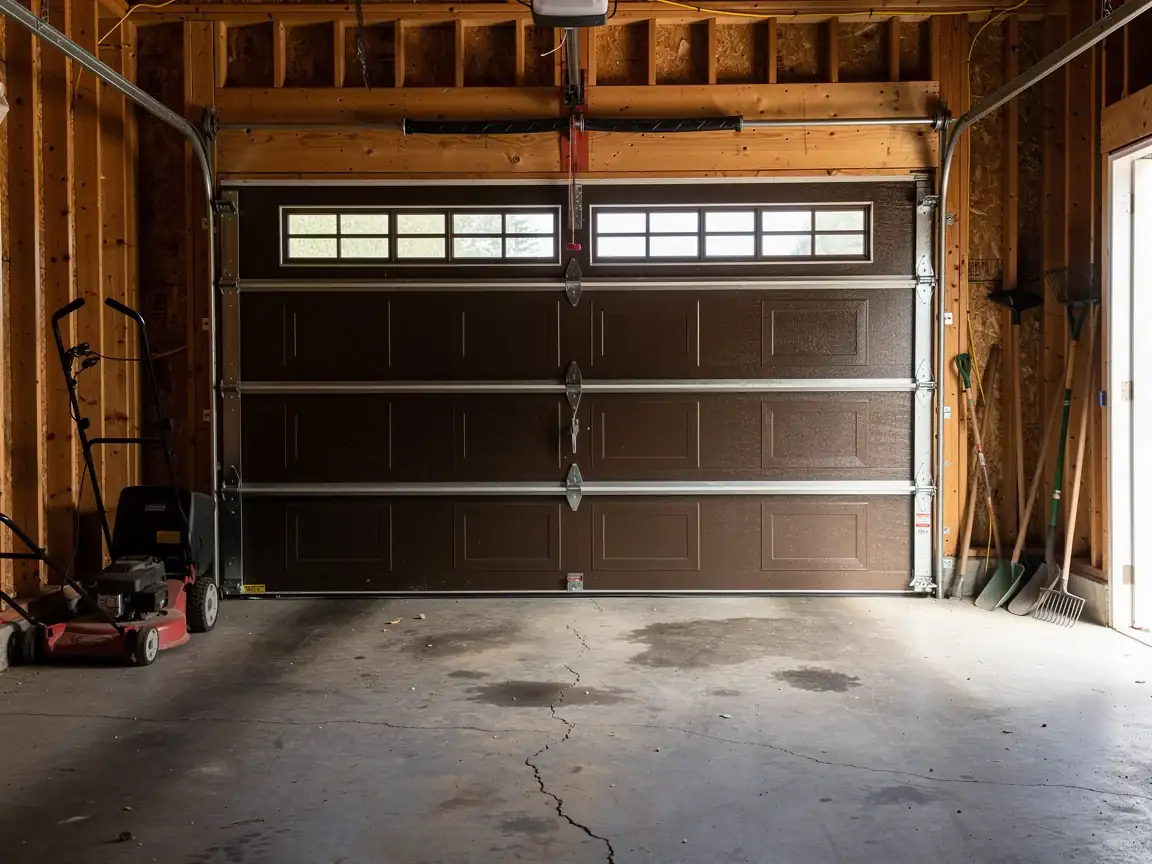
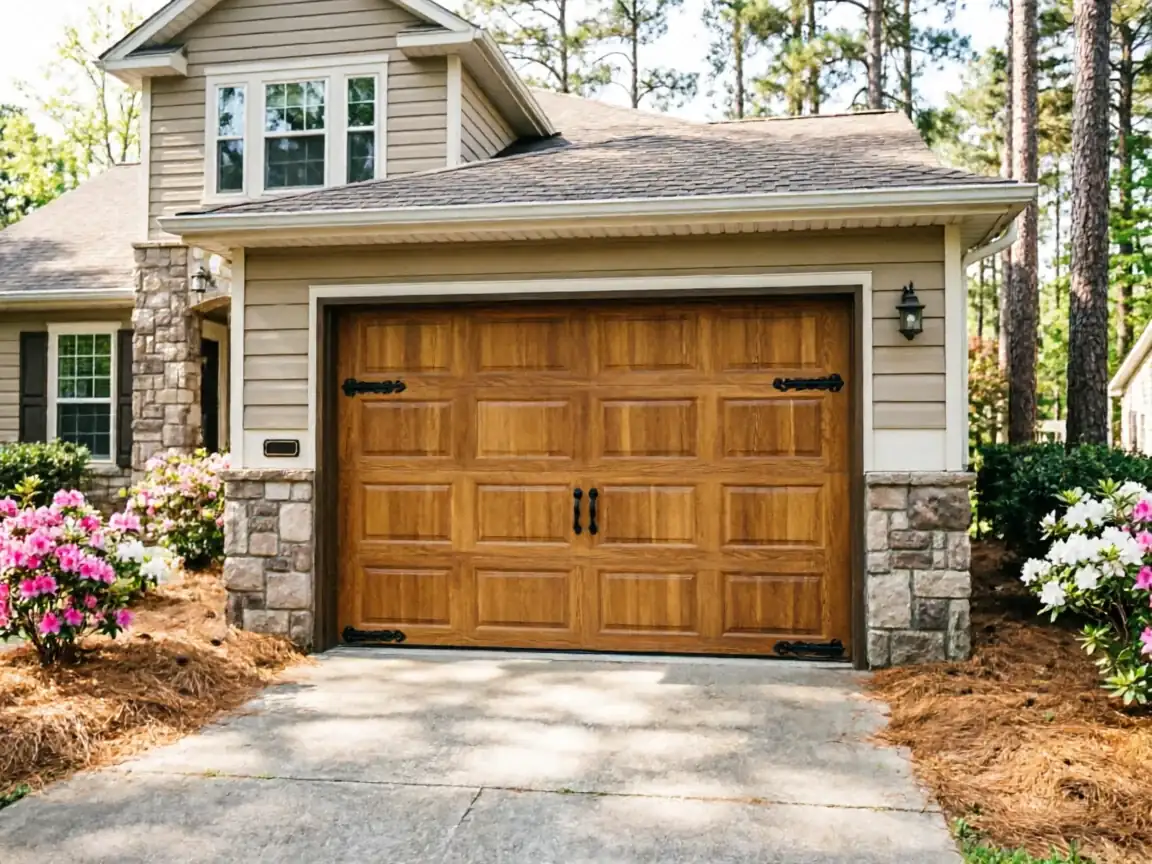
On a 1967-era house, the most common call we get isn't a dead opener - it's a torsion spring that's finally given out after decades of cycling, or a track that's been bent out of true by rollers nobody's replaced since the Carter administration. Cold-weather stress in this climate band adds to that wear; metal contracts, lubricant stiffens, and a spring that was already near the end of its life snaps on the first real cold morning. If your door is original to a house this age, we'll tell you straight when a repair makes sense and when the smarter move is a full replacement - patching a fifty-year-old track system with mismatched parts usually costs you more in callbacks than it saves. That's not a sales pitch, it's just where the math lands on hardware this old.