How to Book
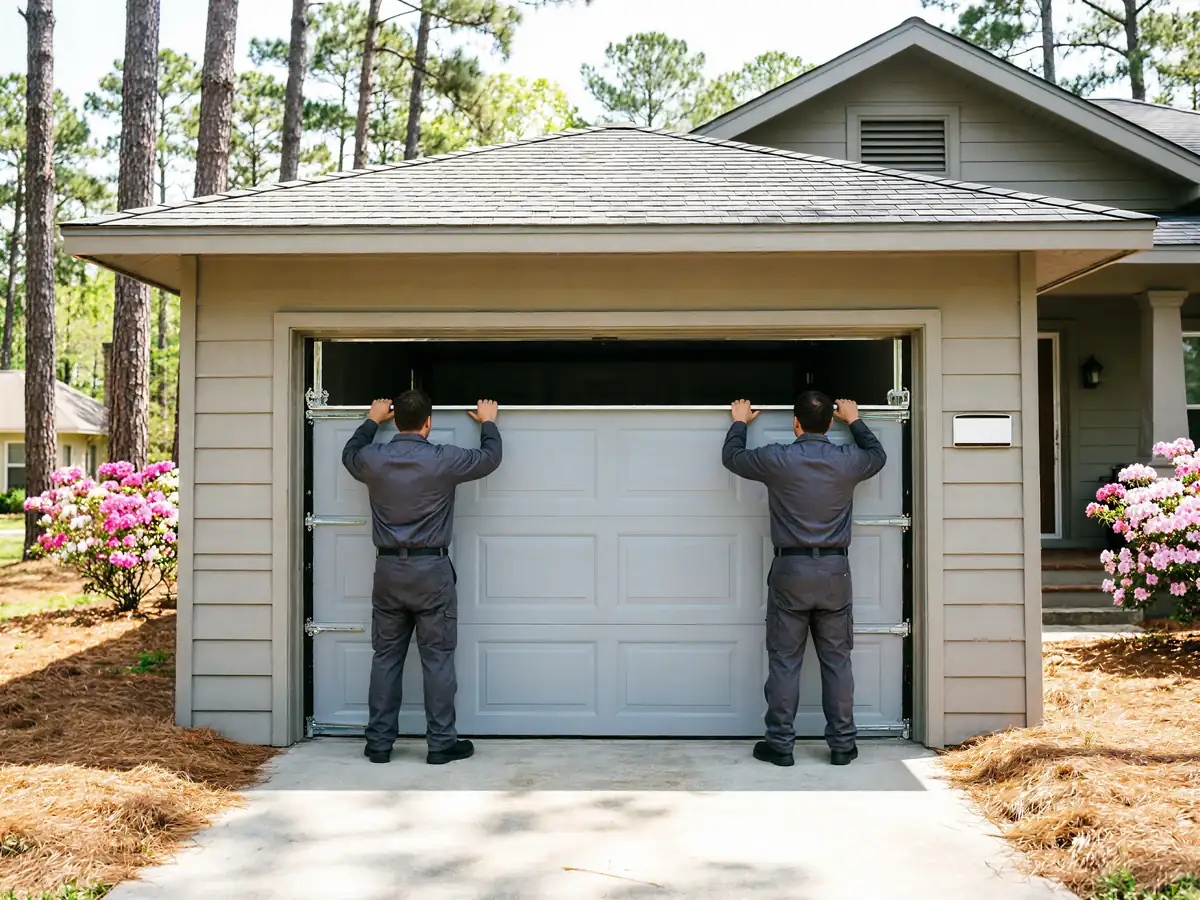
Stockbridge Garage Door Pros covers Gresham Park from our Stockbridge base, about 13 miles out. We don't run a branch office here, so when you call, we're scheduling a truck to come to you, not sending someone who's already around the corner. That's worth knowing up front because it means we ask a few questions before we roll - what the door is doing, how old the house is, whether one panel is bent or the whole section is caving. For a town built mostly in the mid-to-late 1960s, a lot of those answers come down to original steel that's thinner than what's sold today. Tell us the rough age of the house and we can usually tell you over the phone whether you're looking at a single-panel swap or something bigger. You can also check our garage door service page for Gresham Park if you're not sure panel replacement is even the right call yet. We'd rather talk it through before the truck leaves than guess wrong and waste your afternoon.
How Long You Are Without the Door
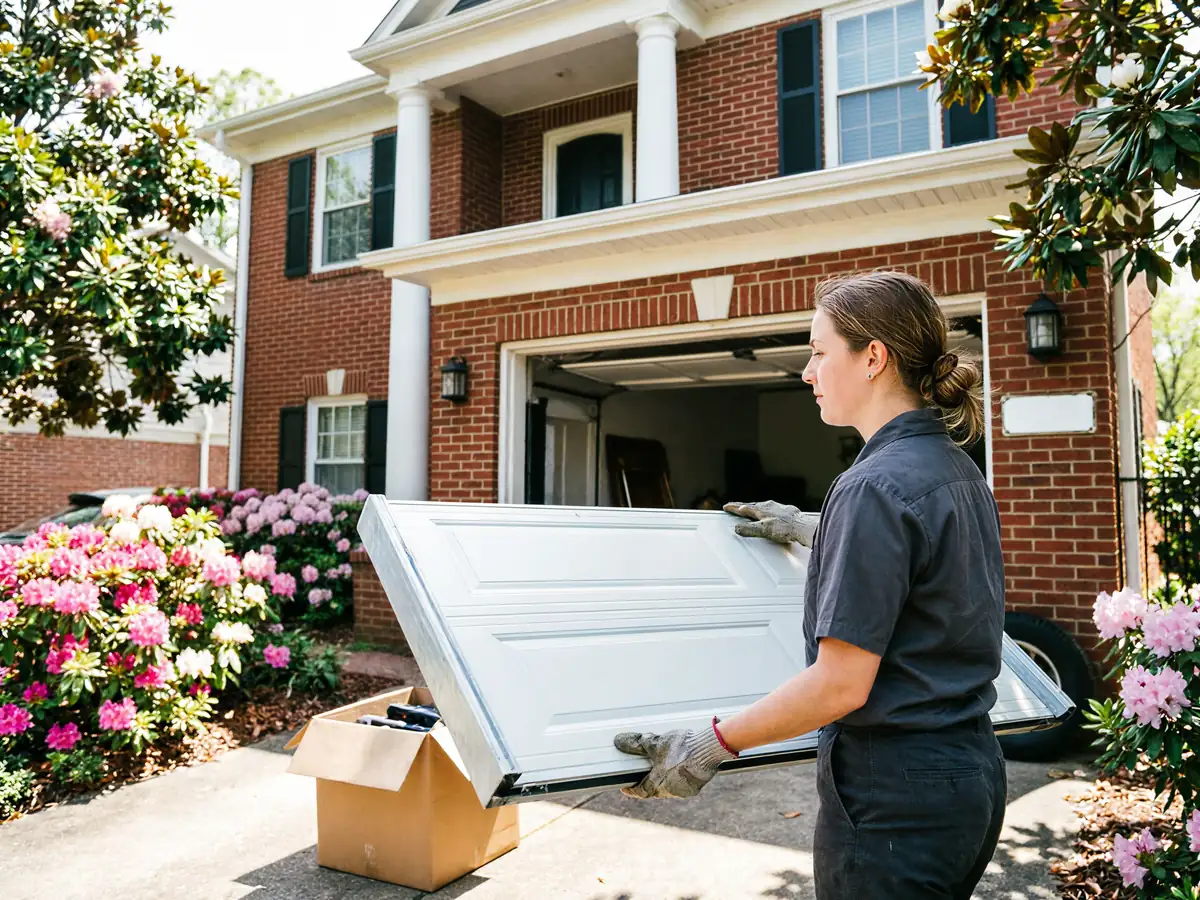
A single bent or rusted-through panel doesn't usually take the whole door out of service - if the track and springs are still sound, the door can often keep running on the remaining panels while we source a match. The harder case is houses here with the full original steel door, roughly matching the 1967 median build year for this pocket of the service area. If one panel goes, the rest of that run is close behind, and patching one section on a door that old sometimes just buys you a few months before the next one fails. We're honest about that rather than selling you a single panel twice. Matching an exact panel profile from 1967-era stock isn't always possible - manufacturers changed panel widths and seam patterns more than once since then, and we won't promise a seamless match we can't deliver.
How It Shows Up
The first sign is usually cosmetic - a dimple or a soft spot low on the door where something hit it, or a rust bloom spreading along a seam that was fine last year. On a door built to late-1960s panel widths, that soft spot can turn into a crease fast, because the steel doesn't flex back the way newer, better-ribbed panels do. You'll also see it in the way the door tracks: a warped panel pulls slightly out of square, so the door starts binding on one side or the rollers wear unevenly. If you're hearing a scrape on one side only, or the door looks faintly bowed when it's down, that's a panel problem showing up before it becomes a full door replacement. Catching it at the dimple stage is cheaper than waiting for the crease.
Parts We Carry
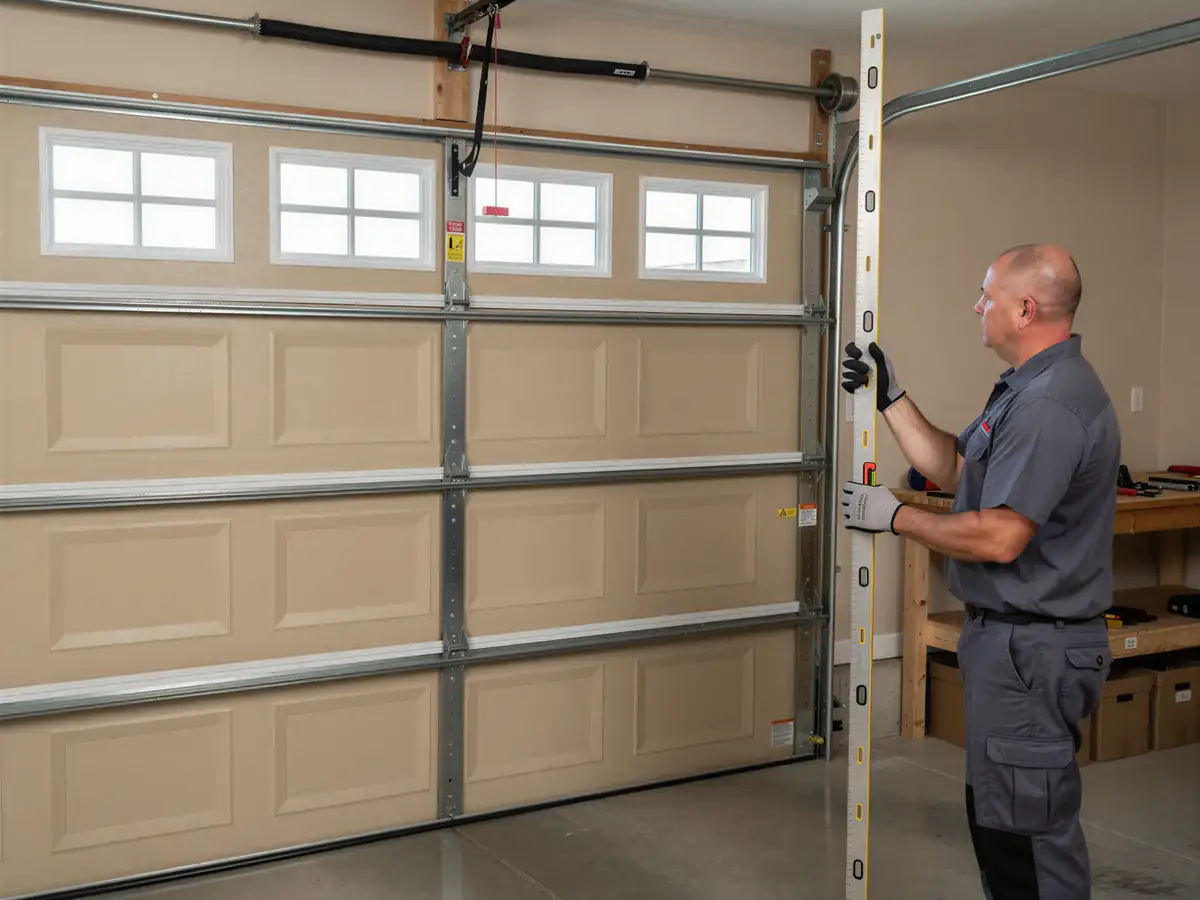
We stock common steel panel sections in the widths that match the bulk of 1960s-70s doors across this service area, since that's what most calls out here turn out to need. What we can't promise is an exact cosmetic match for every house - panel embossing patterns and color coats changed enough over the decades that a 1967-built door might need a full-section repaint to blend, even with the right-size panel. We'll tell you that before we start, not after. For doors where the panel profile is obsolete or the track hardware is too far gone to justify patching, we'll say so plainly rather than forcing a repair onto a door that's past it - that's usually the point where full replacement is the honest number, and it's covered on our Stockbridge panel replacement page if you want the broader comparison.