The Situation
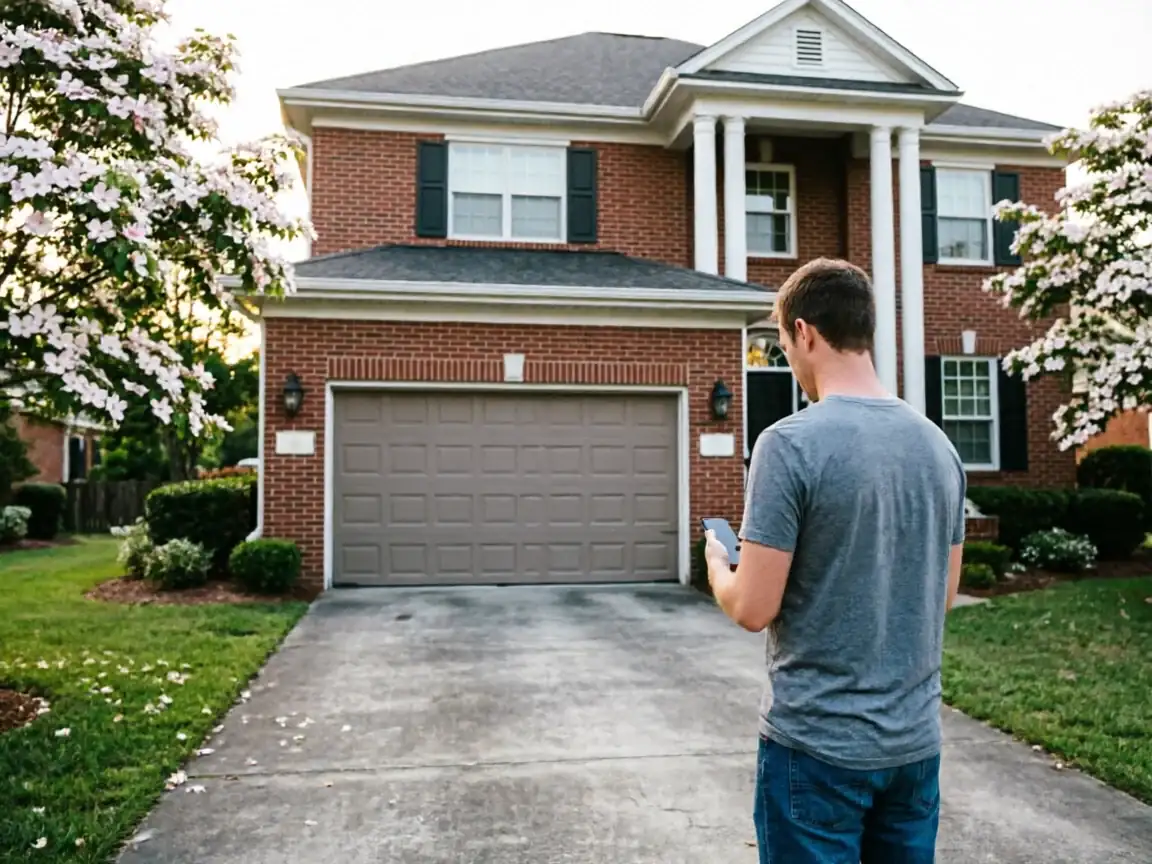
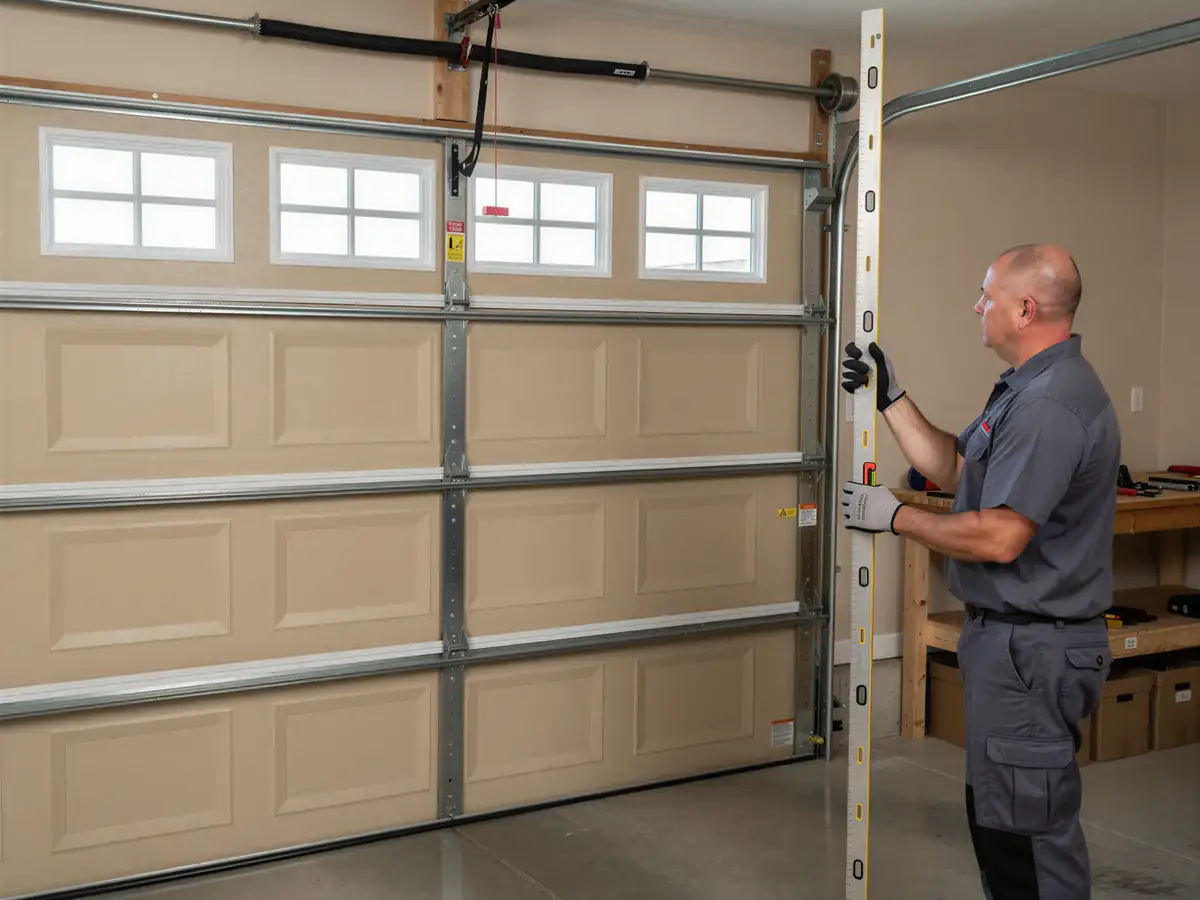
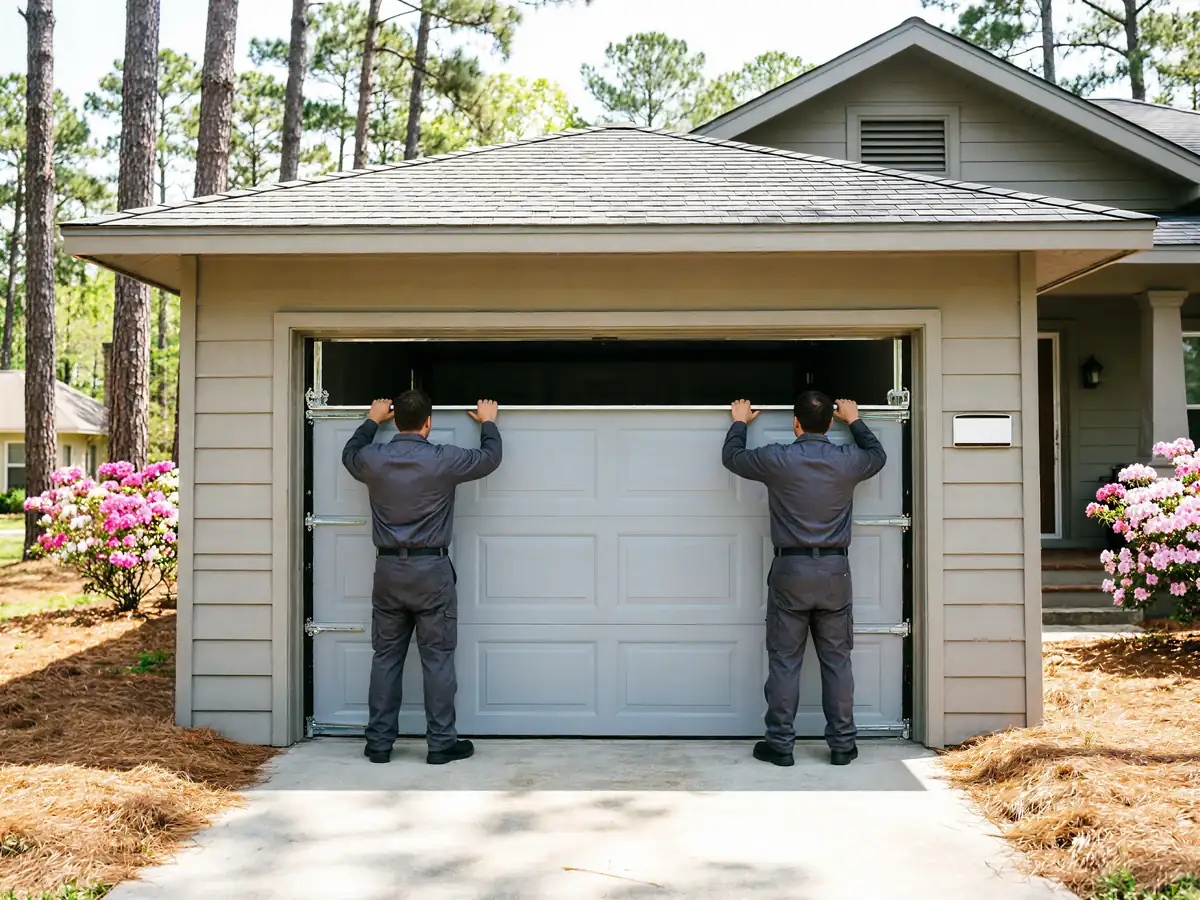
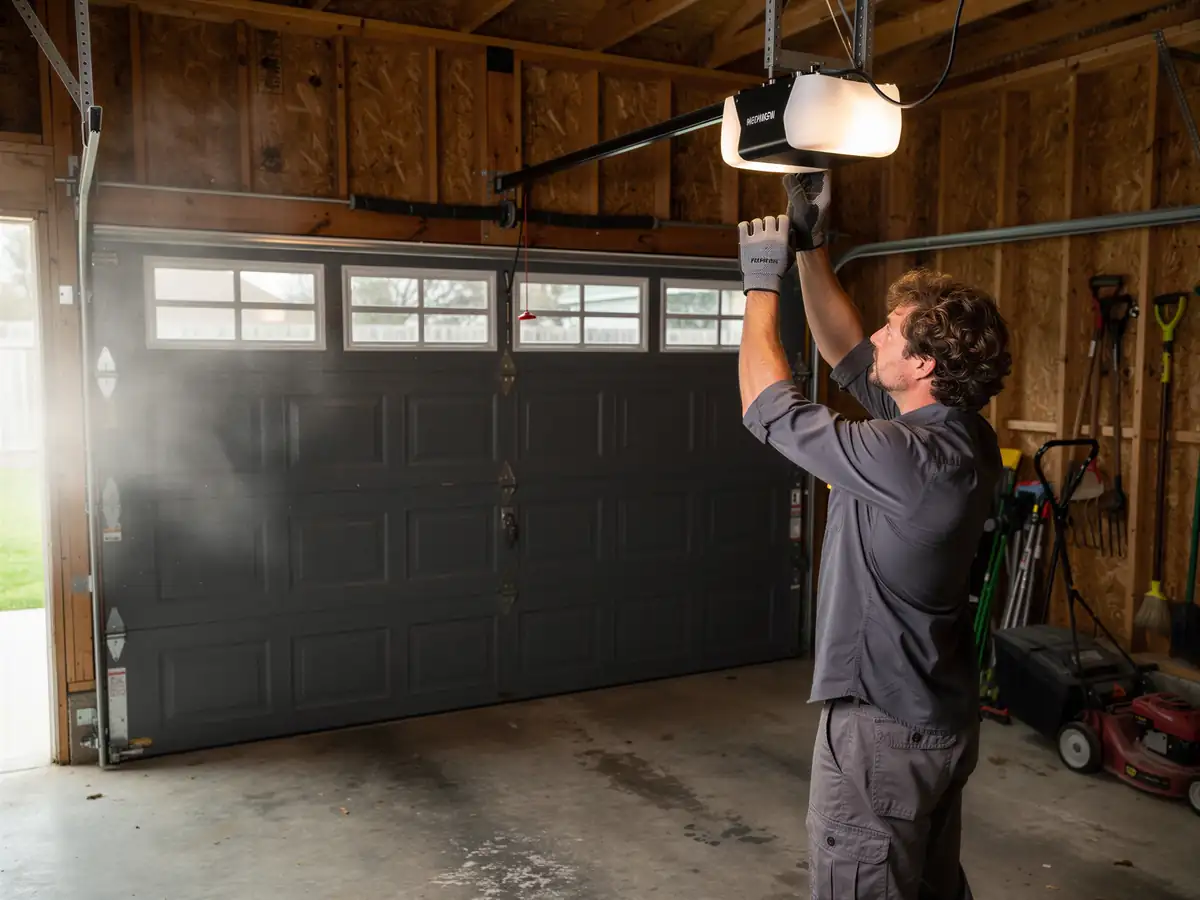
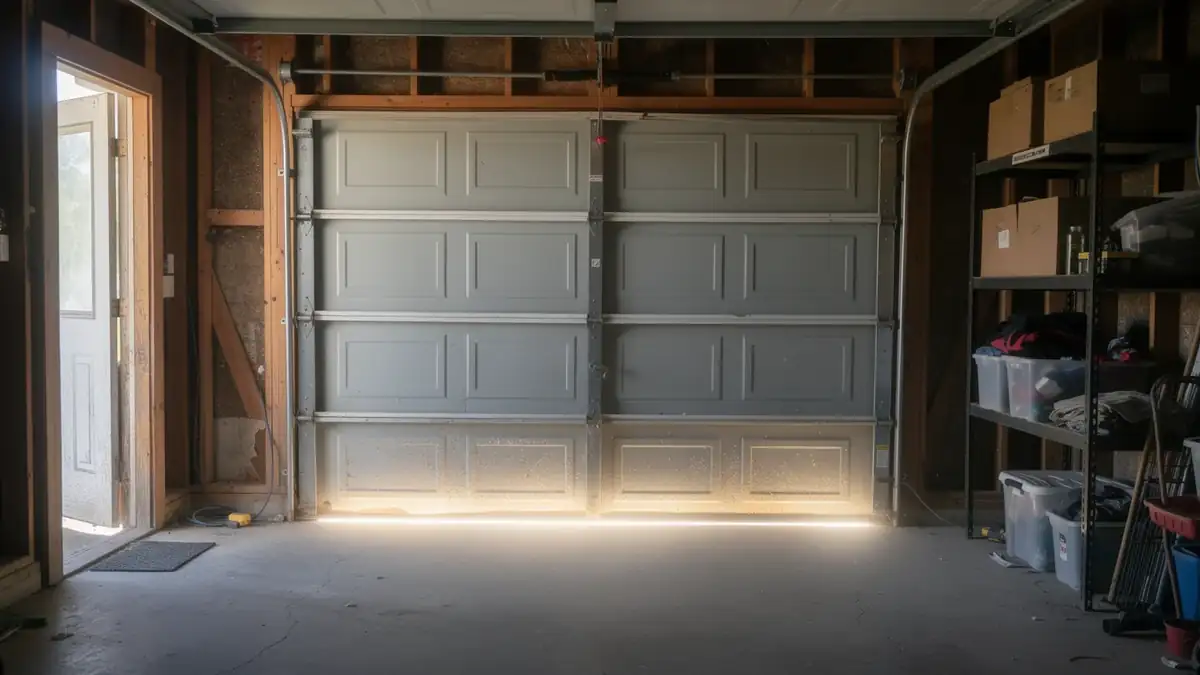
Housing in this service area was built mostly between 1938 and 2007, with the median landing around 1974 and the bulk of the stock dating to the 1960s and 70s across the 29 named communities we work in. That means a large share of garage doors still on these houses are either the original door or a direct one-for-one replacement installed decades ago, before anyone wrote a code requiring insulated panels on an attached garage. A door from that era is usually a single layer of steel or wood, no foam, no thermal break at the track. It opened and closed fine for fifty years, which is exactly why nobody's replaced it. The hardware tells the same story: older torsion springs sized for a lighter, uninsulated door, and openers bolted onto brackets that were never built for the heavier retrofit panels some owners add later without re-checking the spring weight rating. None of this is a defect. It's just a door built to a standard that no longer applies, sitting on a house that's older than the current energy code by a wide margin.
What Most People Get Wrong
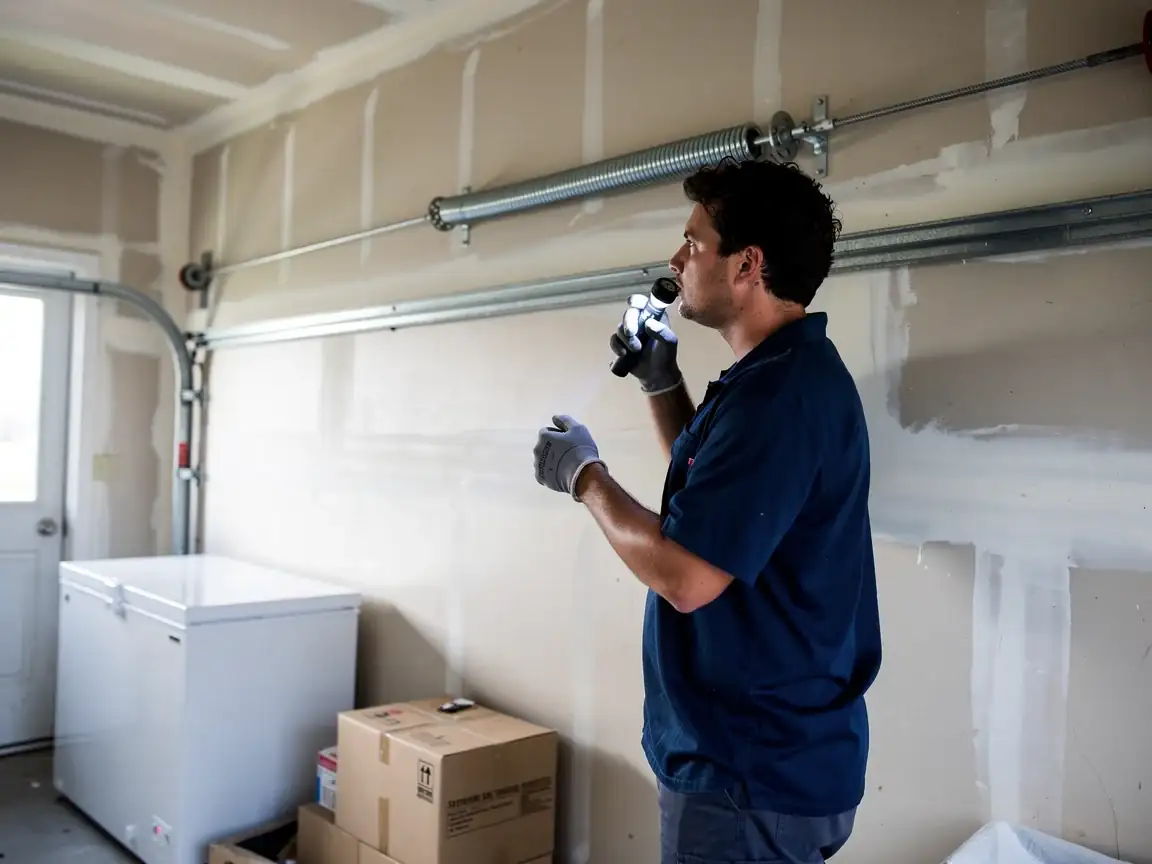
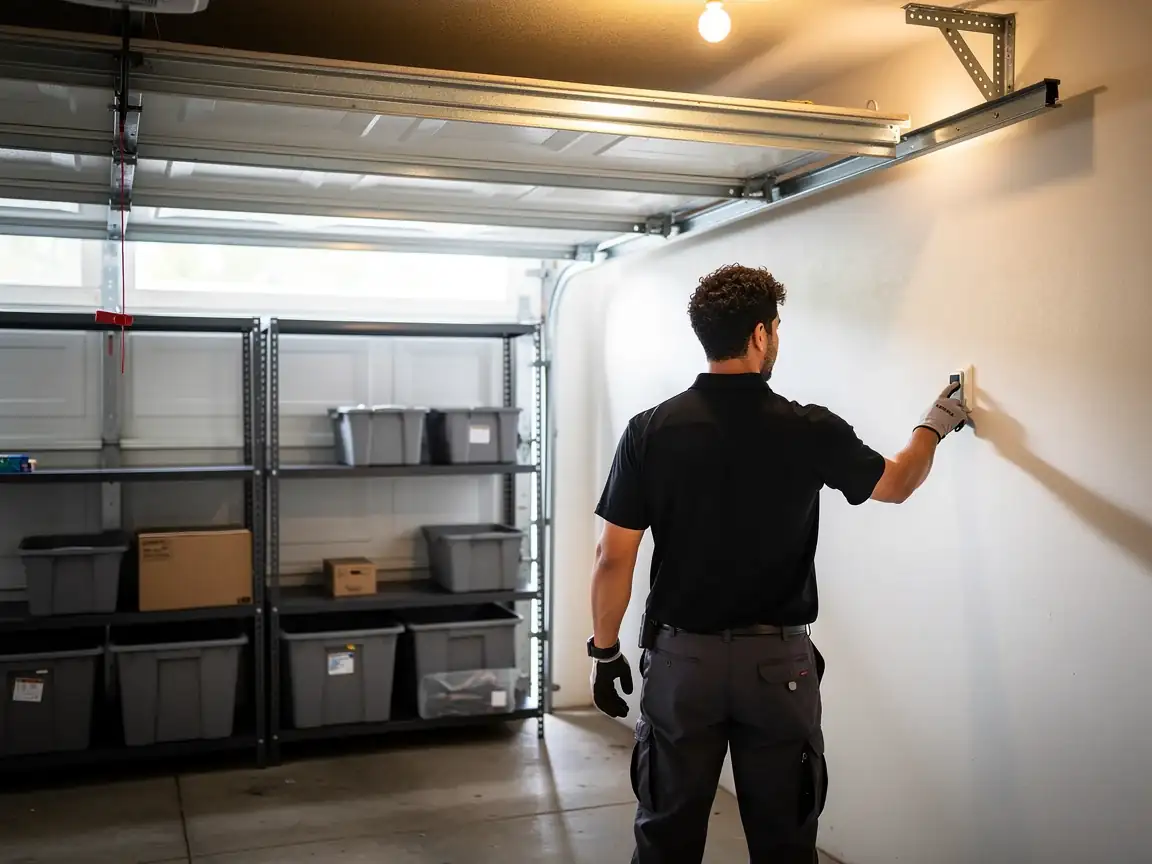
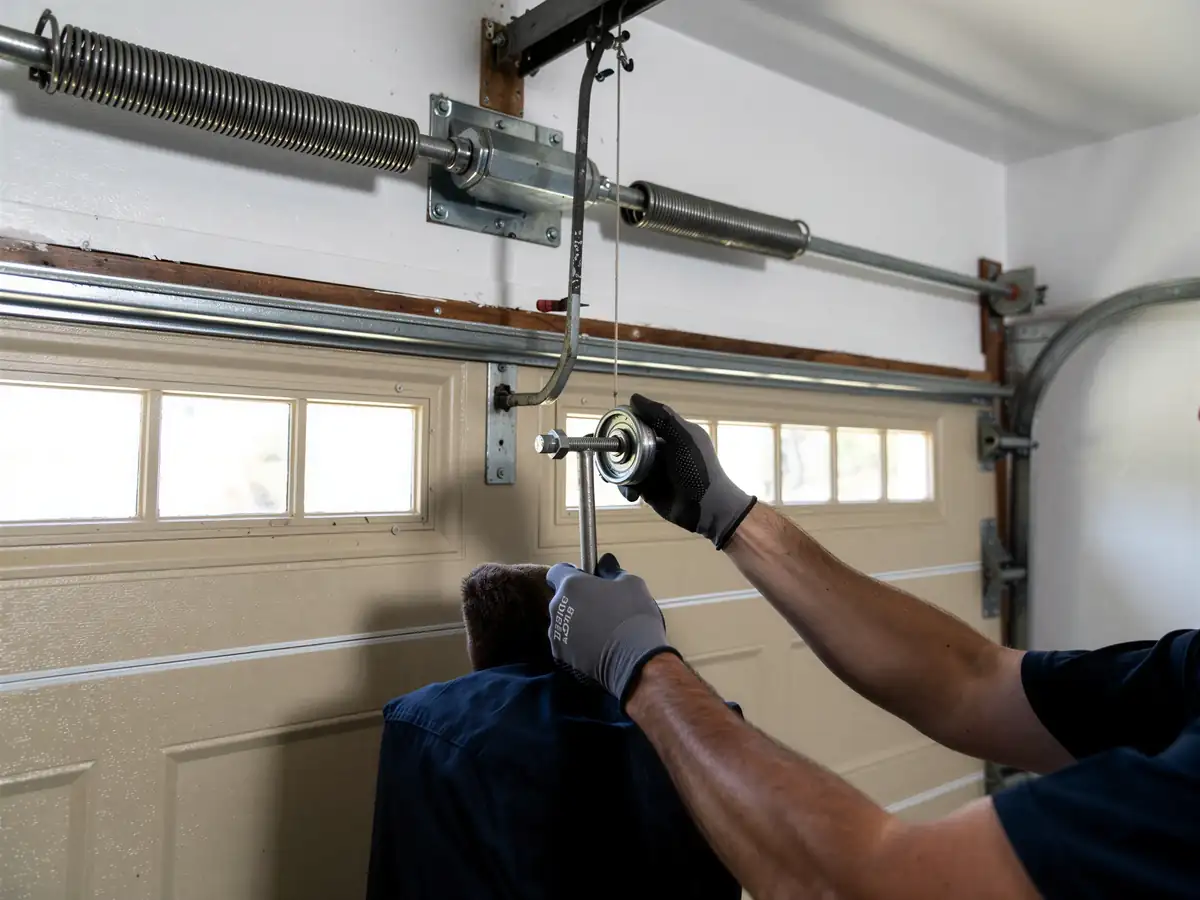
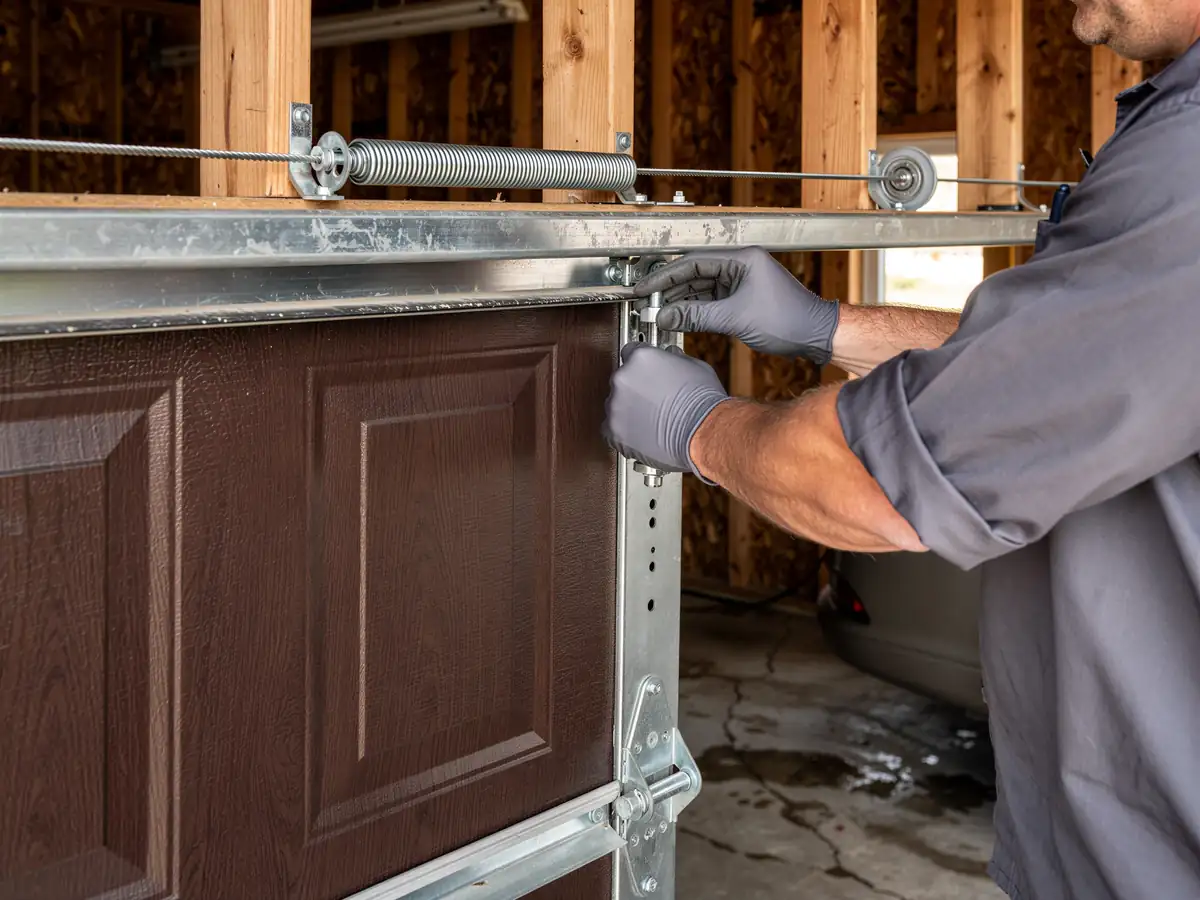
The common mistake is treating an old uninsulated door as a cosmetic problem - it looks fine, it still closes, so it must be fine. The door itself might be. The issue is usually what's attached to it. A single-skin steel panel from the 1960s or 70s flexes more in temperature swings than an insulated door, and that flex works the hinges, rollers, and track alignment harder over the years. People replace the opener two or three times before they ever touch the door or springs that are driving the wear. Another mistake: assuming a newer opener fixes an old door's problems. It doesn't. A modern opener forcing a 50-year-old door through its cycle is often what finally snaps a spring that was already fatigued. If your house falls in that 1960s-70s band that's common across this area, the door and the opener need to be evaluated as one system, not two separate purchases made years apart.
What the Weather Here Does to It
This area sits in a moderate cold climate band - real winter, but not extreme. That's enough to matter on an uninsulated door. Steel contracts in cold mornings and expands again by afternoon, and a single-layer panel from the pre-insulation era does that movement with nothing to buffer it. Over enough winters, that cycle loosens panel seams and works the weatherstrip at the bottom until it stops sealing. You'll notice it as a draft along the garage floor or a door that feels stiffer to lift on the coldest mornings, because the steel itself has contracted slightly against the track. It's not dangerous, but it is the kind of wear that's specific to houses of this age holding onto doors built before anyone accounted for that temperature swing in the panel design. An insulated replacement handles that cycling with far less stress on the seams and the hardware behind them.