How It Shows Up
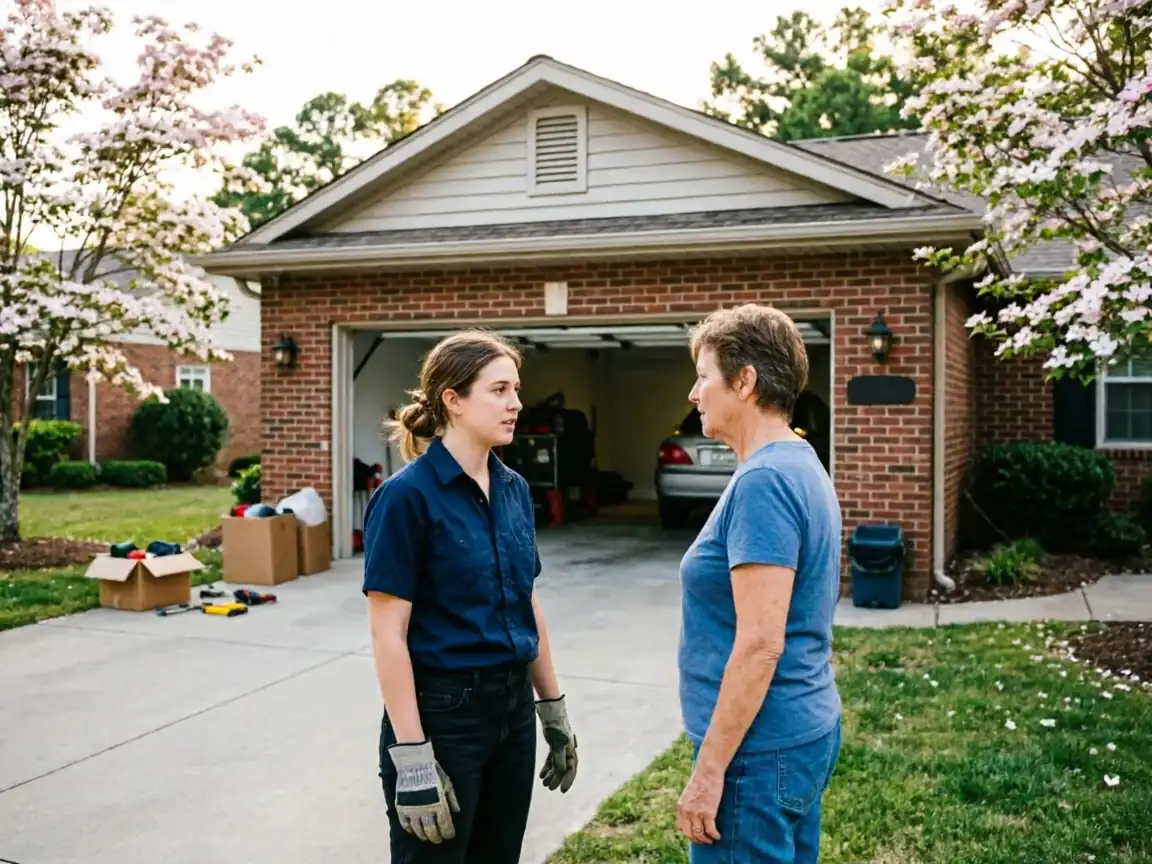
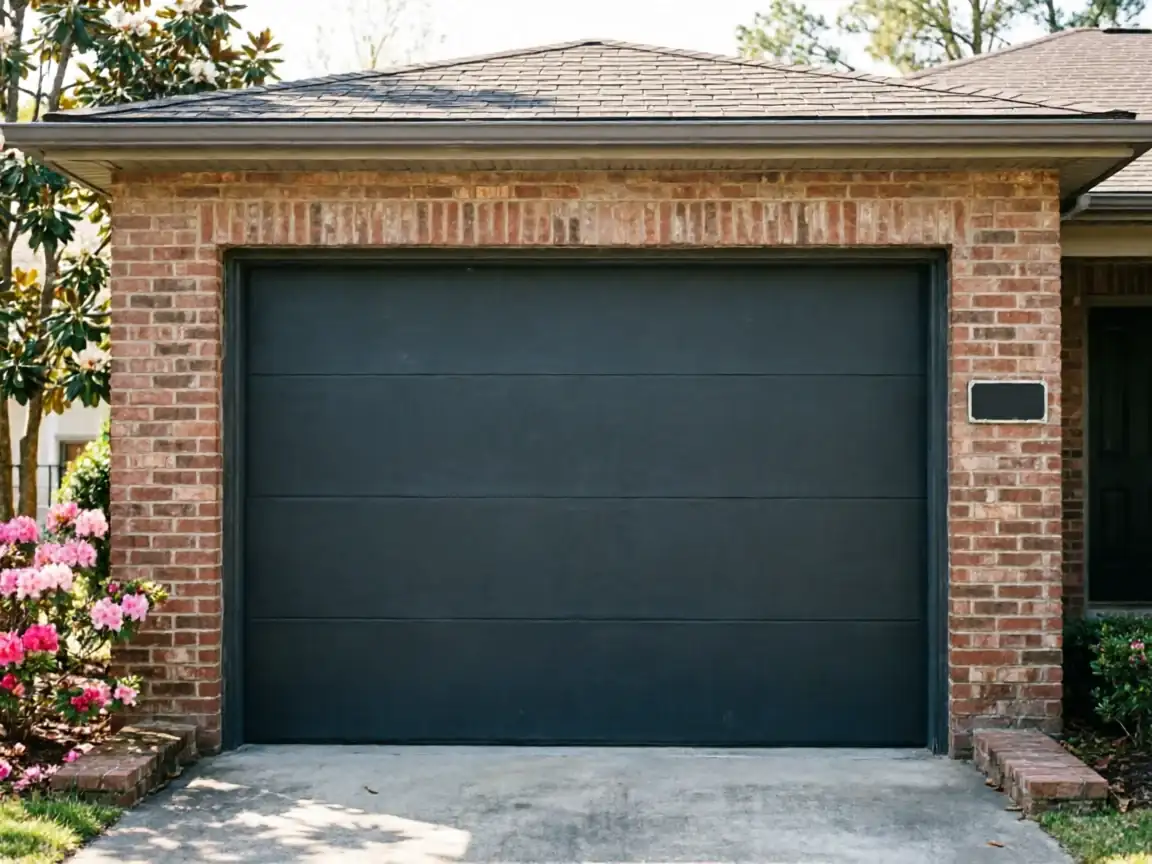
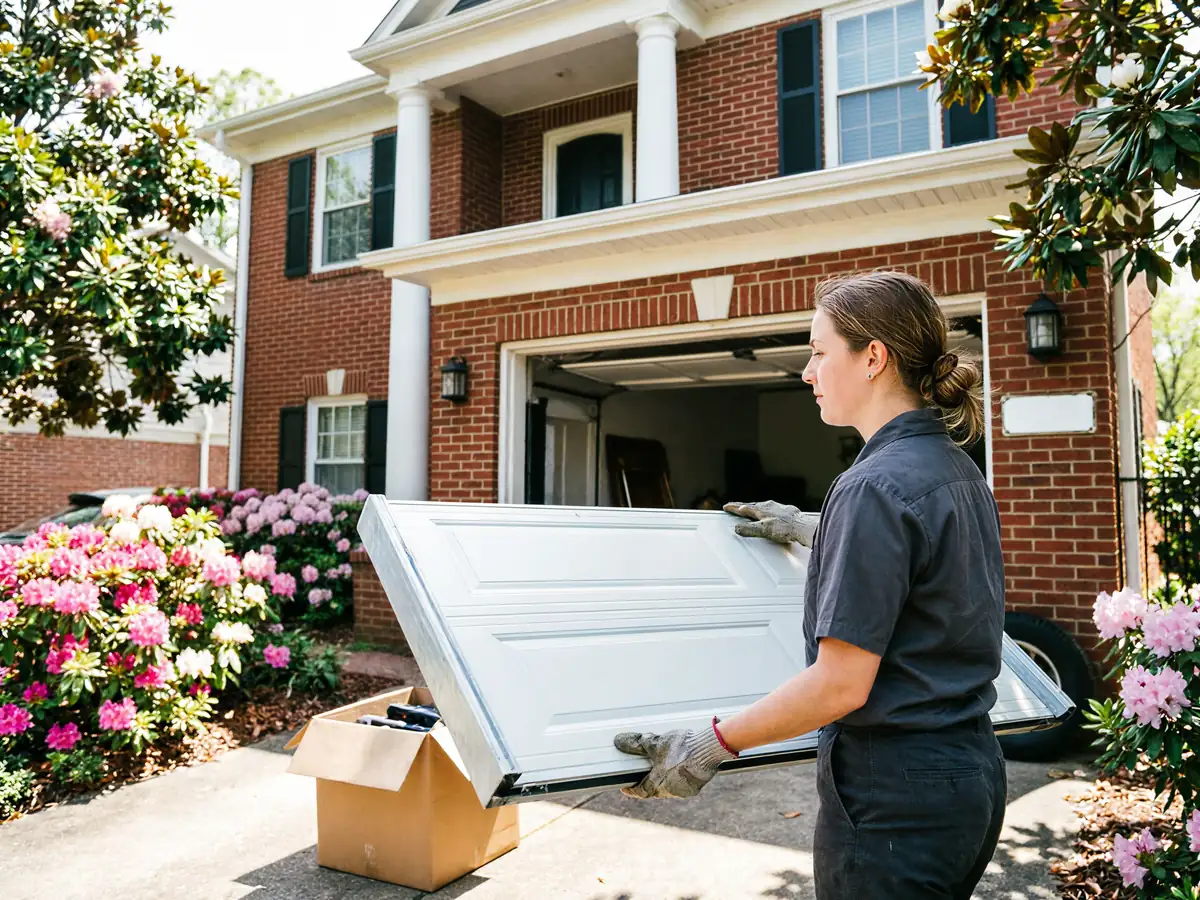
Most calls we get for a new door start the same way: the old one still closes, technically, but it's loud, it's heavy to lift by hand when the opener hiccups, and the panels have started to bow or rust at the bottom corners. In this part of Georgia, houses run from 1938 up through 2007, with the bulk of the stock dating to the 1960s and '70s. A door installed when that house was built has had 50-plus years to take on moisture, shift on its track, and outlive the hardware it was hung with. Homeowners usually aren't shopping for a new door because they want one - they're shopping because the current one is costing more to keep alive than it's worth. We see the same pattern across the older sections near Morrow and Jonesboro: single-layer steel doors with no insulation, original rollers, and openers that were never sized for the door's actual weight. By the time someone calls us, the door is usually failing, not just squeaking.
What the Fix Involves
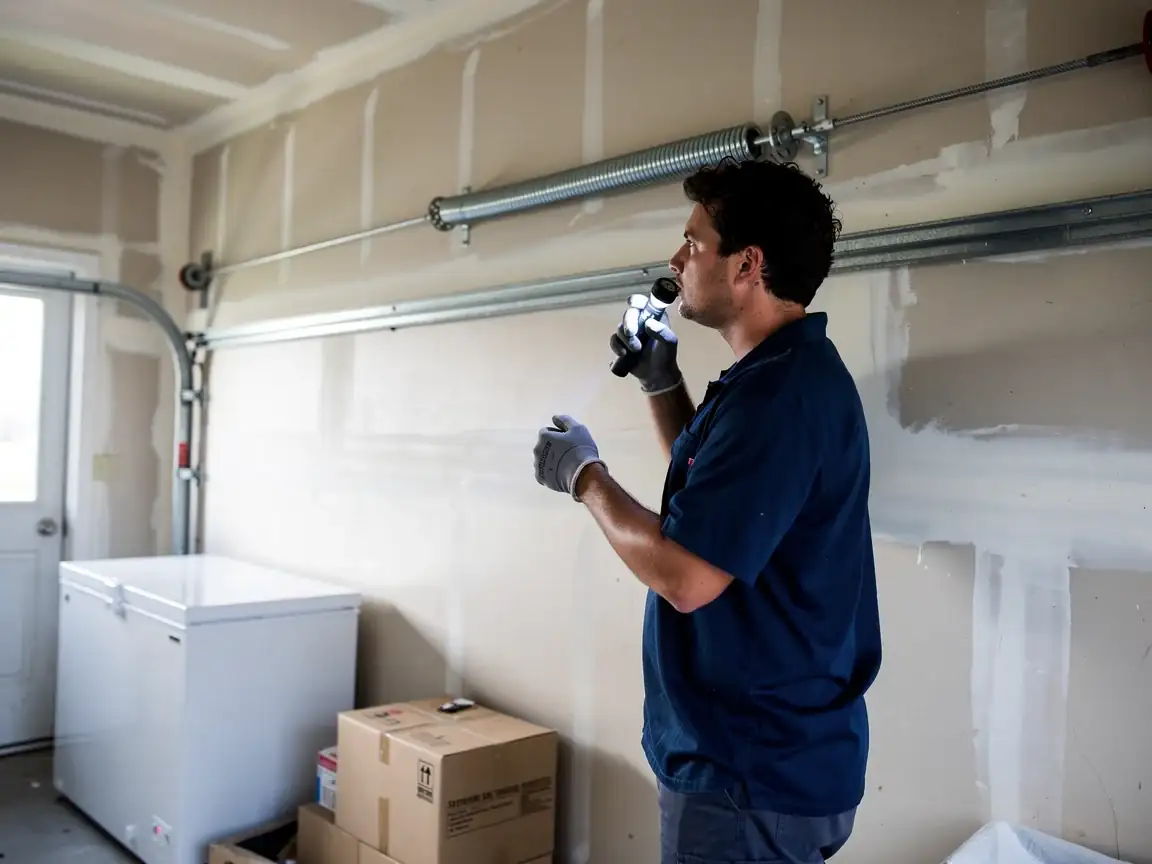
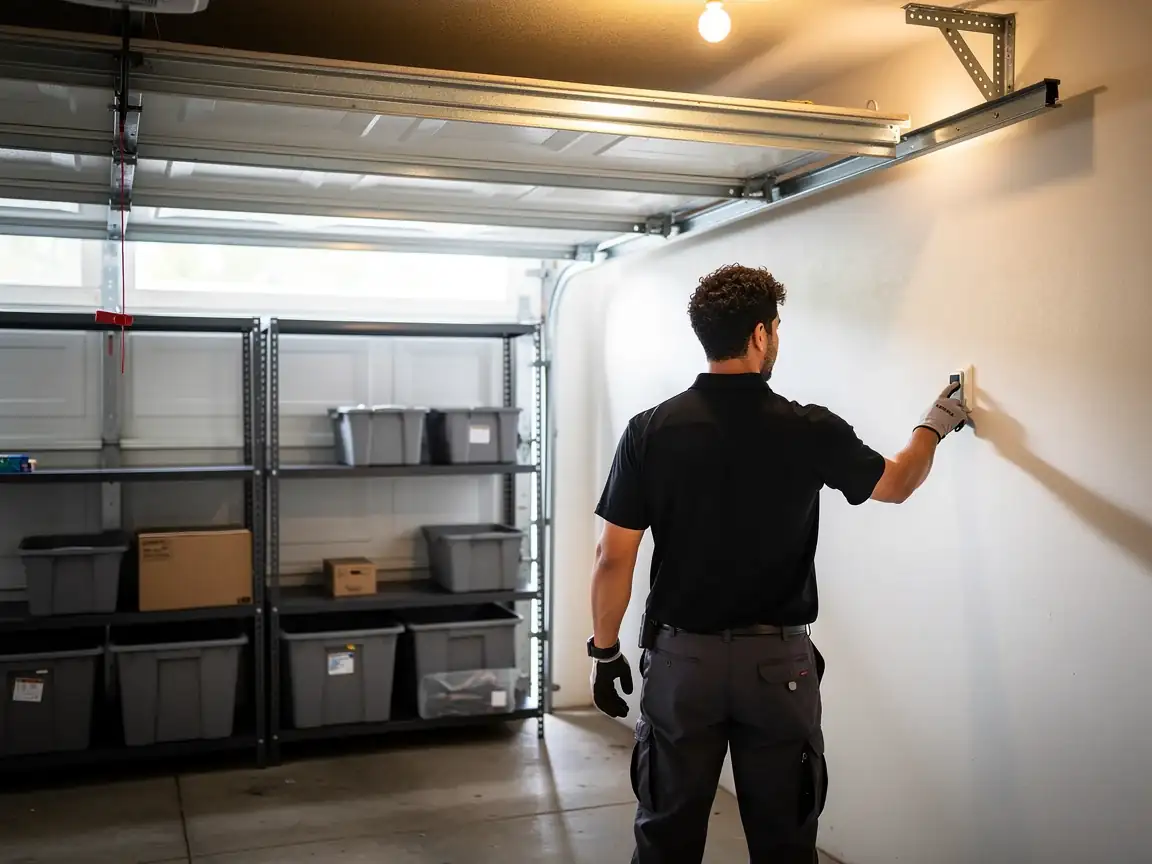
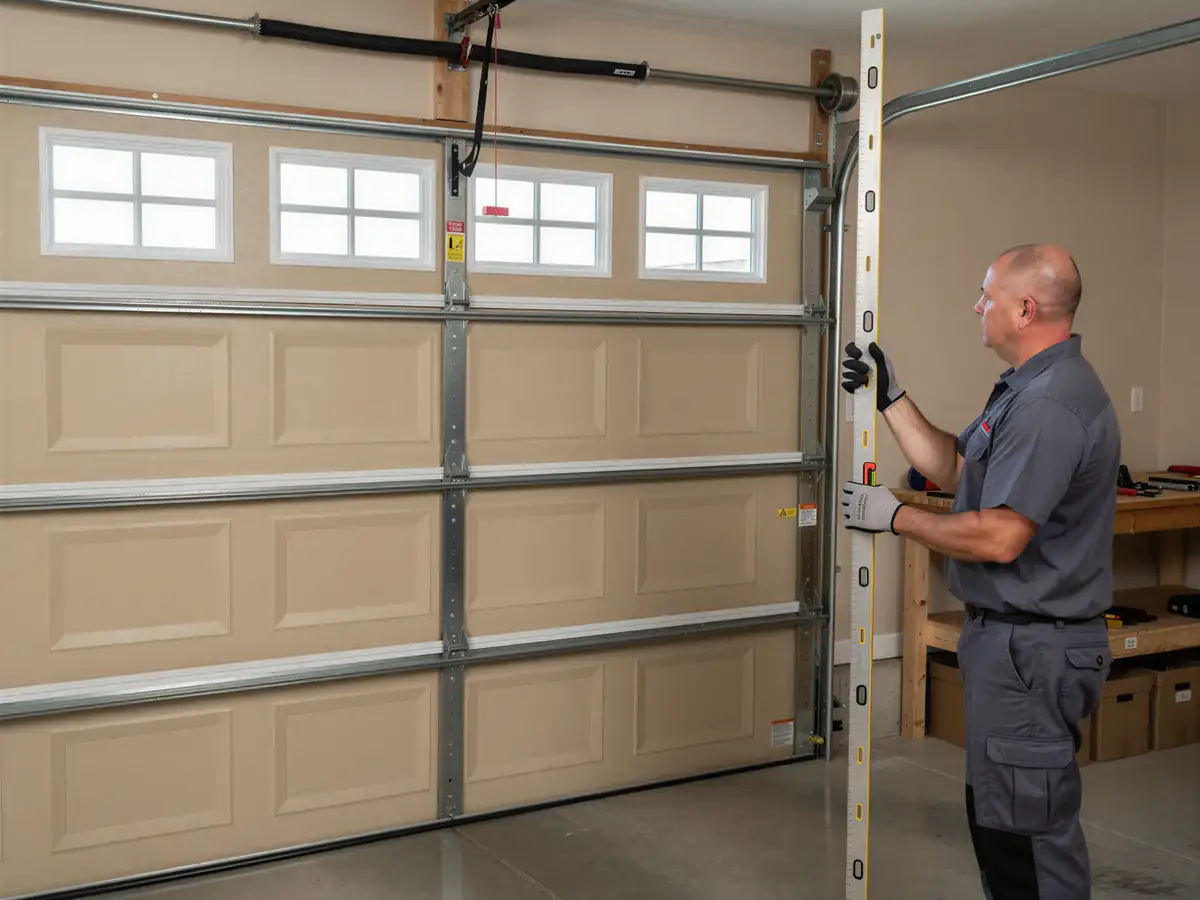
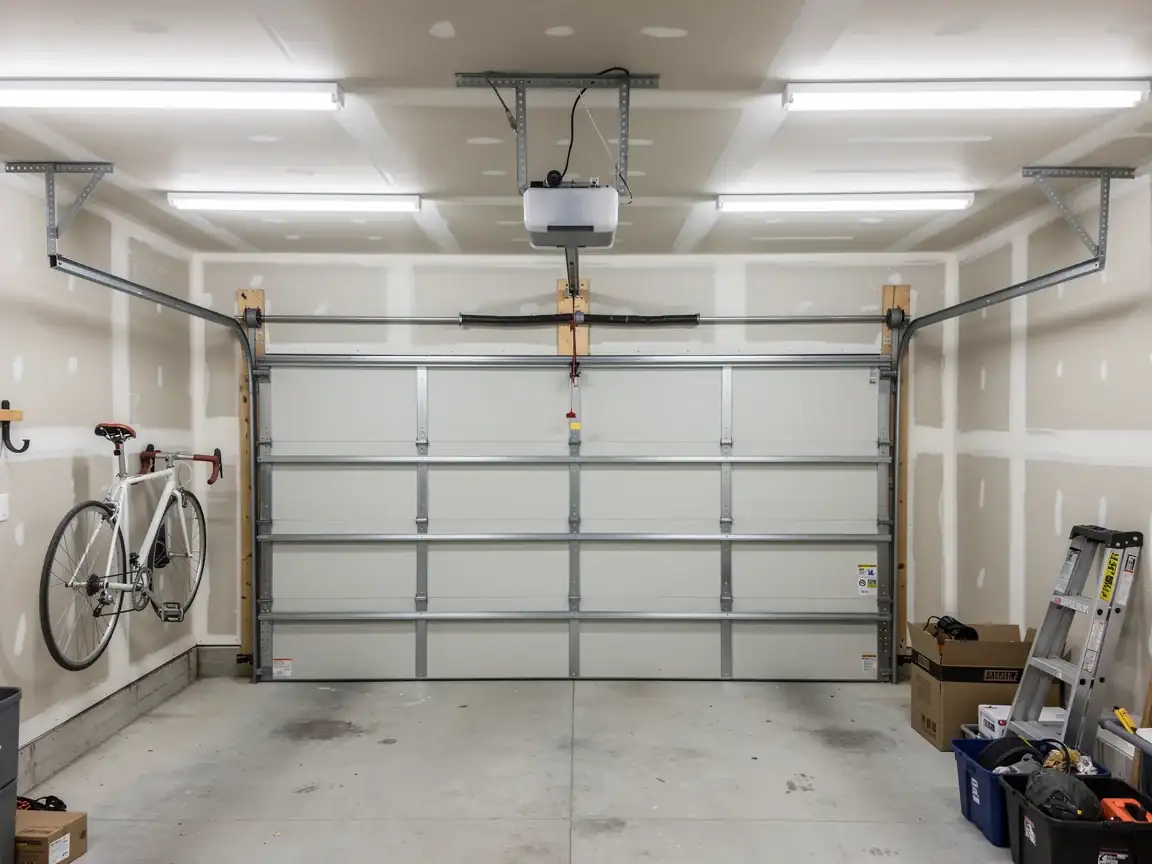
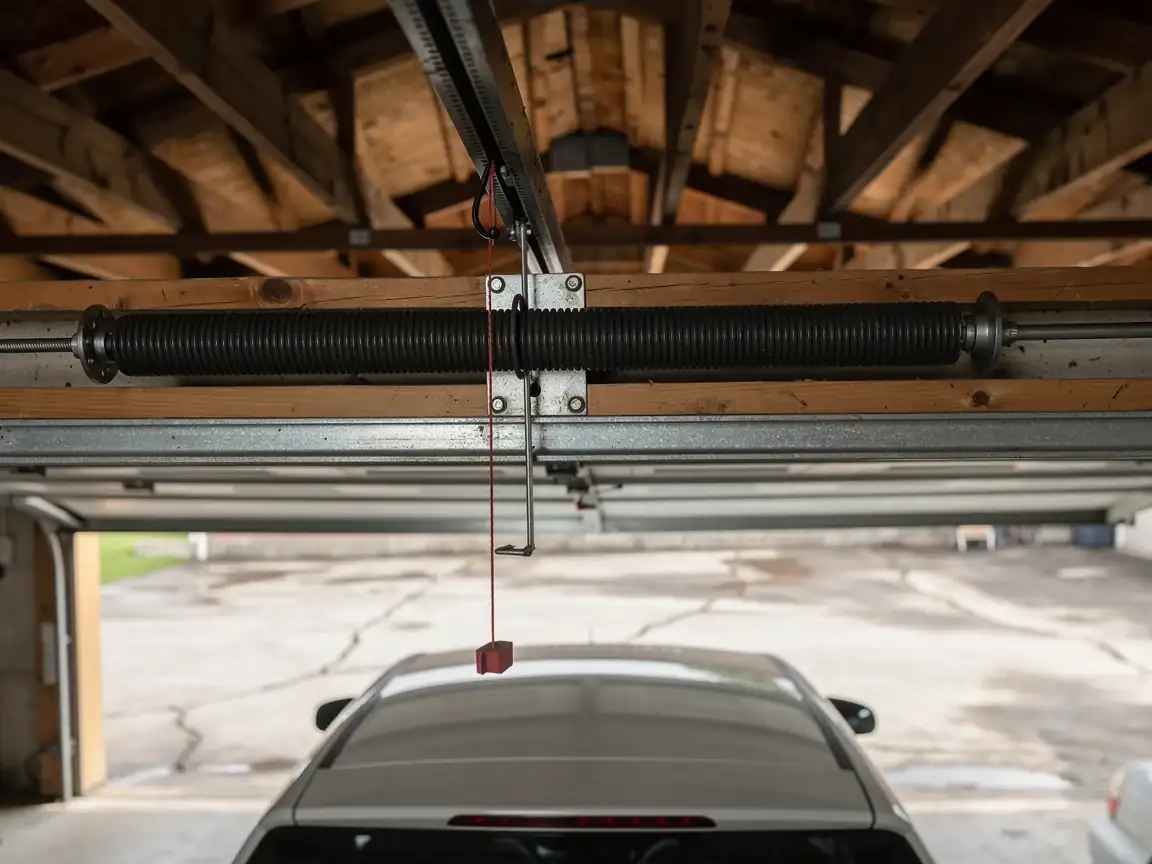
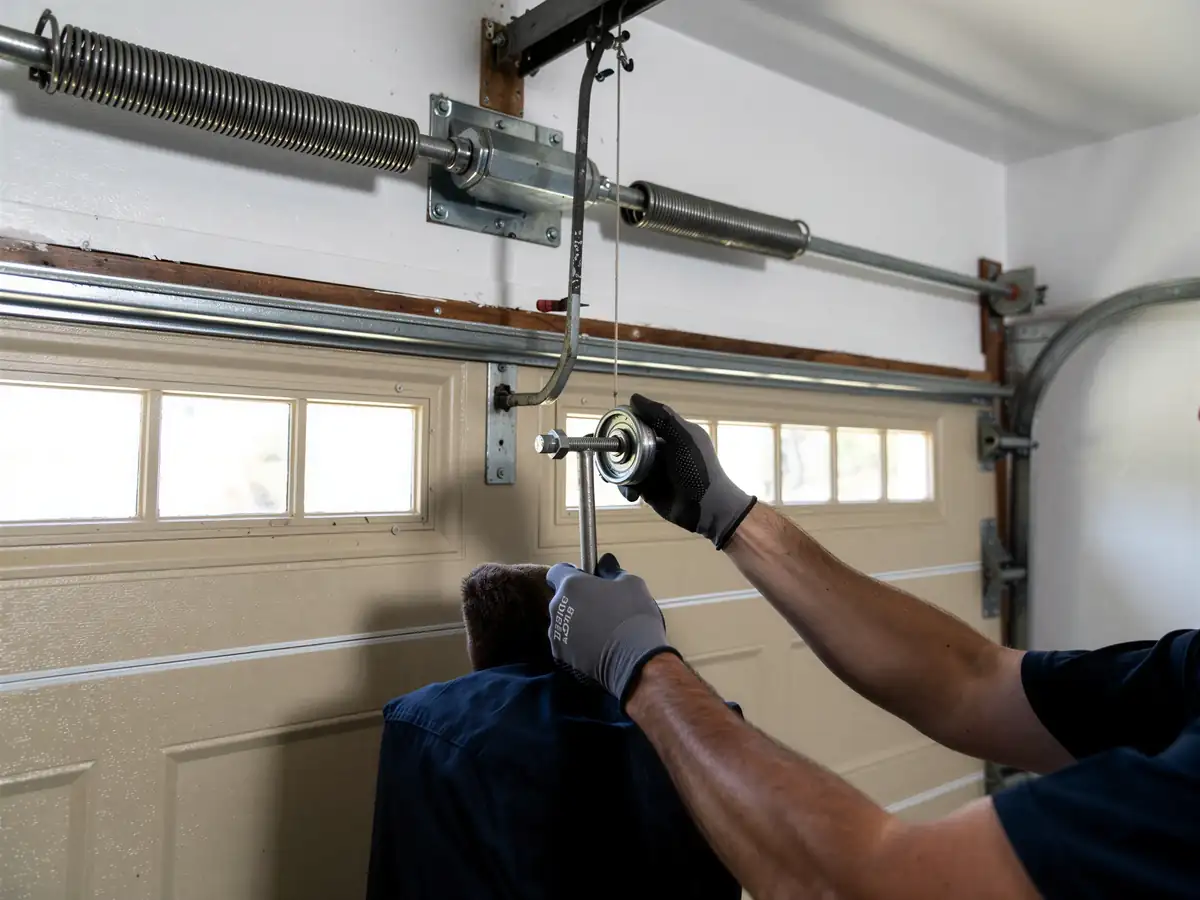
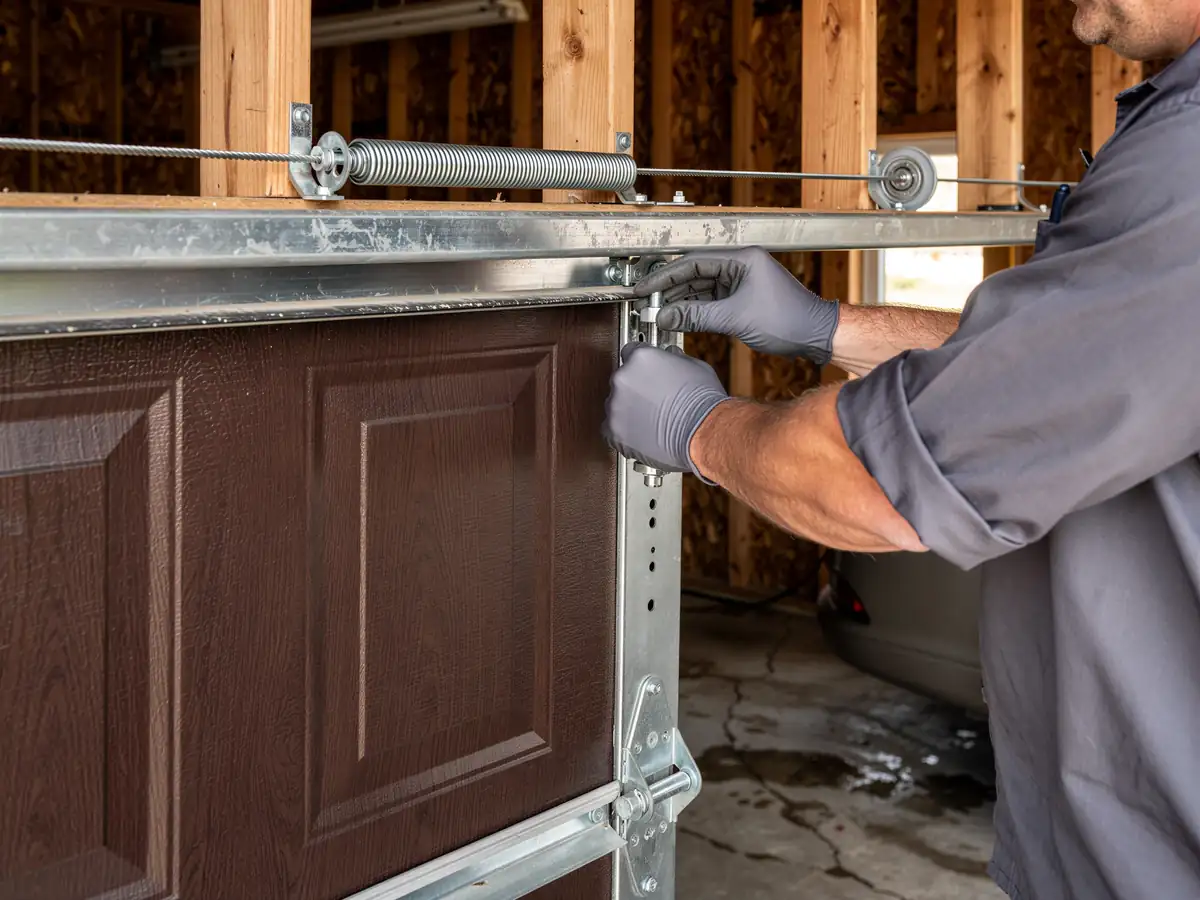
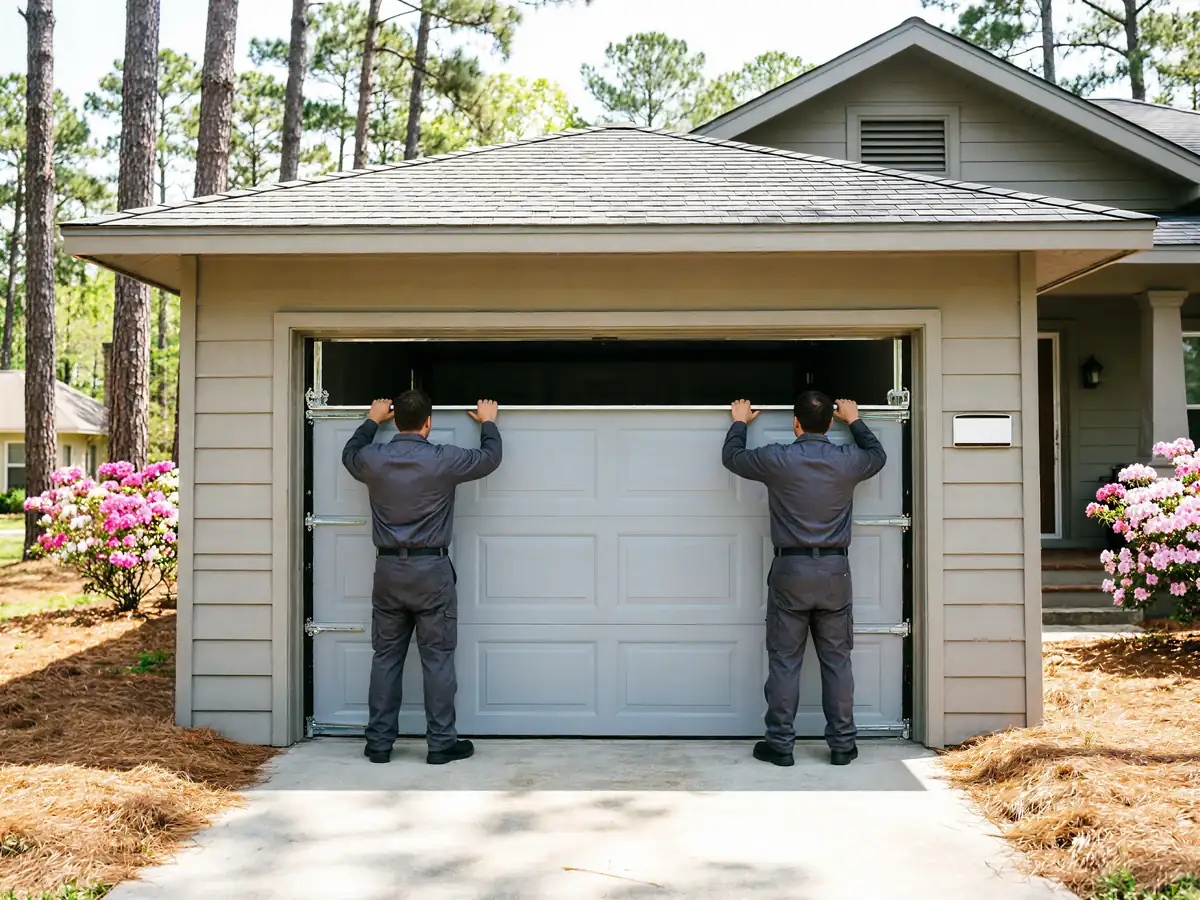
A proper installation starts with the opening, not the door. We measure the jamb, check for square, and look at what the house was actually built with - wood jambs in older homes, metal in newer construction. From there we size the door to the opening and to the climate band this area sits in, which is cold-moderate: not brutal winters, but enough cold-snap and humidity swing that an uninsulated single-layer door will sweat, warp, or stiffen up on the coldest mornings. We pull the old track and hardware rather than reusing it, because mismatched age between a new door and old torsion springs is how you end up with a door that's new but still unbalanced. Opener compatibility gets checked too - a lot of older openers weren't built for the weight of a modern insulated door, and running one anyway shortens its life fast. The honest limitation here: if the opening itself is out of square or the header's been compromised, that's carpentry, not a door swap, and we'll tell you before we quote anything so you're not paying twice.
Parts We Carry
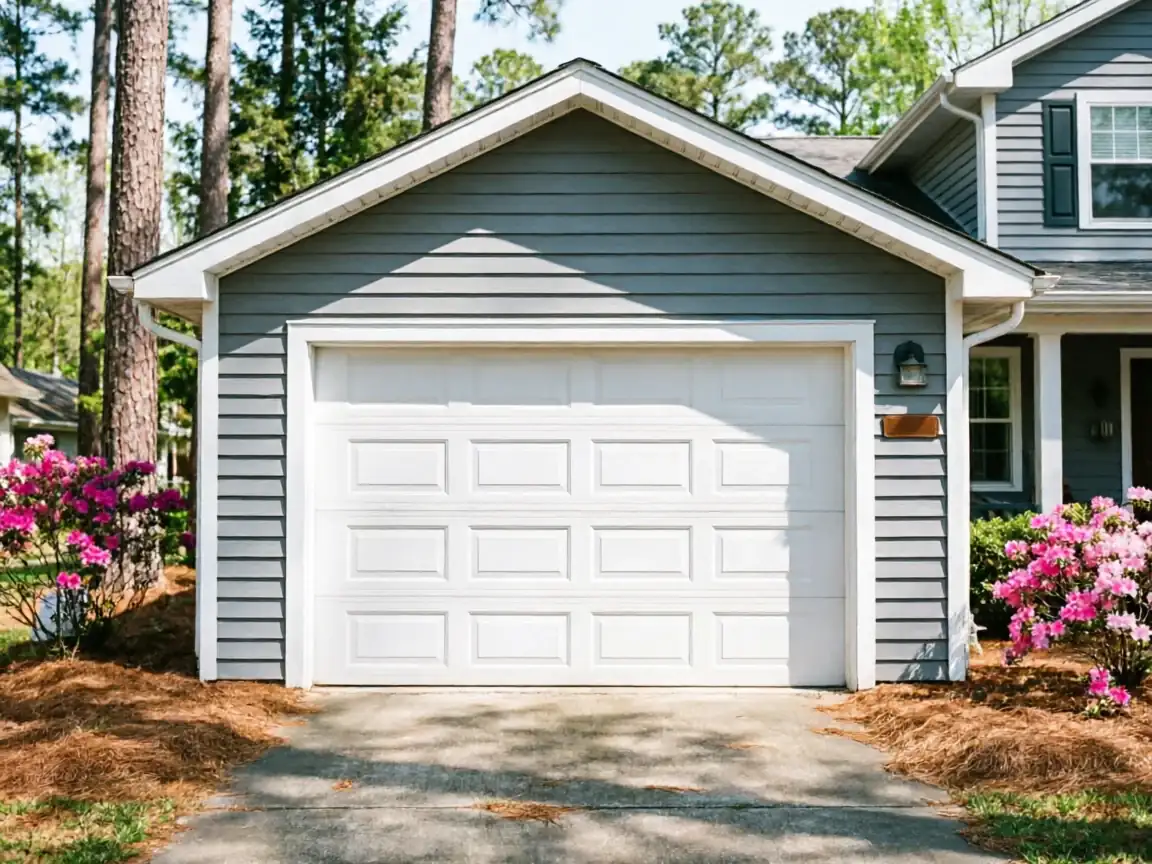
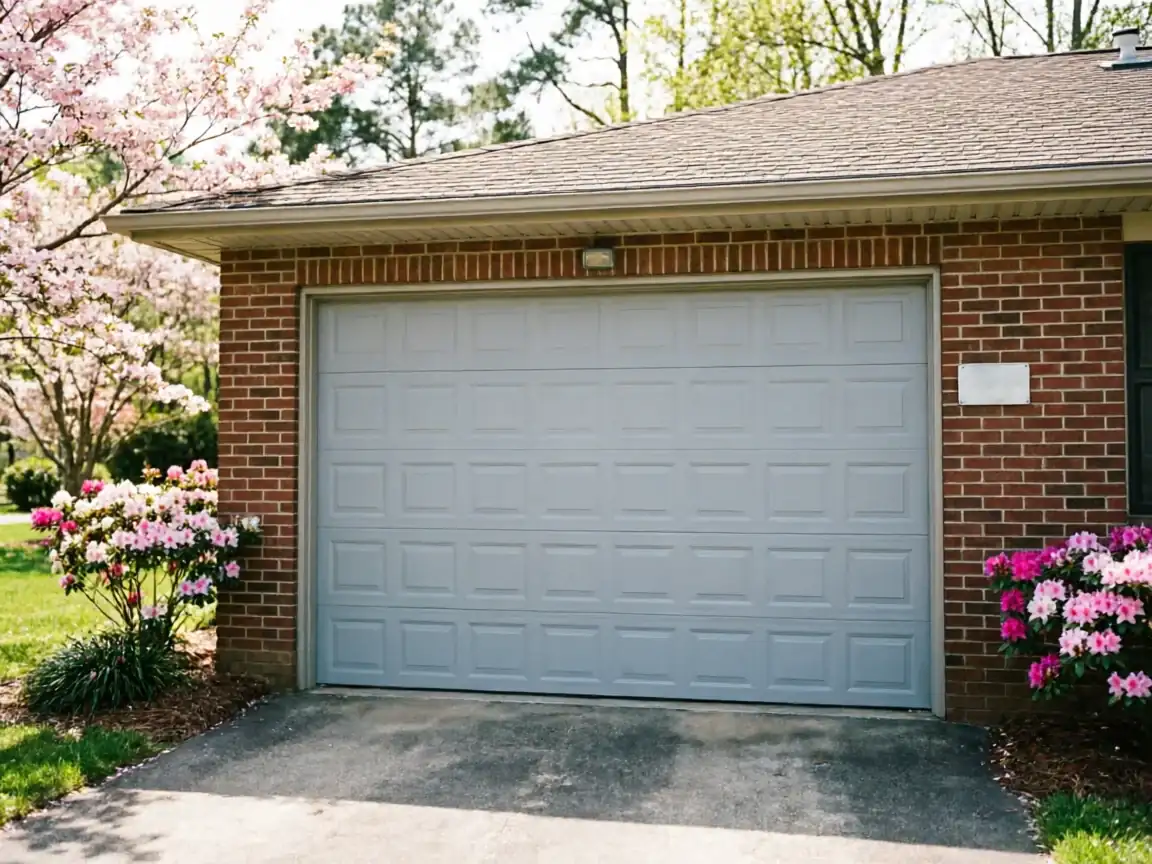
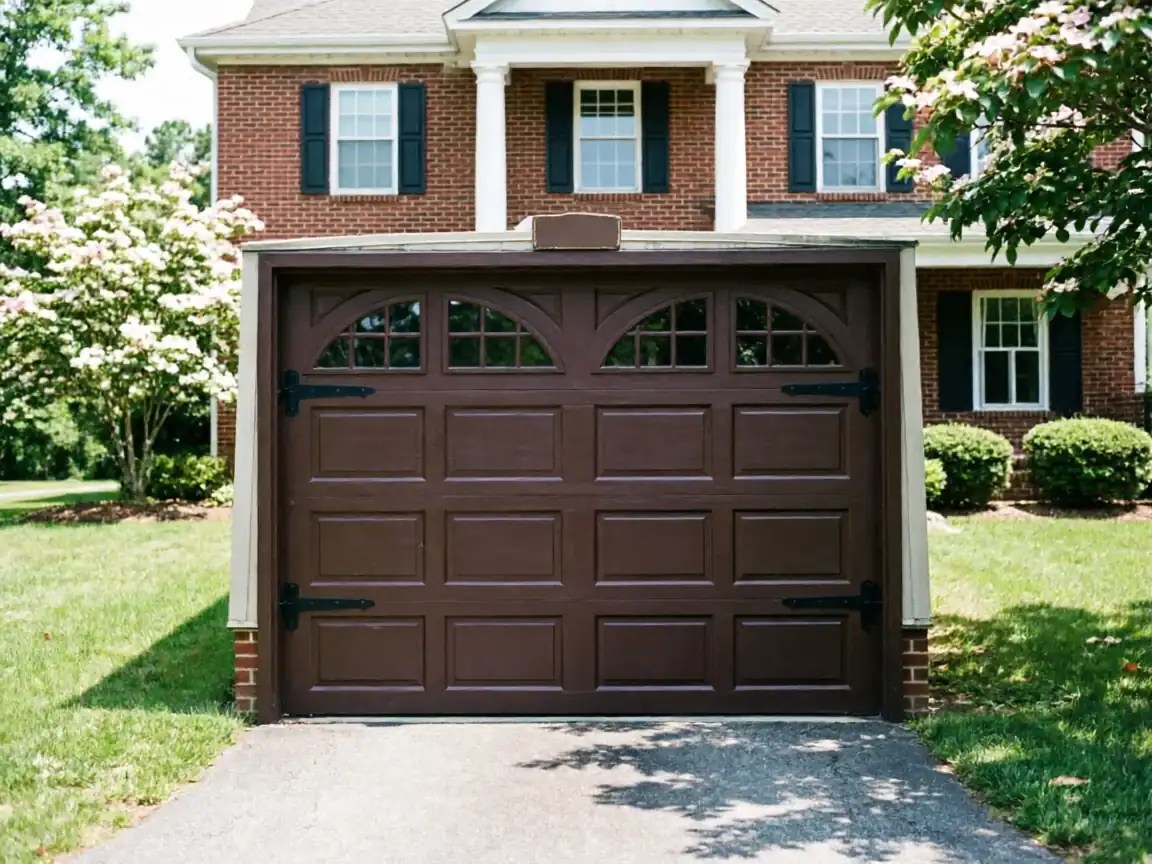
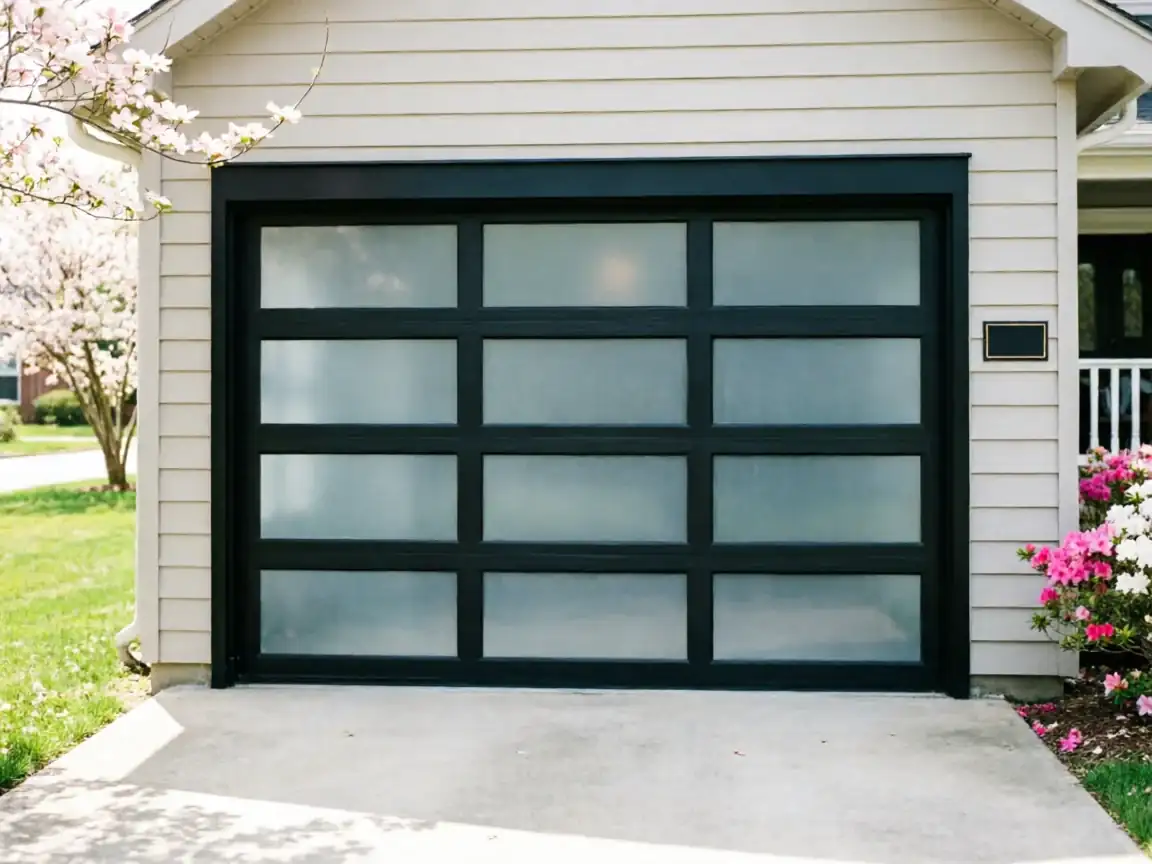
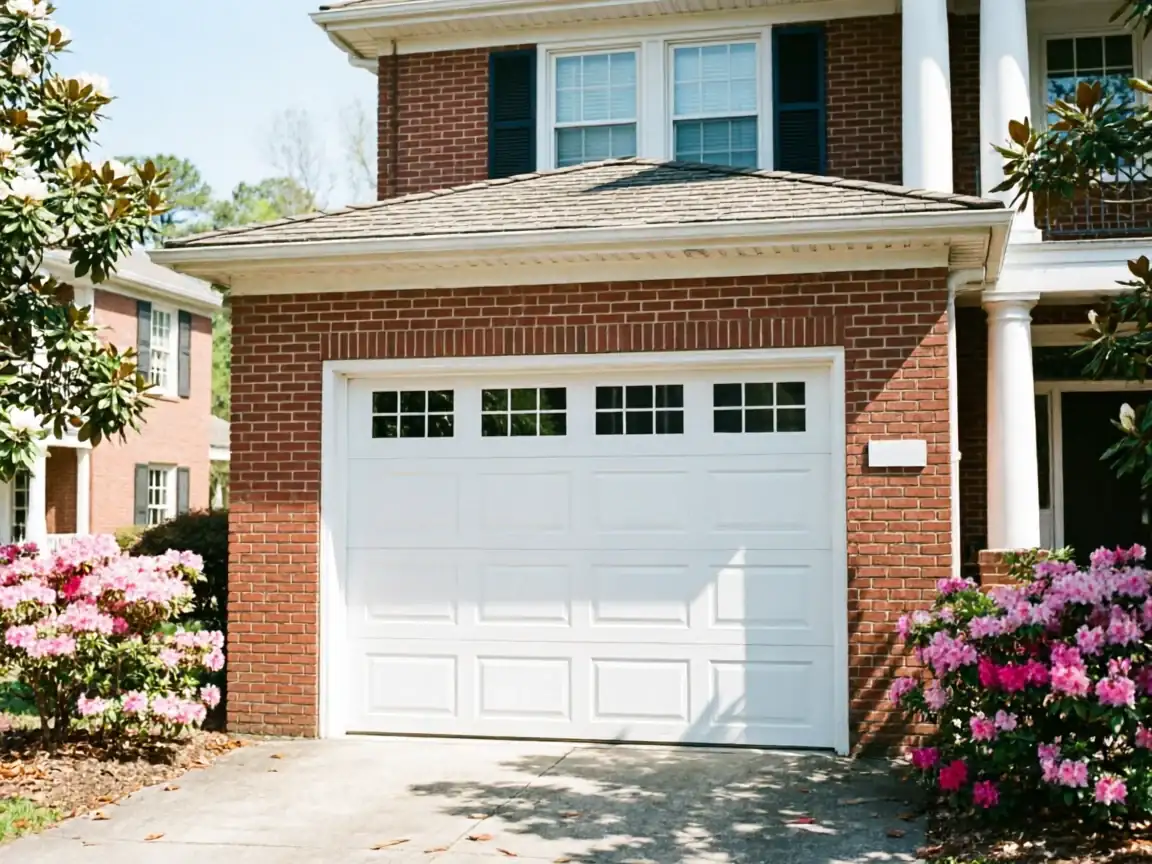
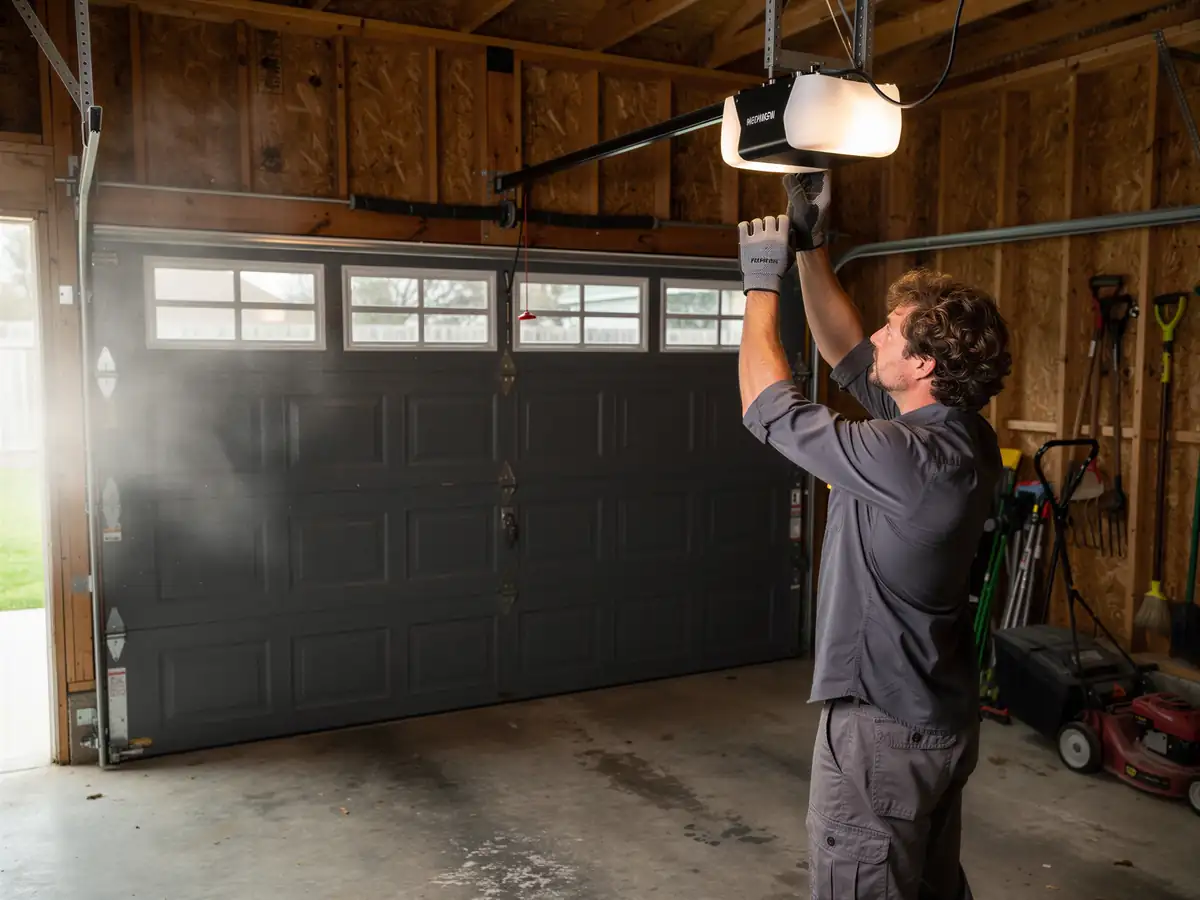
We stock insulated steel doors in the sizes that match single-car and double-car openings typical of the pre-1980 homes that make up most of this area's housing, along with torsion spring sets sized for the heavier insulated panels rather than the lighter original doors they're replacing. Track and roller hardware gets swapped as a full set on install, not patched, since mixing new rollers on old track defeats the point of a new door. Opener upgrades are stocked separately for households whose current unit isn't rated for the new door's weight. We don't carry custom wood or carriage-style doors - those are special-order items with longer lead times, and we'll say so upfront rather than quote a timeline we can't hit.