The Situation
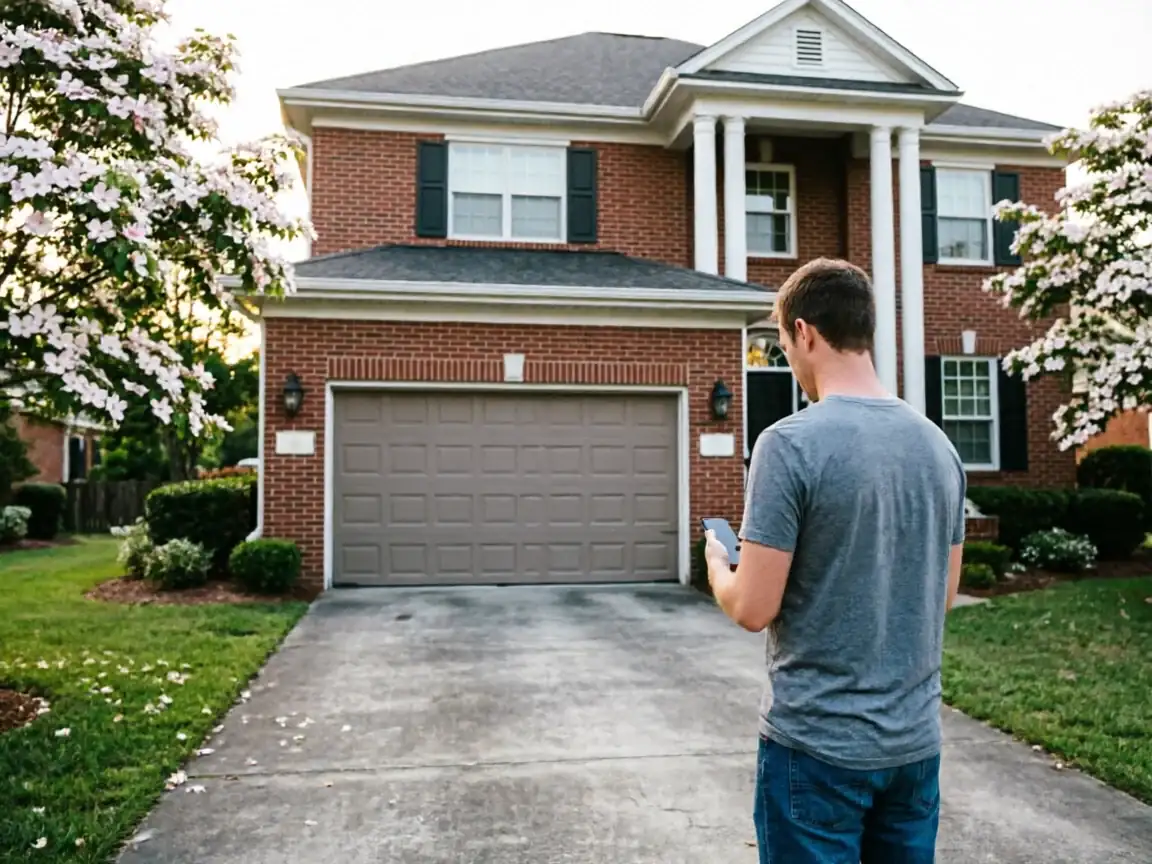
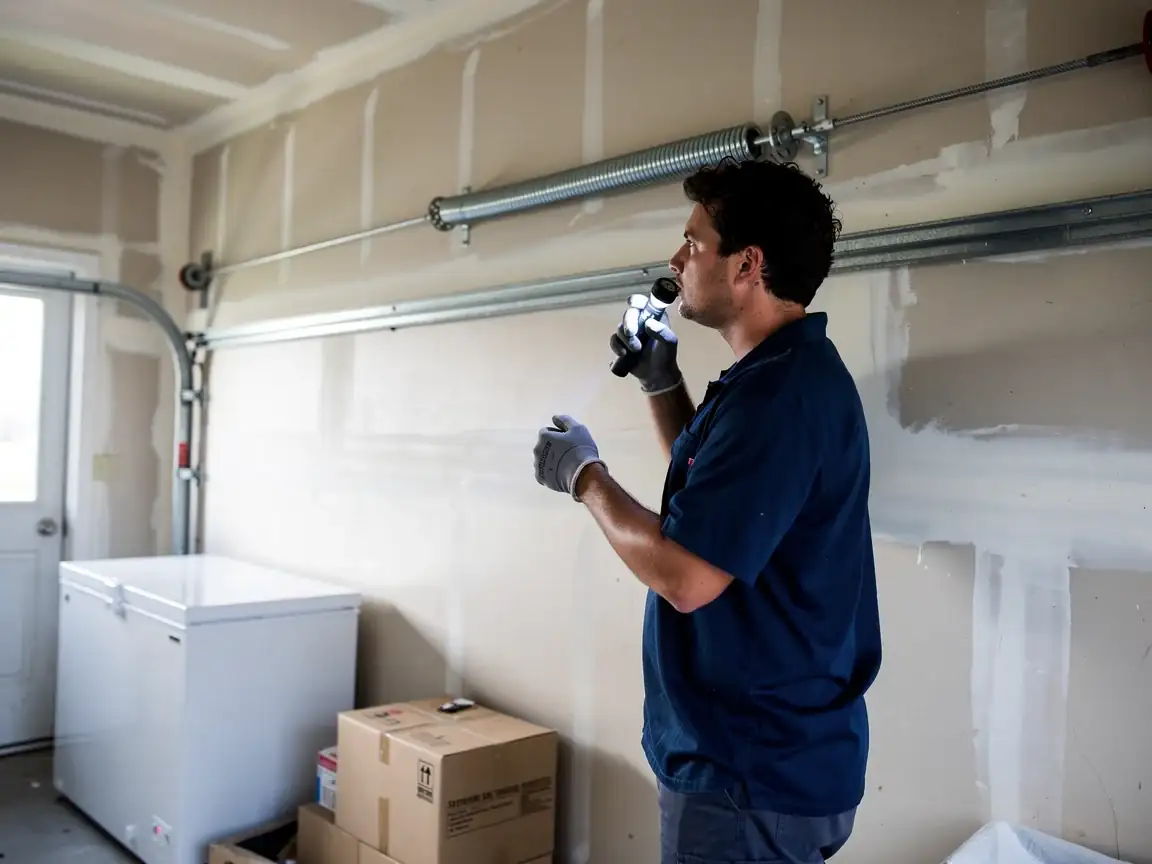
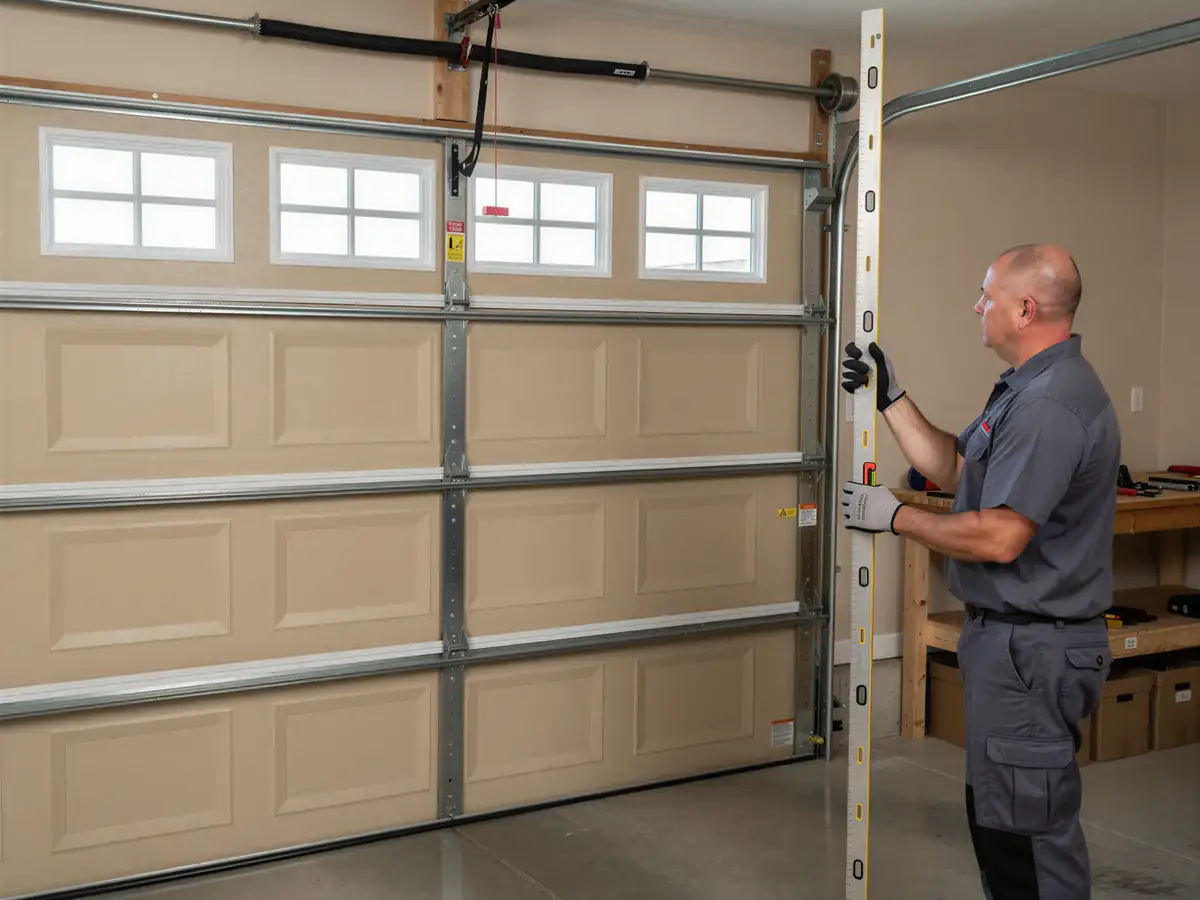
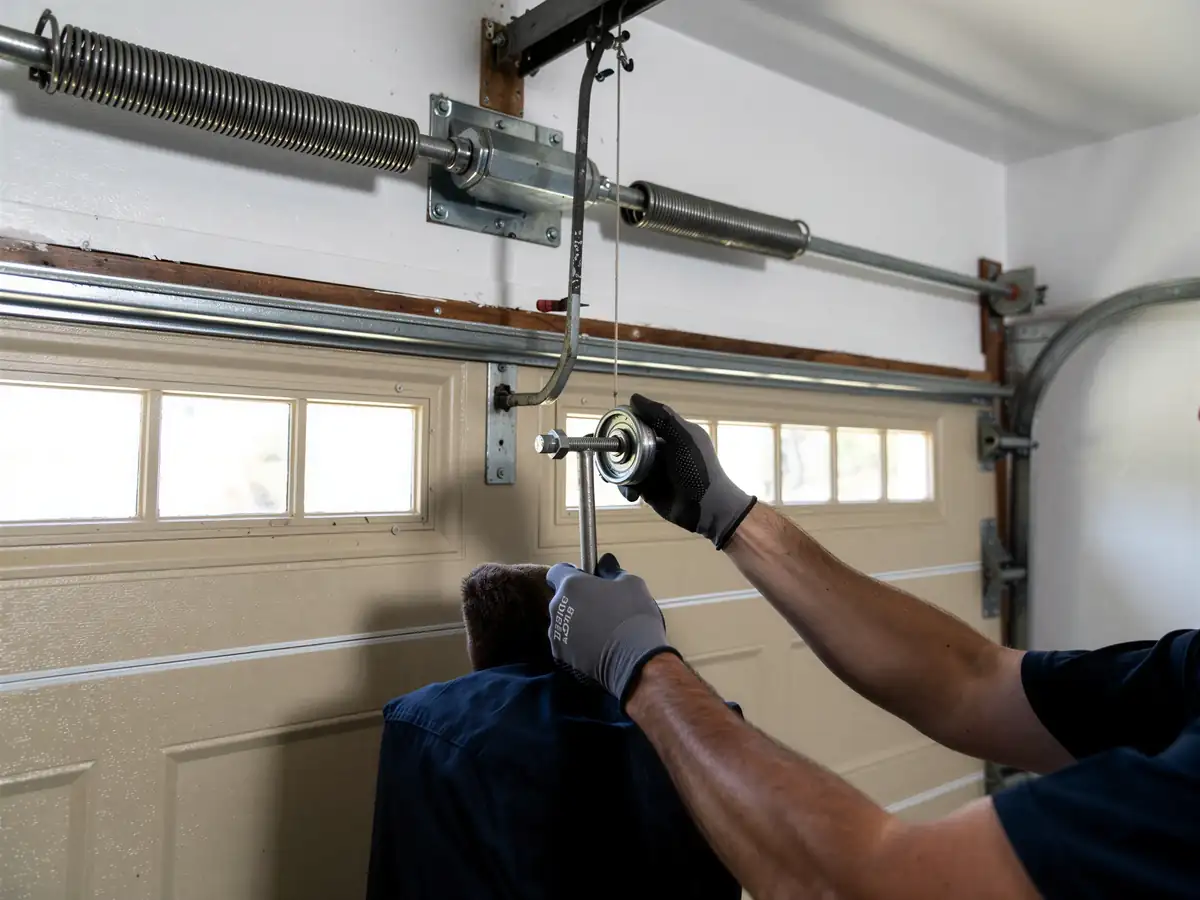
Most of the housing we work on here went up between 1938 and 2007, with the bulk of it dating to the 1960s and 70s. That matters because a service call on a door from that era isn't the same job as one on a door built in 2005. The older stock across the 29 named areas we cover still has original torsion hardware in a lot of cases, or a replacement opener bolted onto brackets that were never meant for it. When you call, we're not walking in blind - we're expecting a certain kind of door depending on when the house was framed, and we check the track, the spring size, and the opener mount before we touch anything. The service area runs out from Stockbridge to places like Morrow, Jonesboro, and Bonanza, each about 7 to 8 miles off, out to farther spots like Lithonia and Stone Mountain. A call anywhere in that radius starts the same way: we look at the door as it sits, not as a generic model, because the housing mix here is old enough that two doors on the same street can need completely different parts.
What Most People Get Wrong
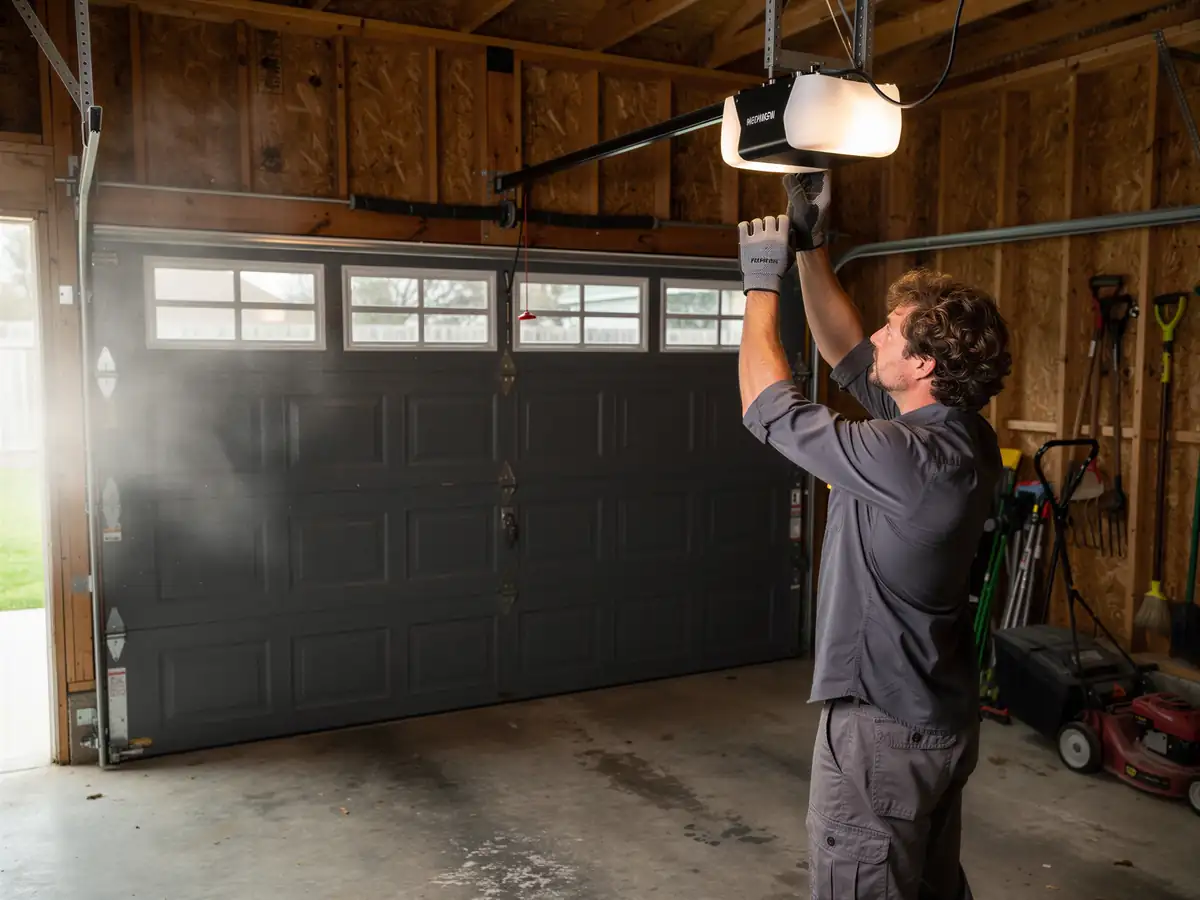
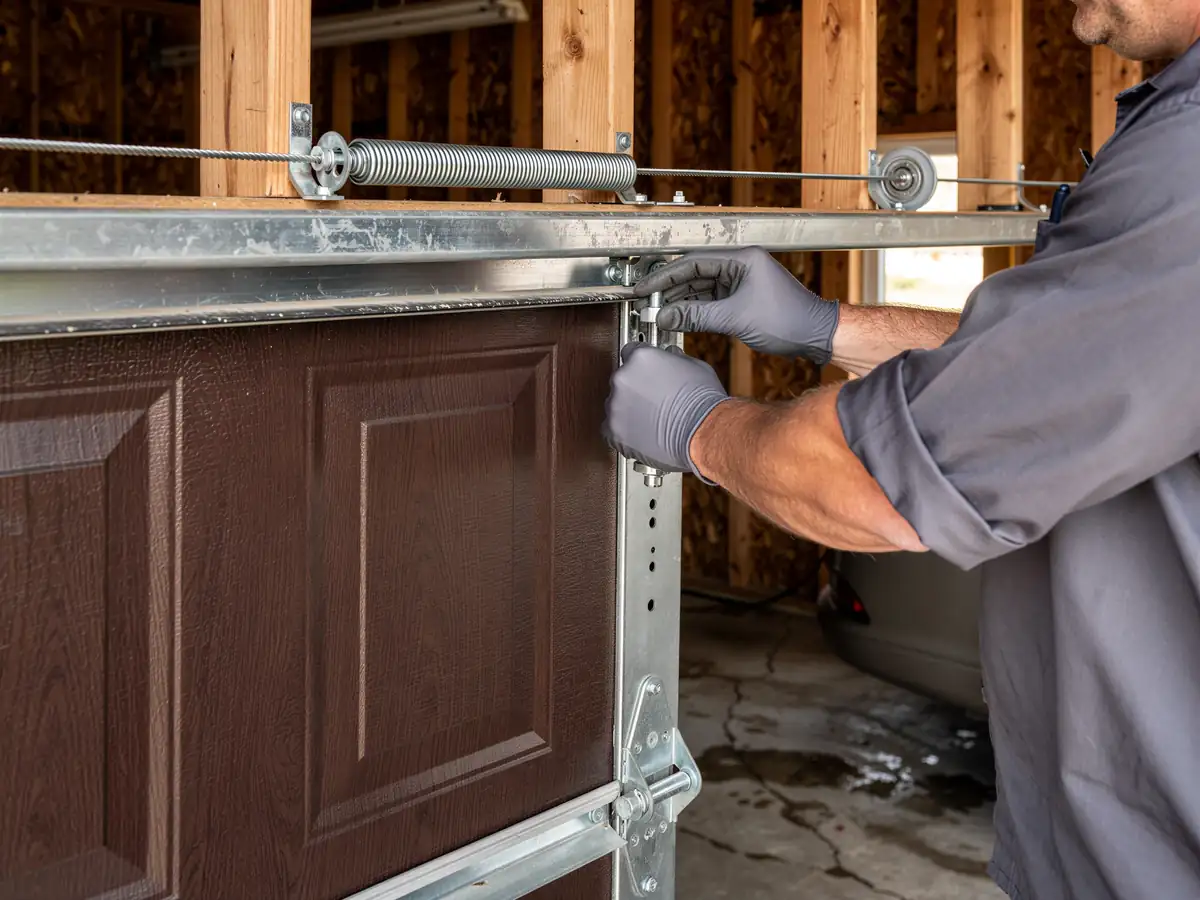
The biggest mistake we see is someone assuming a noisy door just needs oil. On a house built in the 1960s or 70s, that noise is often a dry bearing plate or a worn roller that's been fine for decades and is now past its life, not a lubrication problem. People also assume every spring repair is the same price and the same part - it isn't, because torsion spring sizing depends on door weight and the wind load the original builder specified, which varies across a service area with housing spanning almost 70 years of construction. Another common one: homeowners call about a 'broken opener' when the actual fault is a bent track or an off-track roller, something that shows up more on older one-piece and sectional doors from the earlier end of our 1938-2007 range. We won't swap an opener if the real problem is $40 in track hardware - that's not a call we're going to pad. The other thing people get wrong is waiting. A cable that's frayed on a door matched to a house built decades ago usually means the drum or the opposite cable isn't far behind, and a single-cable fix call often turns into a second trip if it's ignored.
What the Weather Here Does to It
This area sits in a cold-moderate climate band, which means the door hardware goes through real temperature swings across a year even without extreme heat or deep freeze. Steel torsion springs lose a little tension as metal contracts in cold snaps, so a door that felt balanced in warm months can feel heavier to lift once temperatures drop. Lubricant that was fine in summer humidity can thicken or gather grit in the colder stretches, which is part of why a once-a-year lube on rollers and hinges matters more here than in a climate that stays steady. Condensation is the other factor - moisture that forms on a cold garage door panel overnight, especially on older uninsulated doors common in the 1960s and 70s stock, can work into exposed bottom brackets and start corrosion over several seasons. None of this means a dramatic failure every winter, but it does mean the wear pattern on a door here looks different than it would in a climate with no real seasonal swing at all.