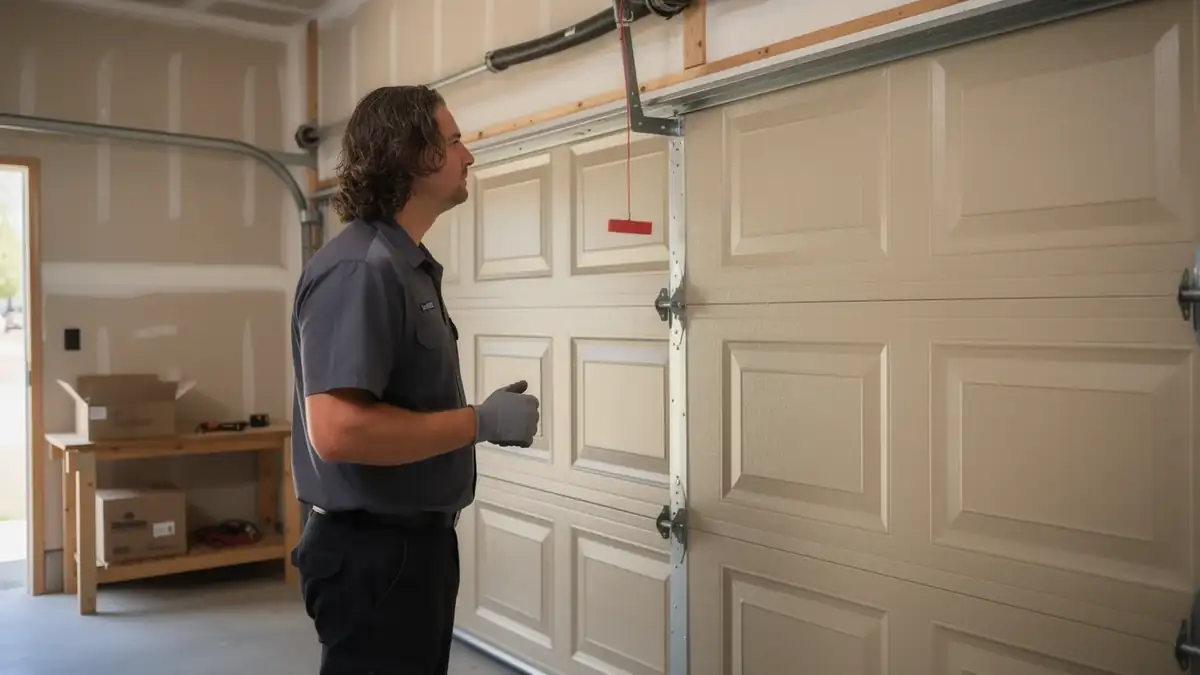
The Situation
Most houses in this part of Stockbridge went up somewhere between 1938 and 2007, with the bulk of the stock clustering around 1974. That matters because a door installed on a house built in the 60s or 70s has had decades to work its hardware loose, and the noise it makes now is usually the first and only warning you get before something breaks outright. A rattle that started last month isn't new - it's a part that's been wearing since before you owned the place. On a 50-year-old track system, the sound changes before the failure does, and most people ignore the sound for months because the door still opens.
Across the wider service area there are roughly 38,447 owner-occupied houses among 95,226 households, and a lot of them share the same vintage hardware: steel tracks that have flexed a thousand times, torsion springs rated for a cycle count nobody ever tracked, and rollers that were never swapped out when they should have been. The noise isn't random. It's mechanical information, and it's usually specific to which part is giving out.
What Most People Get Wrong
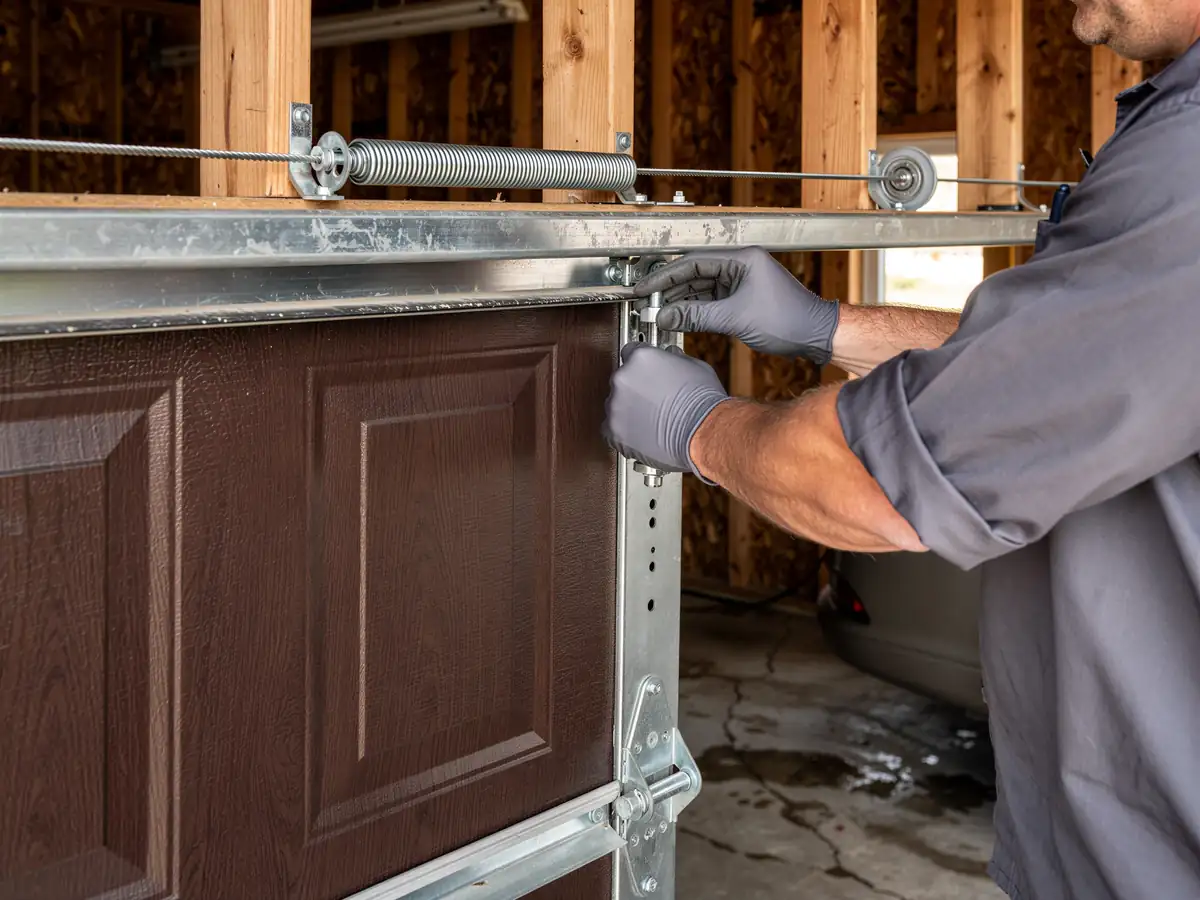
The common mistake is assuming all garage door noise is the same problem - "it's just old" - and spraying WD-40 on whatever's closest. That masks friction noise for a week and does nothing for the two noises that actually matter: a rhythmic thump once per revolution (a flat spot on a roller or a bent track section) and a sharp metallic pop with no obvious pattern (a spring under uneven tension, which is a different repair entirely and not a lubrication fix).
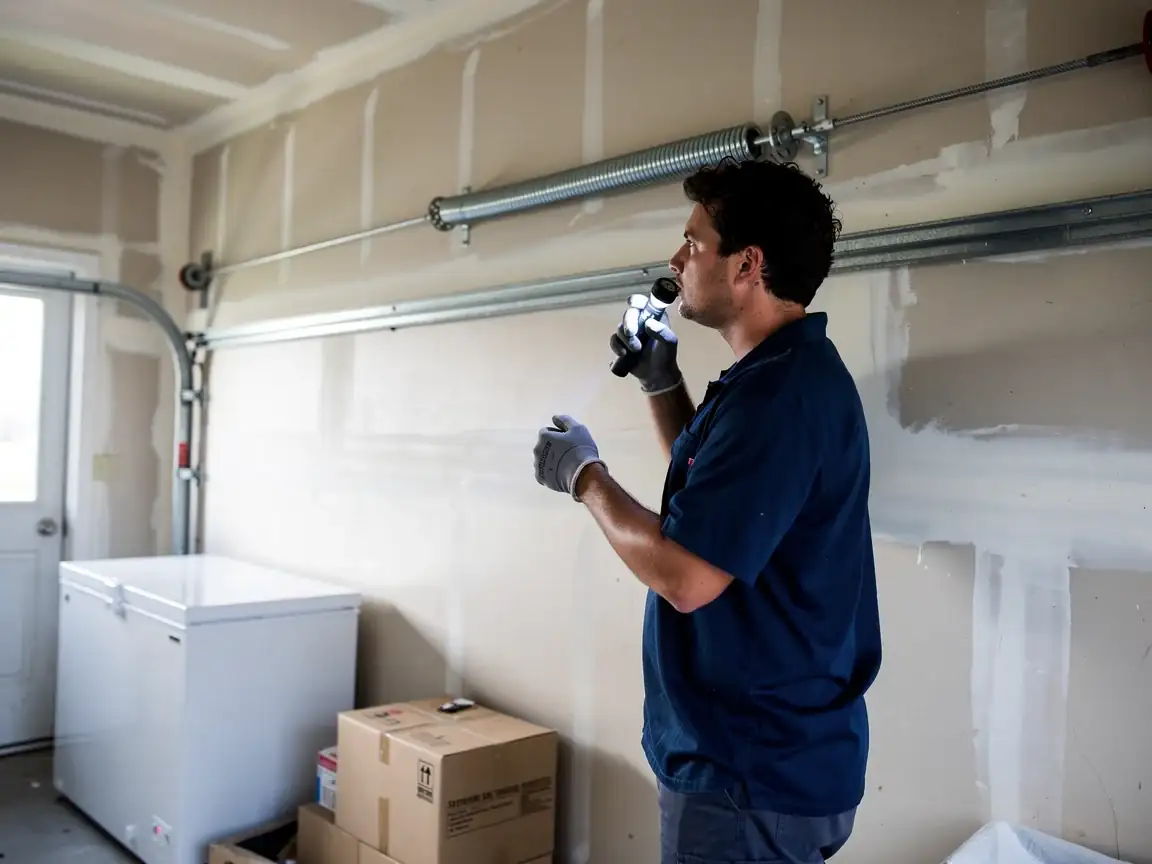
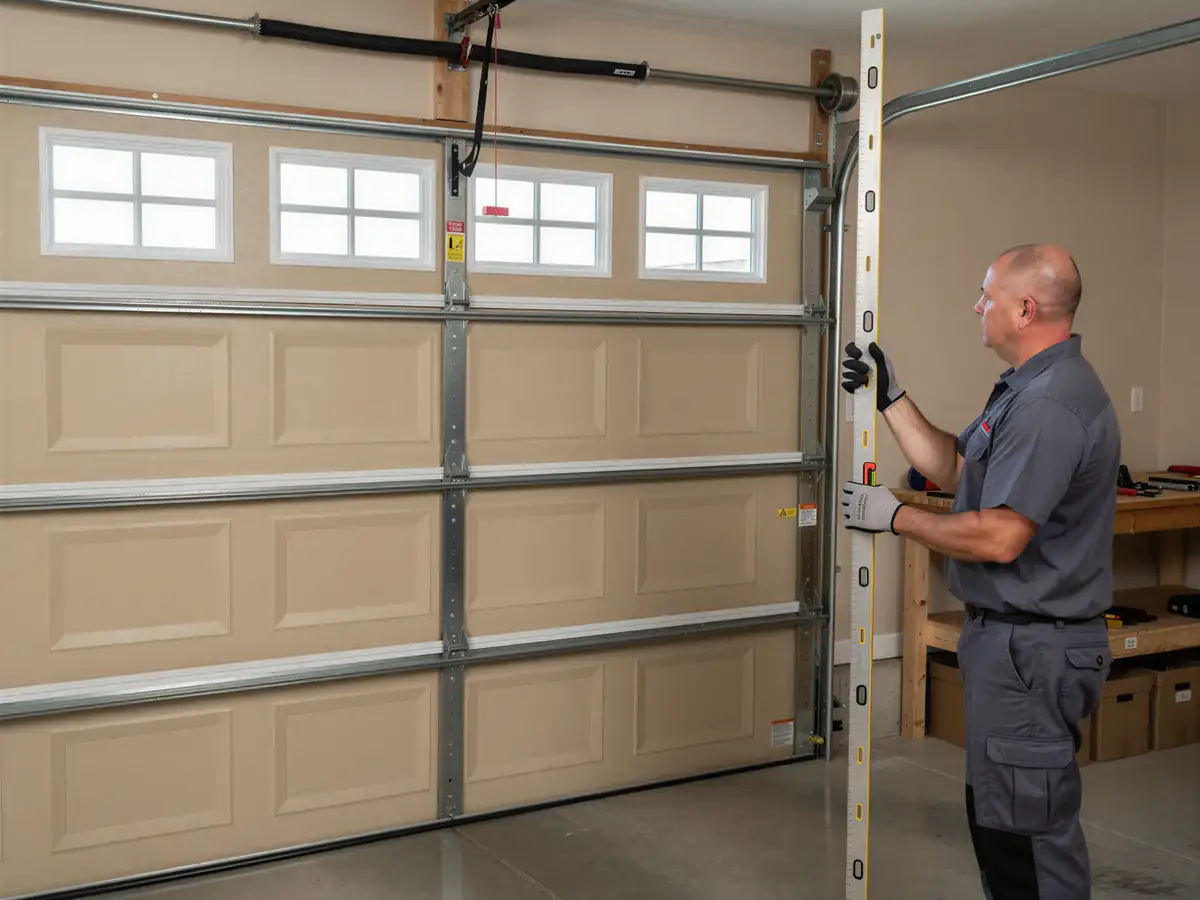
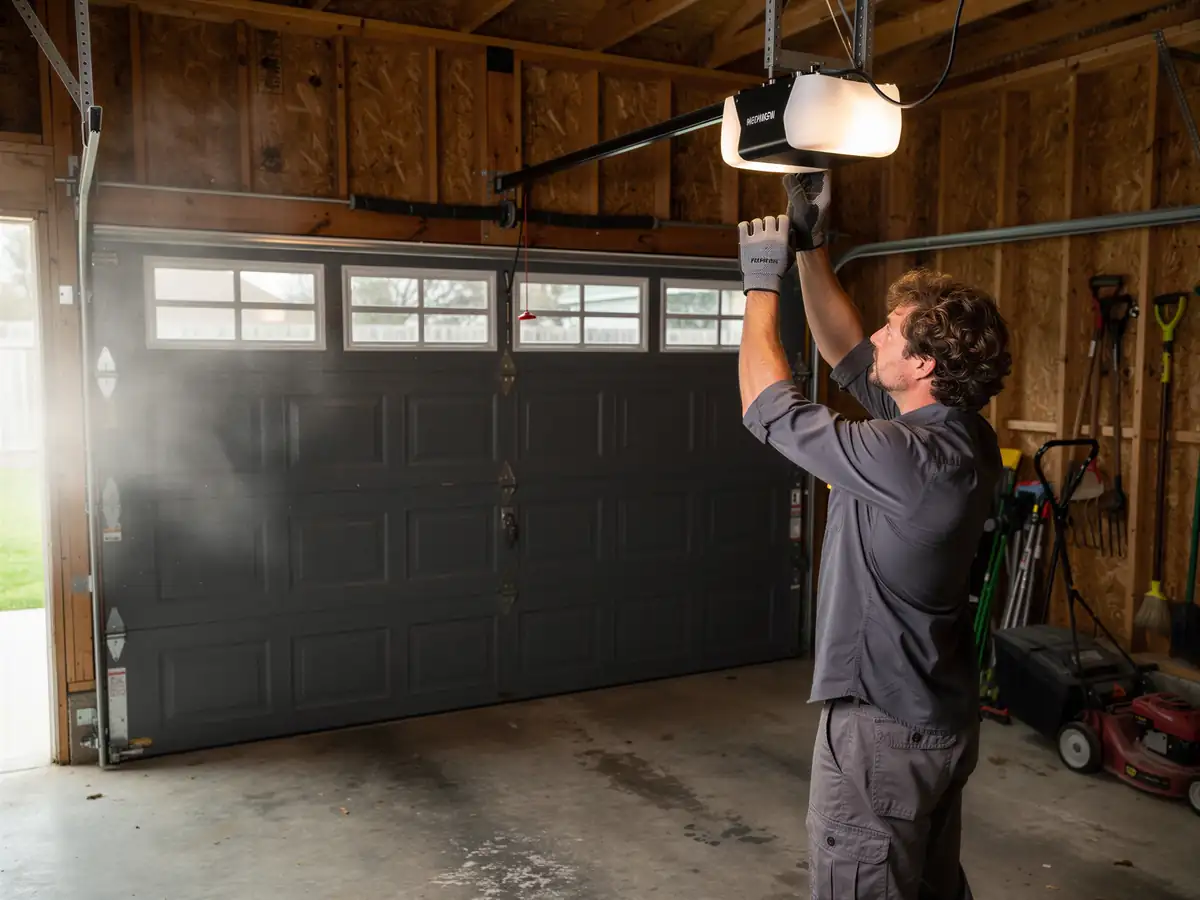
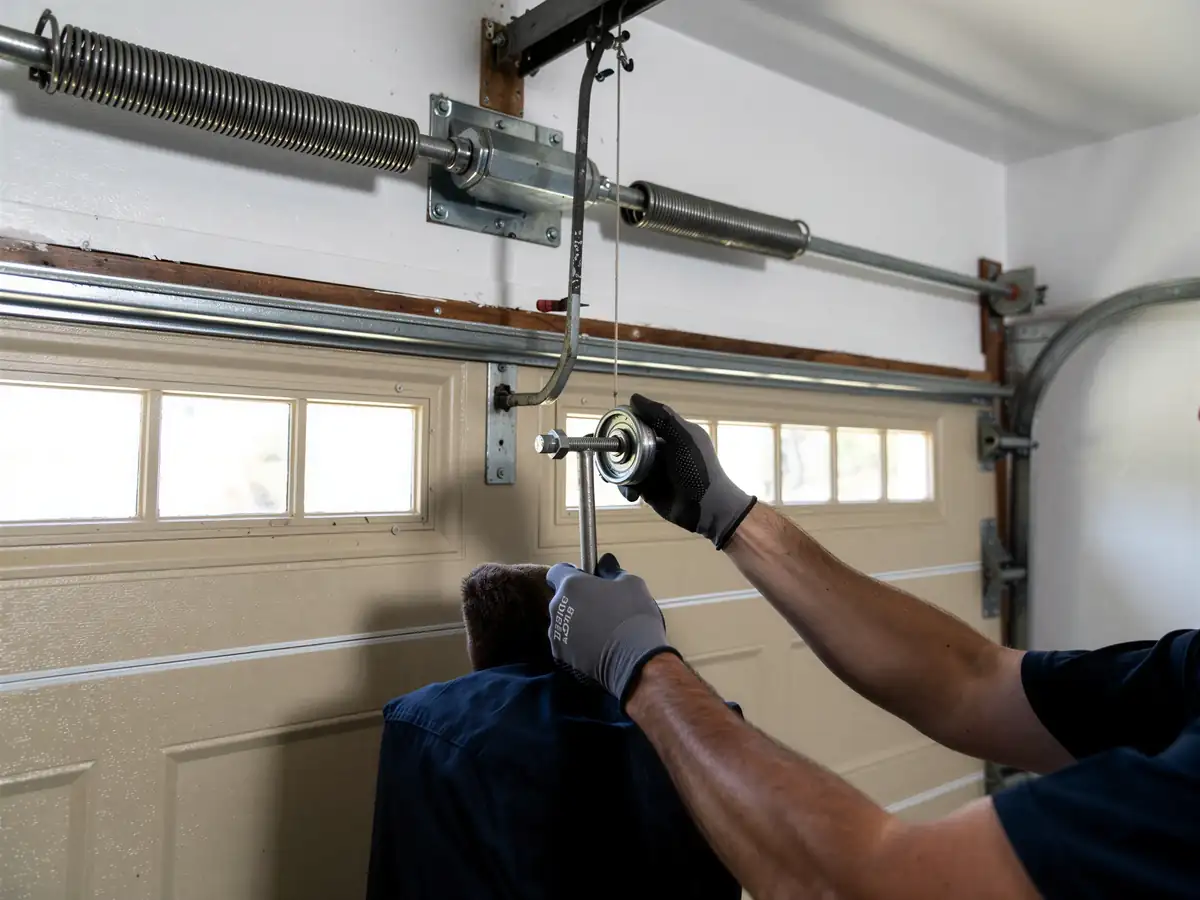
On houses built mid-century through the 70s - the bulk of what's standing in this area - the other mistake is ignoring noise from the header area, right where the torsion spring sits above the door. People hear a creak there and think it's the door settling. It's usually the spring losing coil tension unevenly, which on an old door with no safety cable is the setup for the spring letting go under load. We don't recommend DIY spring work on these older torsion setups - the lead time to get the right replacement spring for a nonstandard older shaft can run longer than people expect, and the job isn't worth the injury risk to save a service call.
When to Call Someone
Call if the noise has a pattern tied to the door's position
A clunk every time it passes the same spot on the track, a squeal only on the way down, a bang right as it closes. Patterned noise means a specific part, and a specific part means a straightforward fix if you catch it before it jumps to something else.
Call sooner, not later, if you hear anything from the spring area itself
A creak, a pop, or a grinding sound right above the door opening. On a house with original or early-replacement hardware - common given the 1974 median build year across this area - that spring has likely never been serviced, and a spring failure under tension can bend the track or damage the opener on its way out.
Don't call for a single squeak that goes away after the door cycles twice
That's usually just a dry hinge pin, and it's a five-minute fix with the right lubricant, not a service visit.
What the Weather Here Does to It
Stockbridge sits in a cold-moderate climate band, which means the garage door hardware here goes through real temperature swings across the year without the extreme freeze-thaw cycling you'd get further north. That swing still does work on steel and grease. Cold mornings stiffen old lubricant inside torsion springs and roller bearings, and that stiffness is exactly when you hear the loudest grinding noise of the day - it loosens up once things warm and move, which is why a noise that seems urgent at 7 a.m. can seem to vanish by noon.
On doors original to houses from the 1960s and 70s, decades of that seasonal tightening and loosening have worn non-sealed bearings and left old grease gummed up rather than lubricating. The fix isn't heavier grease - it's cleaning out the old residue and using a lubricant rated for the swing this climate actually produces, not whatever was on the shelf. A noise that's worse in cold weather and quiet in warm weather is pointing you straight at lubrication and bearing wear, not a structural problem.