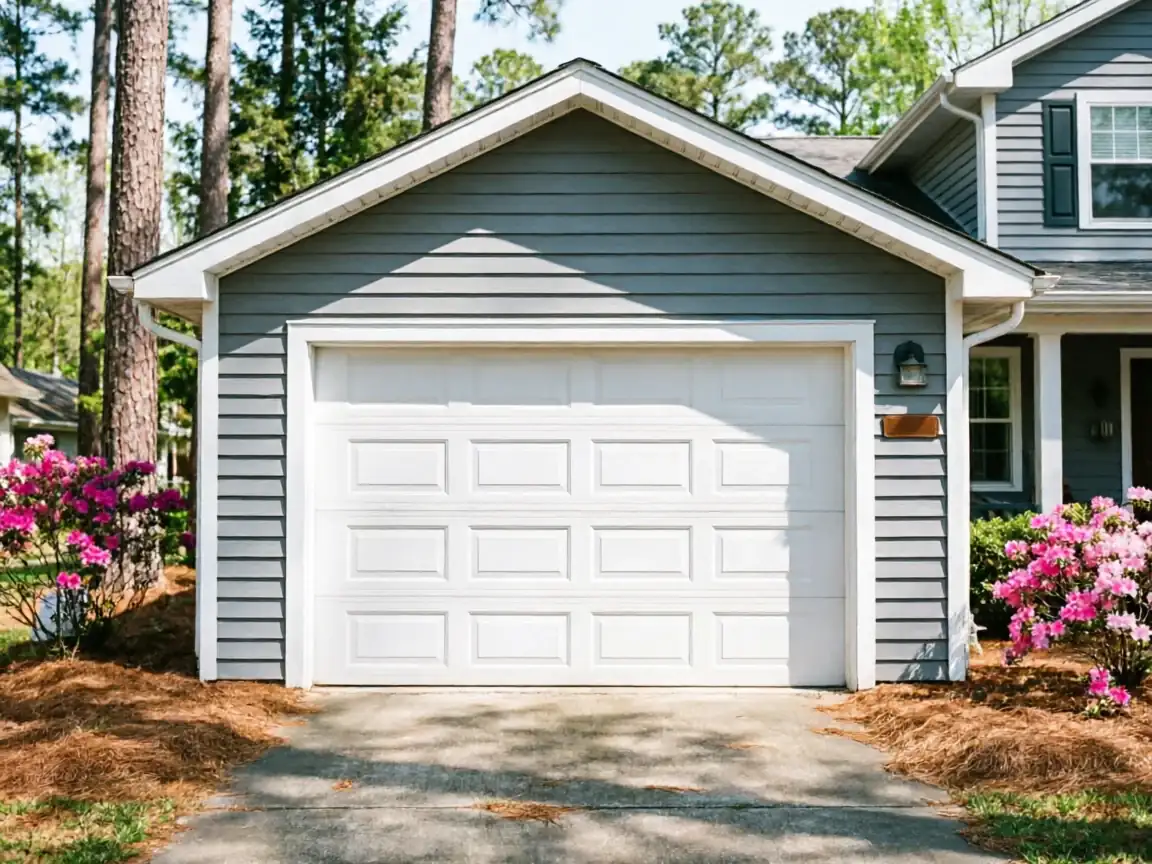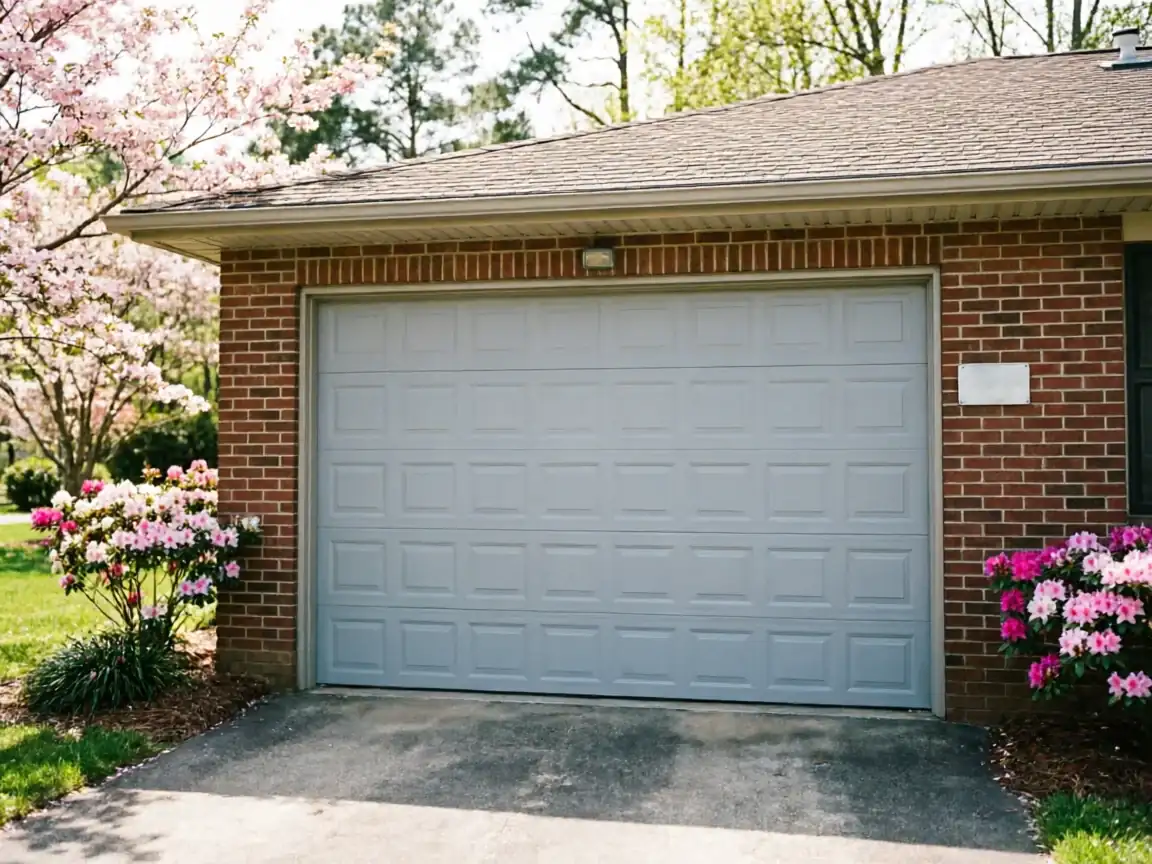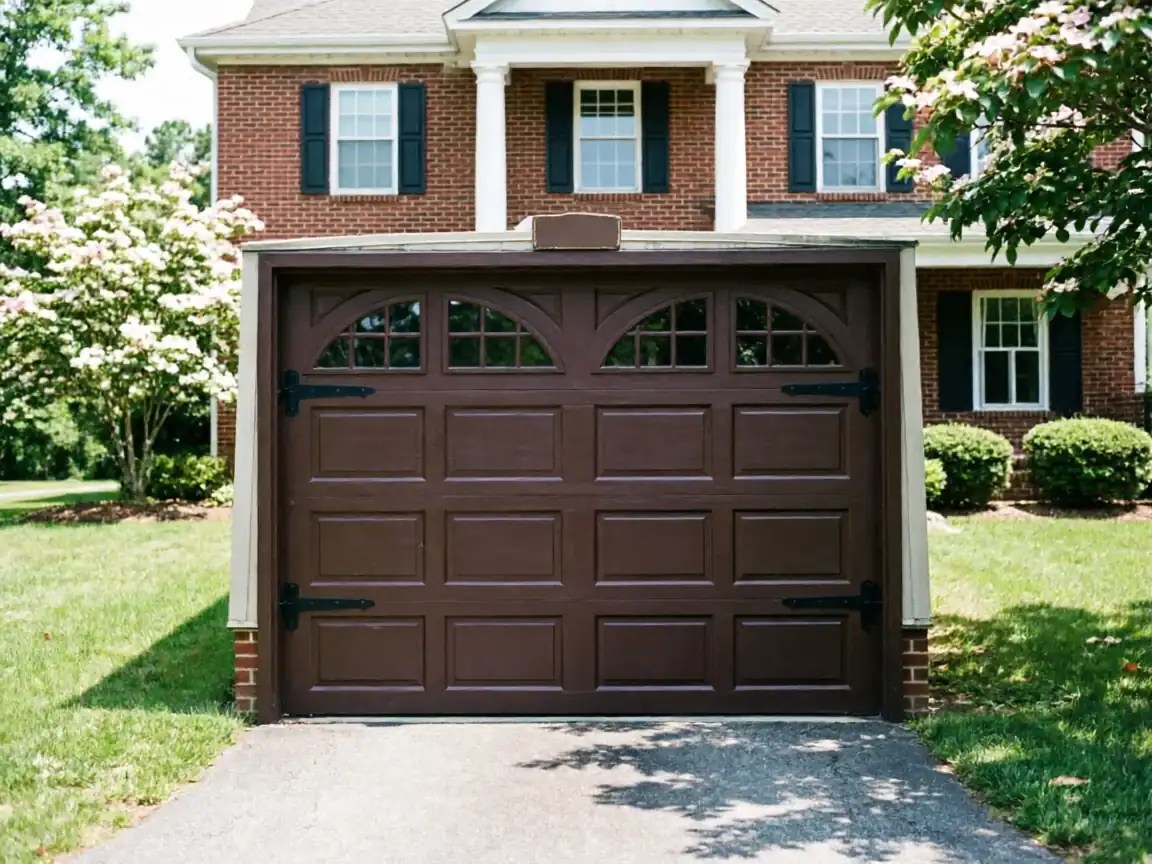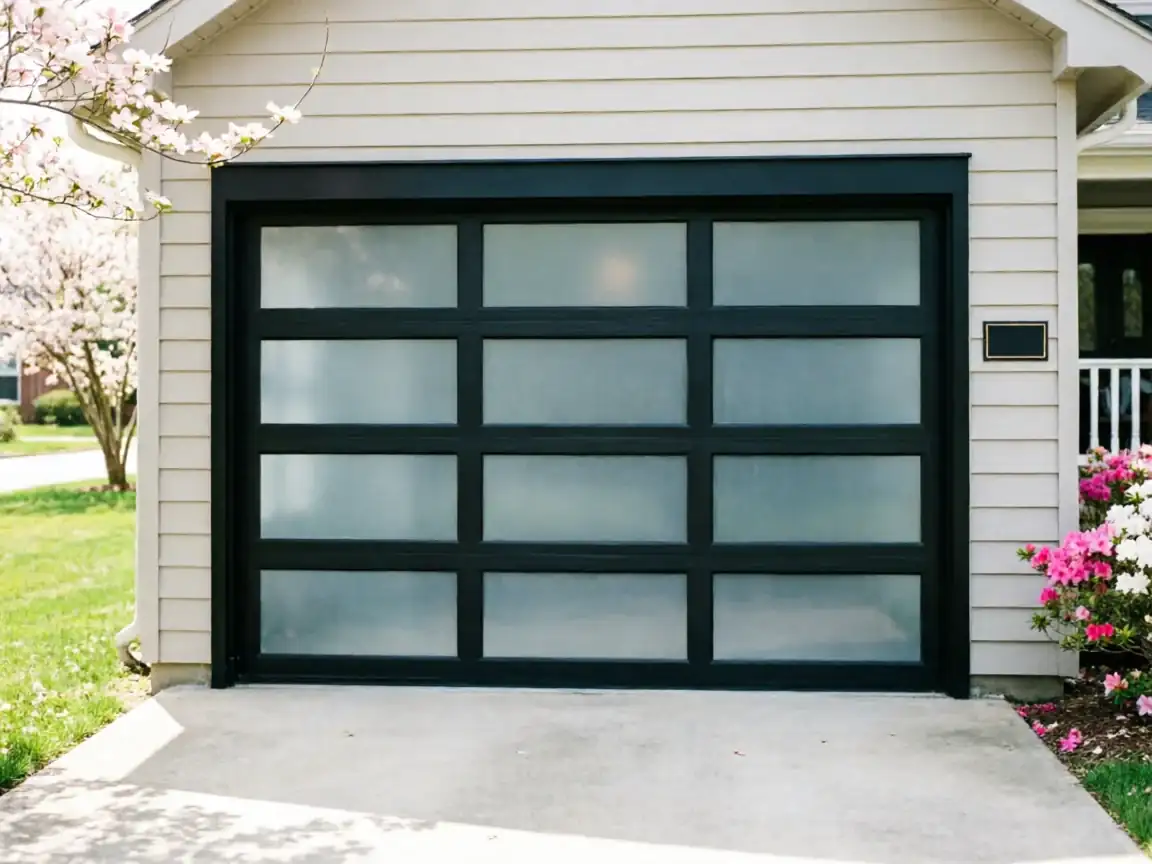
How It Shows Up
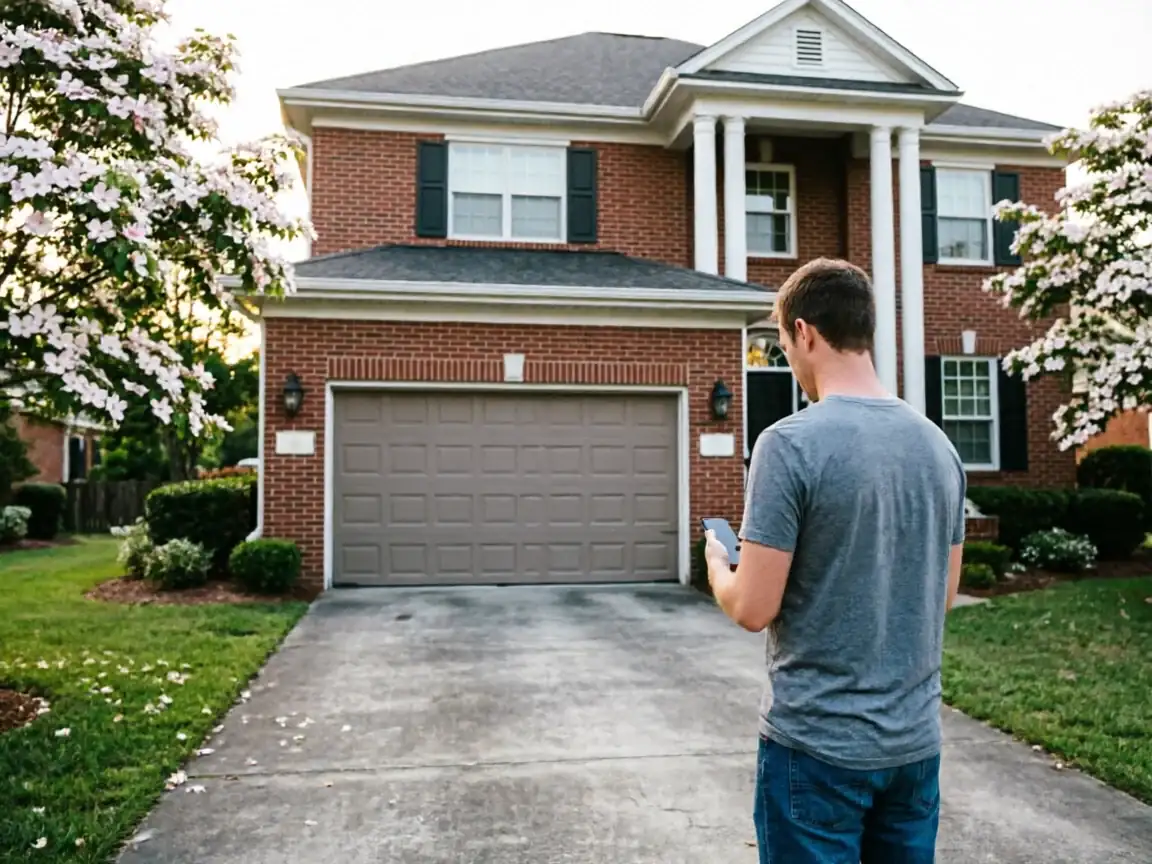
The opener hums but the door doesn't move, or it moves a few inches and stops. Sometimes the light blinks and nothing else happens. You press the remote twice before anything responds, or the door reverses halfway up for no reason you can see.
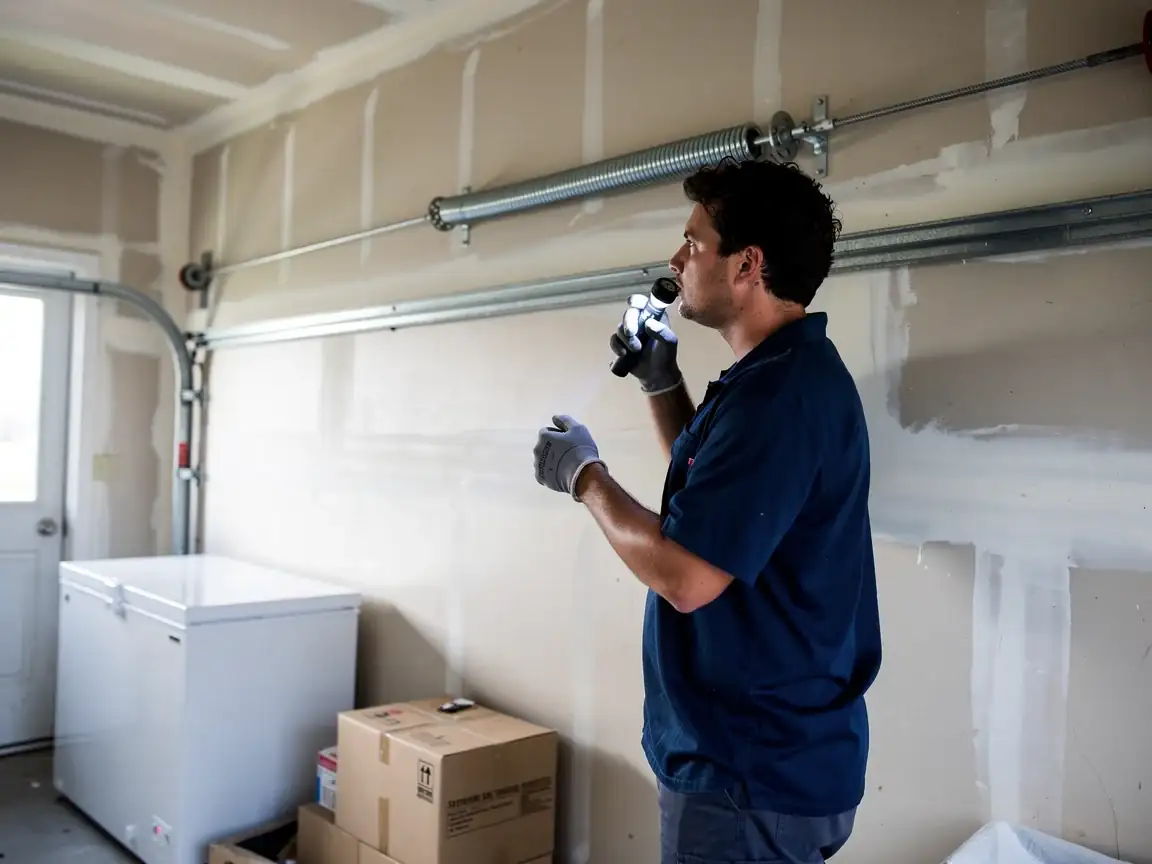
In the Stockbridge service area, where housing runs from 1938 up through 2007 with the median build year sitting around 1974, this shows up most on the older end of that range. A chain-drive unit installed when the house was built, or swapped in once already, is now carrying decades of strain on a rail and a motor it was never upgraded with. The bracket that holds the rail to the header has worked loose from years of the door's own weight pulling on it every time it opens.
Sometimes it's simpler: the opener is original to a house built in the 1960s or 70s and it has simply run out of years. Gear sets wear, capacitors fail, and logic boards from that era weren't built with the same tolerances as what's sold today.
What the Fix Involves
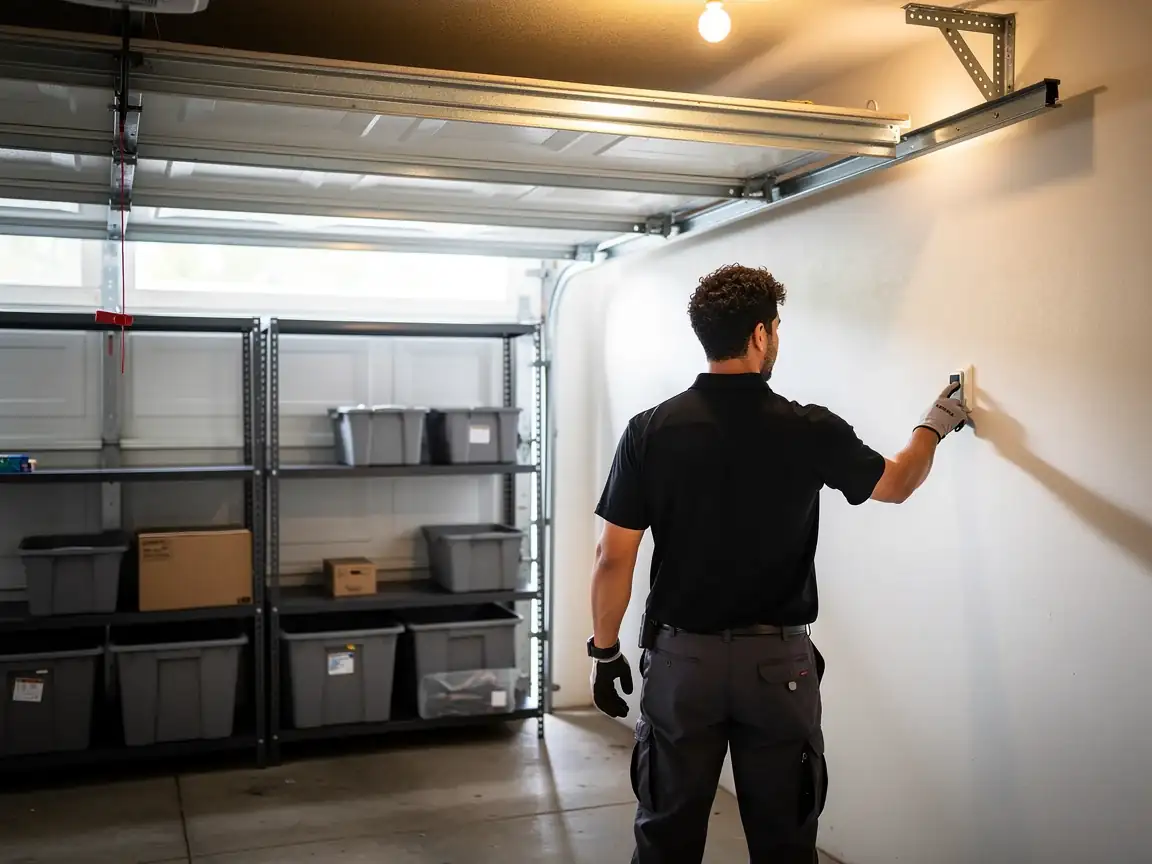
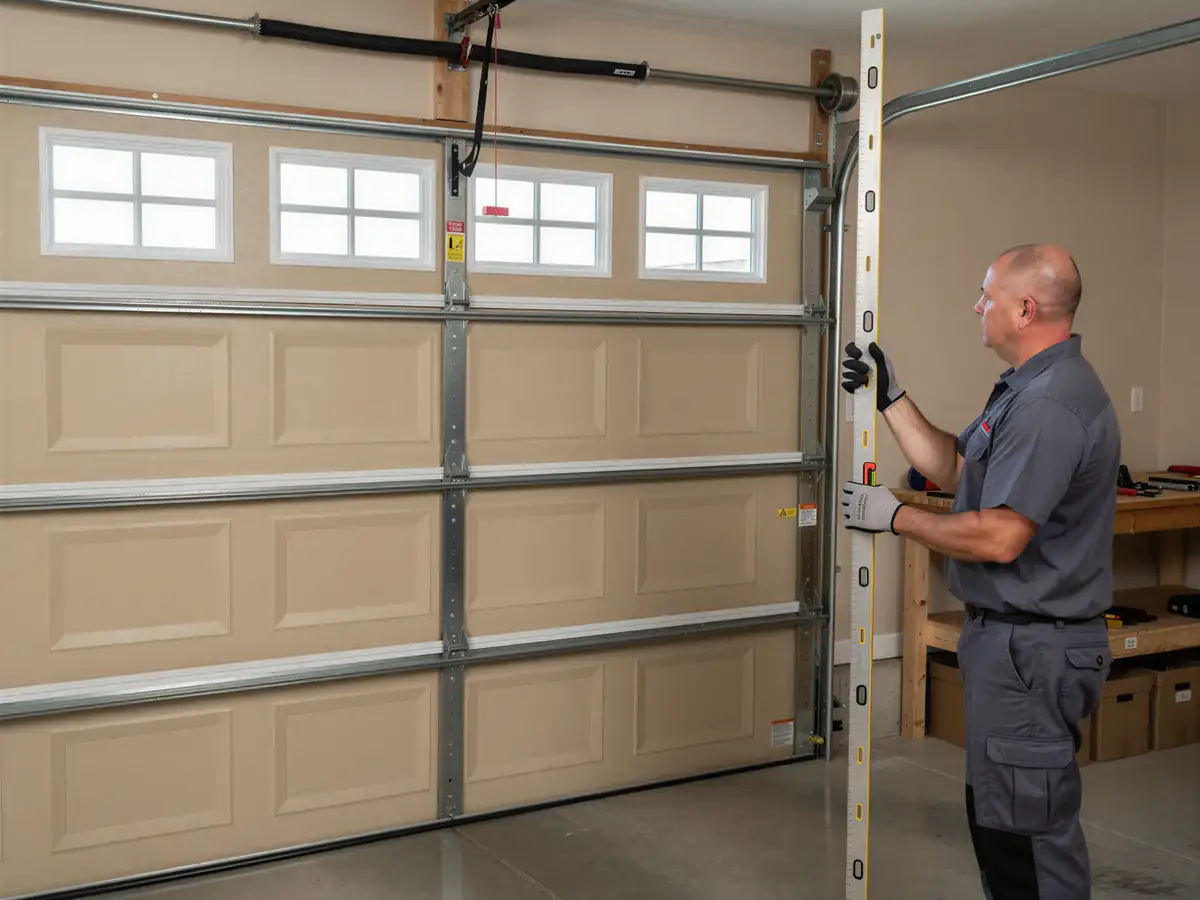
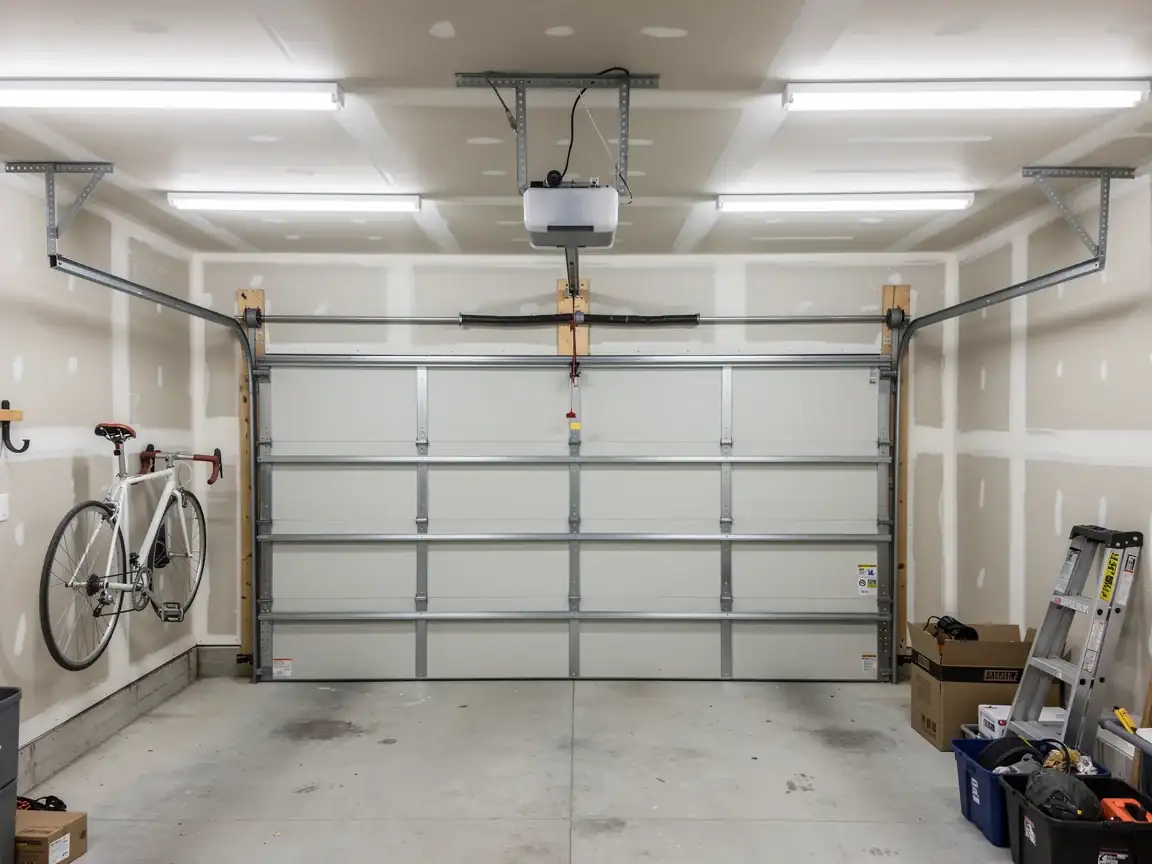
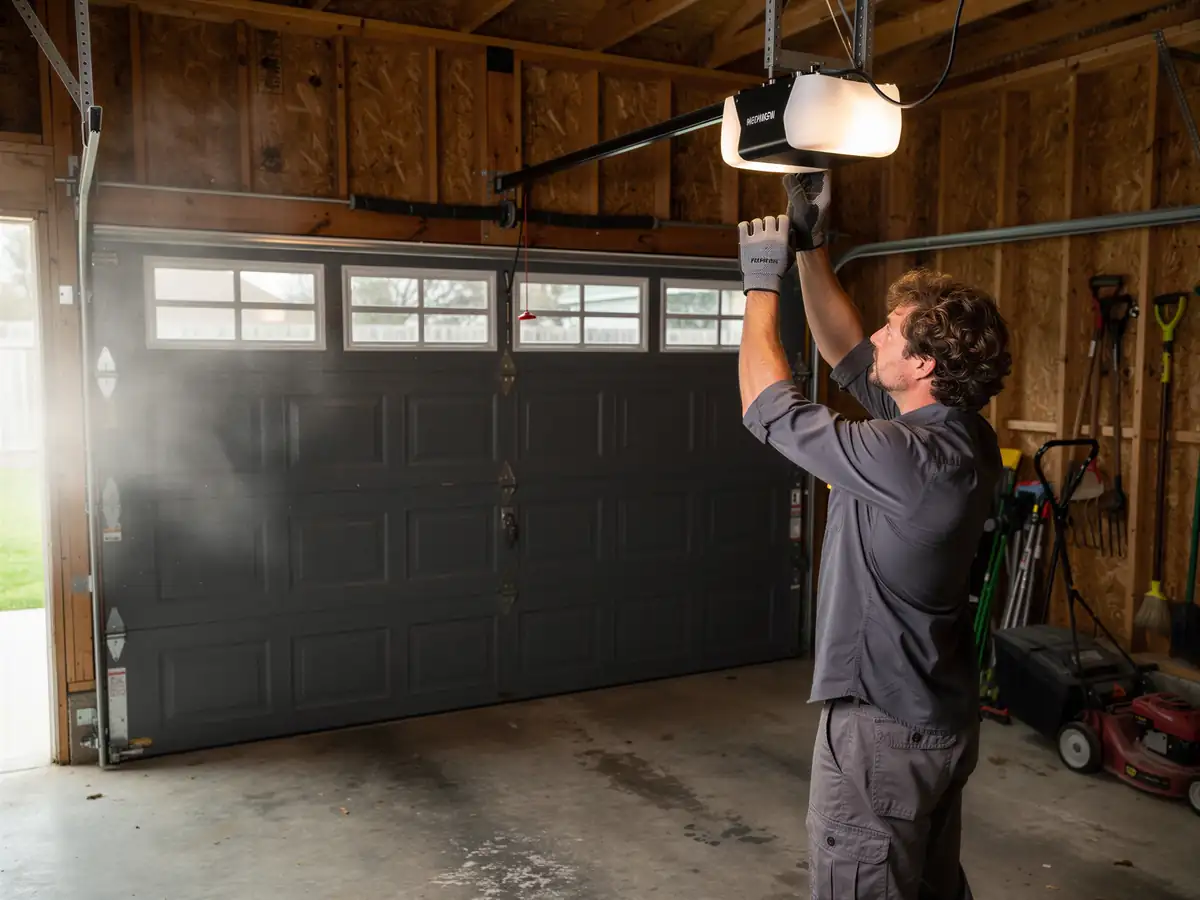
A straight install means mounting a new motor head, running a rail to the header, wiring the wall control and safety sensors, and setting travel limits so the door stops in the right place both directions. On an older house that still has the original track and hardware, we also check whether the header framing and the existing bracket can take a new unit's mounting load, or whether that bracket needs replacing first.
We test the photo-eye sensors and force settings before we leave - those are the two things that get skipped on corner-cut installs and come back as either a door that won't close or one that closes on something it shouldn't.
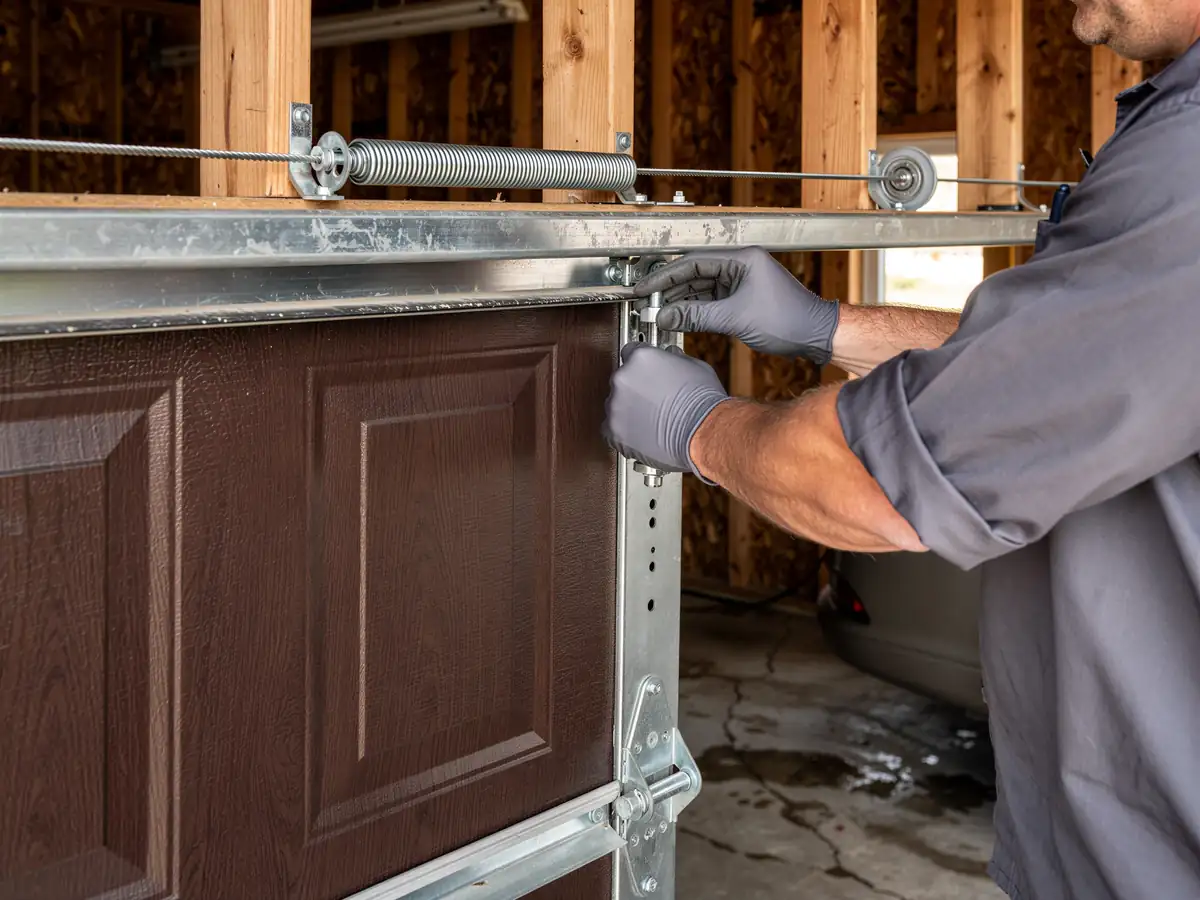
If the existing opener is a belt or chain drive from decades ago and the rail or carriage is pitted or bent, we replace those parts rather than bolt a new motor onto worn track. That's a longer job than a straight swap, but a new motor on a bad rail just transfers the wear problem instead of fixing it.
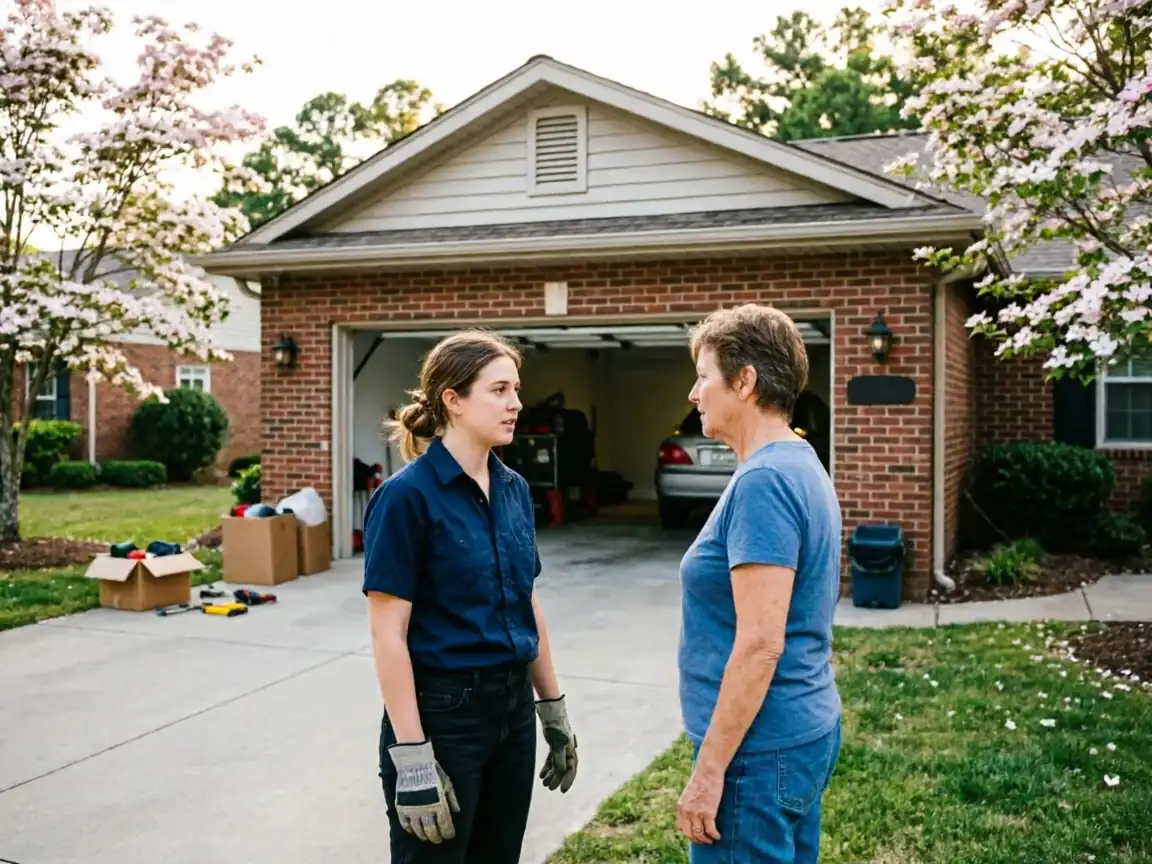
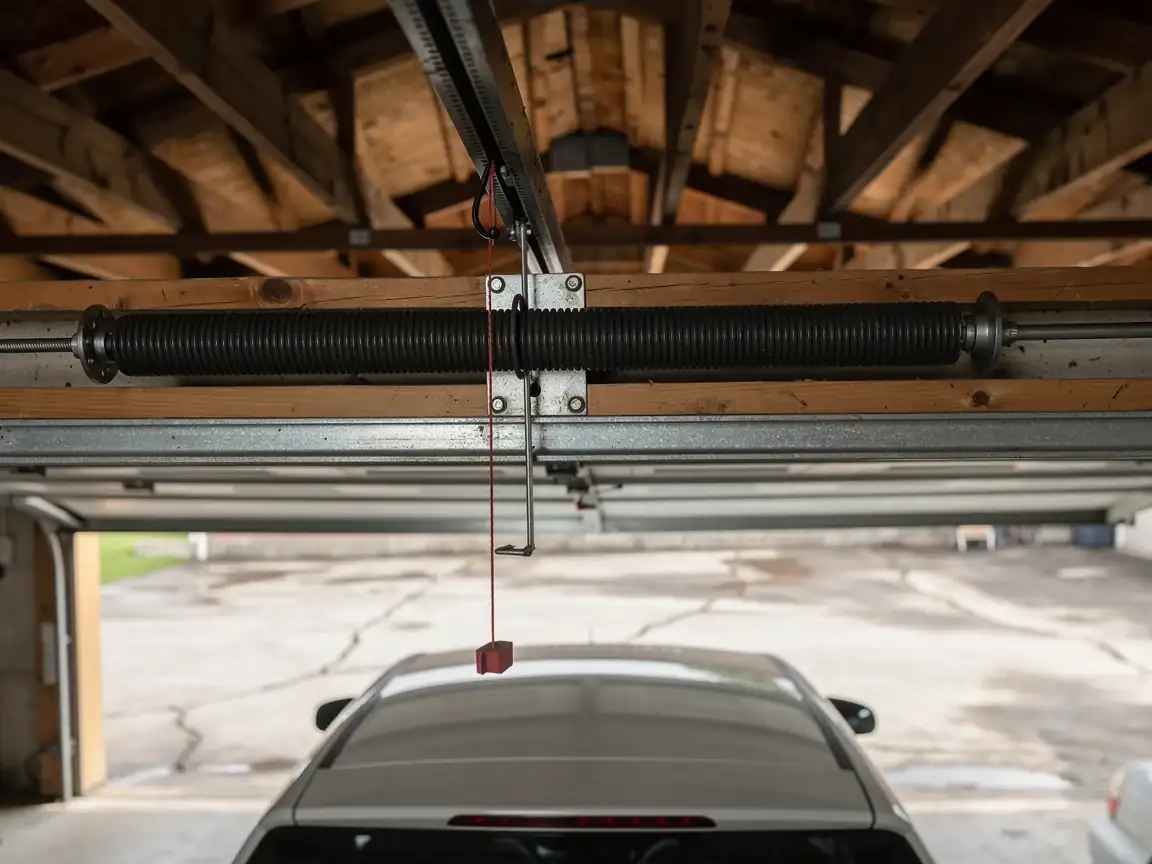
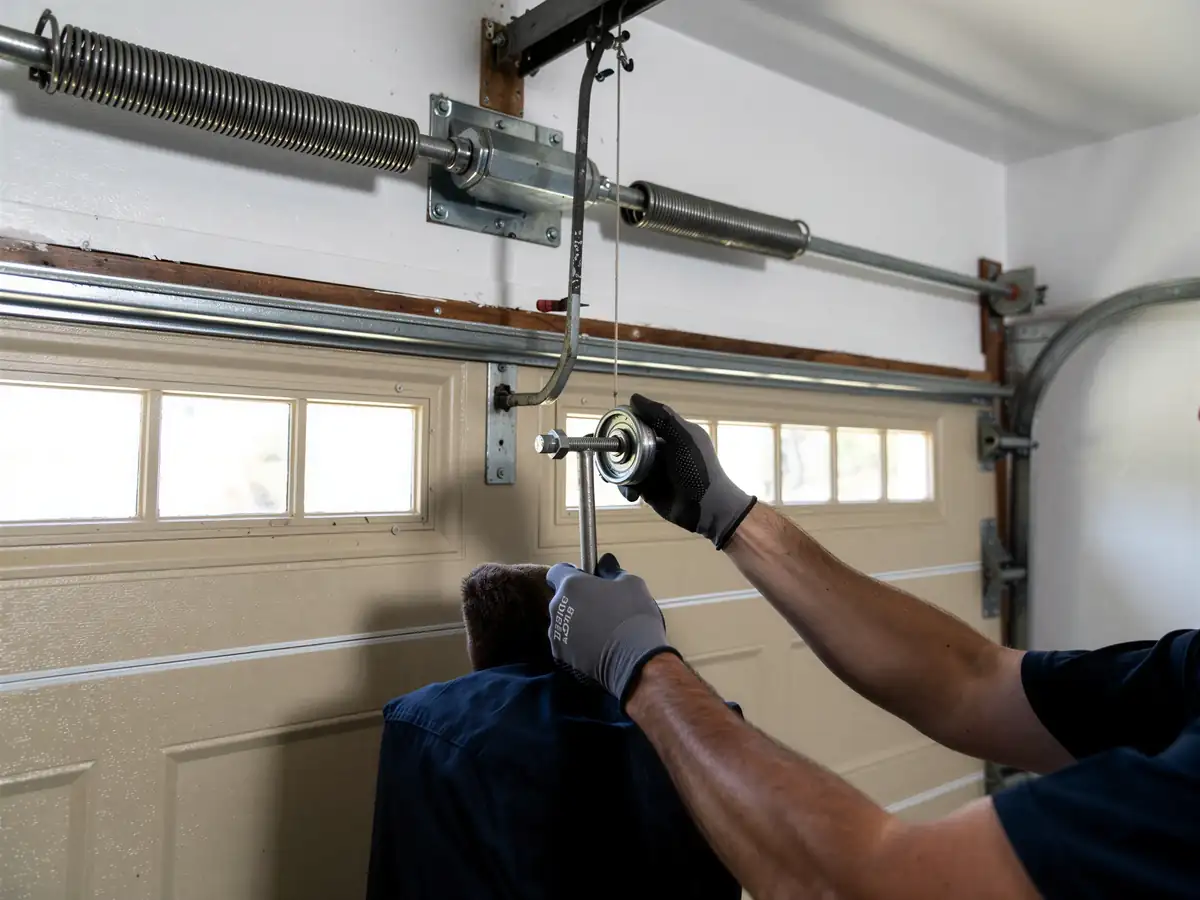
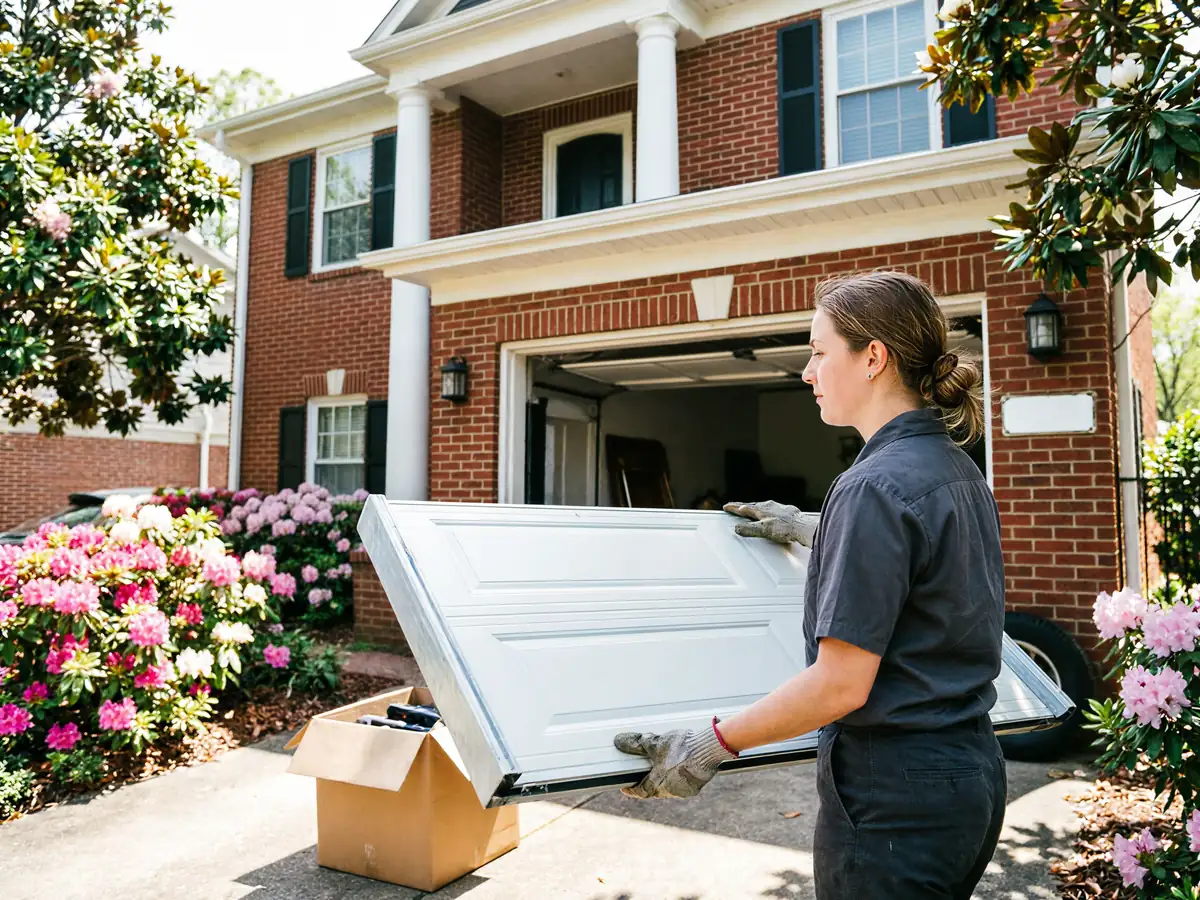
One limitation worth saying plainly: if your door panels themselves are warped or the torsion spring is marginal, a new opener won't fix either of those. We'll tell you if the opener isn't actually your real problem.
Why This Fails Locally
This area's housing stock runs mostly 1960s-70s across the 29 neighborhoods we cover
And that generation of garage was built for a lighter door and a simpler motor than what's sold now. The original header framing and bracket spacing often don't match today's heavier opener units without reinforcement.
- 29 neighborhoods
The climate band here is cold-moderate
Which means winter mornings put a cold-stiff door against a motor that's already working at the edge of its gear life. Cold grease in an old gearbox, combined with a door that's heavier to lift when its hinges and rollers haven't been serviced, is a common way an aging opener finally gives out - usually on the coldest morning of the week, not a mild one.
Across the service area's roughly 38,447 owner-occupied houses
A large share were built before garage door openers were standard equipment at all, meaning the opener itself is often a retrofit from some point after the house went up - installed to whatever hardware was already there rather than built around it. That mismatch between original framing and newer, heavier opener units is the actual mechanical root of a lot of the failures we see.
- 38,447 owner-occupied
Parts We Carry
We stock rails, carriages, wall controls, and photo-eye sensor kits that match the common chain and belt-drive openers found on houses from the 1960s-70s era that makes up most of this area's stock. We also carry the mounting brackets and header hardware that older framing often needs replaced alongside a new motor.
What we don't keep on the truck is every manufacturer's proprietary circuit board or remote for discontinued models from decades back - those sometimes carry a lead time if the original brand no longer makes that part. We'll tell you up front if that's the case rather than quote a same-day install we can't deliver.
For most installs on houses from this area's typical build era, standard rail, motor, and sensor kits cover the job without a special order.