How It Shows Up
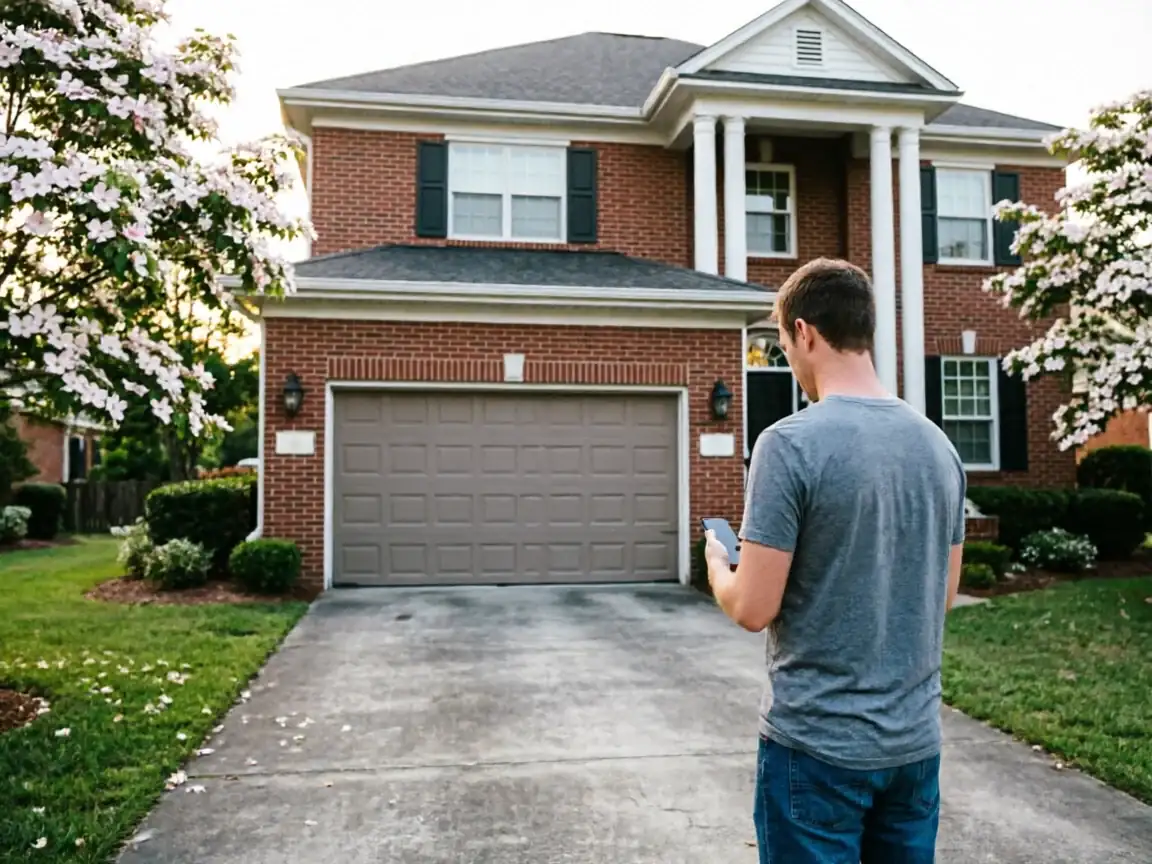
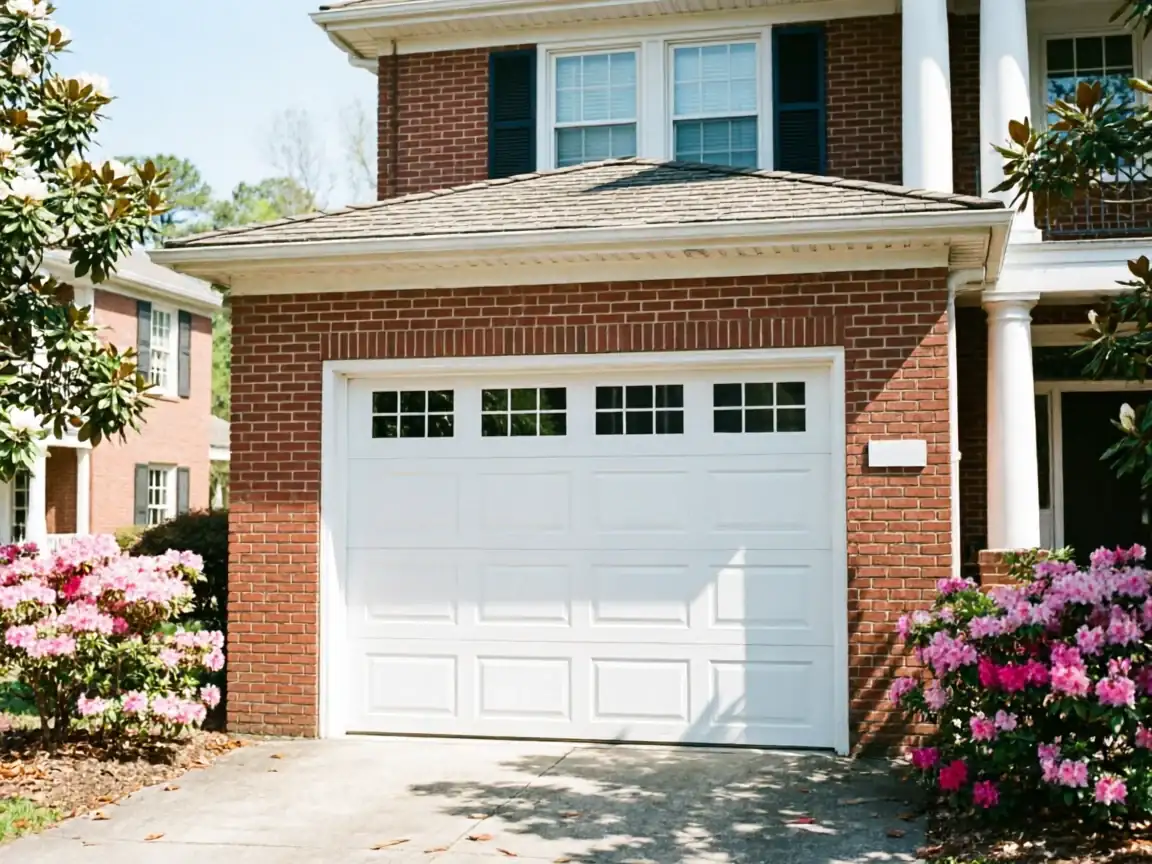
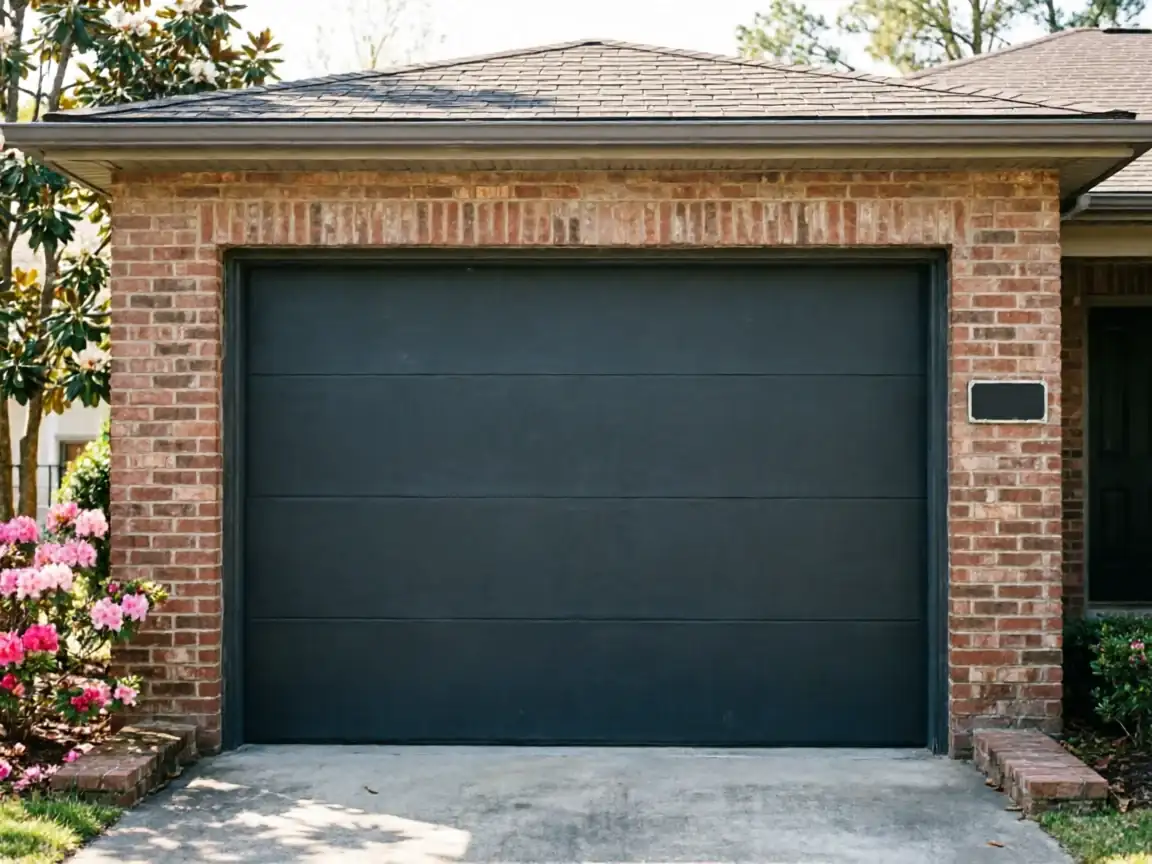
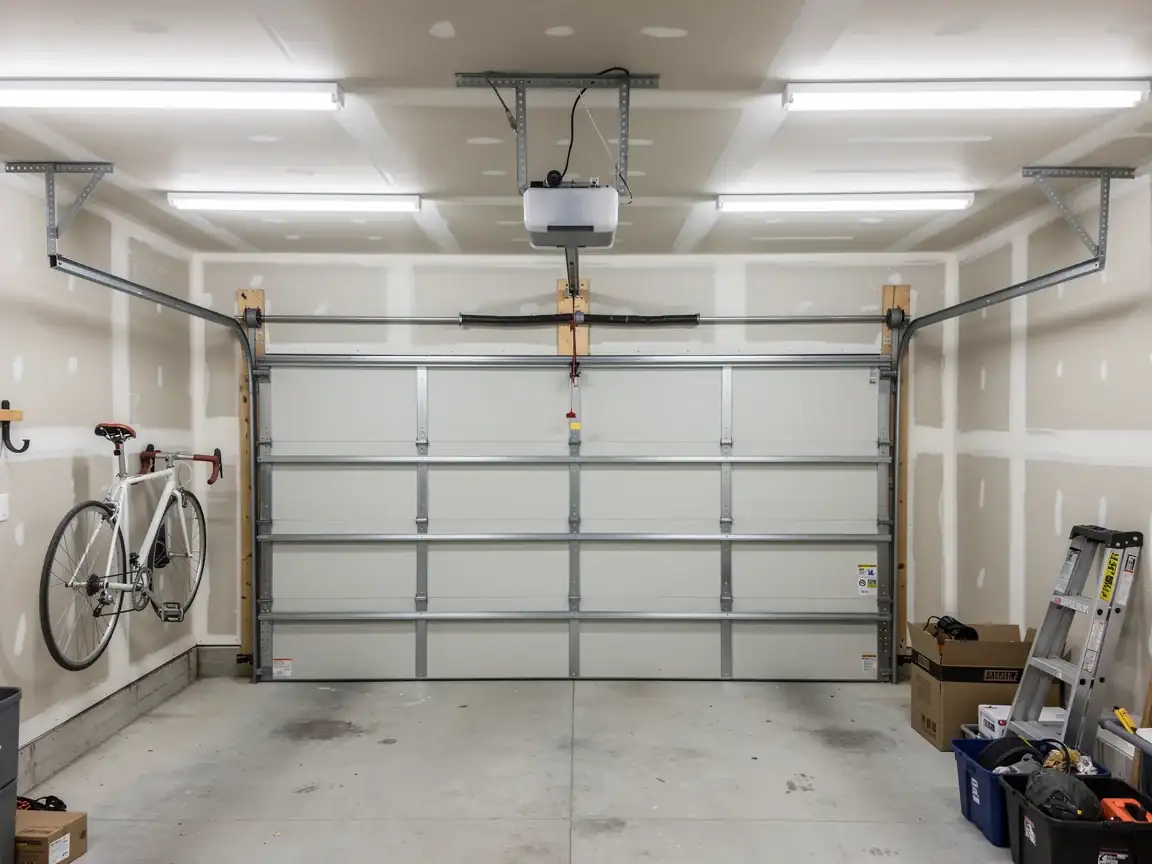
A dented or cracked panel doesn't heal on its own, and the way it shows up here follows the housing stock. Across this service area, homes went up between 1938 and 2007, with the bulk of that building happening through the 1960s and 70s and a median build year of 1974. Doors from that stretch are steel, single-skin or lightly insulated, with seam patterns and panel widths specific to whatever supplier the builder used that decade. When a panel on one of those doors takes a hit from a car bumper, a basketball, or just years of the opener racking it slightly off-track, you get a crease that runs the width of the section, paint that cracks along the seam, or a bow that keeps the roller from riding straight in the track. On newer doors the same impact usually just dents the skin. On the older steel common in this area, the dent tends to deform the whole section because the gauge is thinner and the reinforcement behind it has usually started to rust at the fastener points. You'll also see it as a door that closes unevenly - one side drags because the damaged panel has pulled the track out of square.
What the Fix Involves
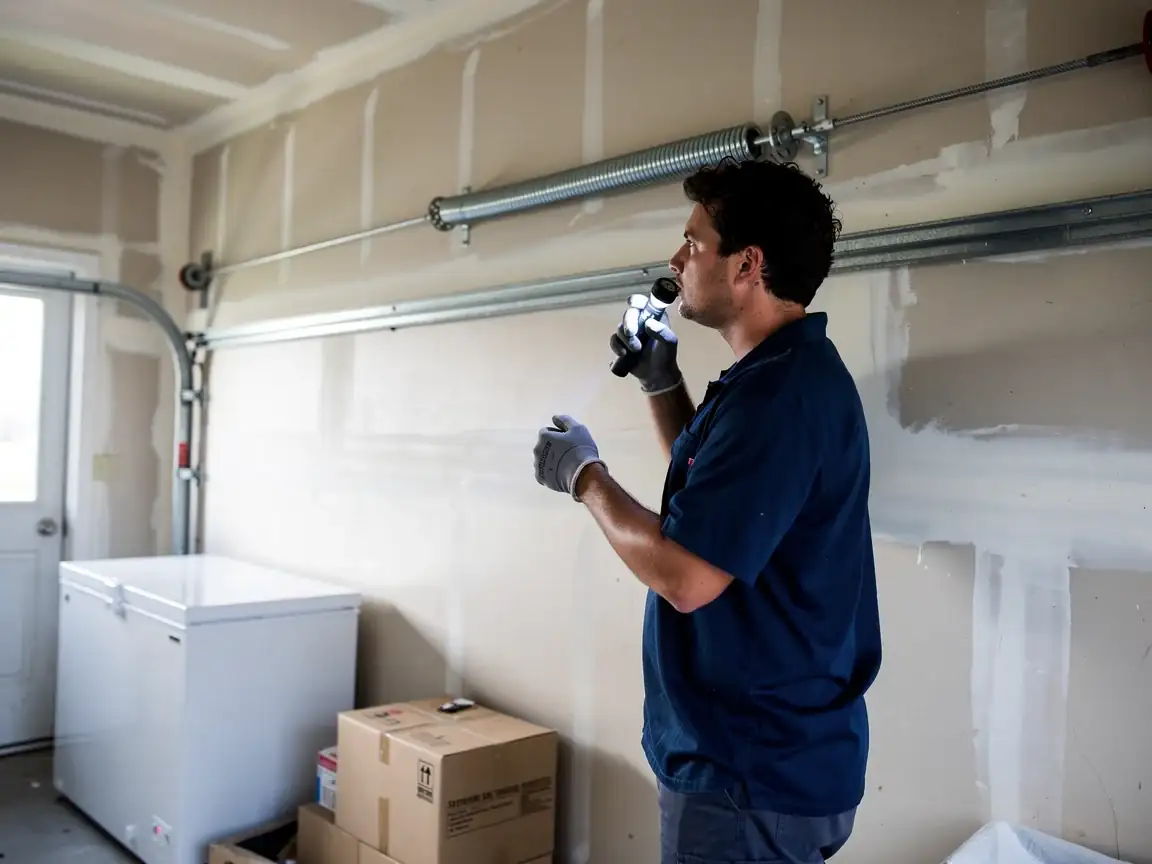
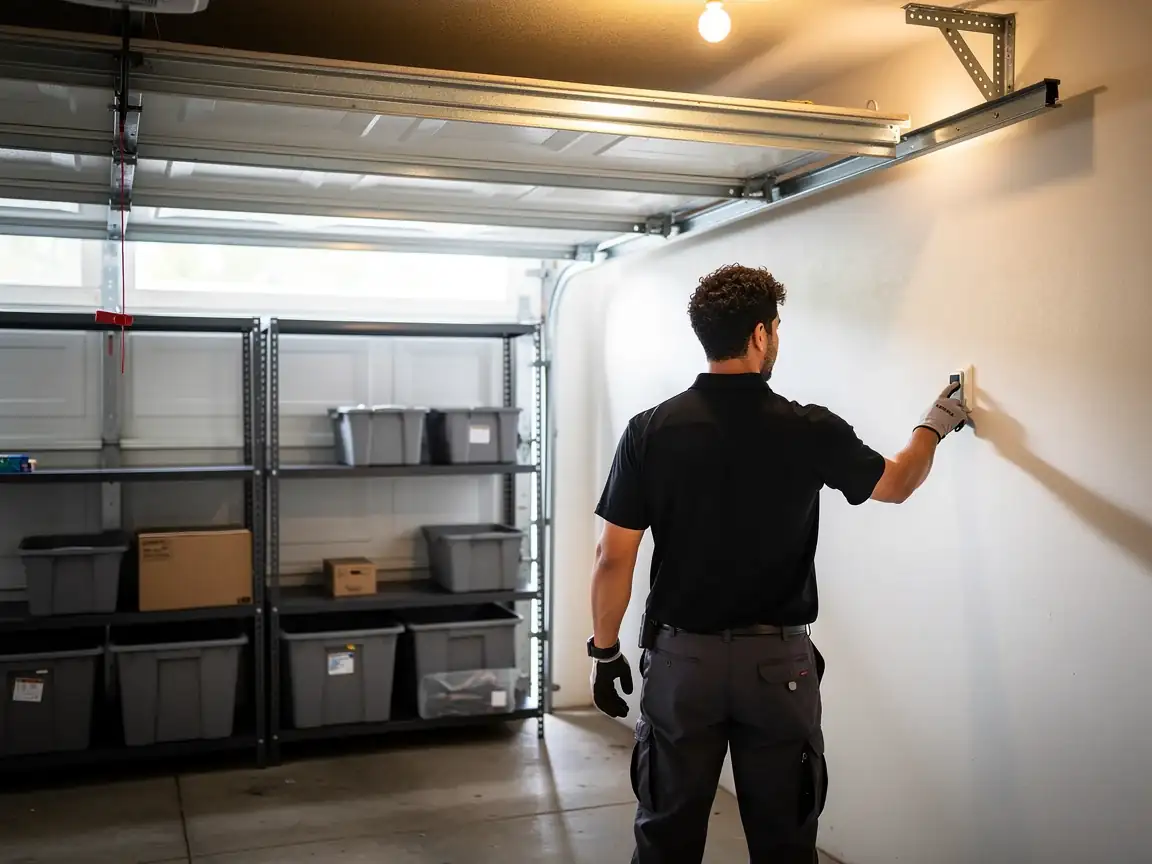
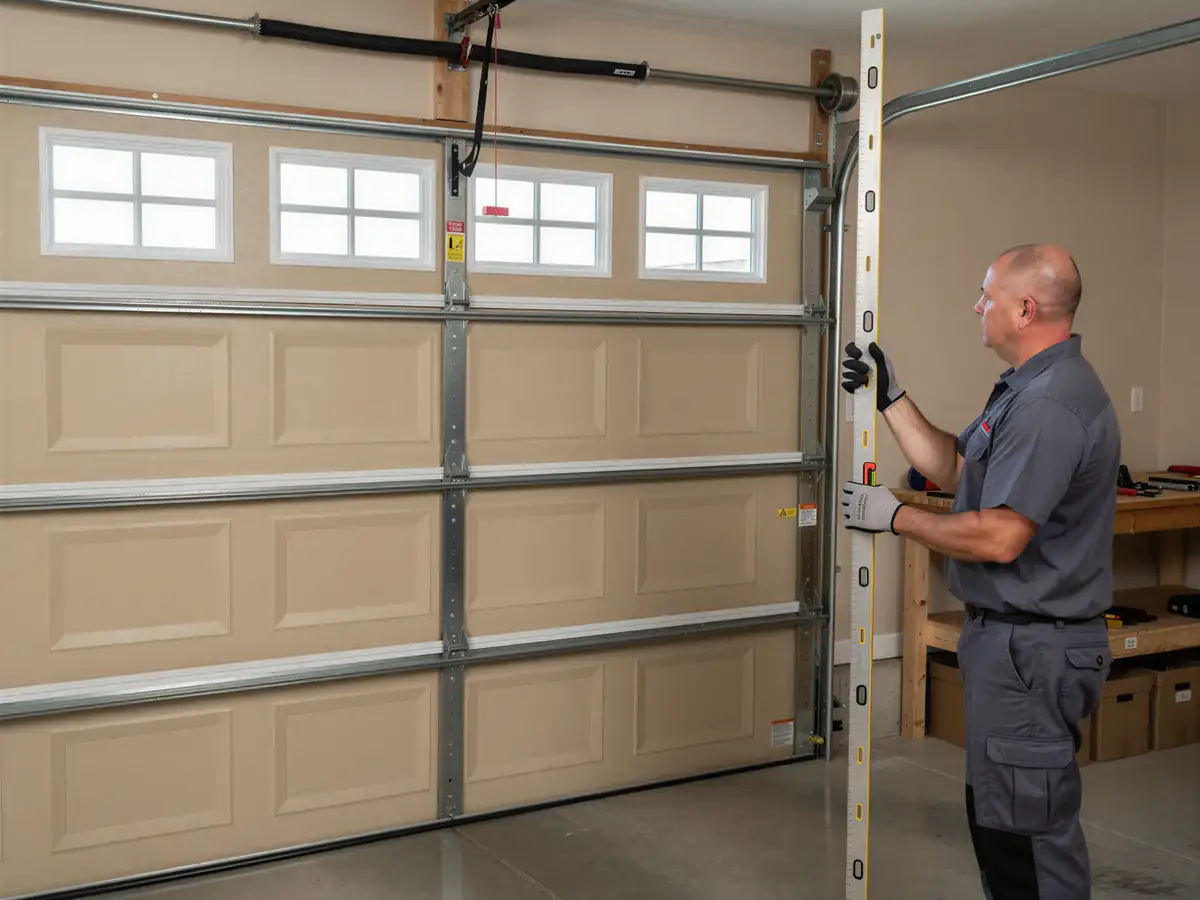
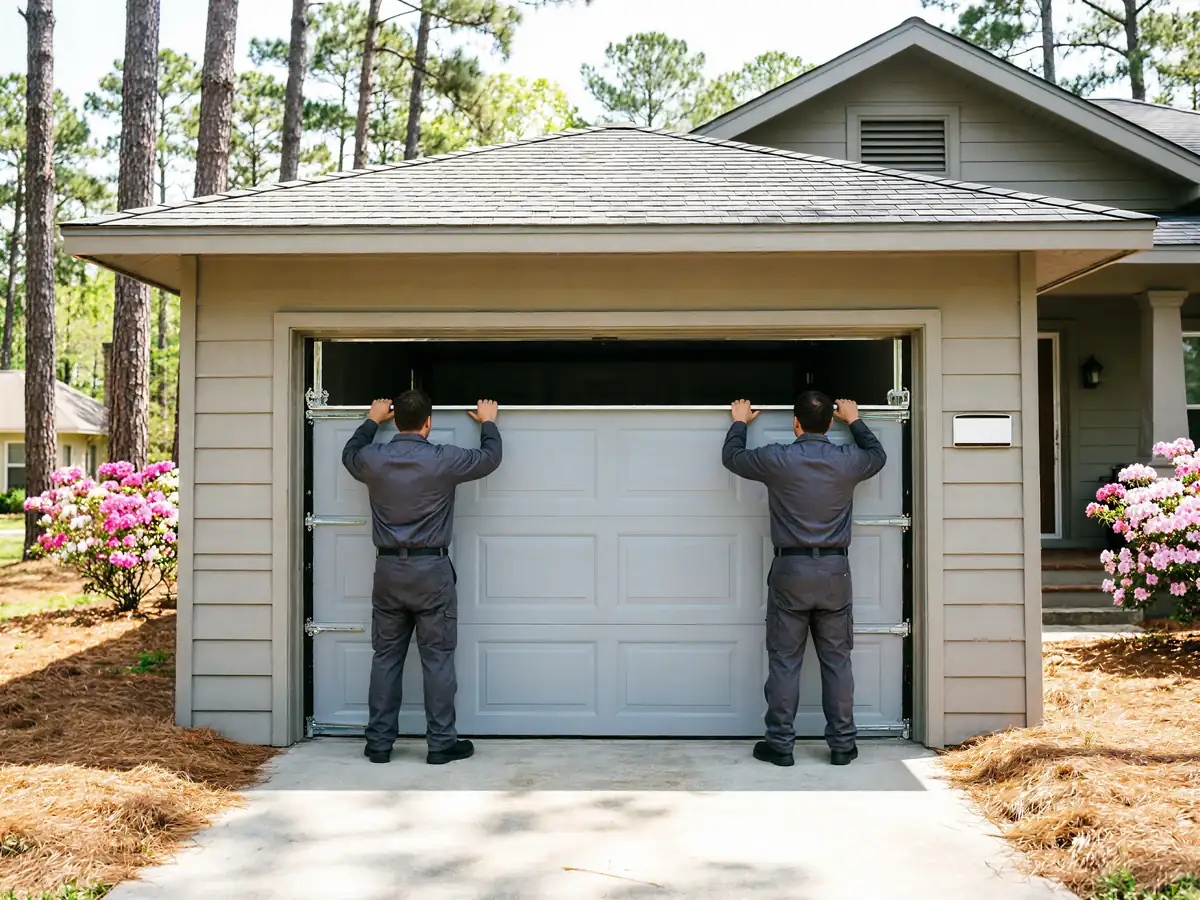
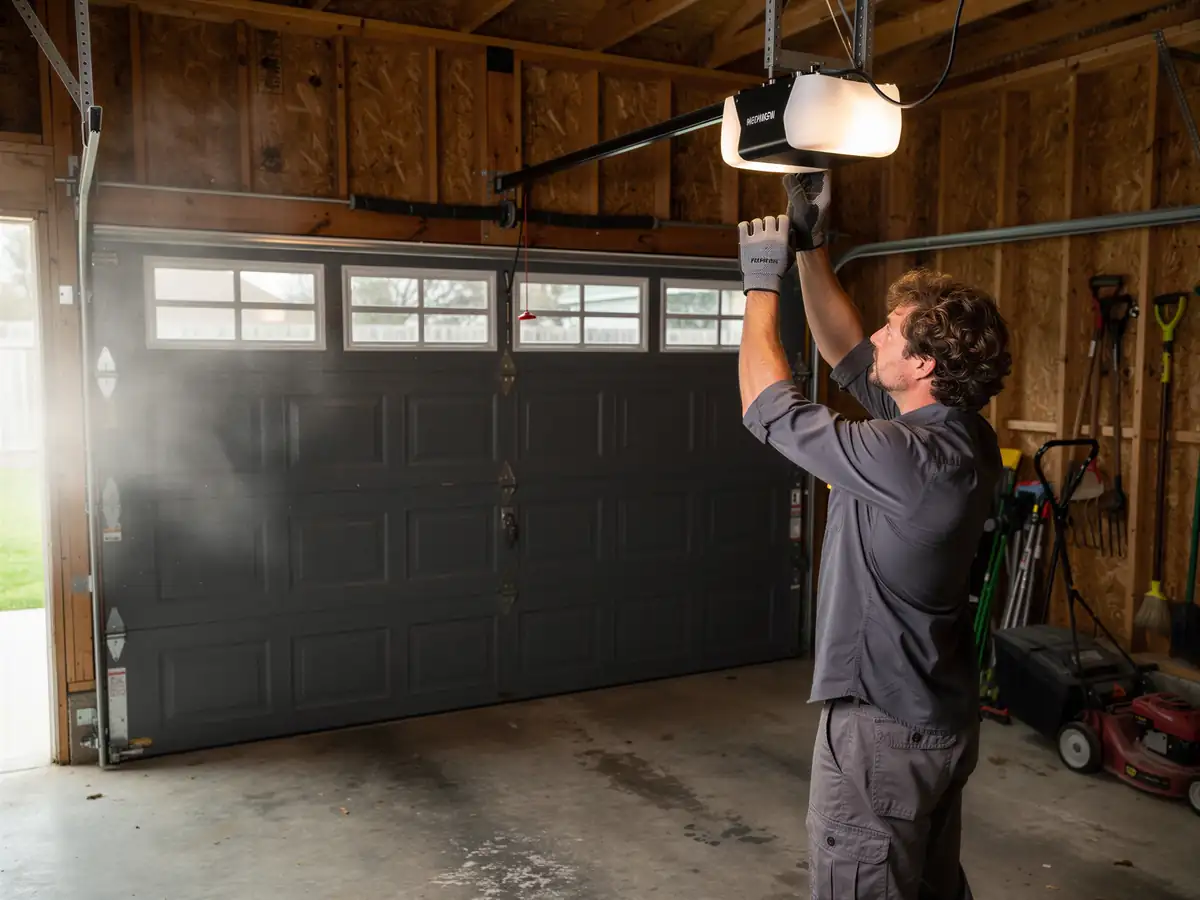
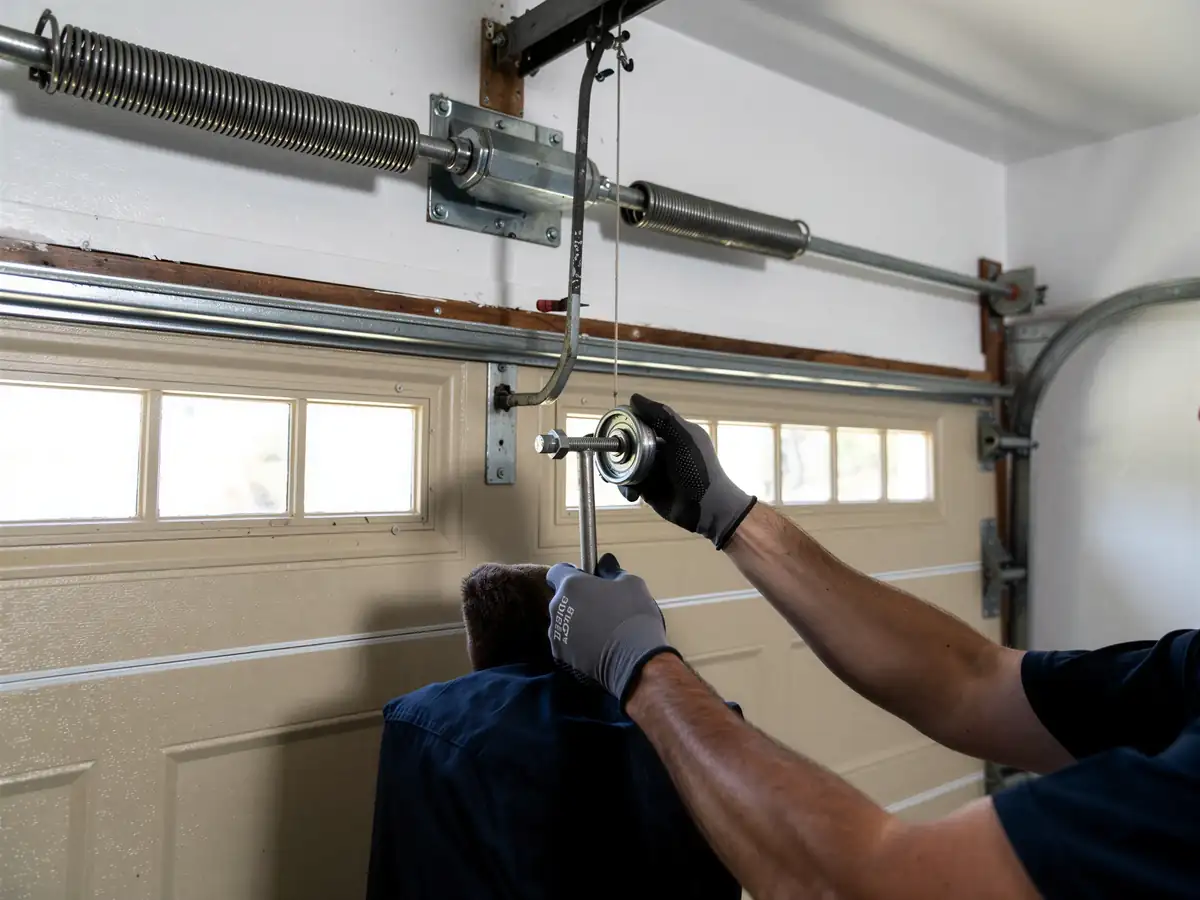
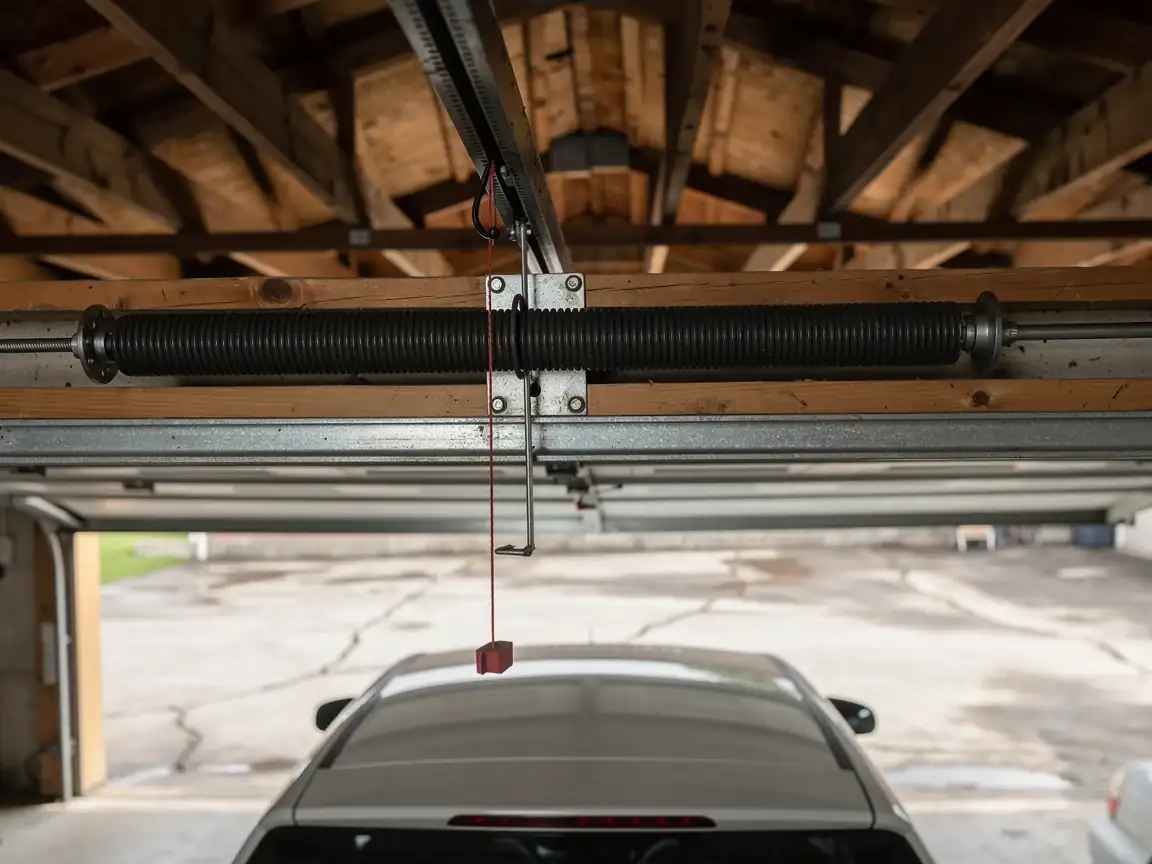
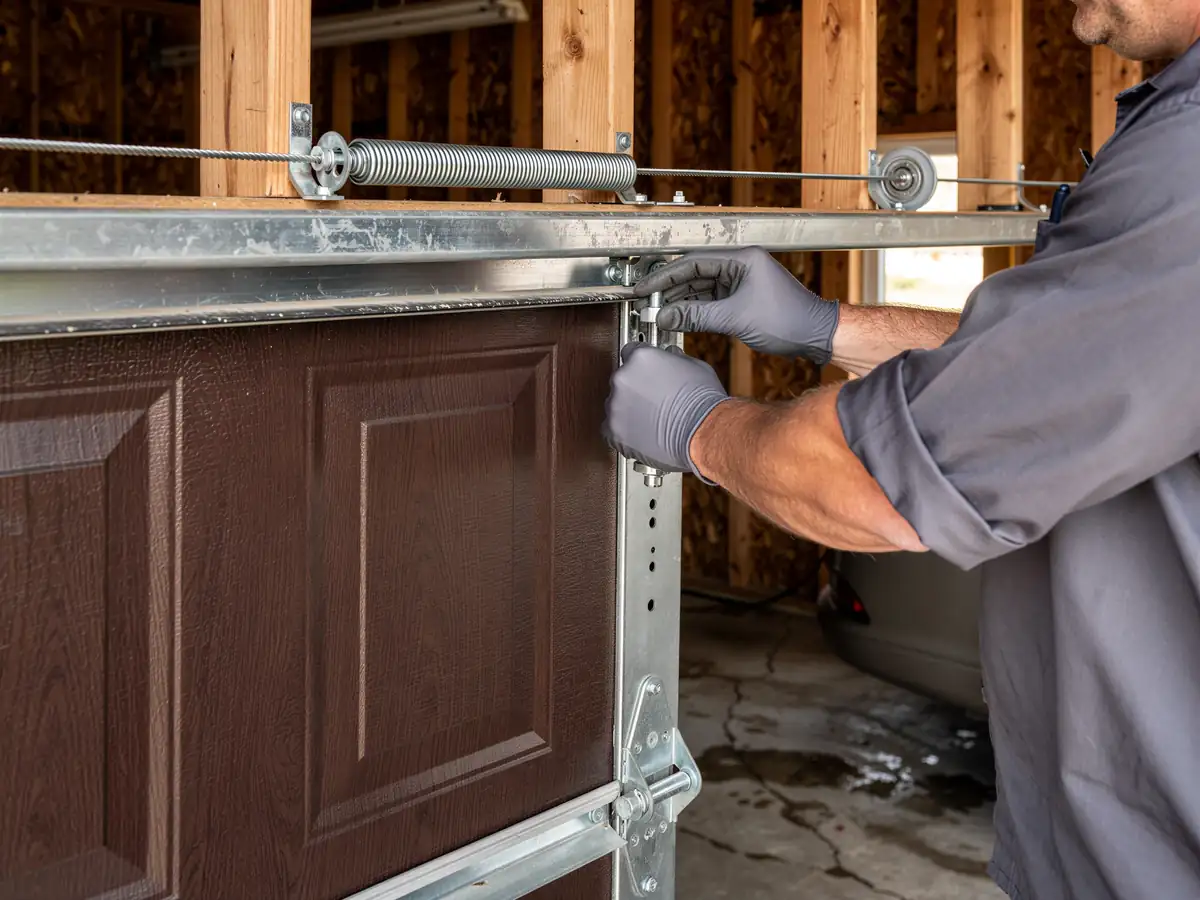
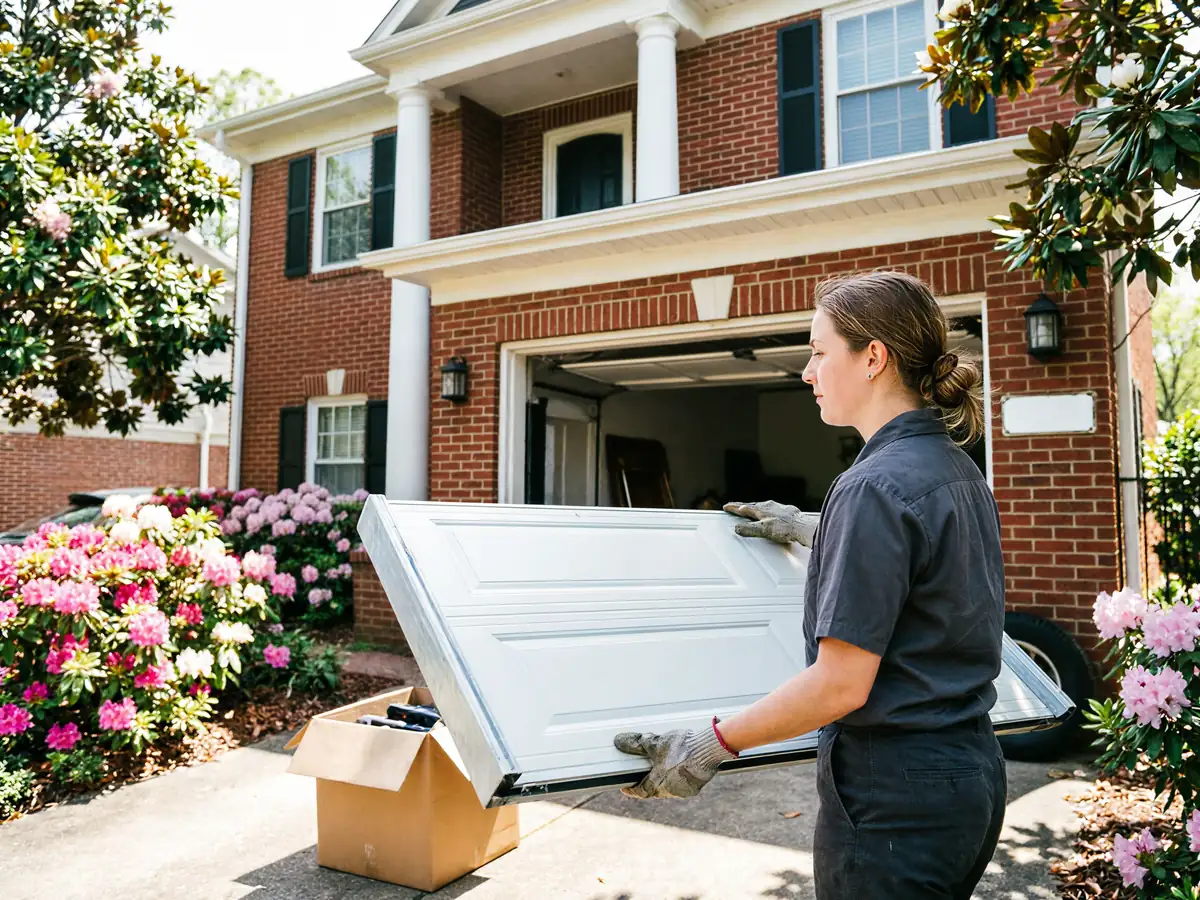
Panel replacement starts with matching, not swapping. We measure the section height, the hinge spacing, and the profile of the existing panels, because most garage doors here are sectional and you don't need to replace the whole door to fix one bad section - you need a section that lines up with the hardware already on the door. That means pulling the door off tension safely, which on an older torsion-spring setup means resetting spring tension after the new section goes in, since the spring was calibrated to the weight of the door as a whole. We reinstall the hinges and rollers from the old section if they're still sound, check the track alignment the damaged panel may have knocked out of square, and run the door through a full open-close cycle before we call it done. One honest limit here: if the damaged section's exact profile was discontinued by the manufacturer - which happens a lot with doors from the 1960s and 70s - we may only be able to match close enough that the color or rib pattern differs slightly from the rest of the door. In that case, full door replacement sometimes makes more sense than a visible mismatch, and we'll tell you that up front rather than force a patch.
Parts We Carry
We stock replacement panel sections sized for the common profiles that show up across this service area's roughly 95,226 households and 38,447 owner-occupied houses - largely the mid-century steel designs tied to the 1960s and 70s construction boom that built out this part of the county. That includes standard raised-panel steel sections in the widths that match torsion and extension hardware from that era, plus the hinge and roller hardware that typically needs replacing alongside an old panel. What we don't carry on the truck is every discontinued color or embossed pattern a specific builder used decades ago - some of those require a special order with a lead time, and we'll tell you that cost and wait up front rather than install a mismatch and call it finished. We serve the stretch of towns from about 7 miles out to roughly 20 miles, and we size our stock to the mix of door eras that shows up across that whole radius, not just one neighborhood.