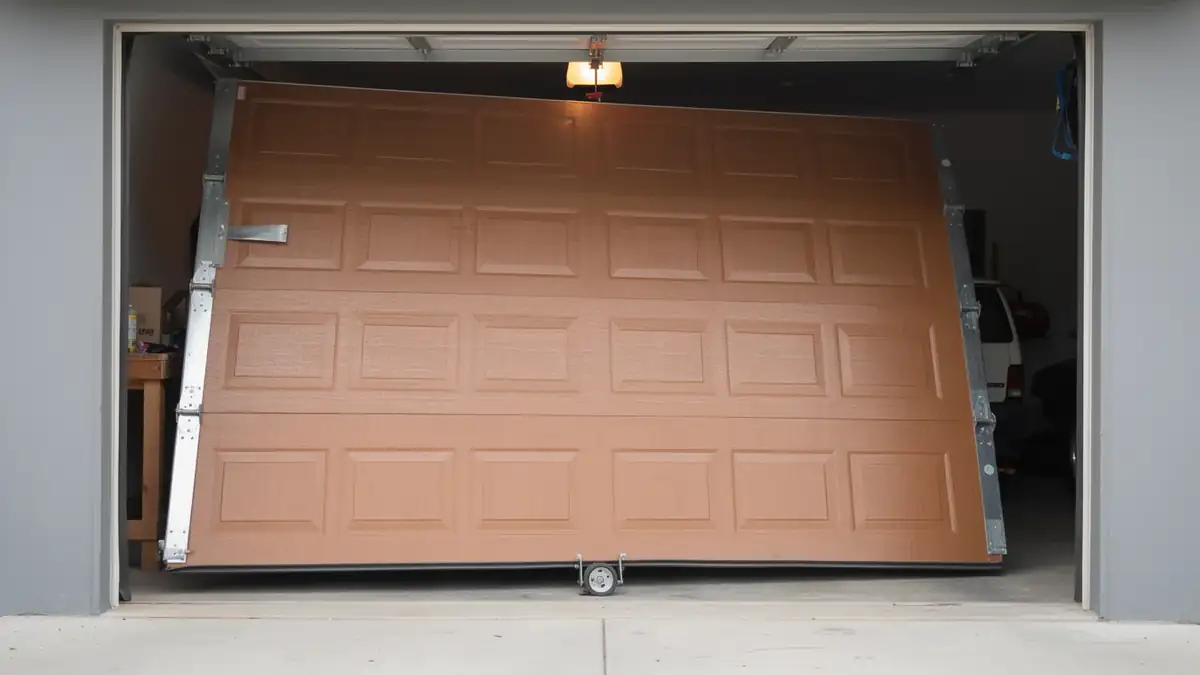
The Situation
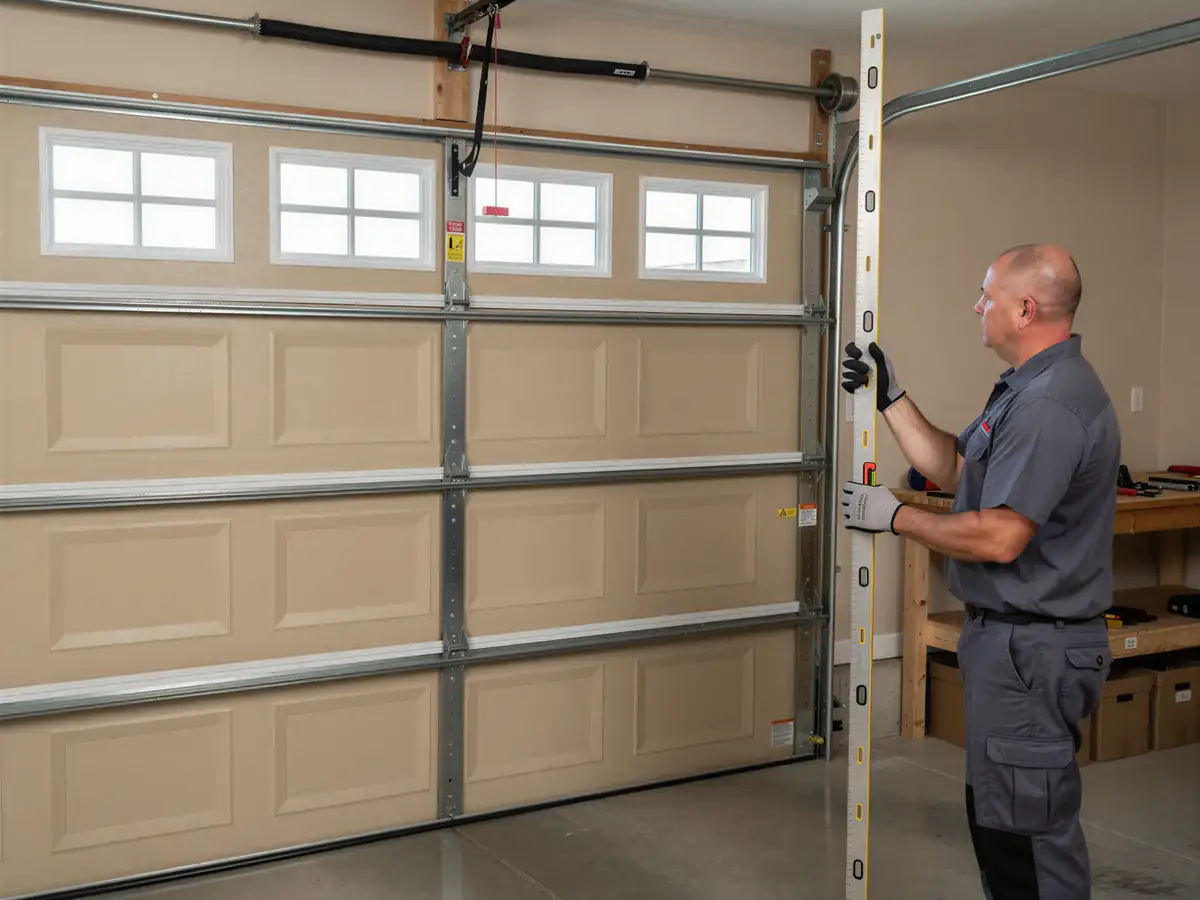
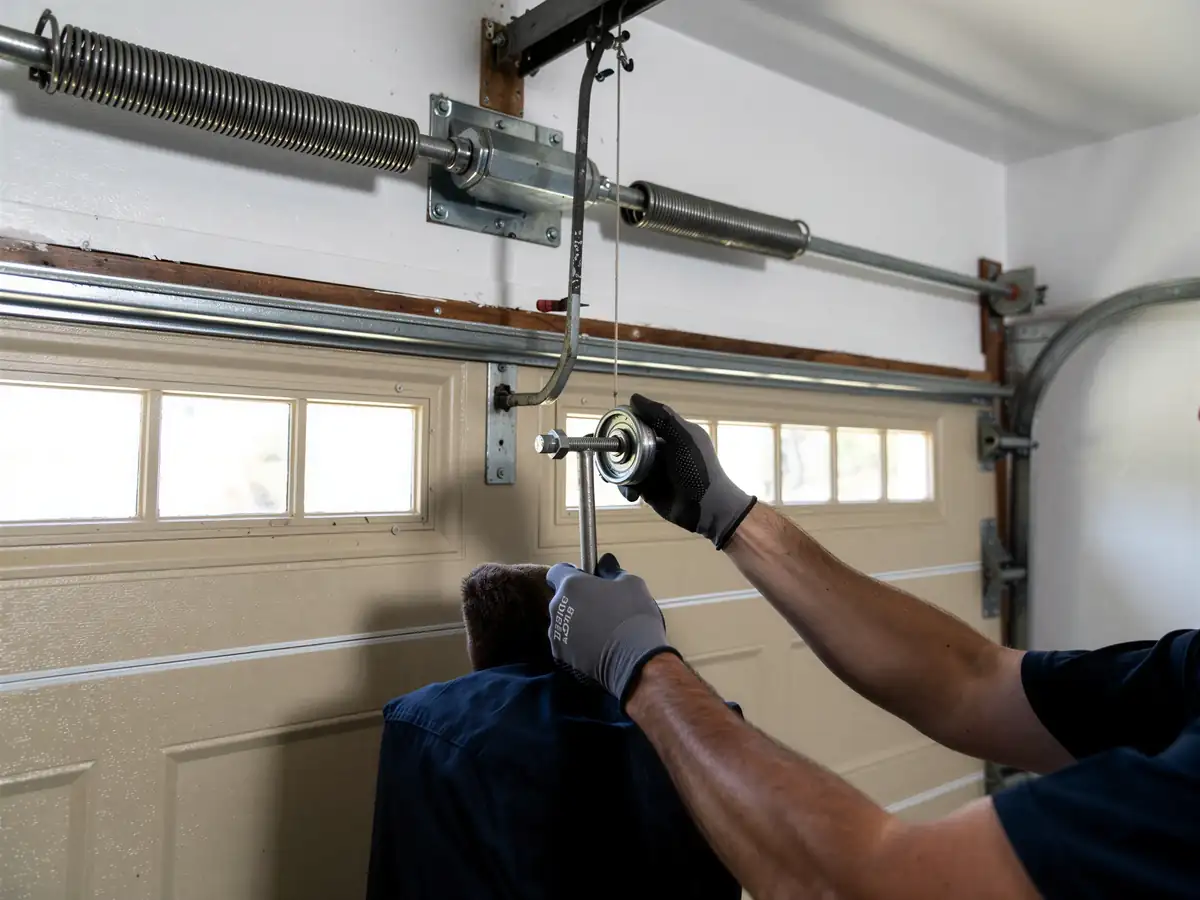
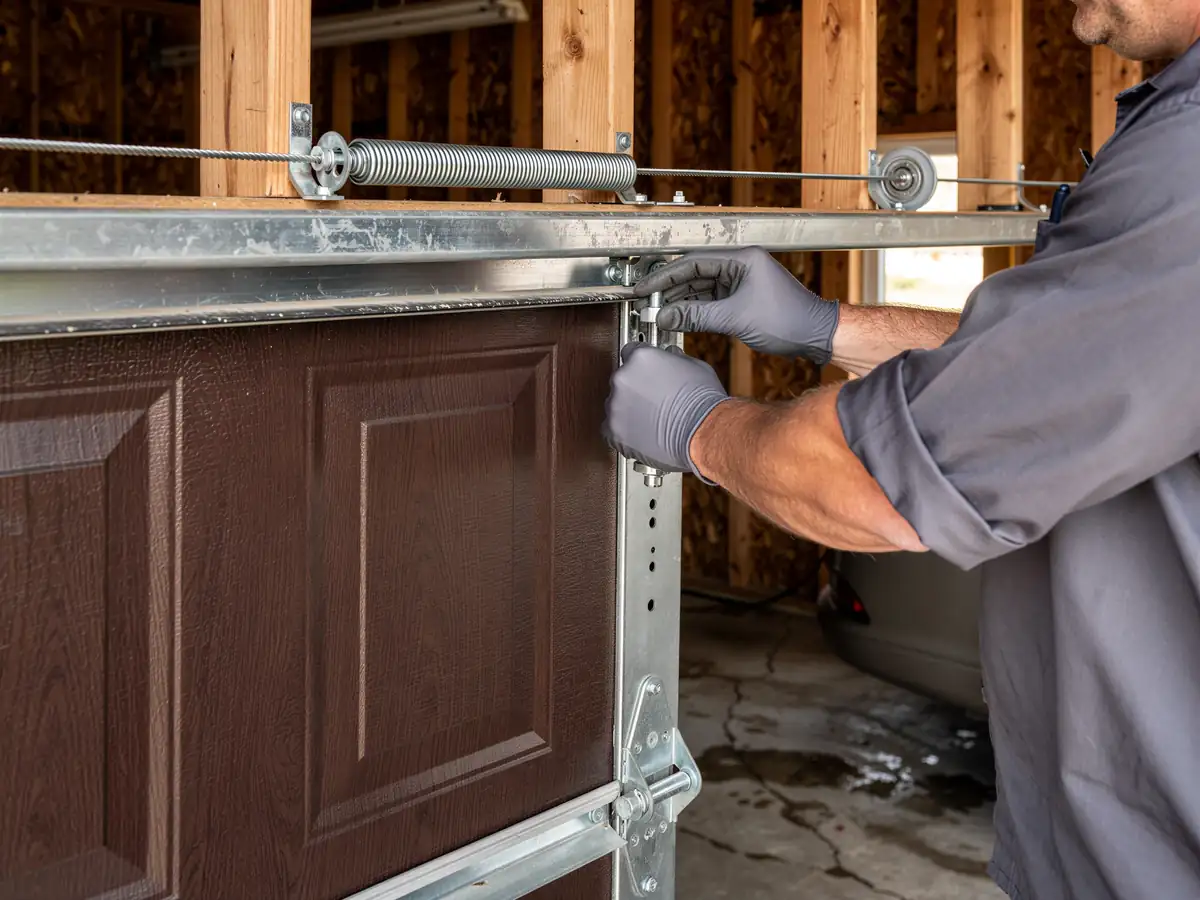
Most of the garage doors we get called out for in this area aren't new installs gone wrong - they're original hardware on houses that went up between 1960 and the late 1970s, on a stock with a median build year of 1974. That matters because a door jumping track almost never happens on its own. It's the end of a slow process: a bent horizontal track, a loose jamb bracket, or rollers that have worn past round after decades of the same cable pulling them the same direction.
We see this across the full stretch of the service area, not just in one pocket - the same 1960s-70s build pattern shows up house after house across the 29 named areas we work in. A door that's run fine for forty years on original hardware isn't running on borrowed time by accident. The brackets holding the track to the frame were installed with wood screws into jambs that have moved a little every year since. Eventually the track isn't square to the door anymore, and a roller finds the gap.
What Most People Get Wrong
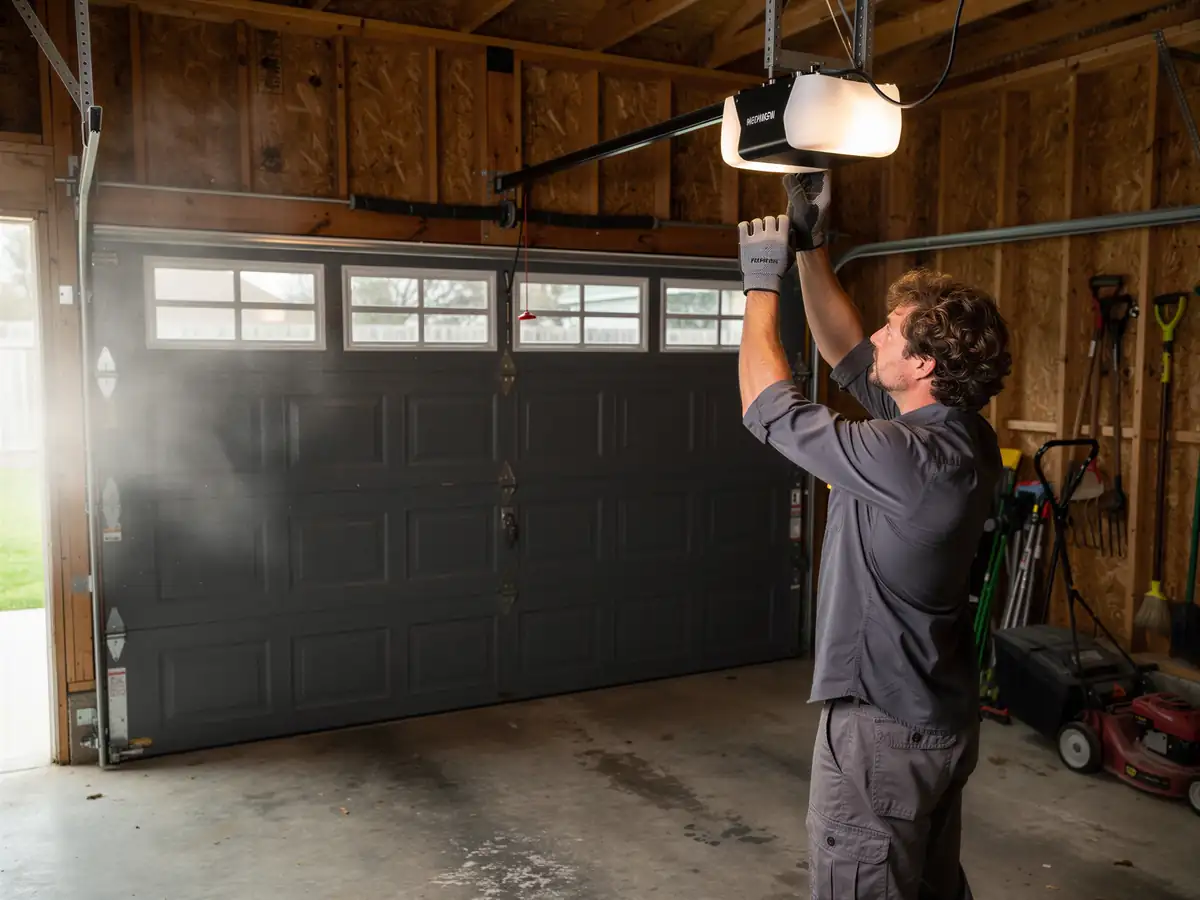
The common mistake is treating a door that's jumped track as a spring problem or an opener problem, because those are the parts people have heard of. It's usually neither. If the door is a 1970s-vintage panel on its original rollers, the roller itself has probably worn down enough that it no longer tracks true - it rattles side to side before it ever comes loose.
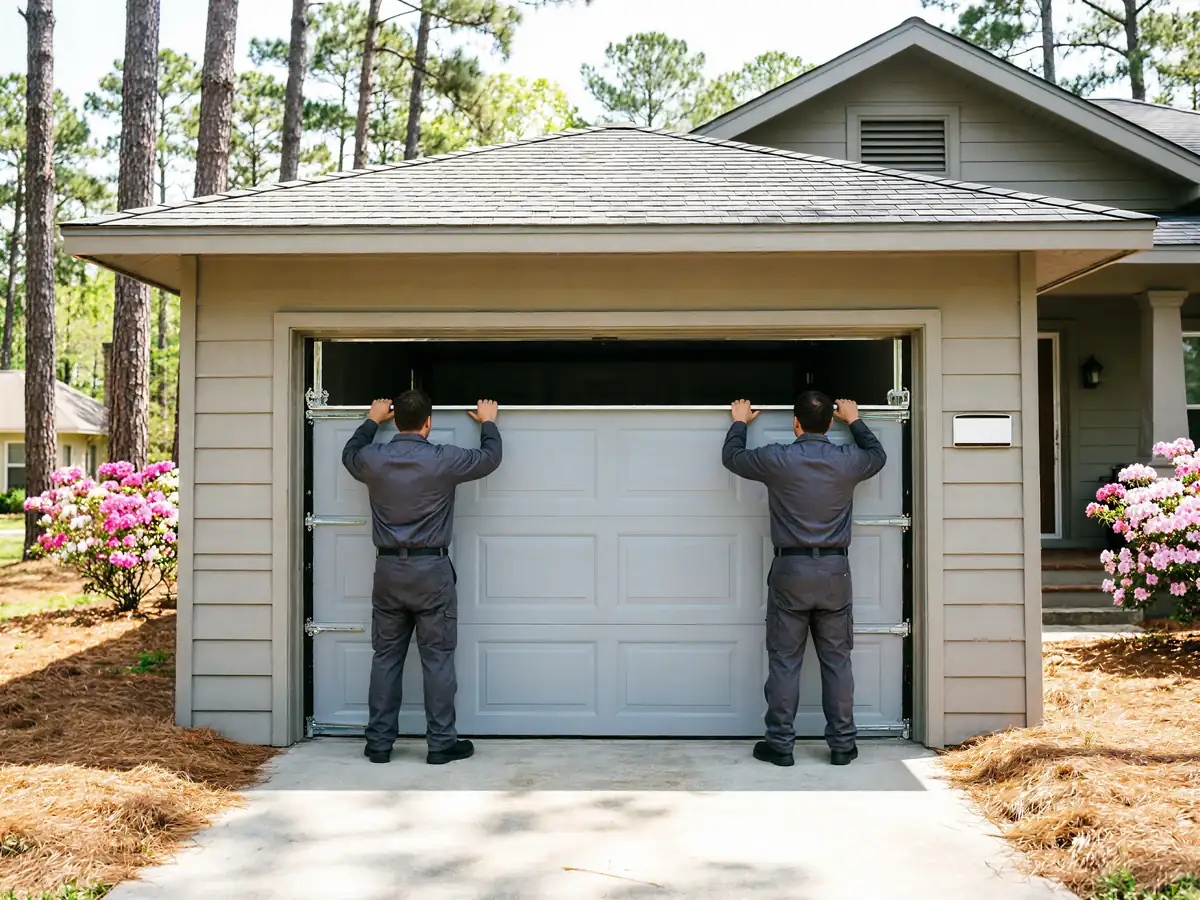
The other mistake is forcing the door back onto the track by hand and calling it fixed. That gets the door moving again for a week, maybe a month, but it doesn't address why the track came loose from the bracket in the first place. On a house built in that mid-century window, the bracket is usually held with hardware that's been flexing for fifty-plus years, and re-seating a roller into a track that's still bent just moves the failure point down the line. We'd rather tell you that up front than have you call back in three weeks with the same problem, worse.
When to Call Someone
Call before the door comes all the way off, not after
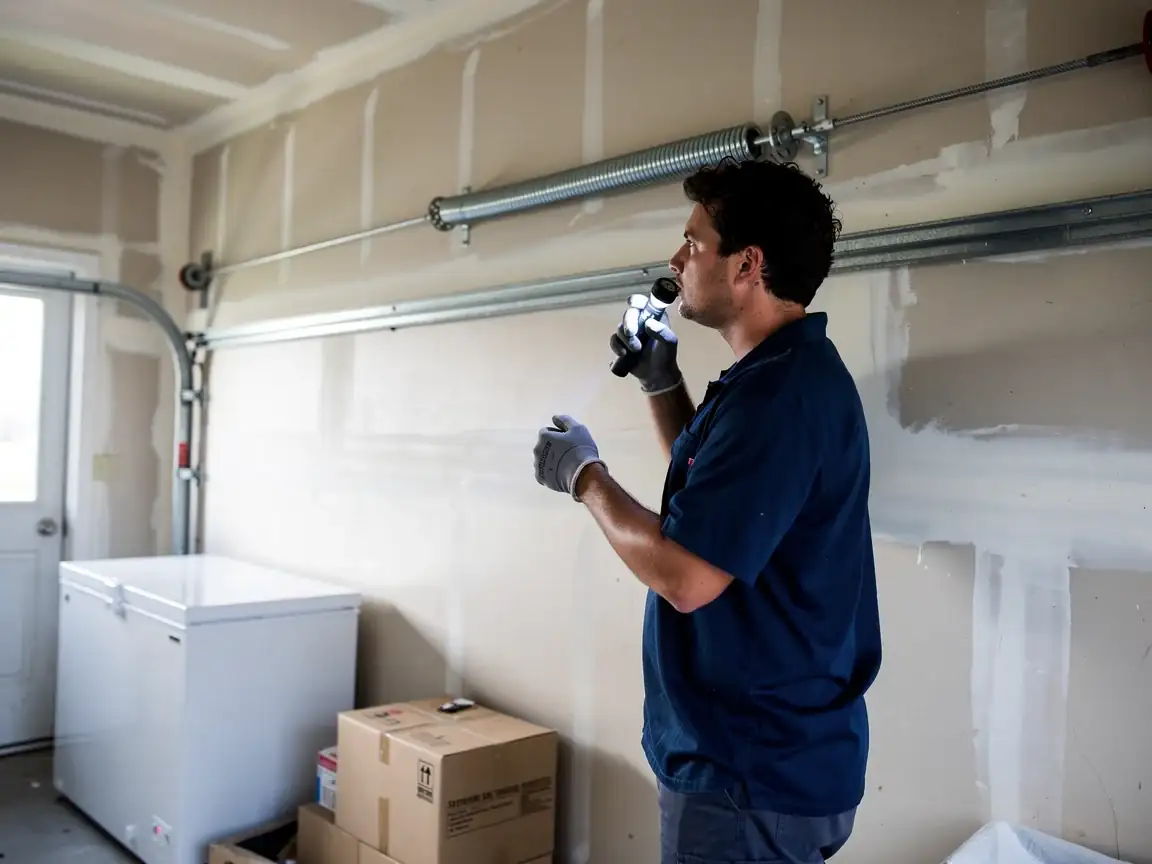
If you hear a scrape or a knock every time the door passes a certain spot on the track, that's a roller riding the edge of a bent rail - it hasn't jumped yet, but it will. If one side of the door looks lower than the other when it's open, a bracket has already pulled loose from the jamb.
We'll be honest about one limitation
Once a track is bent badly enough, straightening it rarely holds. Replacing the track section is usually the more durable fix, and on older houses we sometimes need to replace the jamb bracket hardware too, since the original screws won't bite into fifty-year-old wood the same way new ones will. If the door is original to a house built in that 1960s-70s window, repairing one section often means the rest isn't far behind - worth knowing before you spend money twice.
What the Weather Here Does to It
This area sits in a cold-moderate climate band, which means real swings between summer heat and winter cold rather than a flat temperature year-round. Steel track and steel brackets expand and contract with that swing, and on hardware that's already fifty years old, the bolts holding bracket to jamb loosen a little more with every cycle.
It's not dramatic in any single season - no single cold snap or hot stretch does it. It's the repeated expansion and contraction, year after year, on hardware installed back when builders used different fasteners than we do now. That's part of why the failure pattern is so consistent across the 1960s-70s housing stock here: it's not bad luck or bad installation, it's fifty years of ordinary temperature swings working on brackets that were never meant to last that long without a look.