How It Shows Up
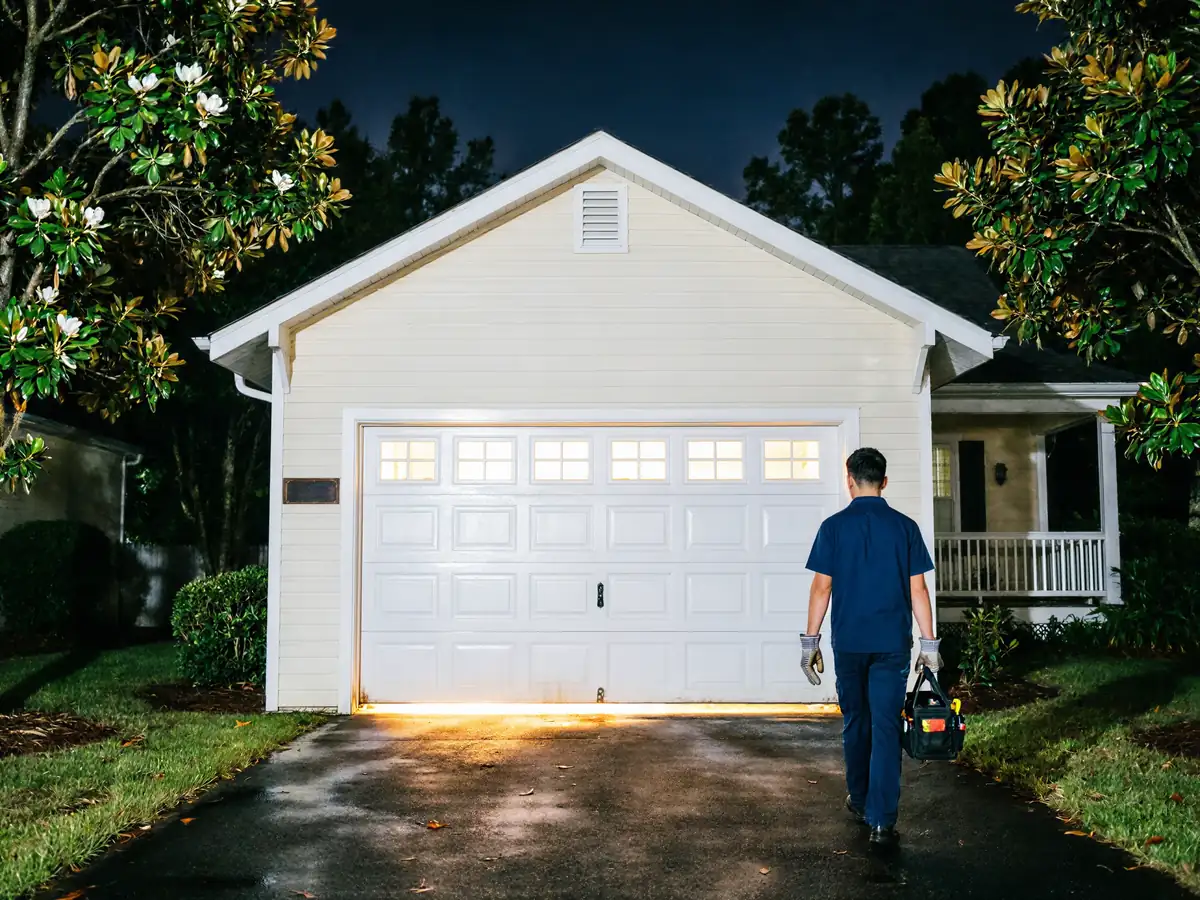
Most calls start the same way: the door hesitates on the way up, or it slams the last six inches on the way down. Sometimes it's a grinding noise from the rollers, sometimes a loud bang from a cable jumping its drum. None of this happens overnight. A torsion spring loses a little tension every winter, a roller wears a flat spot, a track shifts a quarter inch out of plumb - and the door keeps running on borrowed time until one of those small problems becomes a door that won't move at all.
Across the service area, housing was built mostly between 1938 and 2007, with the median home going up in 1974 and most of the stock concentrated in the 1960s and 70s. That means a lot of doors and openers out there are original equipment, or close to it, running on hardware nobody has serviced since it was installed. The symptoms show up as noise first, then stiffness, then a door that drops or sticks halfway - usually right when you're already late for work.
What the Fix Involves
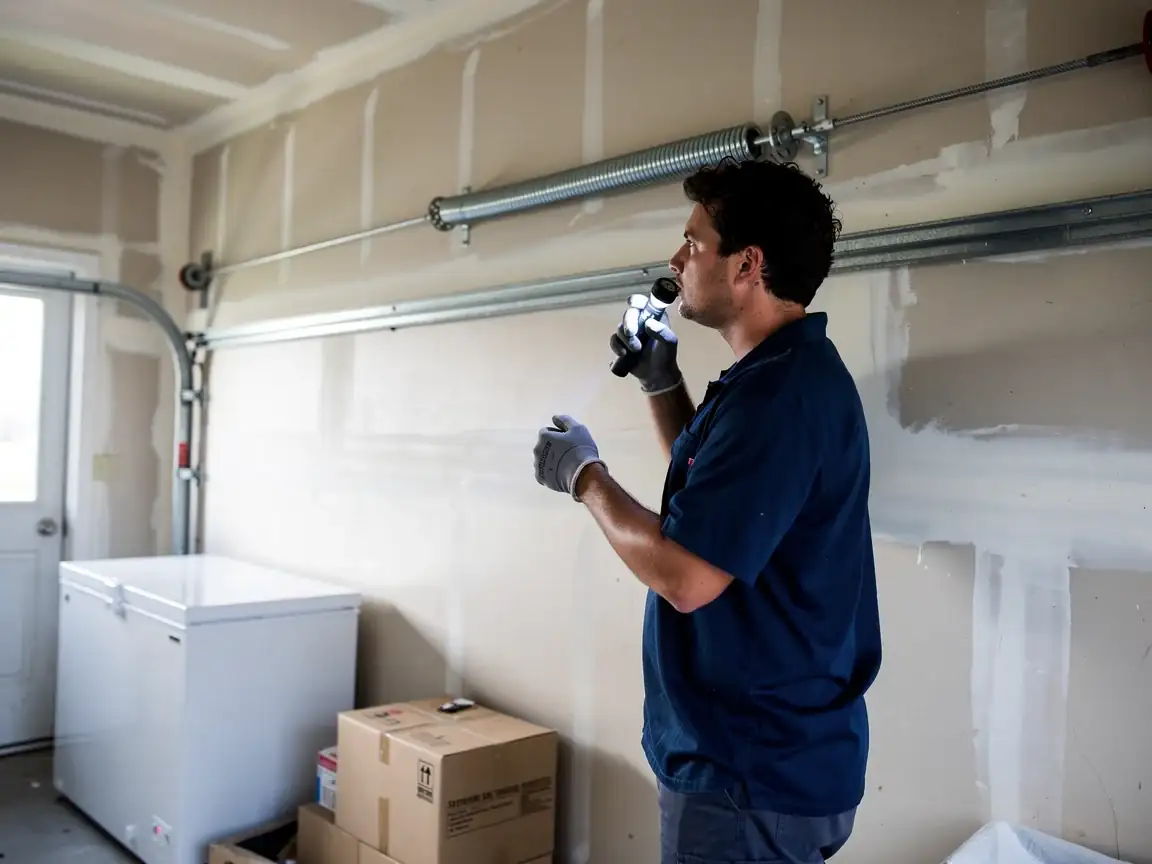
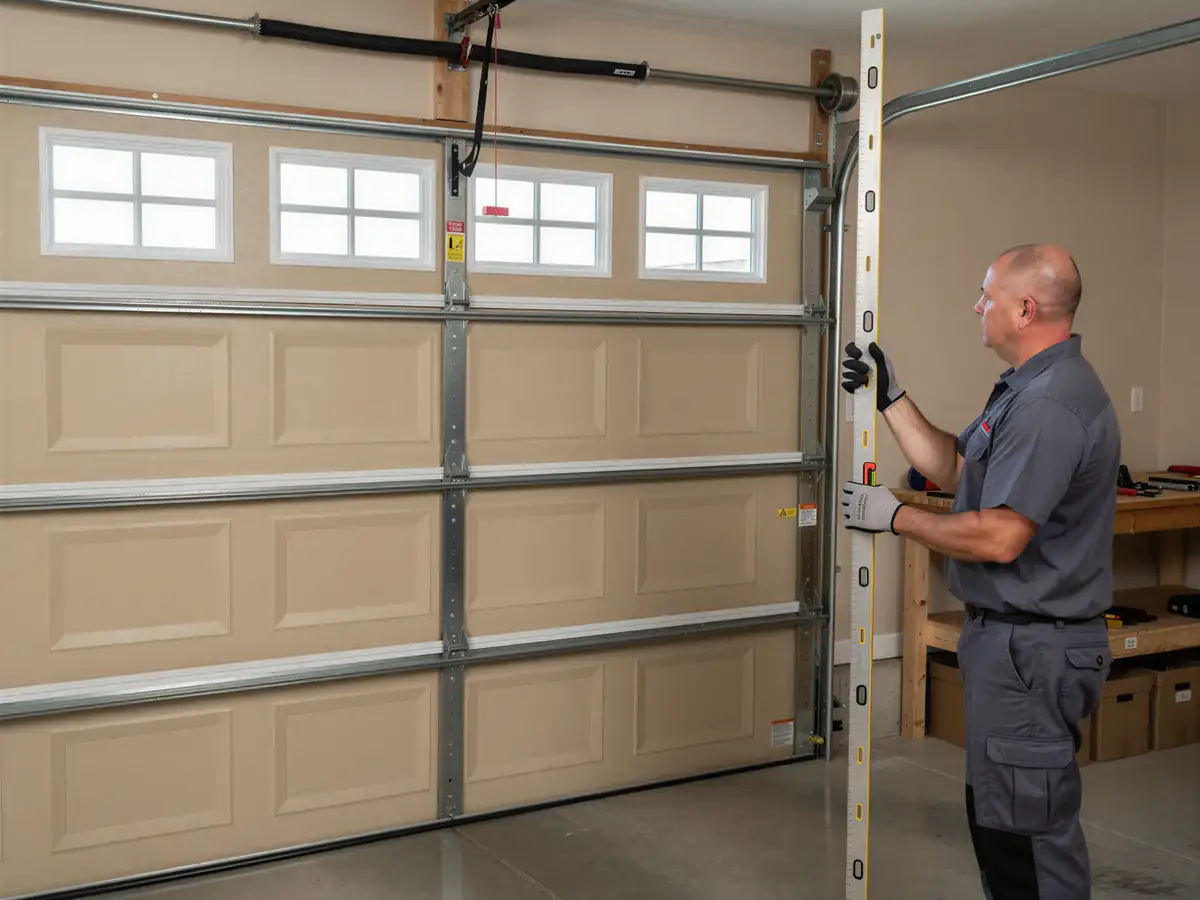
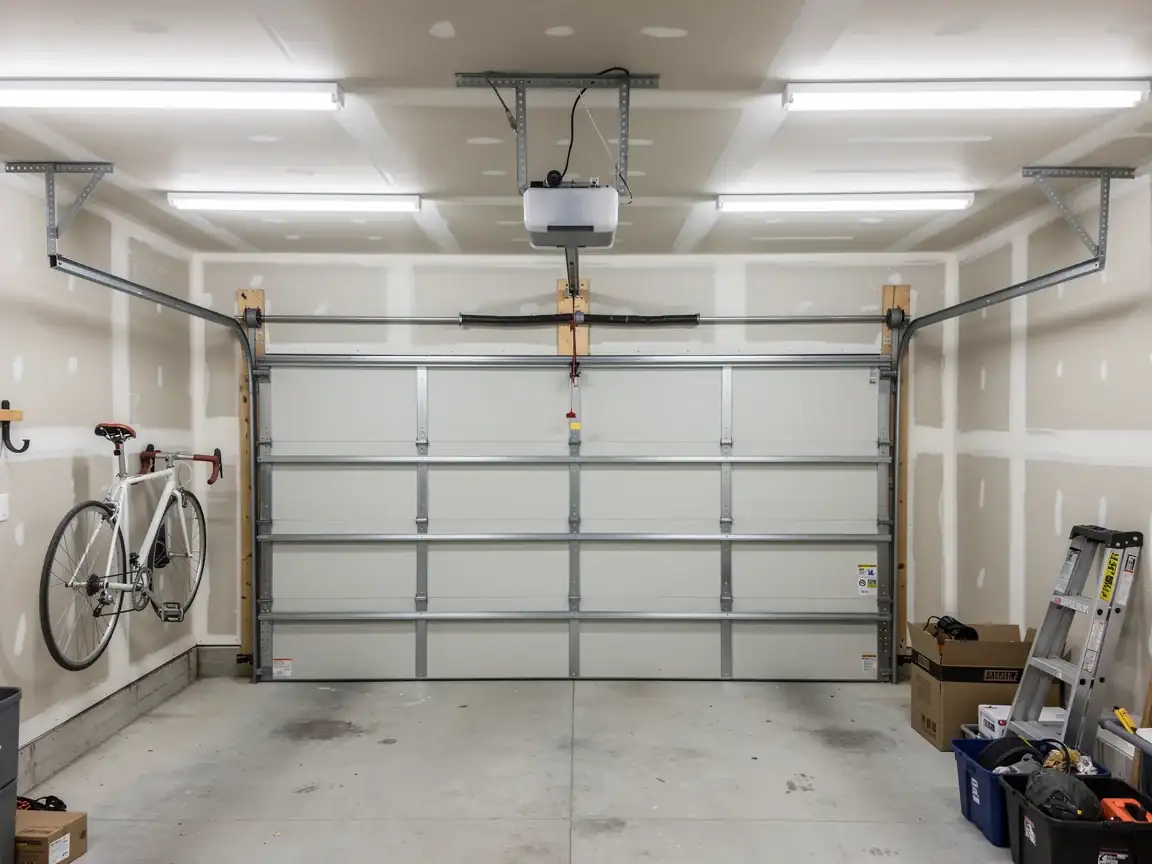
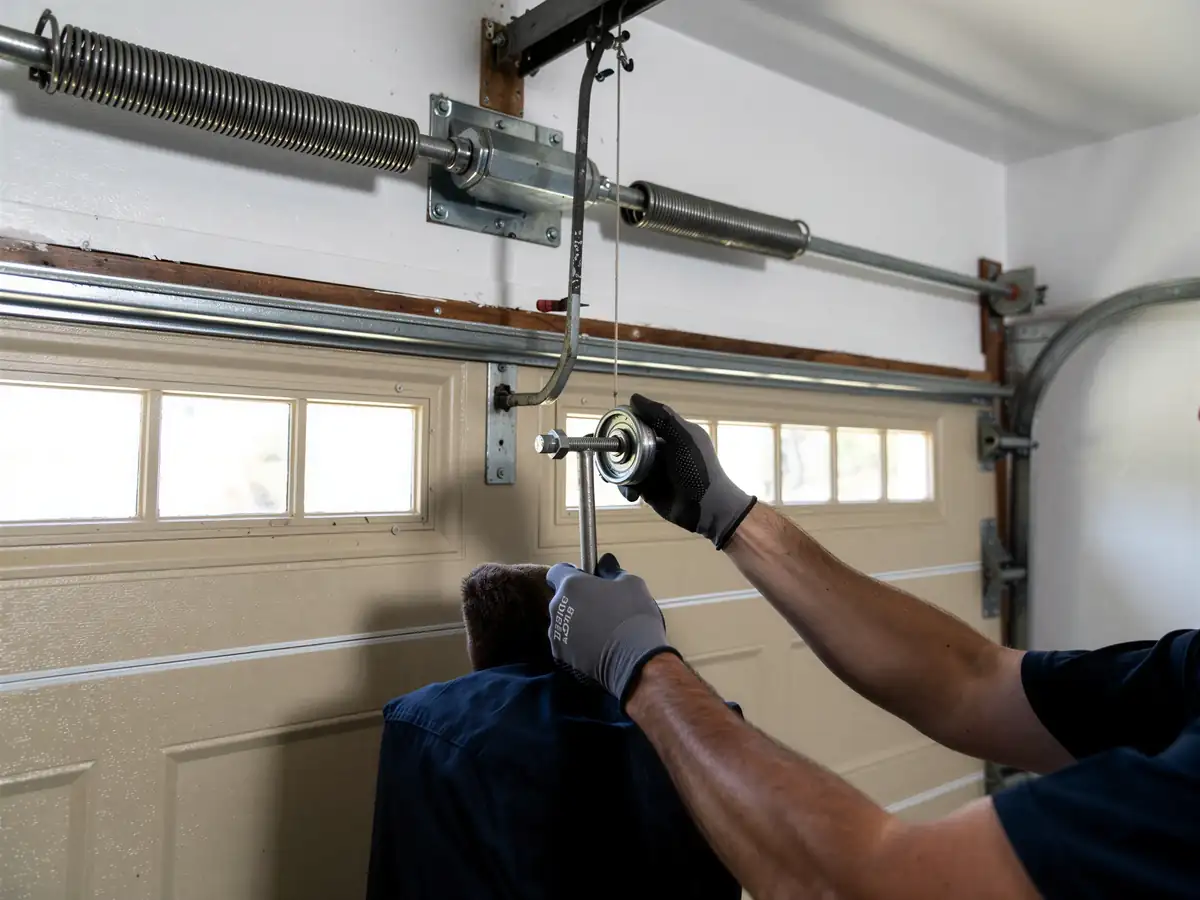
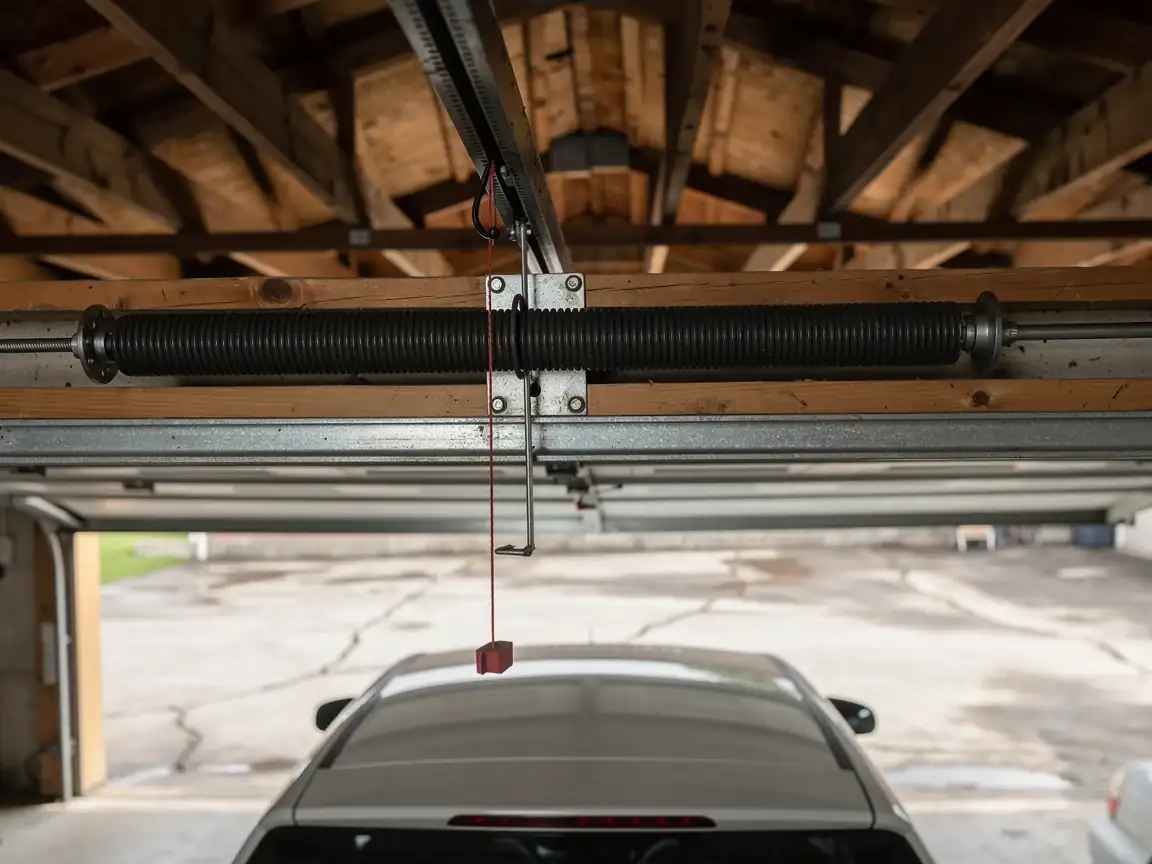
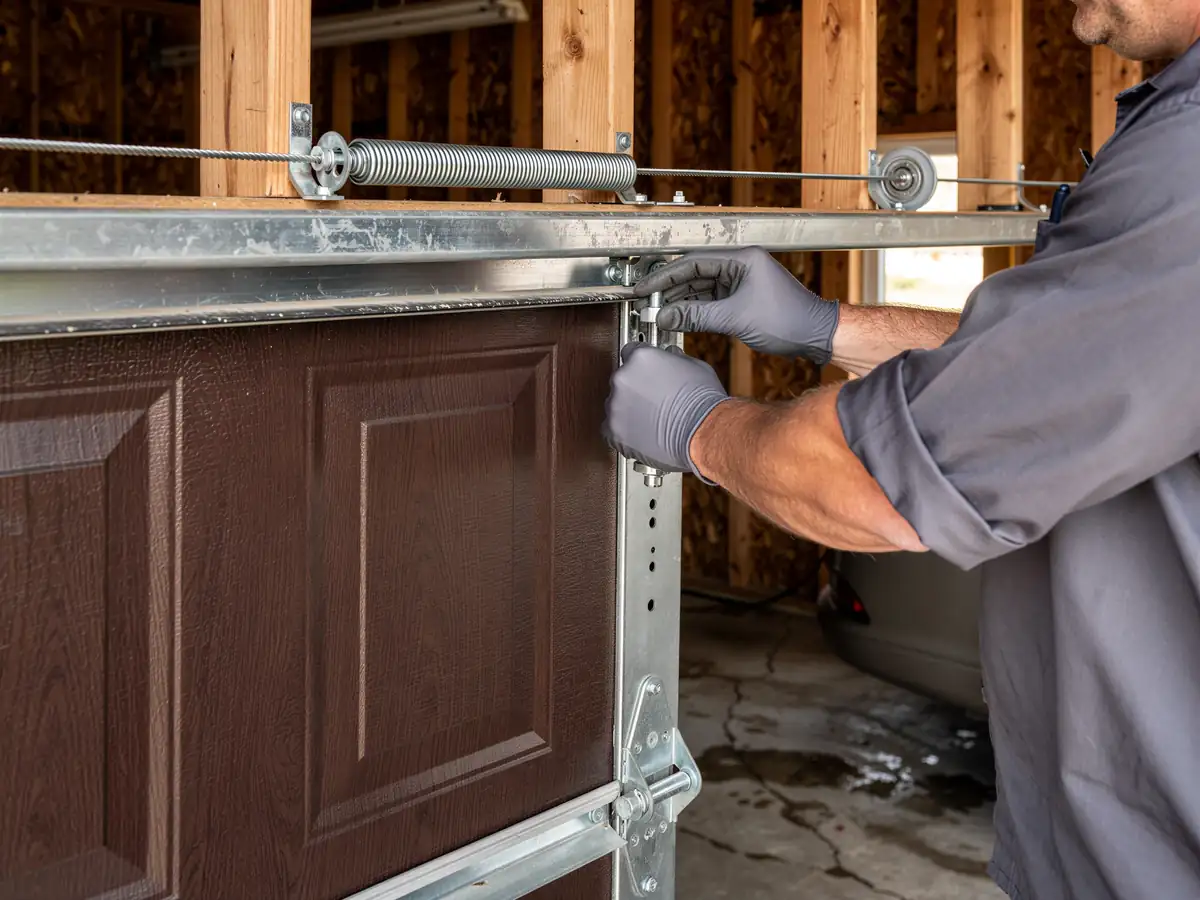
A real maintenance visit isn't spraying WD-40 and calling it done. We check spring tension and balance the door so the opener isn't doing a spring's job. We inspect cables and drums for fraying or wear, tighten the lag bolts and hinges that work loose from years of vibration, and lubricate rollers, hinges, and the torsion bar with the right grease - not the all-purpose can under the sink, which attracts grit and makes things worse over time.
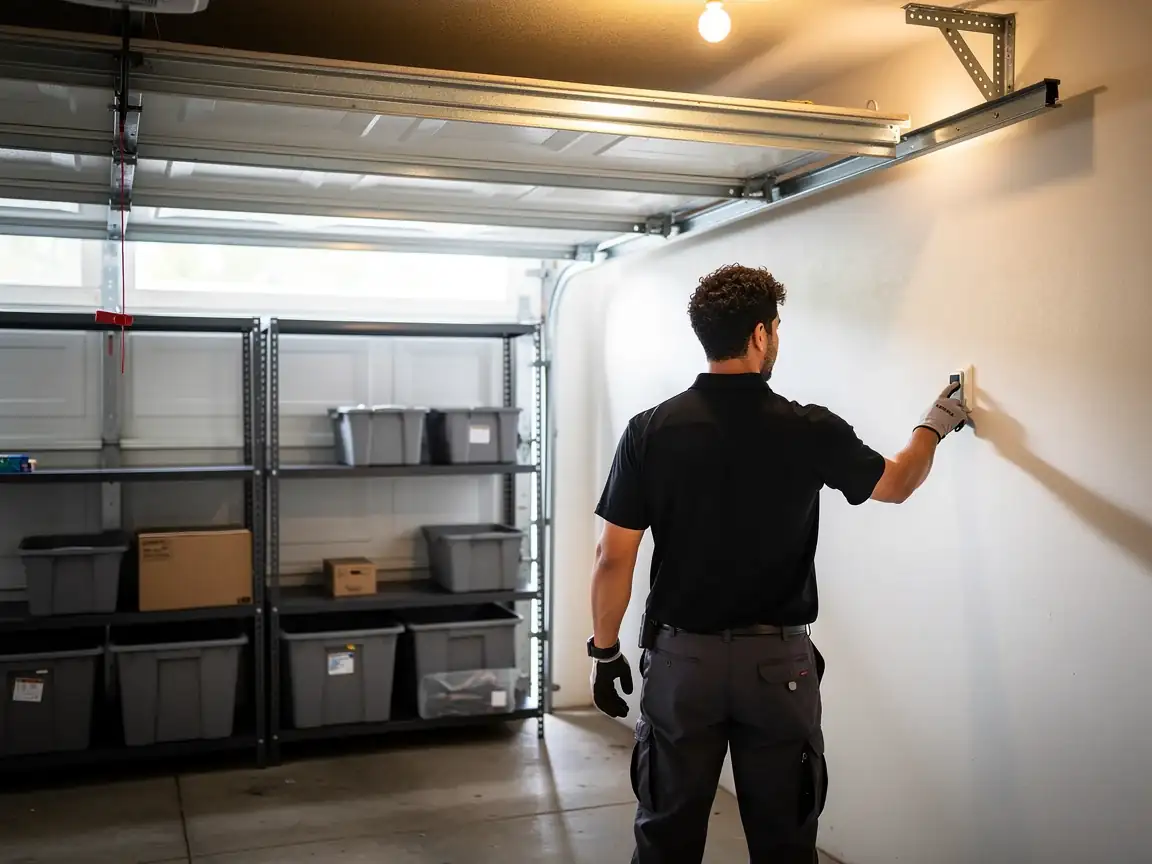
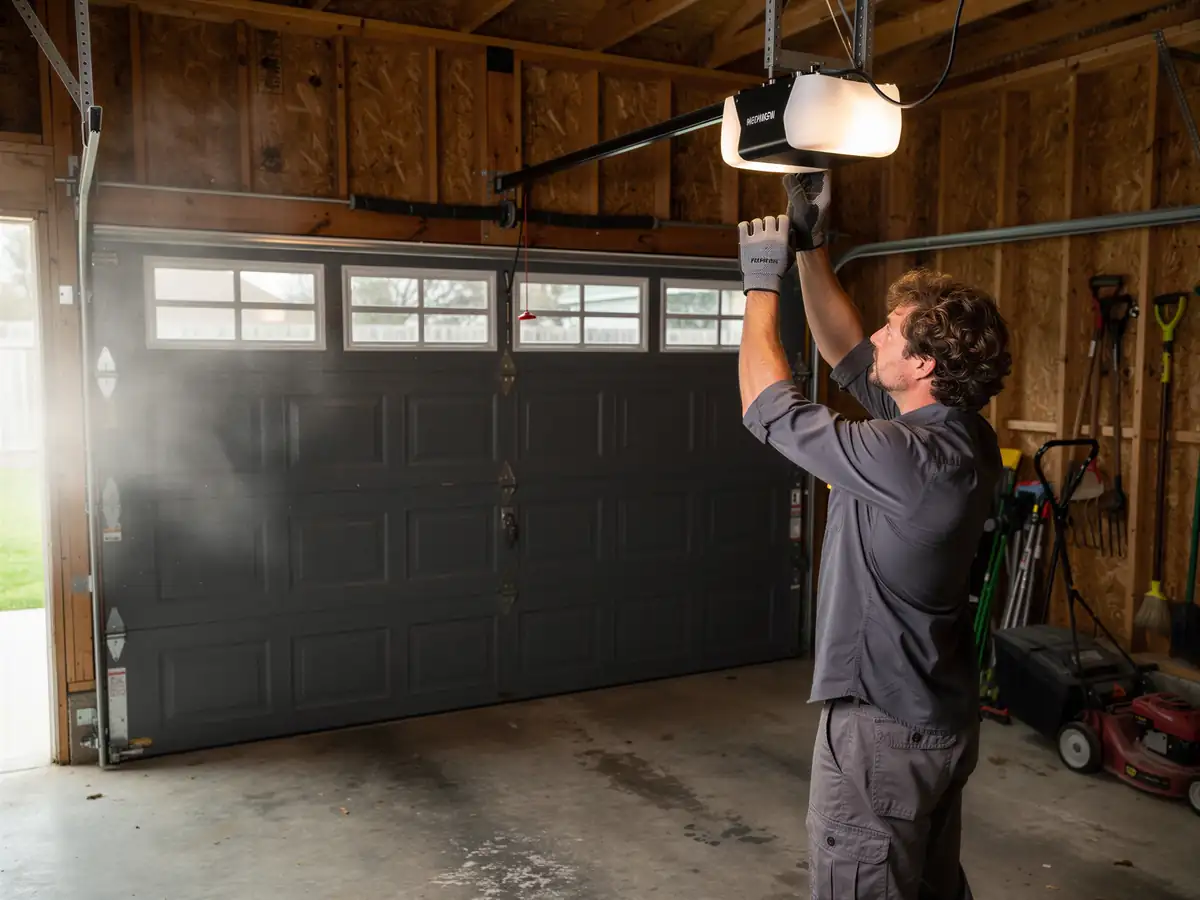
We also check the track alignment, the weatherstripping at the bottom panel, and the auto-reverse safety sensors, since those get knocked out of adjustment more often than people realize. On openers from the older end of the housing stock, we check the drive gear and limit settings, since those parts wear out well before the motor does.
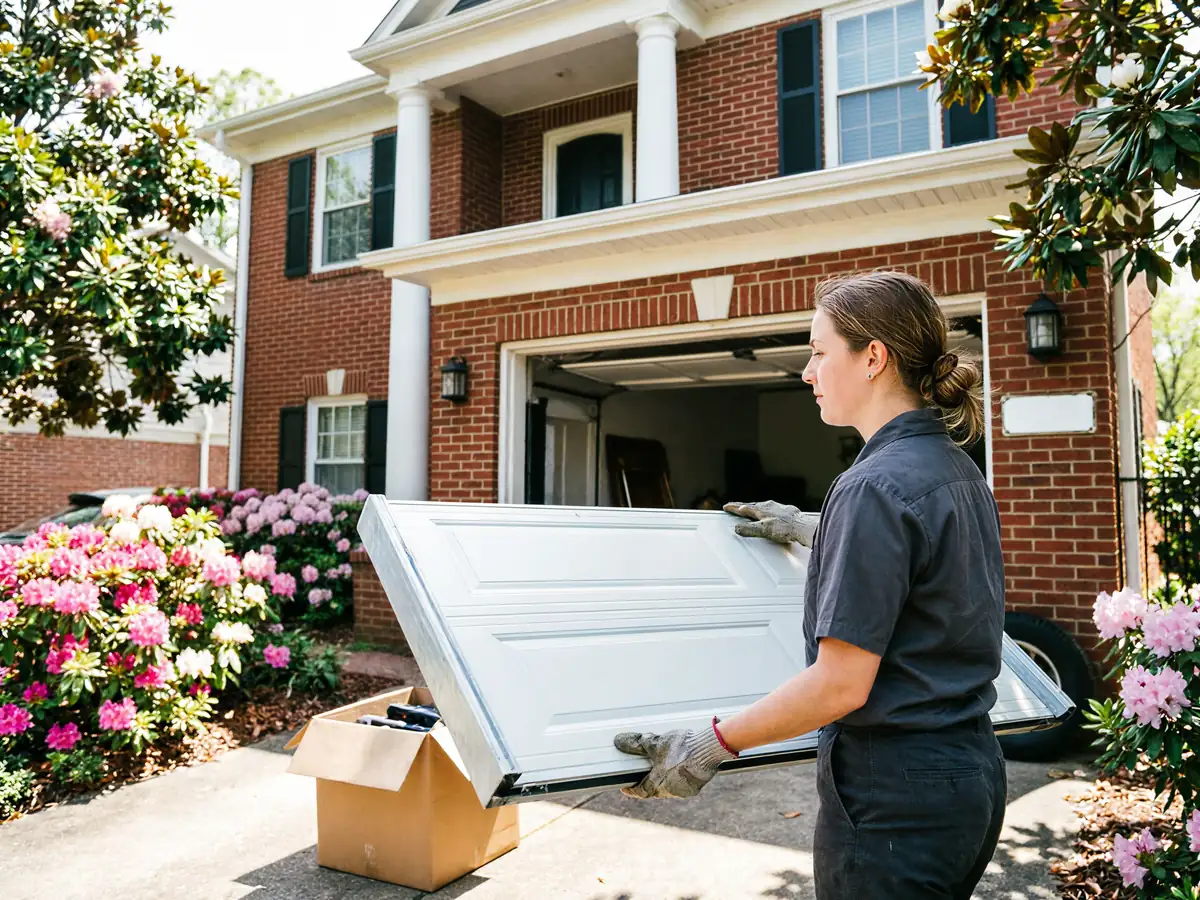
One honest limit here: if a spring is already cracked or a cable is visibly frayed, that's not a maintenance fix - that's a replacement part, and we'll tell you that instead of patching something that's going to fail anyway. Maintenance extends the life of healthy hardware. It doesn't resurrect hardware that's already failed.
Why This Fails Locally
The climate band here sits cold-moderate
Which means real winter cold without the deep-freeze cycles of farther north. That's still enough to stiffen grease, shrink metal, and change spring tension twice a year as temperatures swing. A spring set correctly in July can be noticeably tighter by January, and on a door that's never been rebalanced, that shift puts extra strain on the opener every single cycle.
Pair that with housing stock that runs mostly 1960s and 70s across the 29 named areas this region covers
And you get a lot of doors carrying 40 to 60 years of seasonal temperature swings on the same springs and the same hardware. Nobody thinks about garage door maintenance the way they think about an HVAC tune-up, so these doors run unmaintained for decades. The combination of older hardware and a real seasonal temperature swing is exactly the kind of thing a tune-up is built to catch before it turns into a Saturday morning service call.
- 60 years
Parts We Carry
Because so much of the housing stock here dates to the 1960s and 70s, we carry rollers, hinges, and cable in the sizes that fit that era's doors, not just whatever ships with a big-box opener kit. We stock standard torsion springs for single and double doors, weatherstrip for the bottom panel, and the lubricant we actually use on the truck rather than a consumer spray.
We serve homeowners across the wider area, including places like Morrow, Jonesboro, Lovejoy, and Lake City within about 8 miles, and farther out toward Hampton, Stone Mountain, and Clarkston. With 38,447 owner-occupied houses across roughly 95,226 households in this service area, a lot of that housing shares the same age and the same hardware questions, which is why we keep common parts on hand instead of special-ordering every job.