Can You Do This Yourself
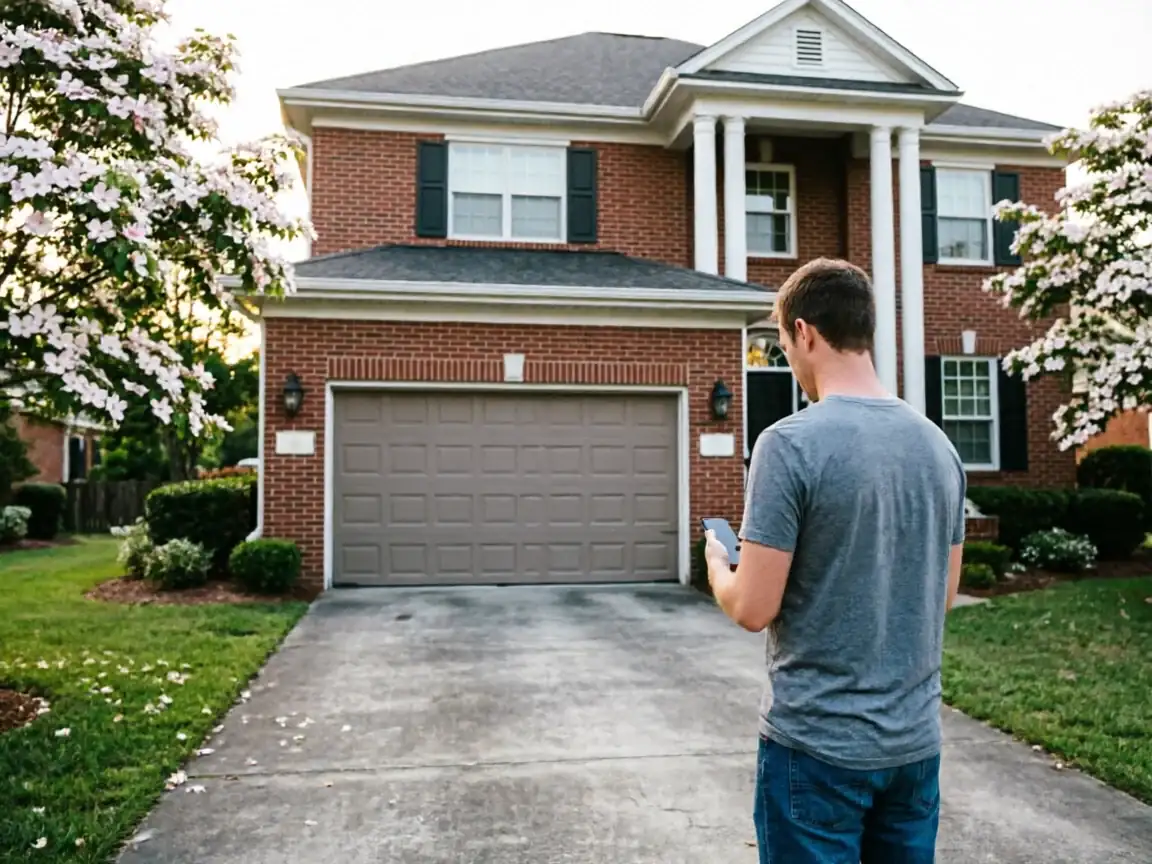
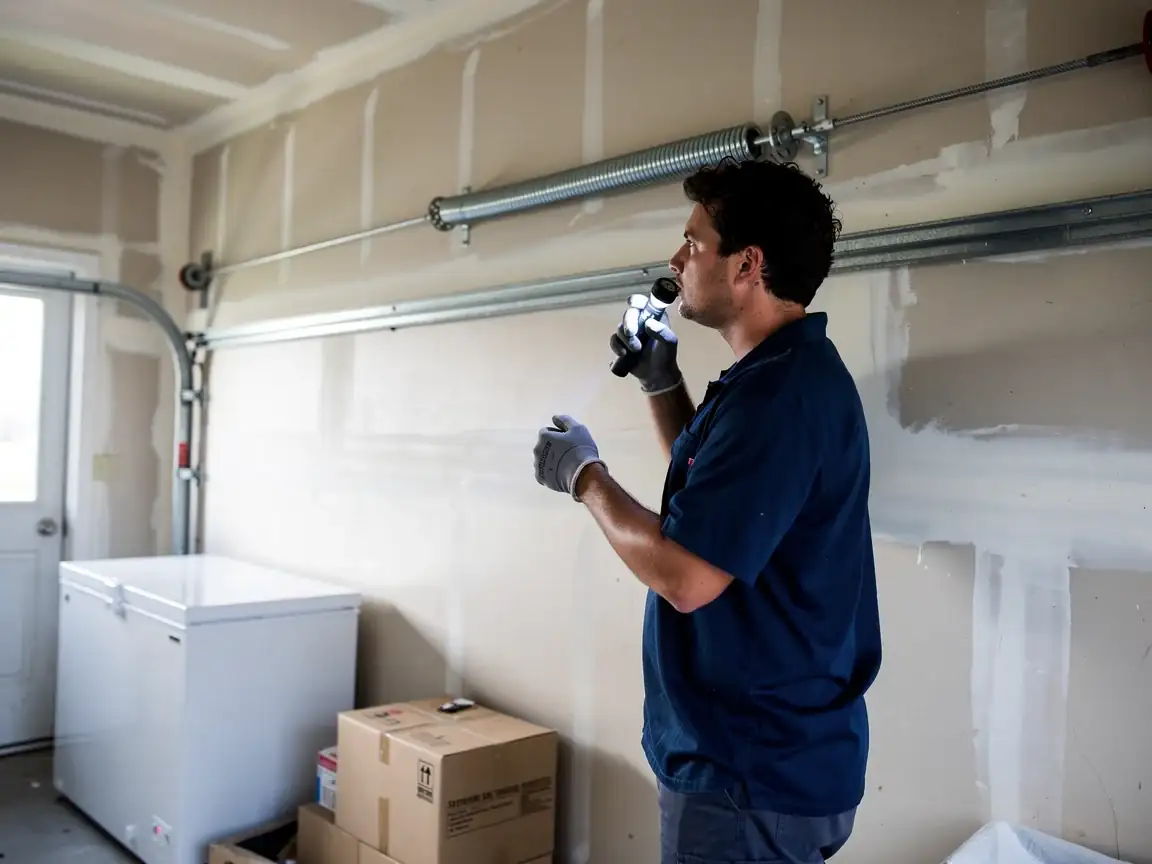
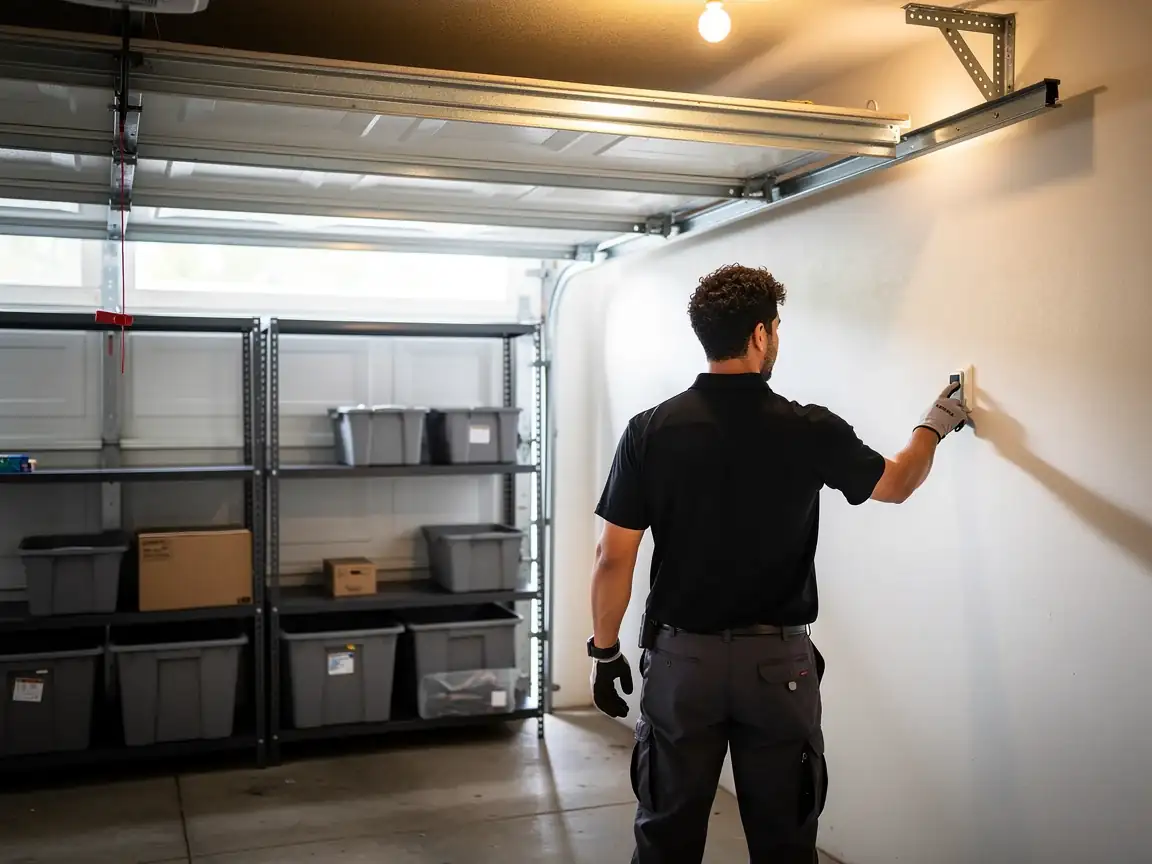
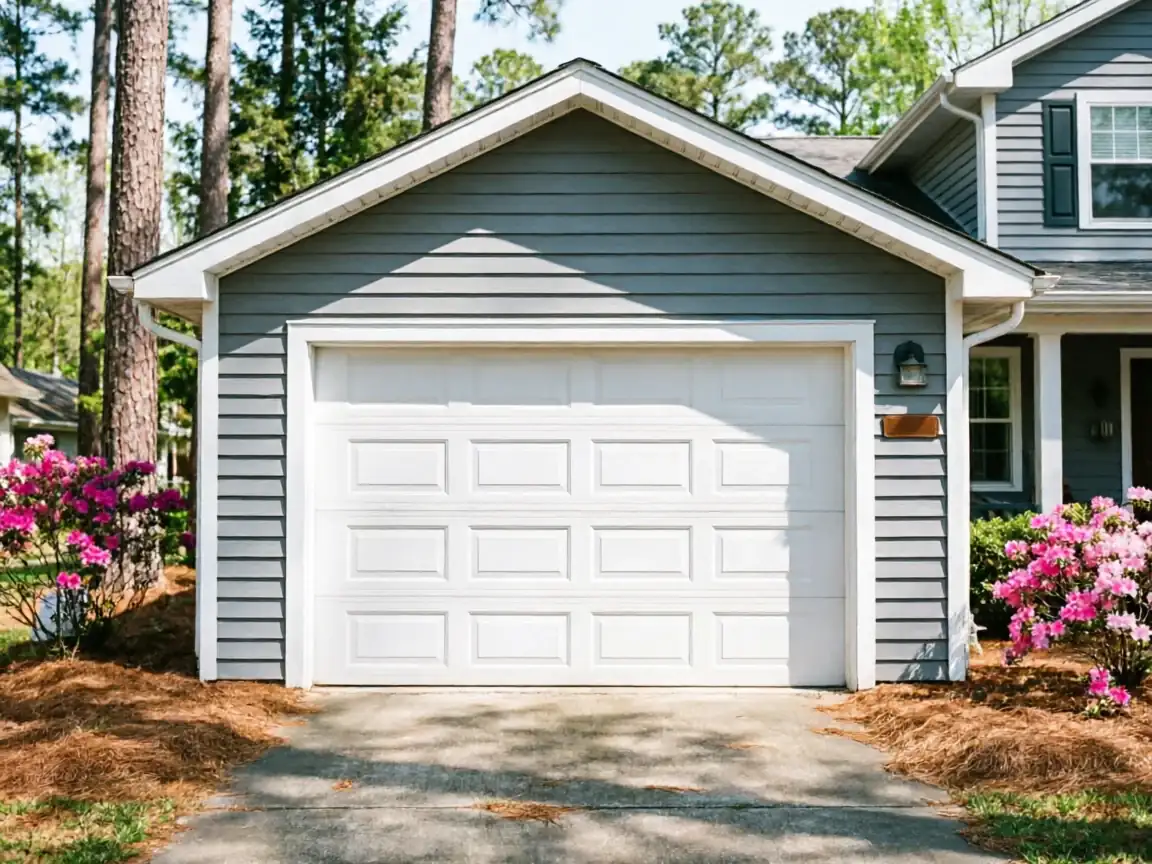
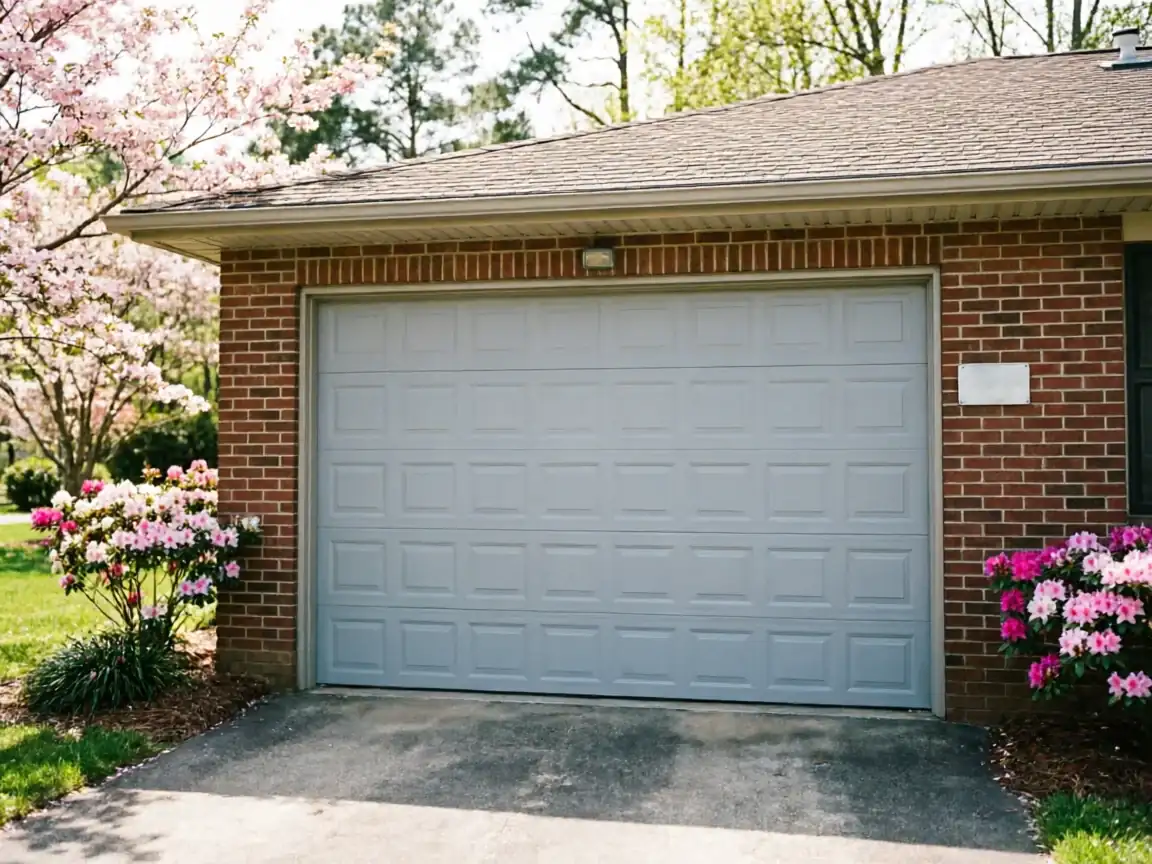
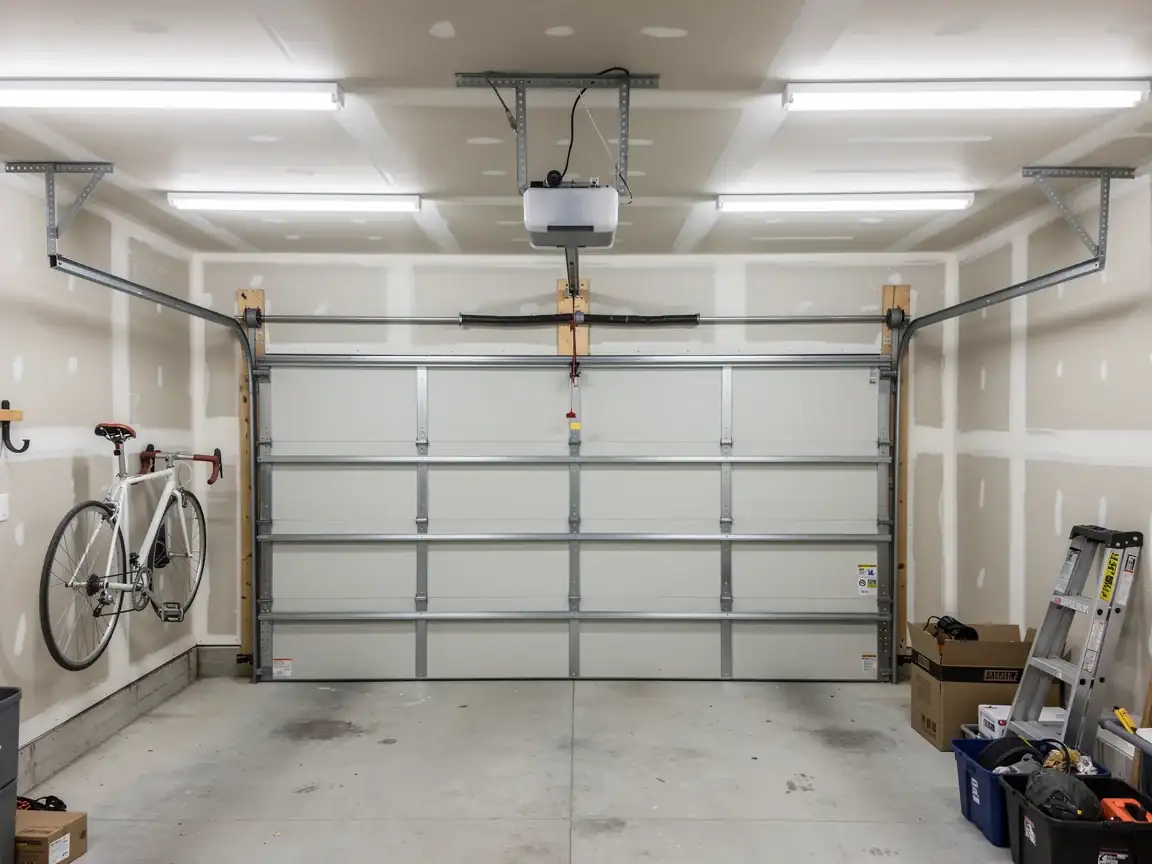
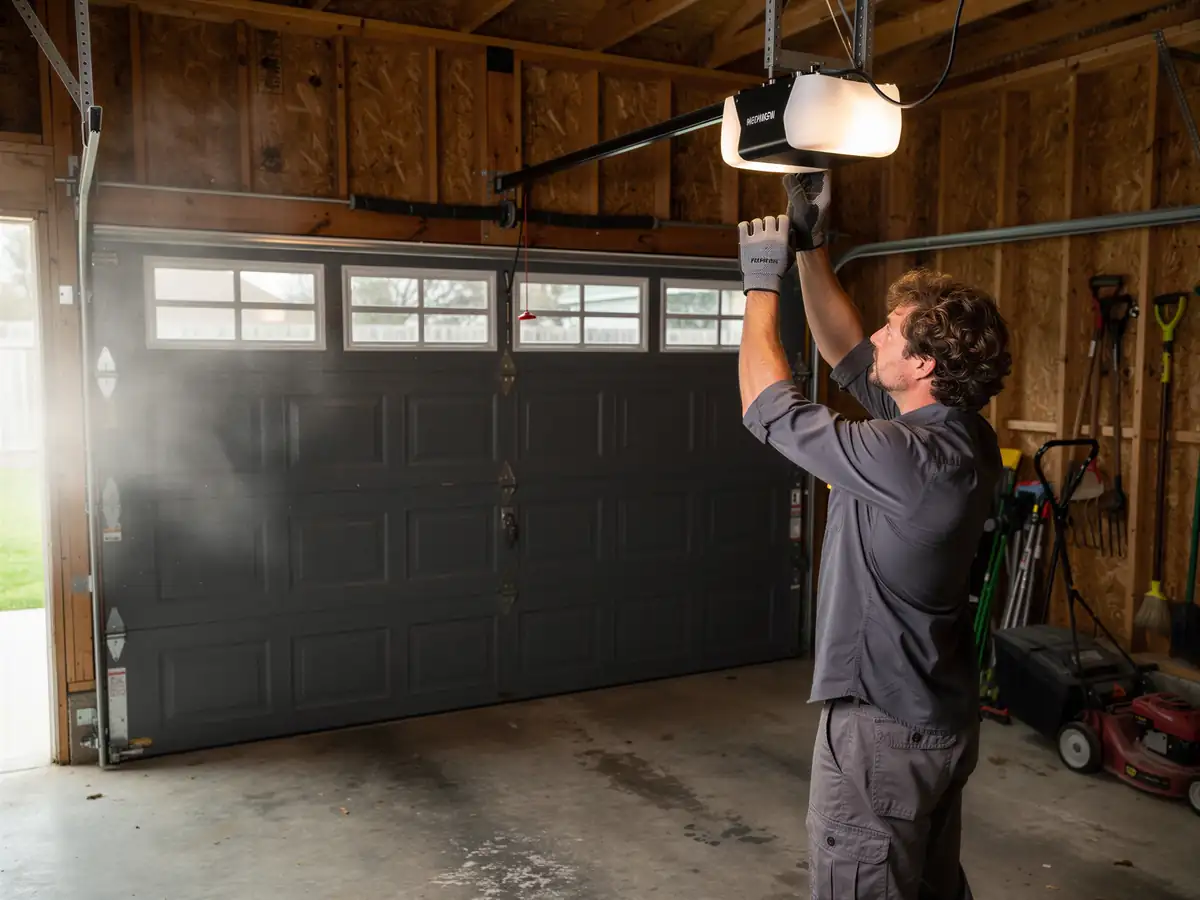
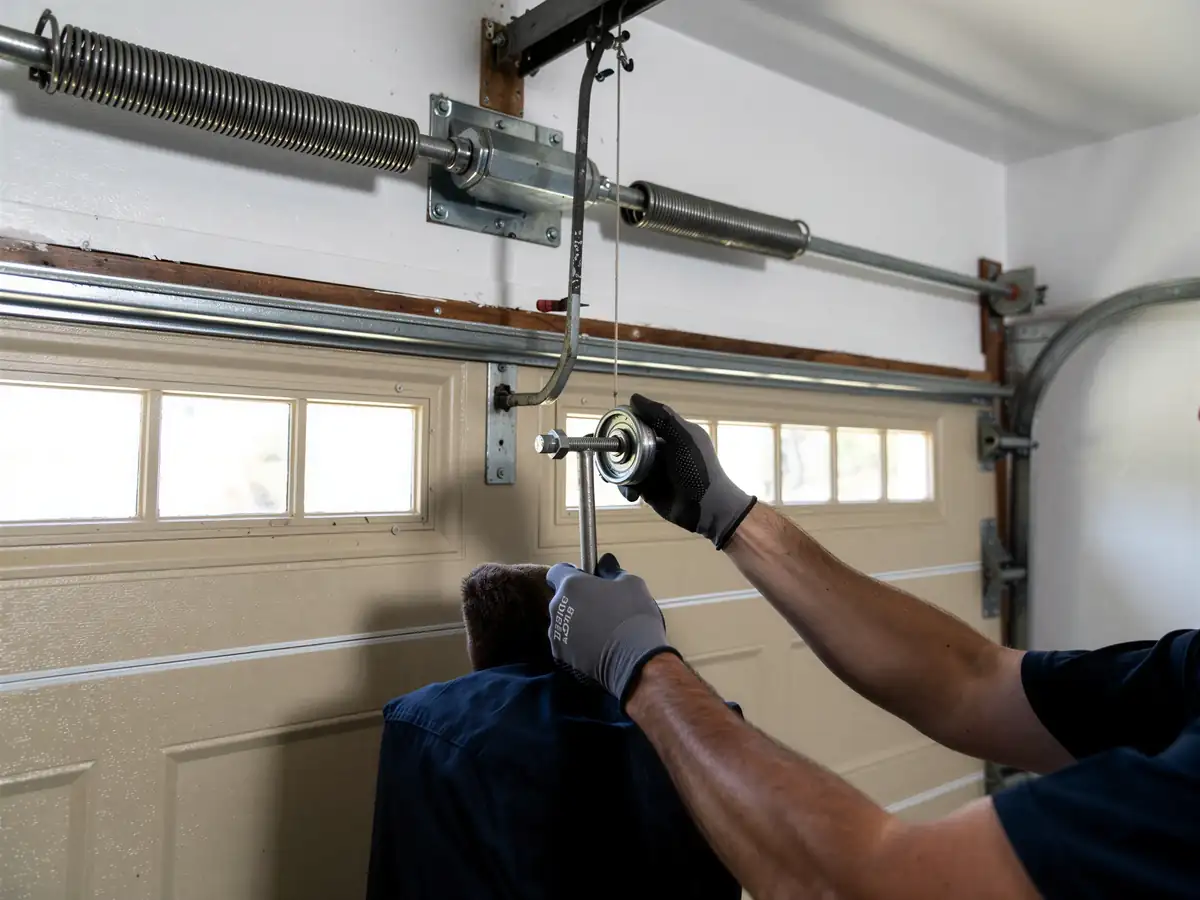
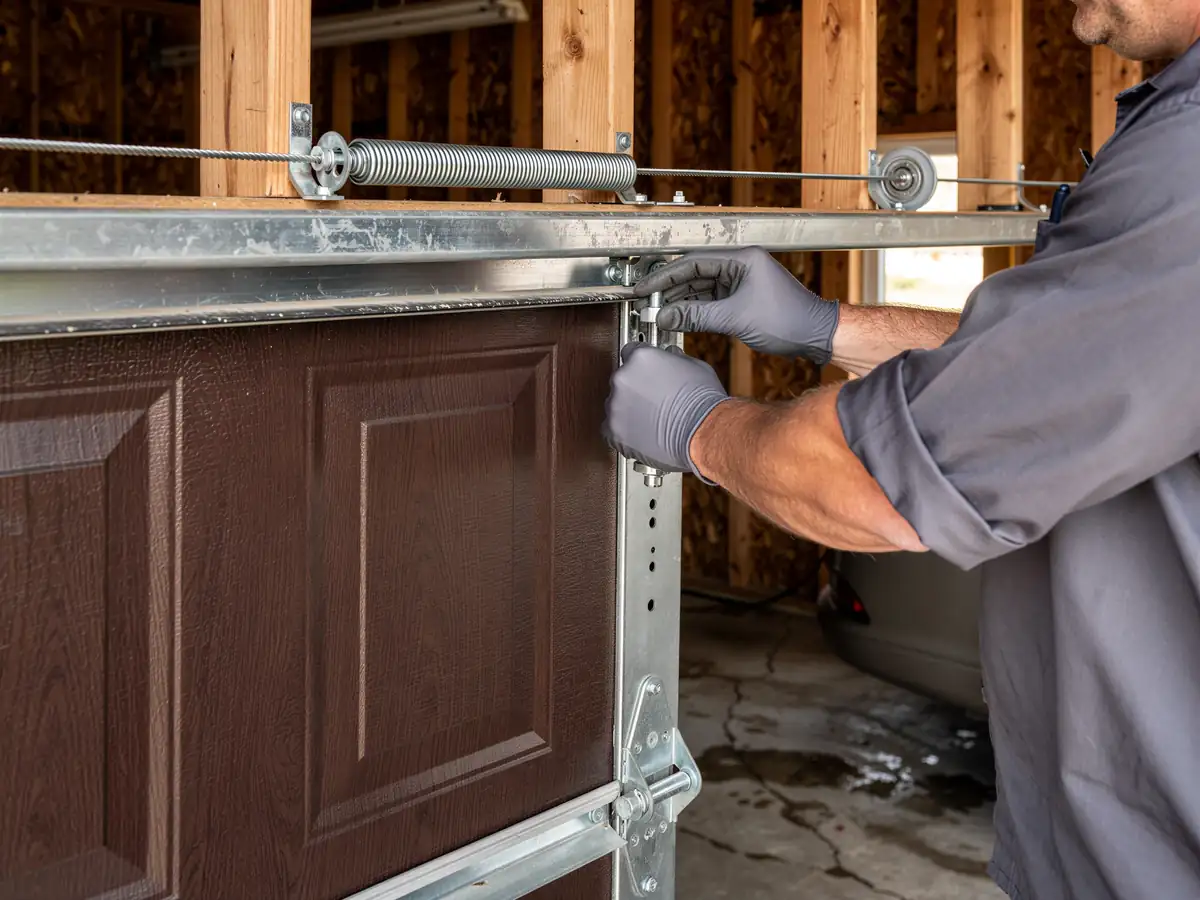
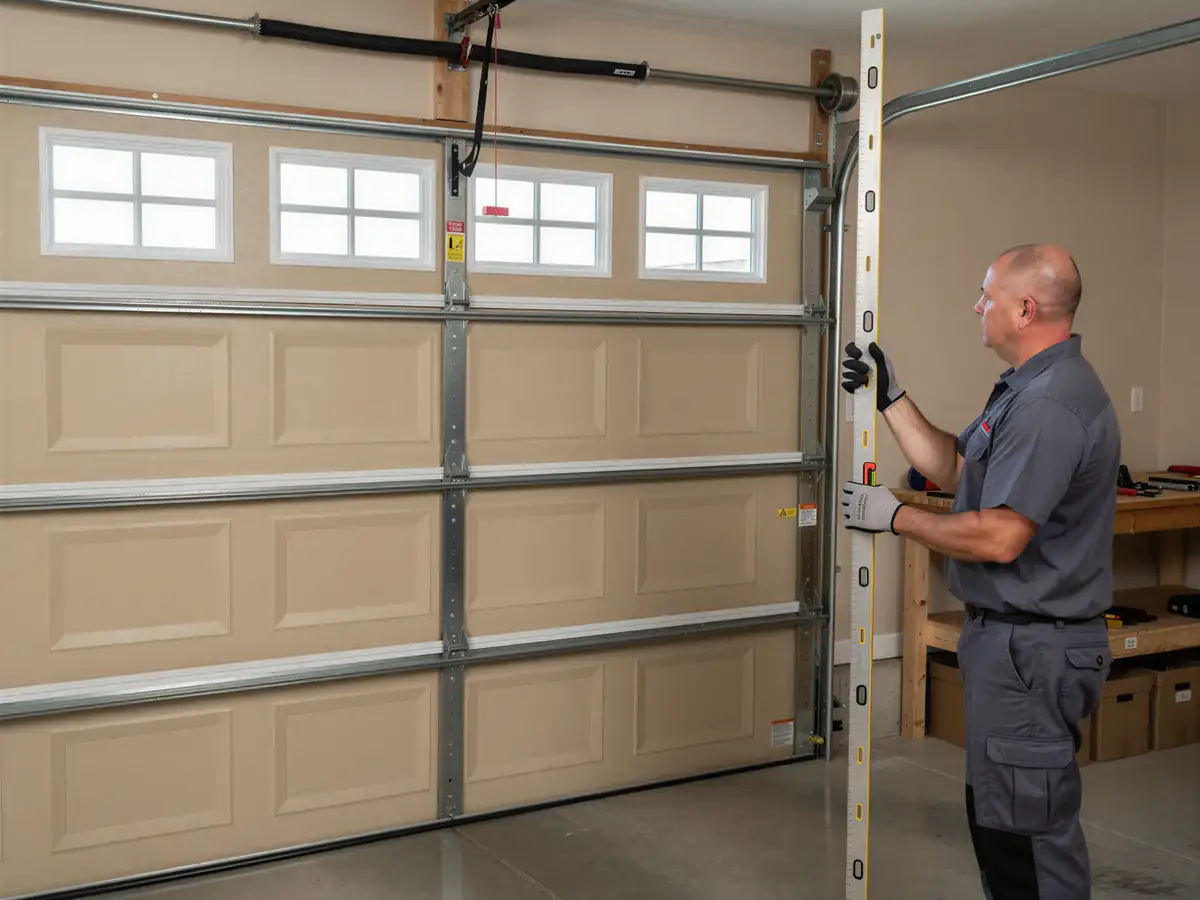
Most houses in Belvedere Park went up in 1961, a decade ahead of the service area's 1974 median build year, which put heavier torsion-spring hardware on these doors before the lighter rigs became standard. That earlier hardware means more stored force in the spring itself, and a spring on a wound shaft can put someone in the hospital if it's handled wrong. You can safely do a few things yourself: lubricate rollers and hinges, tighten loose hardware on the track, clear debris from the floor seal, and test the auto-reverse safety feature by setting a 2x4 under the door and watching it reverse. What you should not touch is the torsion spring, the cable drums, or anything under tension. If the door is off its track or a cable has snapped, that's a call, not a weekend project. We'd rather talk you out of a job you can do with a ladder and a rag than sell you one you don't need.
How Long You Are Without the Door
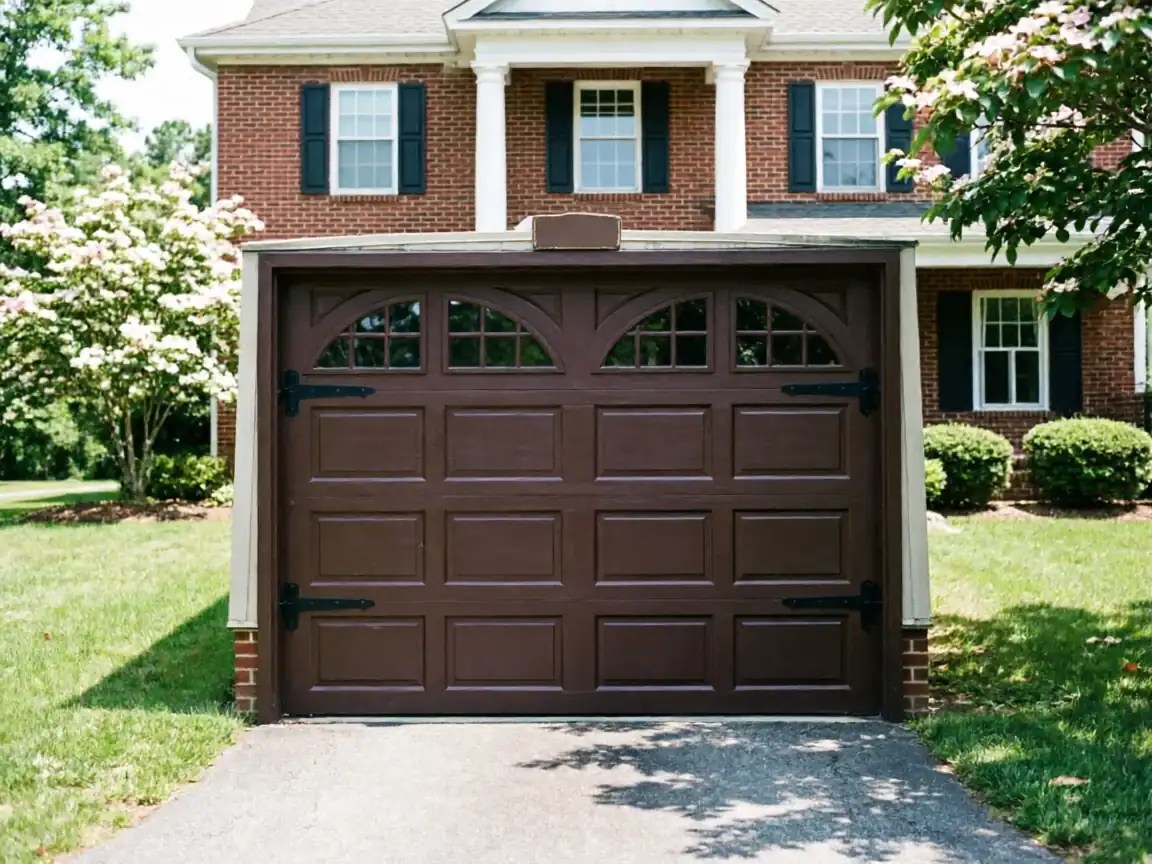
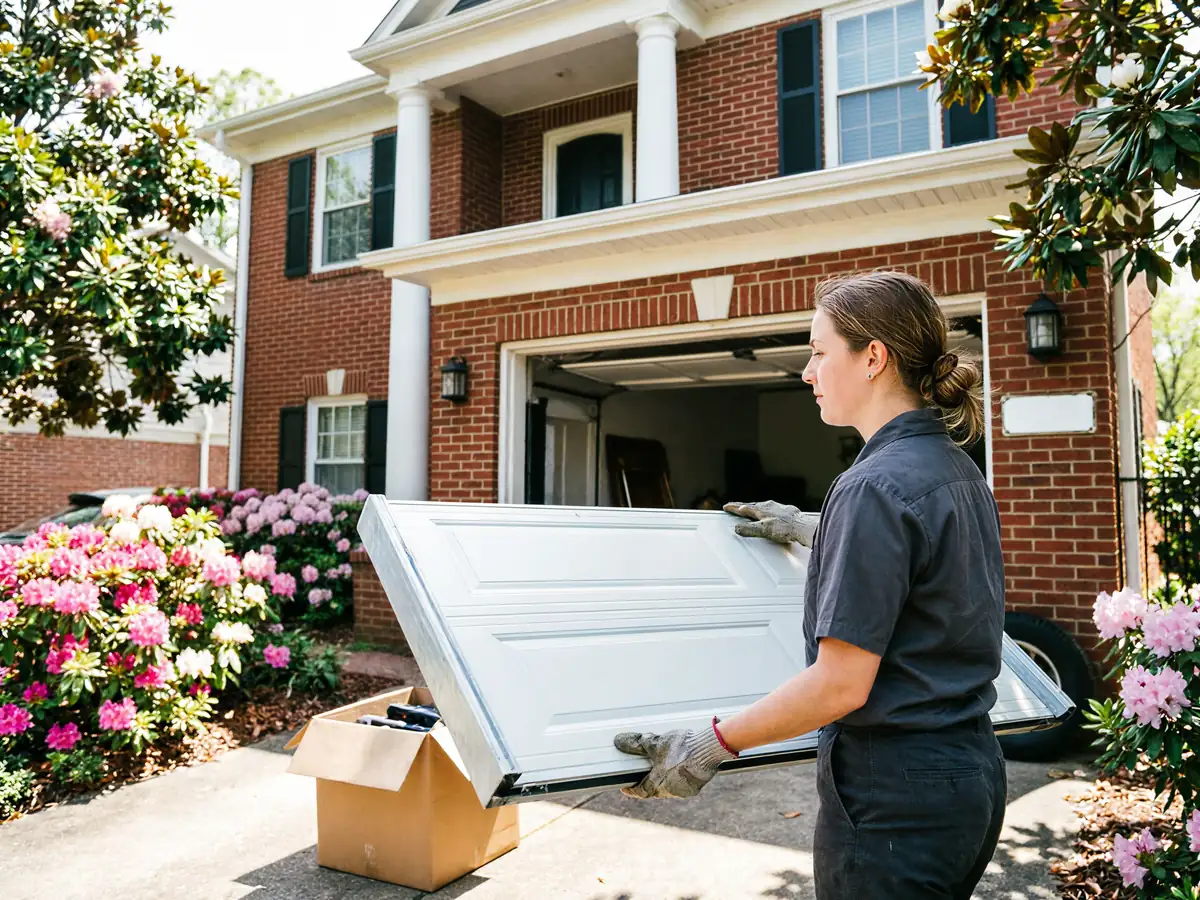
We run this job from Stockbridge, about 15 miles out, farther than closer stops like Morrow or Jonesboro at 7 and 7 miles. That distance doesn't change what's wrong with the door, but it does mean the visit gets scheduled around the rest of that day's route rather than treated as a drop-everything run. For a straightforward spring swap or roller replacement, the door is usually back in motion within the same visit once the part is on the truck. Where it stretches out is parts for original hardware on a 1961-built house - if the track brackets or the drum assembly are sized for a door style nobody stocks on the shelf anymore, that part has to be sourced before the job finishes, and the door sits closed (or propped) until it arrives. We'll tell you up front if that's the situation rather than guess and leave you waiting without warning.
What You Pay
We don't have a fixed number to print here, and giving you one without seeing the door would be a guess dressed up as a quote. What drives the cost on a Belvedere Park job is usually hardware age: a standard torsion spring swap on common gauge wire is one price, and sourcing a part for an older track or drum assembly that isn't on the shelf runs higher because of what it takes to get it. Median household income in this service area runs $62,299, and Belvedere Park itself sits above that - a detail that matters less for pricing than it does for the kind of repair that makes sense. On a door this old, we'll tell you plainly when a full spring and hardware rebuild is a better use of money than patching the original parts piece by piece, and when it isn't worth it at all.
Why This Fails Locally
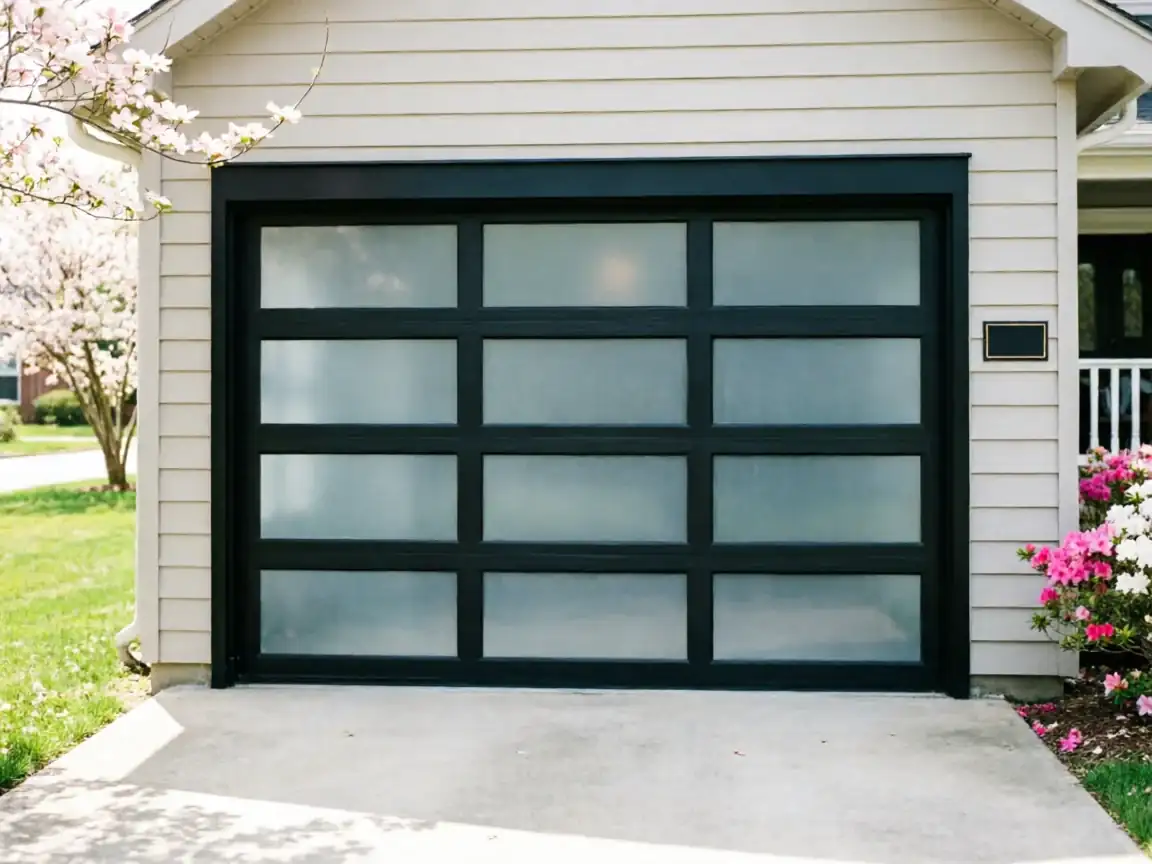
The service area sits in a cold-moderate climate band, and that matters more on older hardware than new. Steel torsion springs lose a little flex in a hard cold stretch, and a spring that was already near the end of its wind cycles on a 1961-era door is the one that snaps on the first cold morning rather than the warm afternoon. Houses in this part of the service area mostly date to the 1960s and 70s, so a lot of the doors we see out here are running original or first-replacement hardware rather than a modern steel sectional door on a lighter spring. That combination - older wind counts plus temperature swings - is why spring failures cluster here in a way they don't on newer stock closer to town. It's not a dramatic weather event causing it. It's an ordinary cold morning finding a spring that was already worn thin.