Can You Do This Yourself
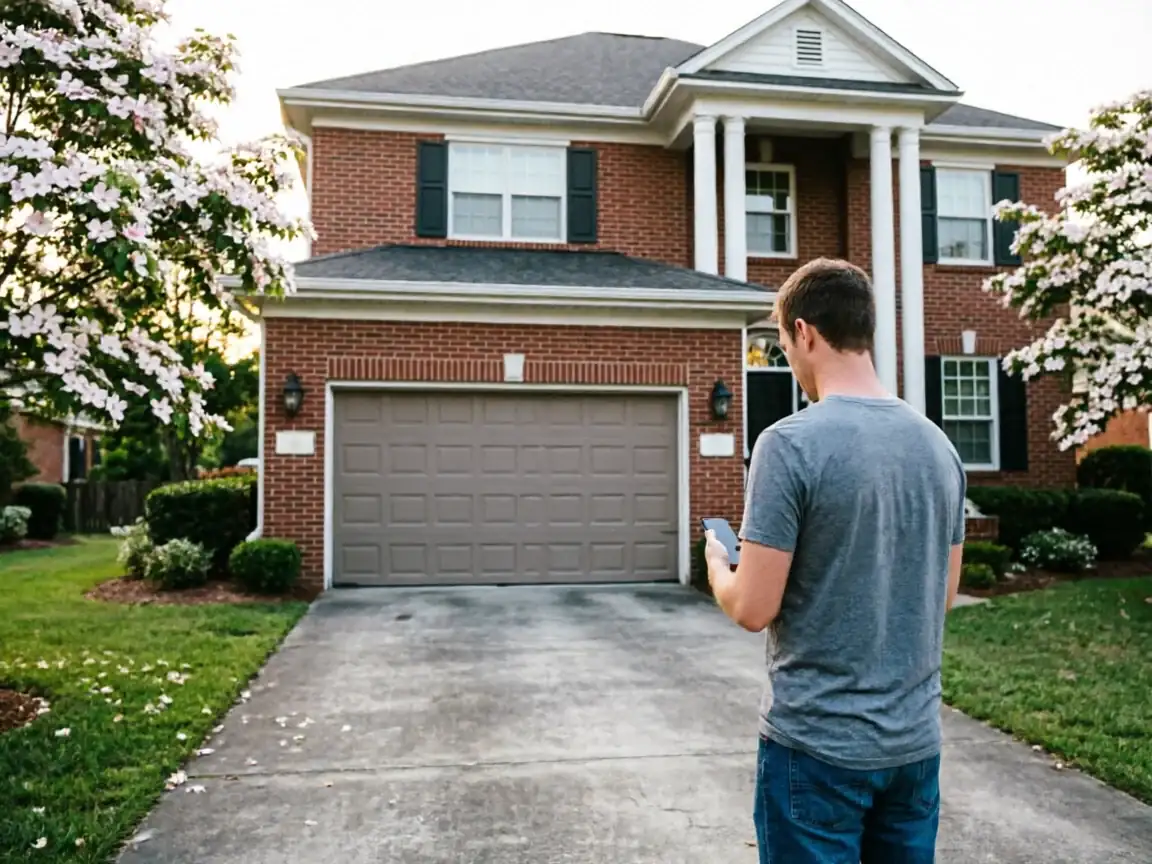
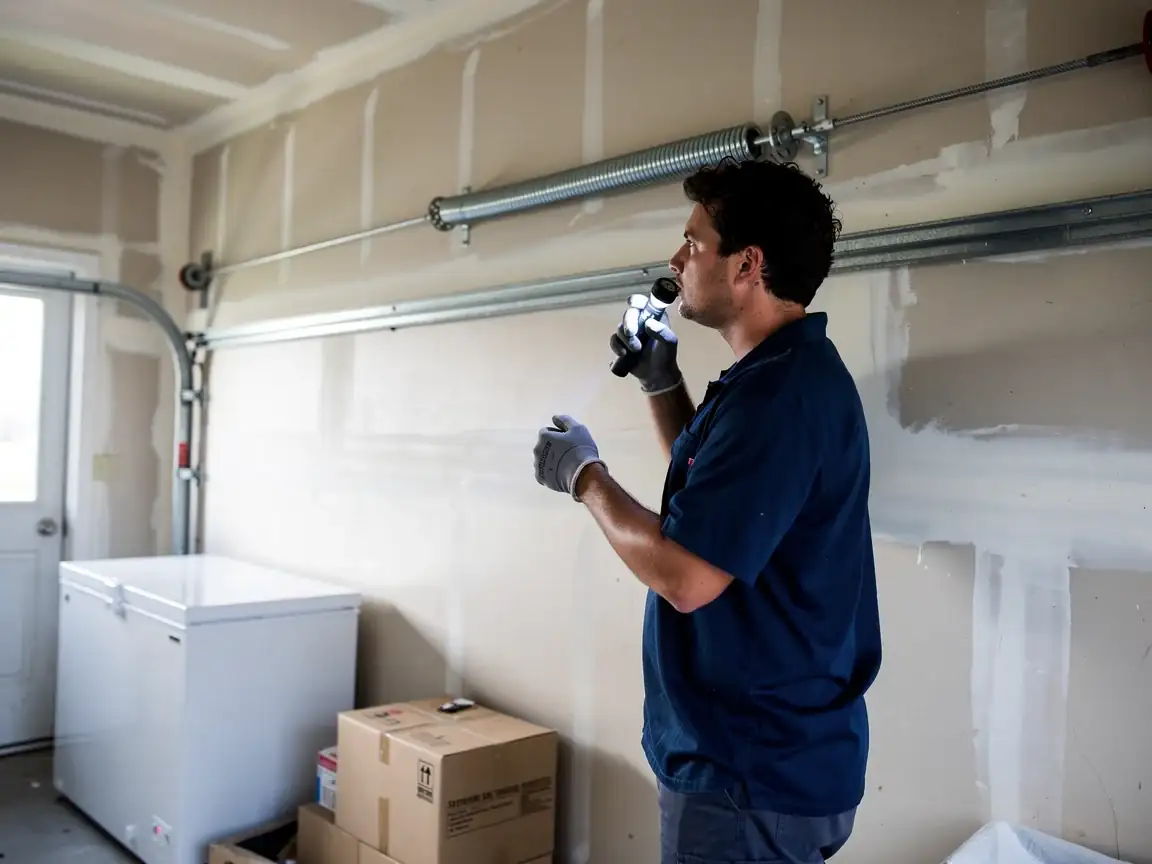
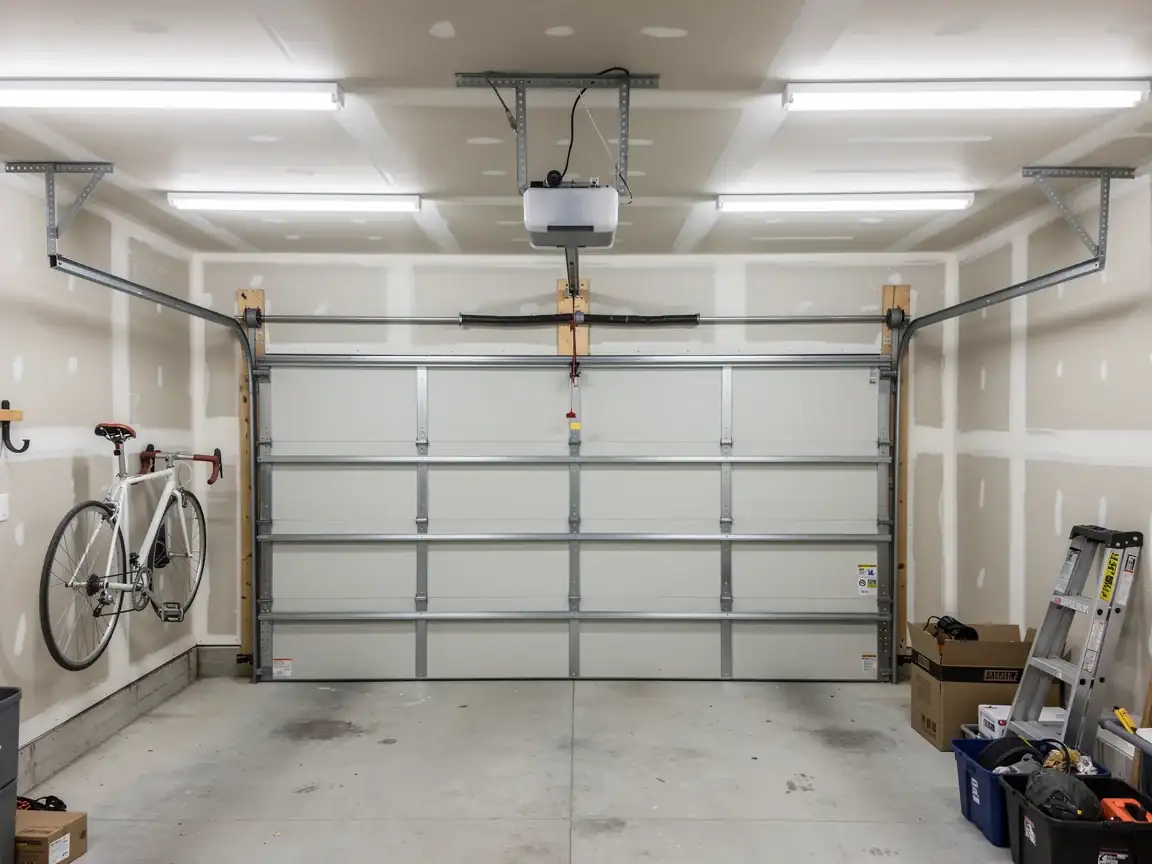
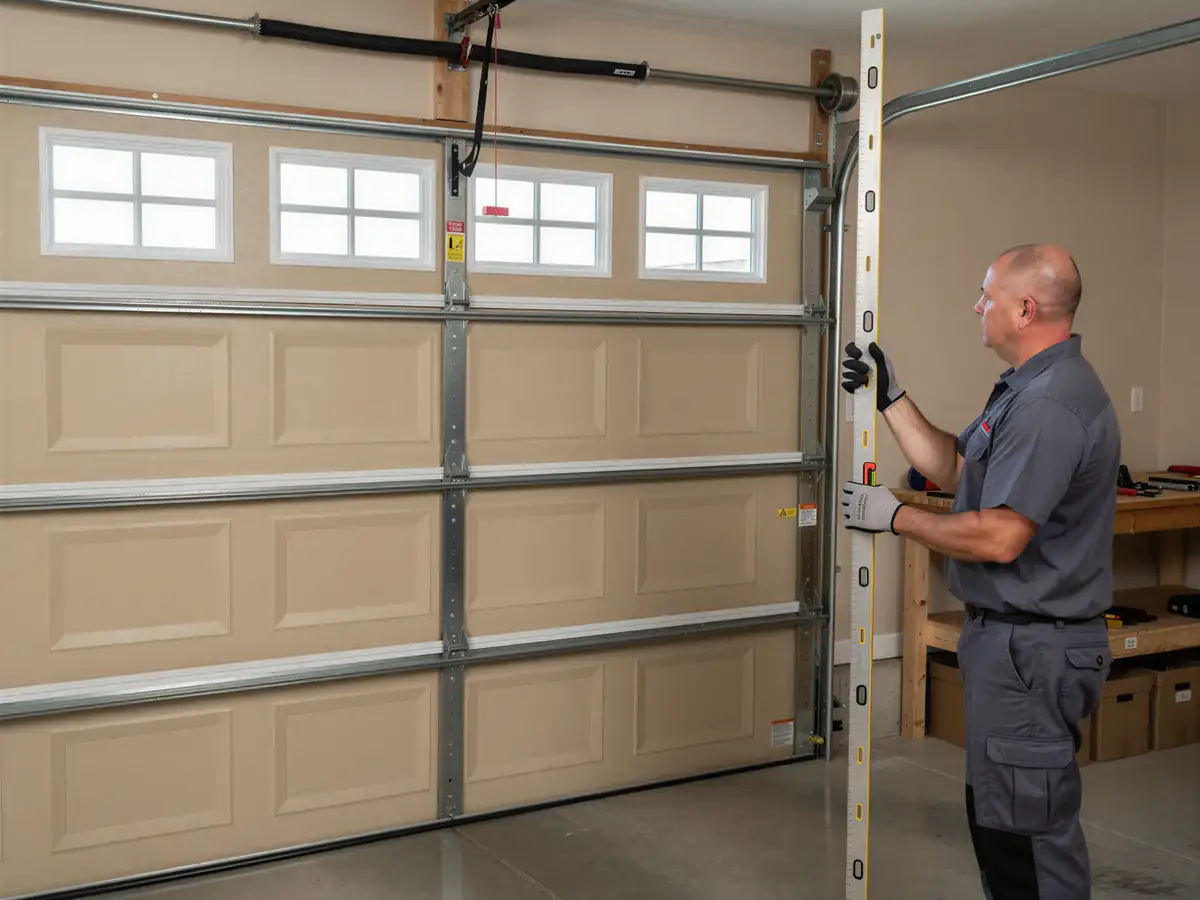
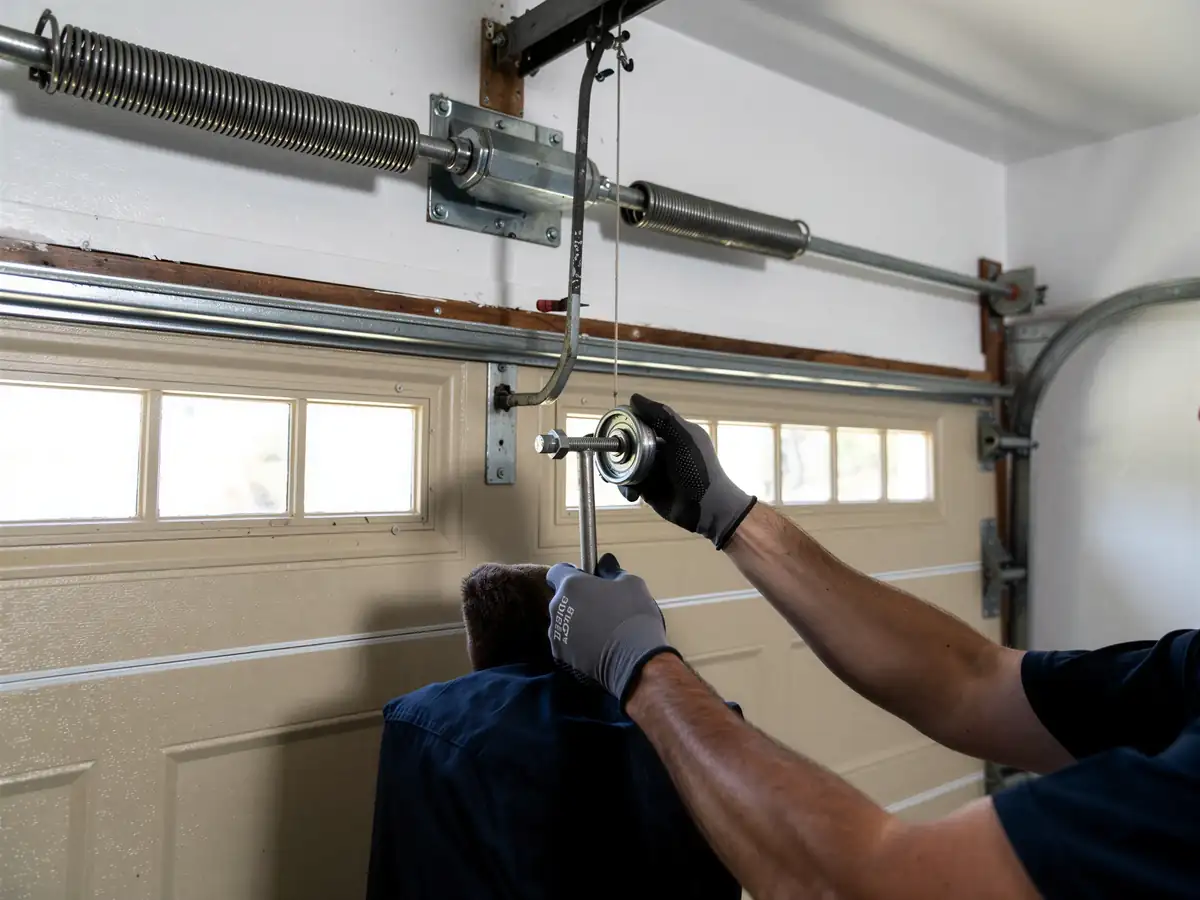
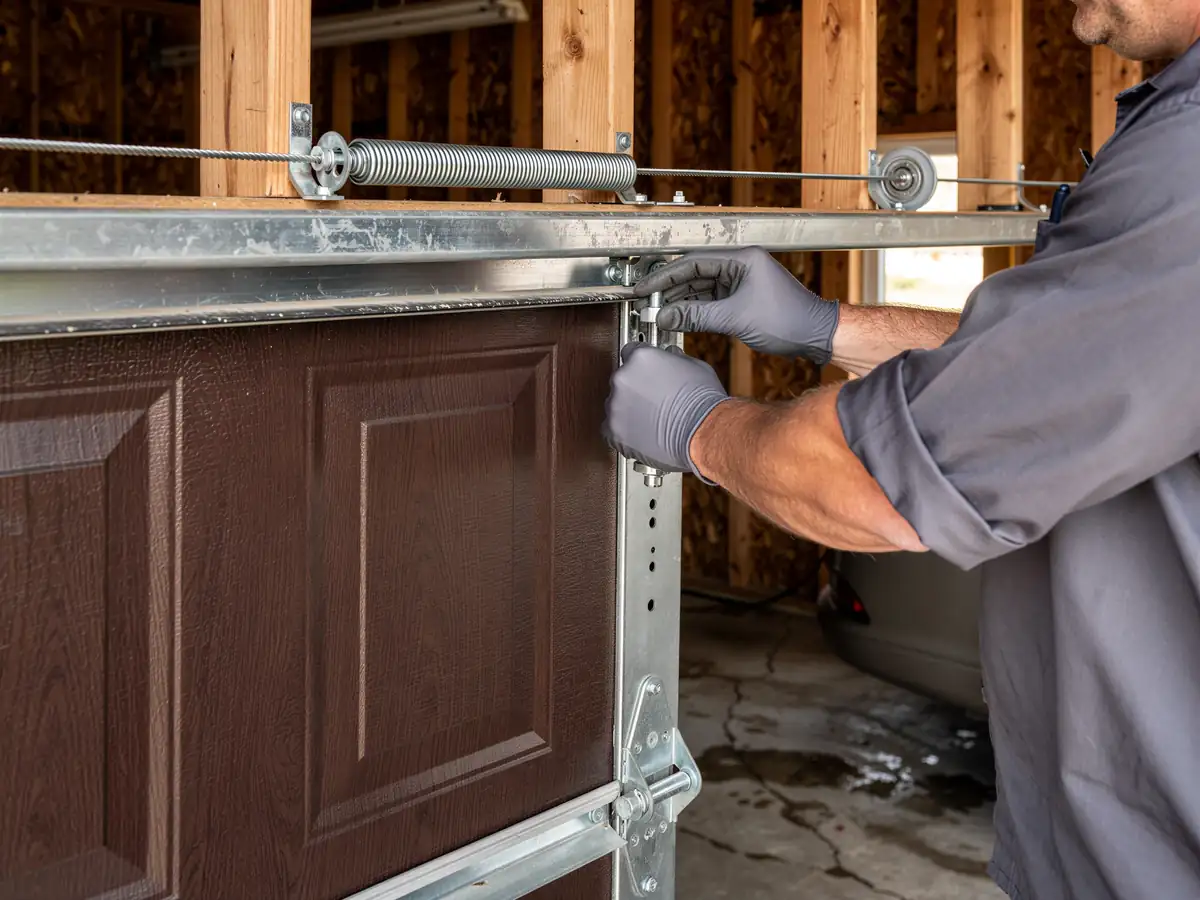
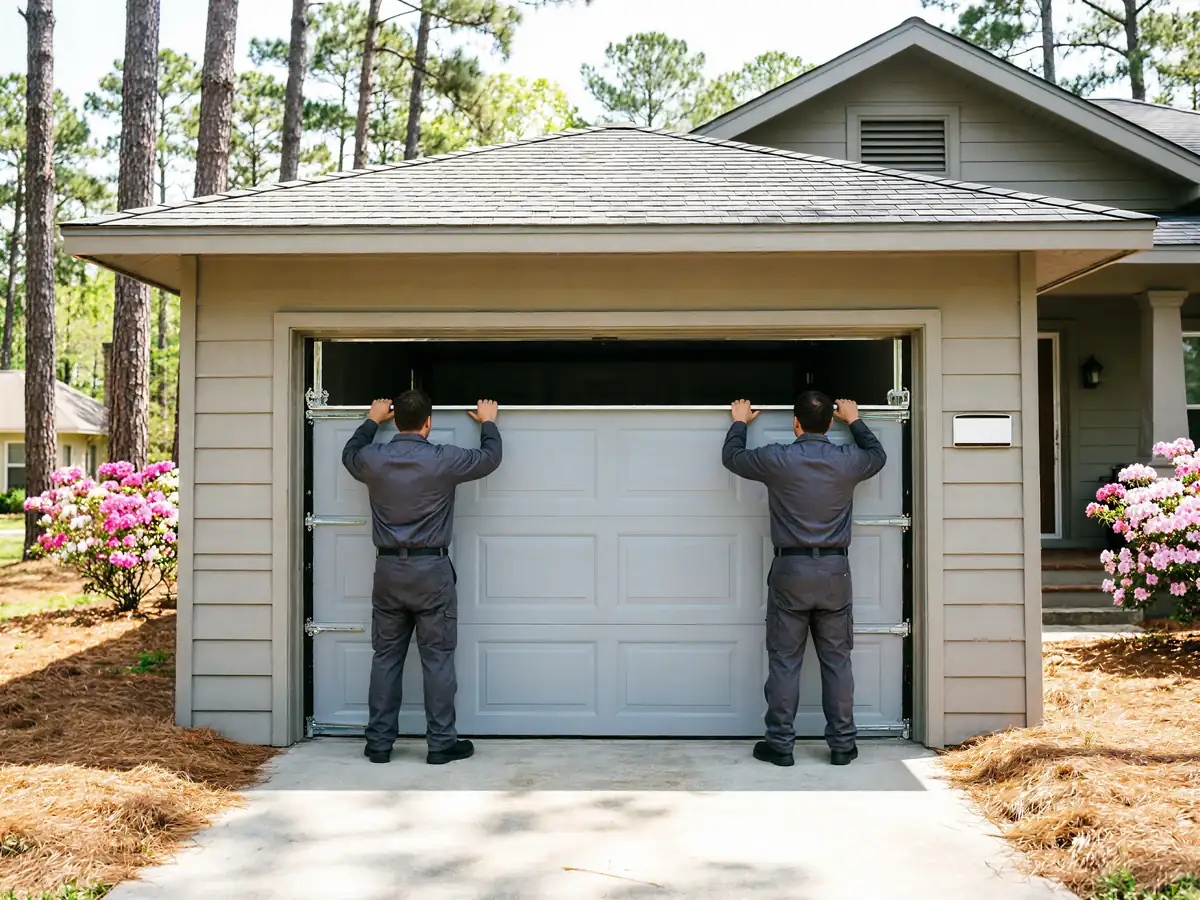
Belvedere Park is a small place, about 5,515 households, which means the garage door openings here cluster tightly around a handful of standard sizes from the early 1960s build boom. That's actually good news if you're weighing a DIY install - the opening on your house is probably the same 7-foot or 8-foot rough frame as your neighbor's, so a correctly measured door isn't the hard part. The hard part is the track alignment and spring tension, and that's where most self-installs go sideways. A door that's out of plumb by even a quarter inch at the jamb will bind on one roller, and a torsion spring wound to the wrong turn count can put you in the ER. We're not going to tell you it can't be done. We're going to tell you that on a 1961-era frame, the lumber has usually shifted a little over sixty years, and squaring that up before you hang a new door is a job that rewards someone who's done it more than once. If you've hung a door before, go for it. If this is your first, call us before you buy the door, not after.
How Long You Are Without the Door
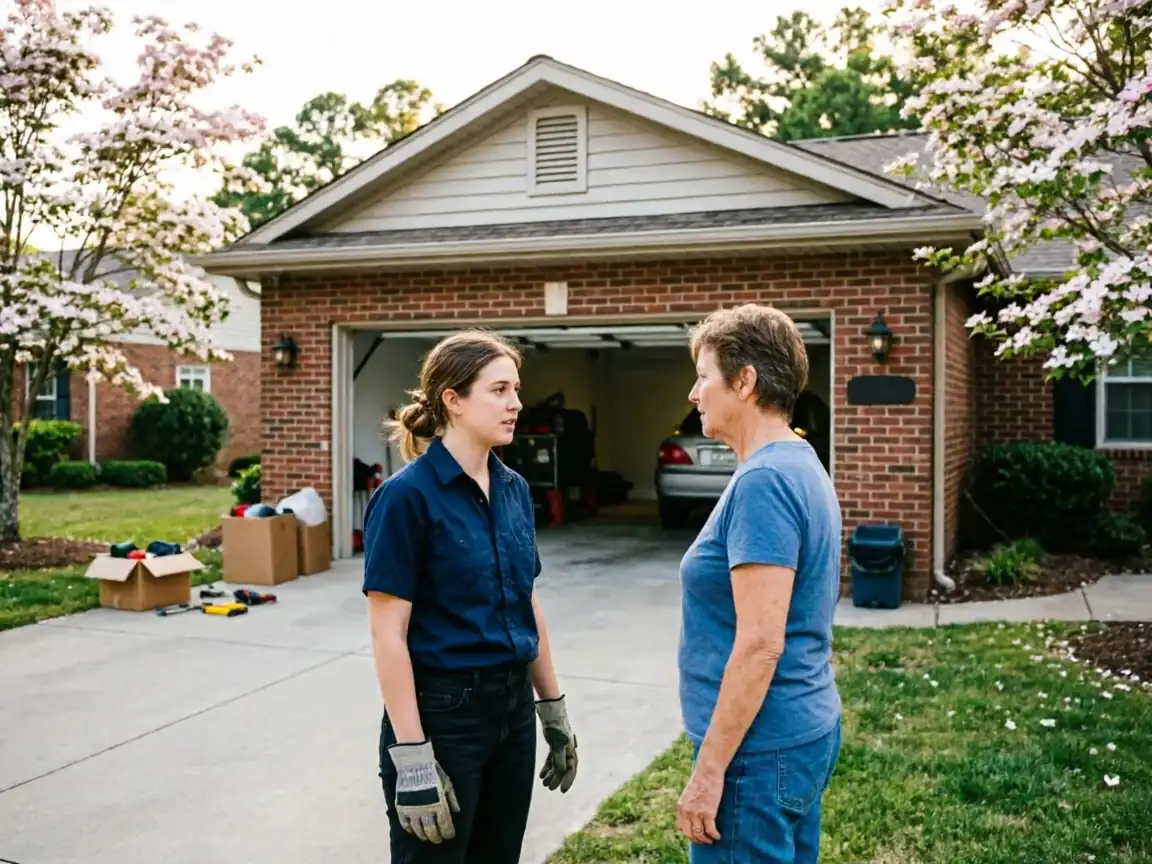
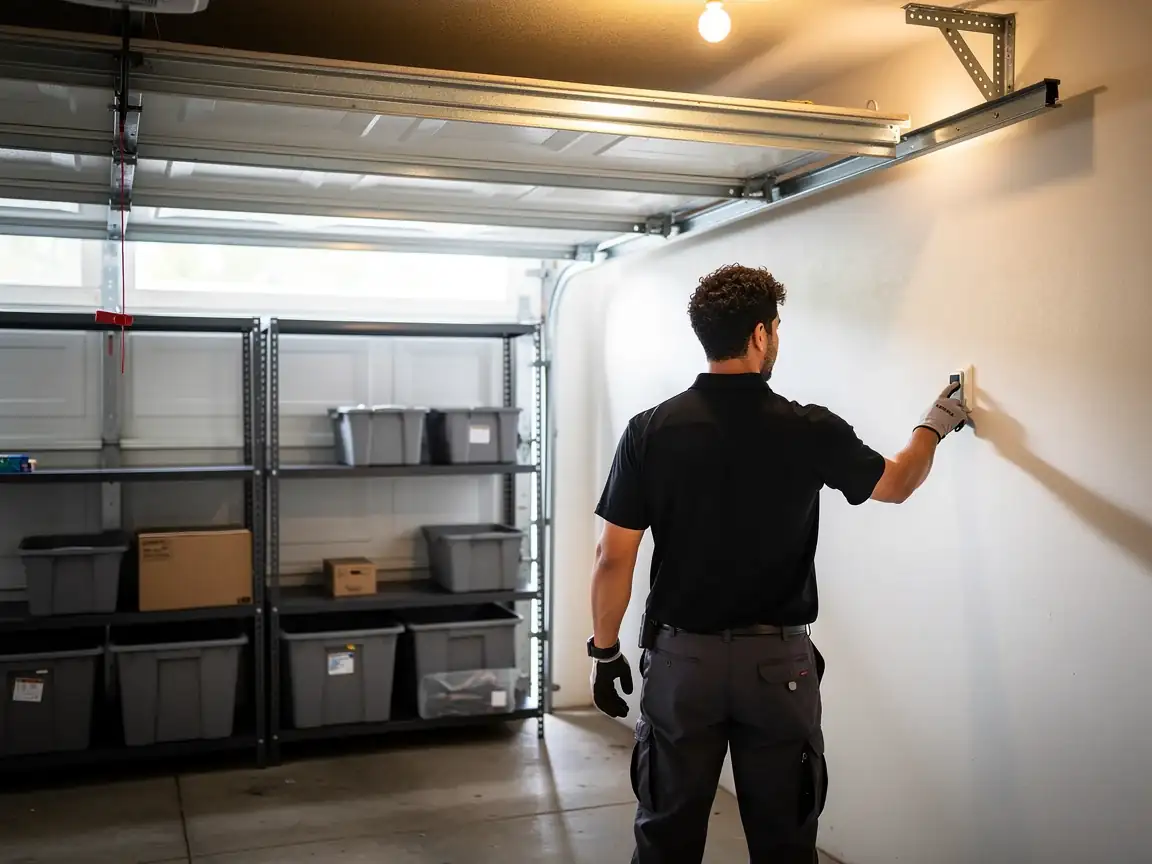
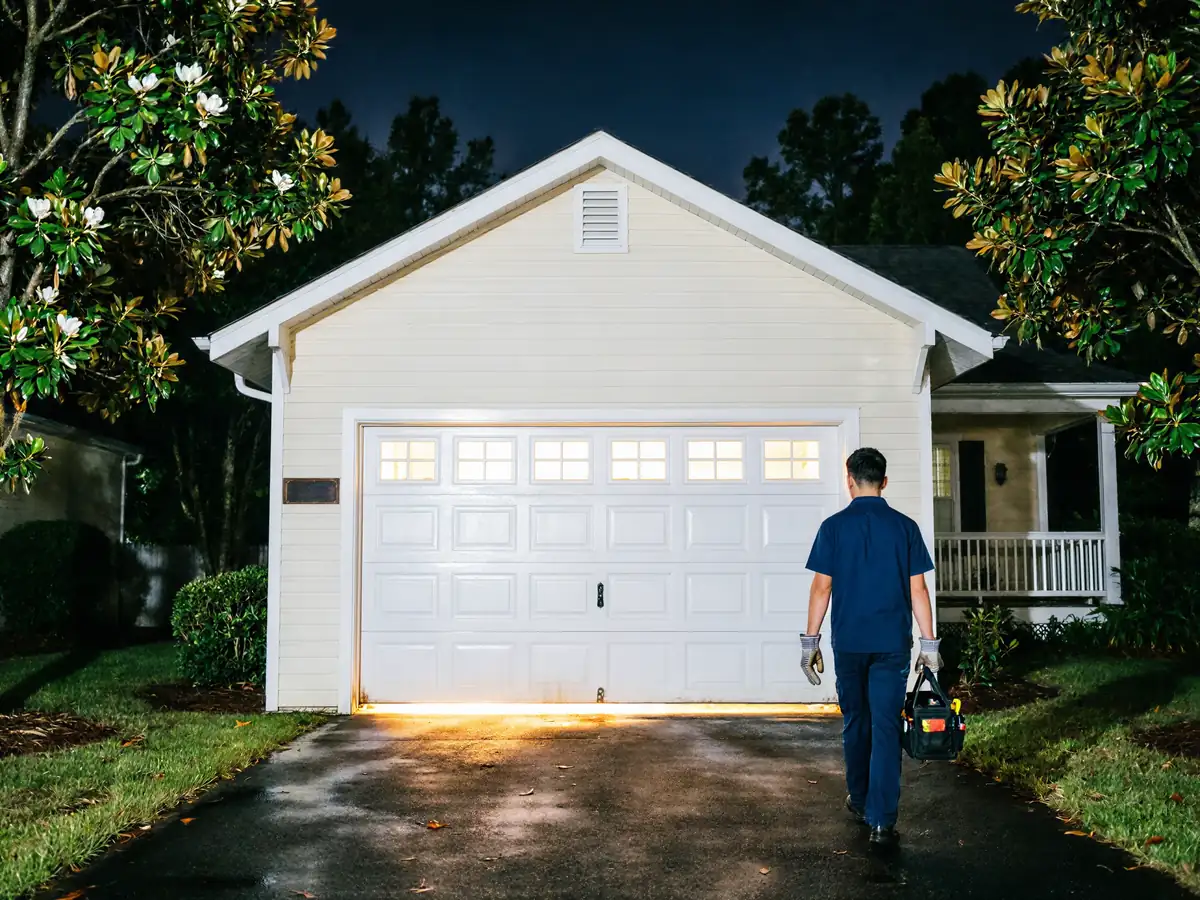
We run out of Stockbridge, 15 miles from Belvedere Park, so there's no same-day drop-in the way a shop located in-town could offer. Once we're on site, a standard single or double door install runs a half day to a full day depending on whether we're also replacing track and springs or just the panel section. The bottleneck isn't the install itself - it's getting the right door ordered and delivered, especially for the wider double openings common on the area's 1960s and 70s ranch-style garages. If your current door failed suddenly (a broken spring, a cable off the drum), we can usually get the opening secured same visit even if the new door install happens on a follow-up trip. We won't promise a response window we don't operate close enough to guarantee.
What You Pay
We don't have a posted price list for Belvedere Park specifically, and we're not going to make one up. What drives the number is door size, insulation level, and whether the track and spring need replacing along with the panel - on a 1961-built opening, that last part is common, since original hardware from that era rarely matches the weight of a modern insulated door. What we can tell you is this is a stable, middle-income area - median household income here runs around $68,900, a bit above the broader service area's $62,299 - and most of the installs we see are straightforward full-door replacements rather than exotic custom sizes. Ask for a written quote before any work starts, and ask specifically whether it includes new track and spring hardware or just the door panel.
Why This Fails Locally
The service area overall spans housing built anywhere from 1938 to 2007, but Belvedere Park sits on the older end of that range with a median build year of 1961. That matters because doors from this era were almost always single-layer steel or wood on side-mounted torsion springs sized for a lighter panel. Over the decades, a lot of these got swapped for heavier insulated replacements without anyone upgrading the spring to match - so the opener strains, the cables stretch unevenly, and the door starts sagging at the corners. Add the region's cold-moderate climate swings, and steel panels that were fine in the 1960s now show rust at the bottom seam where condensation collects overnight. This isn't a problem you see on newer stock; it's specific to a neighborhood built in one tight window six decades ago.