Can You Do This Yourself
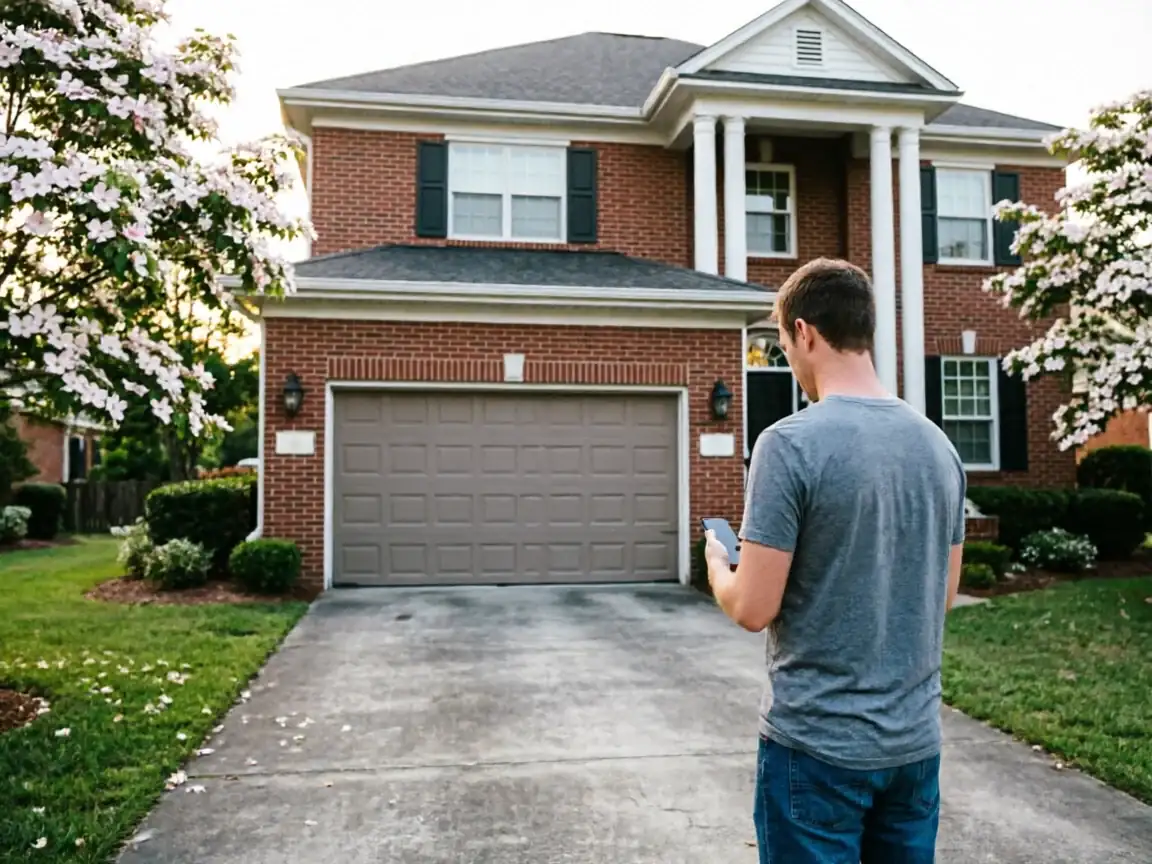
Most houses in Belvedere Park went up around 1961, which means a lot of garage doors here are still running hardware nobody has touched since the house was built. The panel sections, the hinges, even the track spacing often date to that original install. If you're looking at a dented or split section and thinking you'll just order a replacement panel online, the first problem is finding one that matches a door frame from that era. Panel widths, hinge hole spacing, and the steel gauge all shifted over the decades, and a section that's off by even a quarter inch binds the door on the track.
You can swap a panel yourself if you've got the tools, the time, and a door that's still a common size. What you can't easily do on your own is confirm the panel will seat correctly against 60-year-old hardware without throwing the whole door out of square. We've seen owners buy a panel, get it home, and find the hinge pattern doesn't line up. That's a wasted order and a door still broken. If you want a second opinion before you buy anything, see our page on general service in the area.
How Long You Are Without the Door
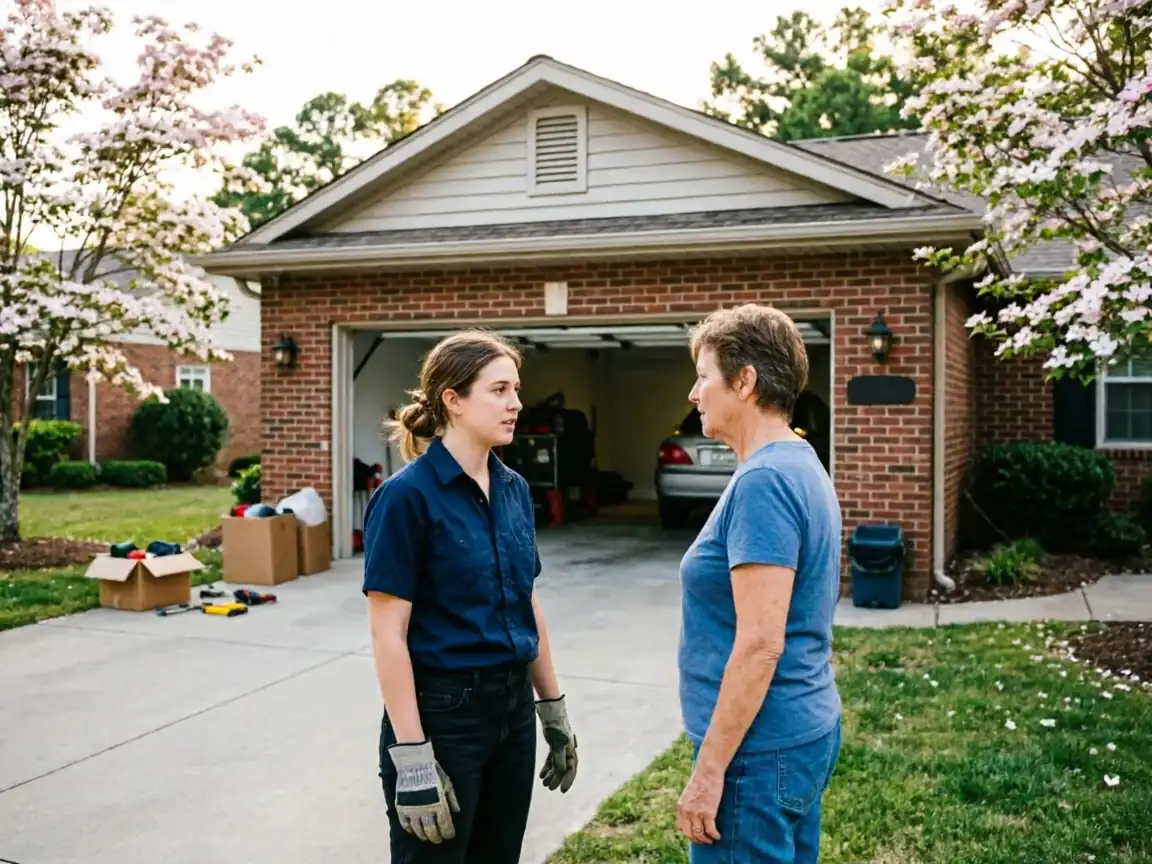
We don't carry a crew out of Belvedere Park itself. Every job here is a 15 mile drive from our Stockbridge shop, so we schedule the visit rather than treat it as a same-hour stop. That doesn't mean a long wait, but it does mean the job gets booked like any other appointment, not squeezed in on a whim.
The bigger variable is the panel itself. If your door is a common size and a current manufacturer still makes a matching section, we can usually get it in and fit it in one visit once parts are on hand. If your door is old enough that the original panel profile is discontinued, which is common on houses from the 1961 build era, we may need to order a compatible section or price a partial door replacement instead. That's the honest limitation: we can't promise a same-day fix on a panel that nobody makes anymore. We'll tell you straight if your door falls into that category before we start any work.
What the Fix Involves
A panel replacement starts with matching the section, not swinging a wrench
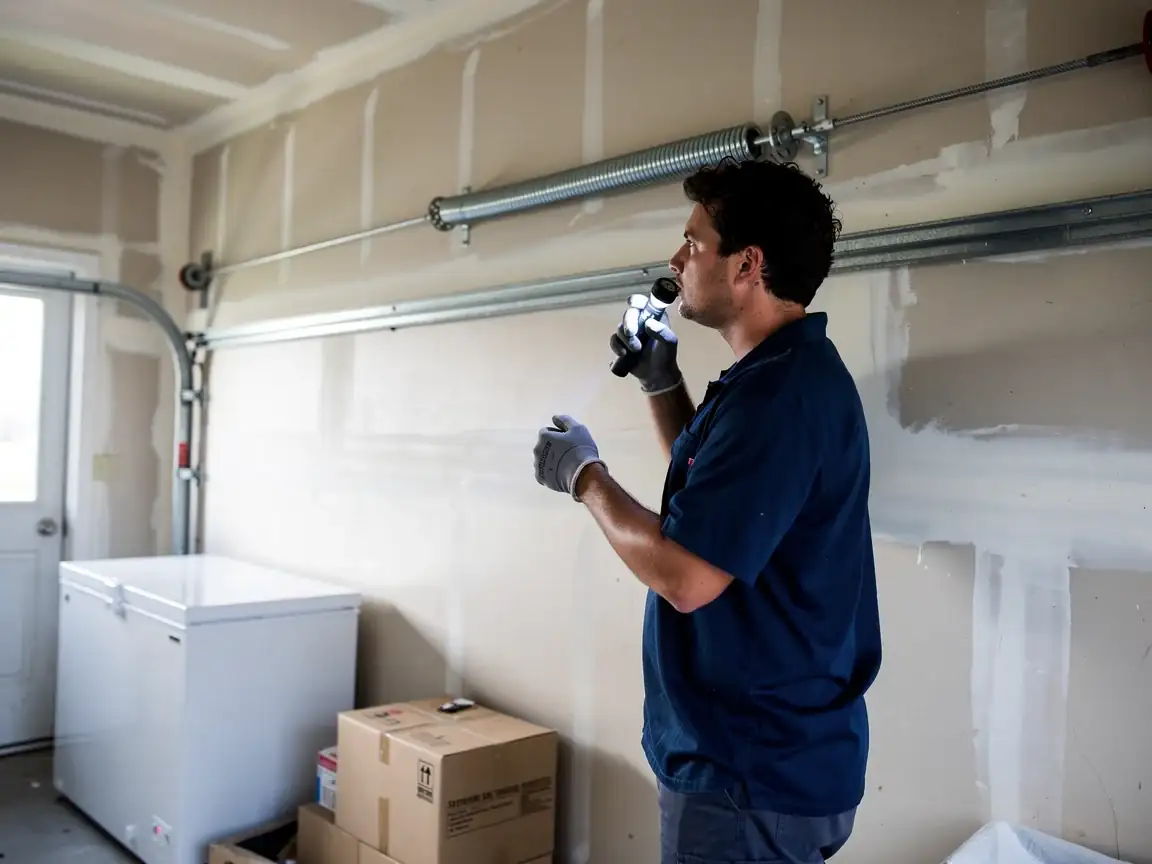
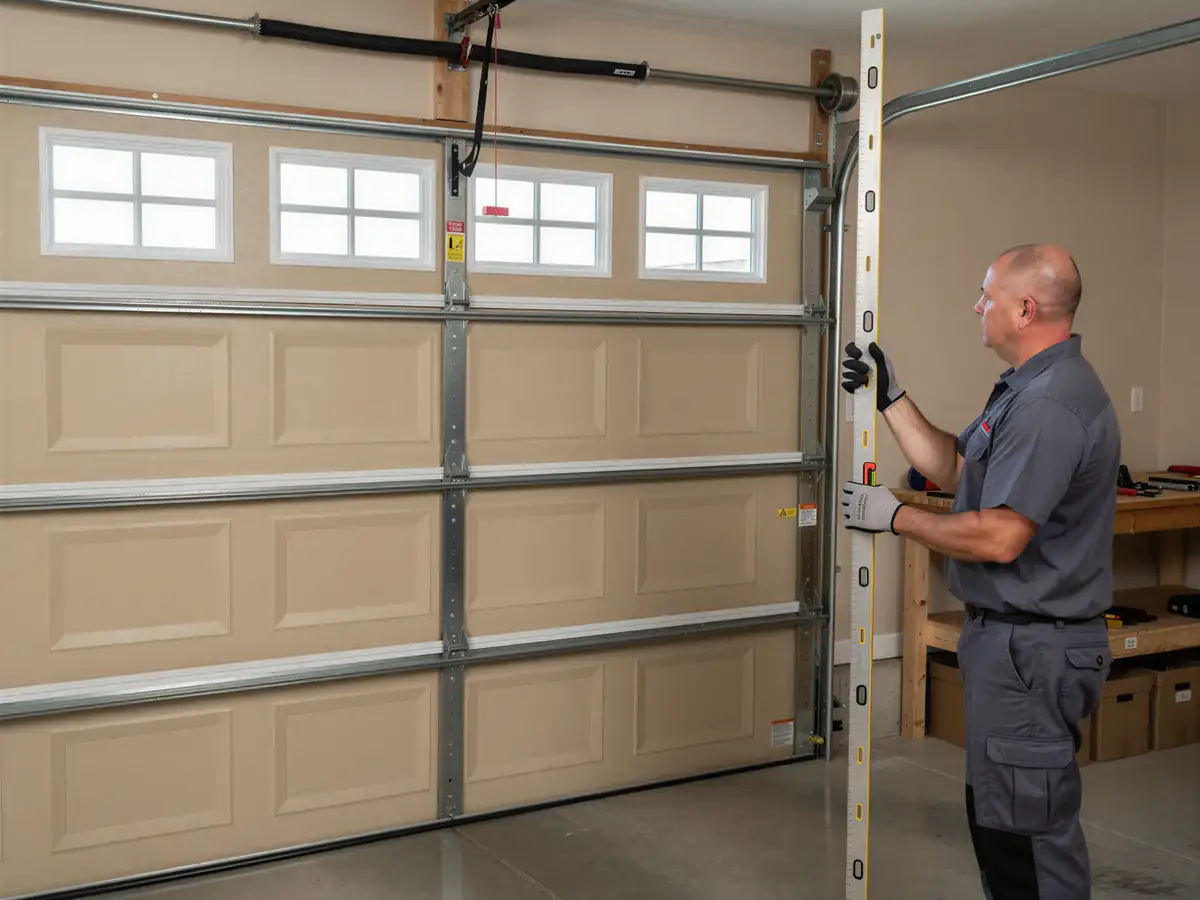
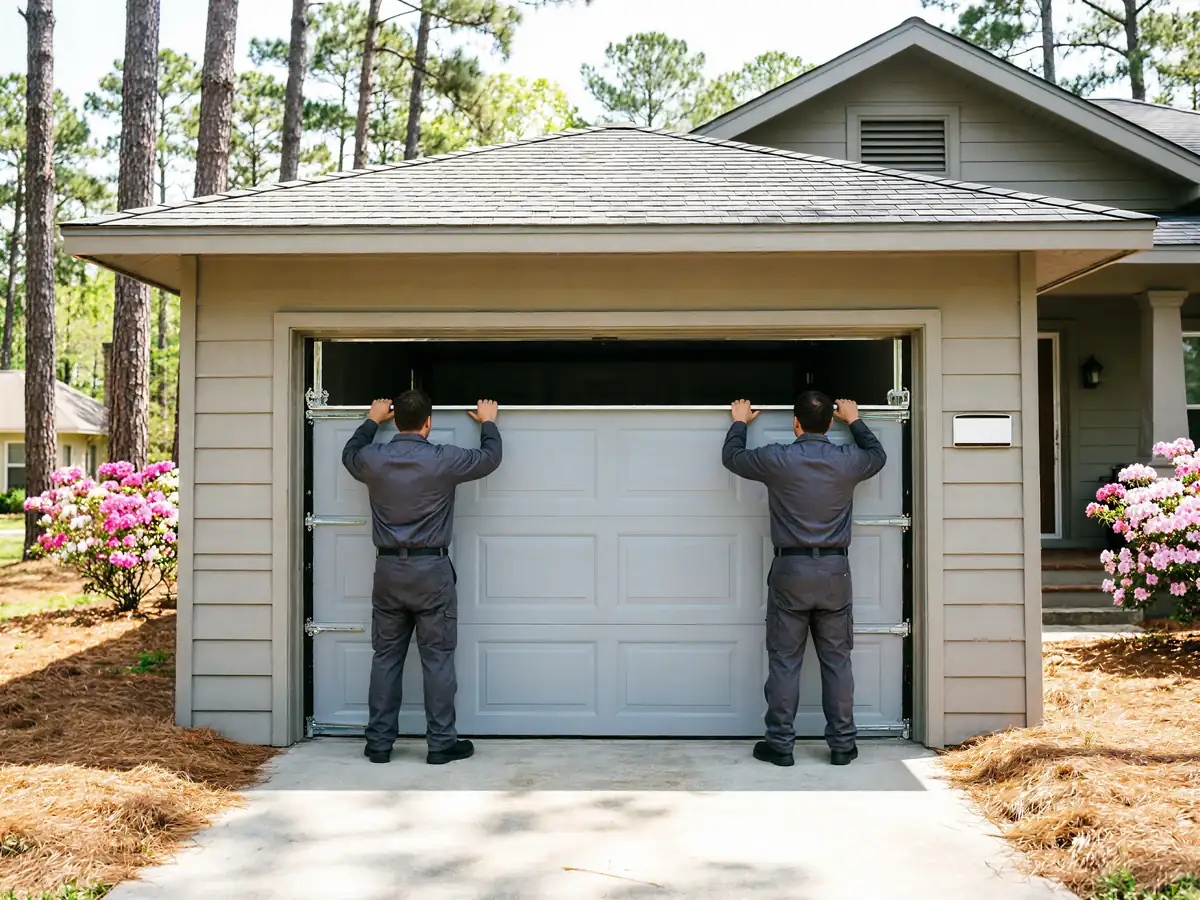
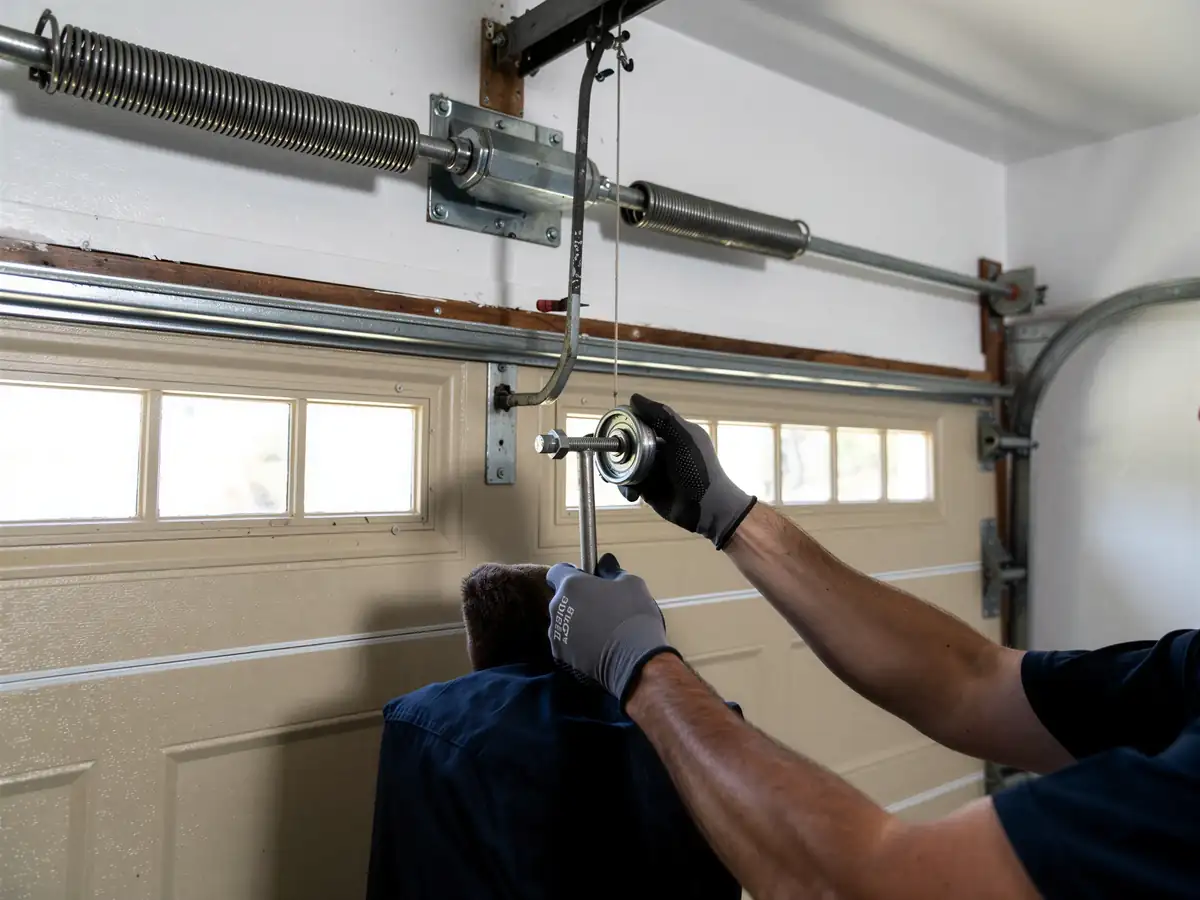
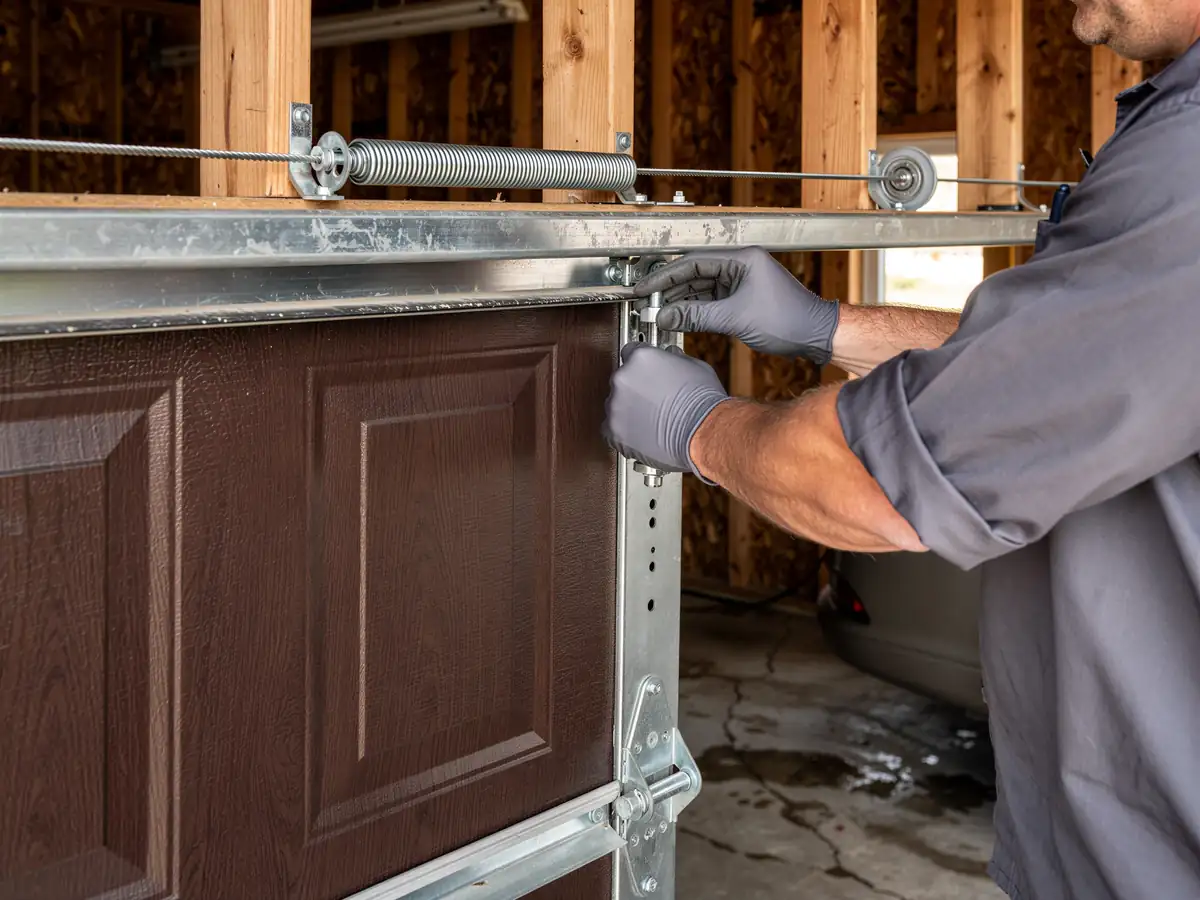
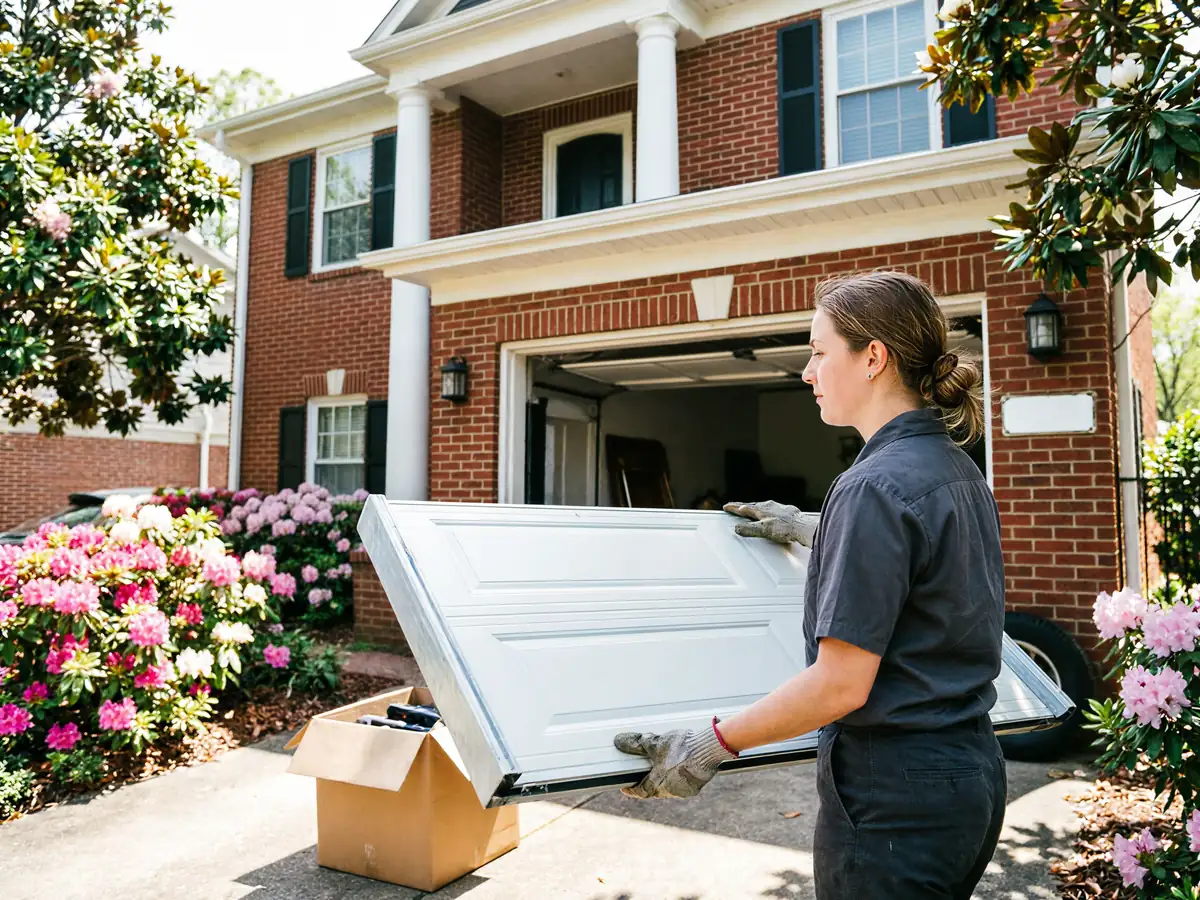
We measure the existing panel, check the hinge spacing against the track, and confirm whether the door uses steel, aluminum, or wood core construction, which varies a lot across houses built between the 1960s and 1970s in this area. Once we have a matching panel, the job is mechanical: disconnect the spring tension, pull the rollers from the damaged section, unbolt it from the hinges above and below, and set the new panel in its place.
The part that takes the most care is re-aligning the door after the swap
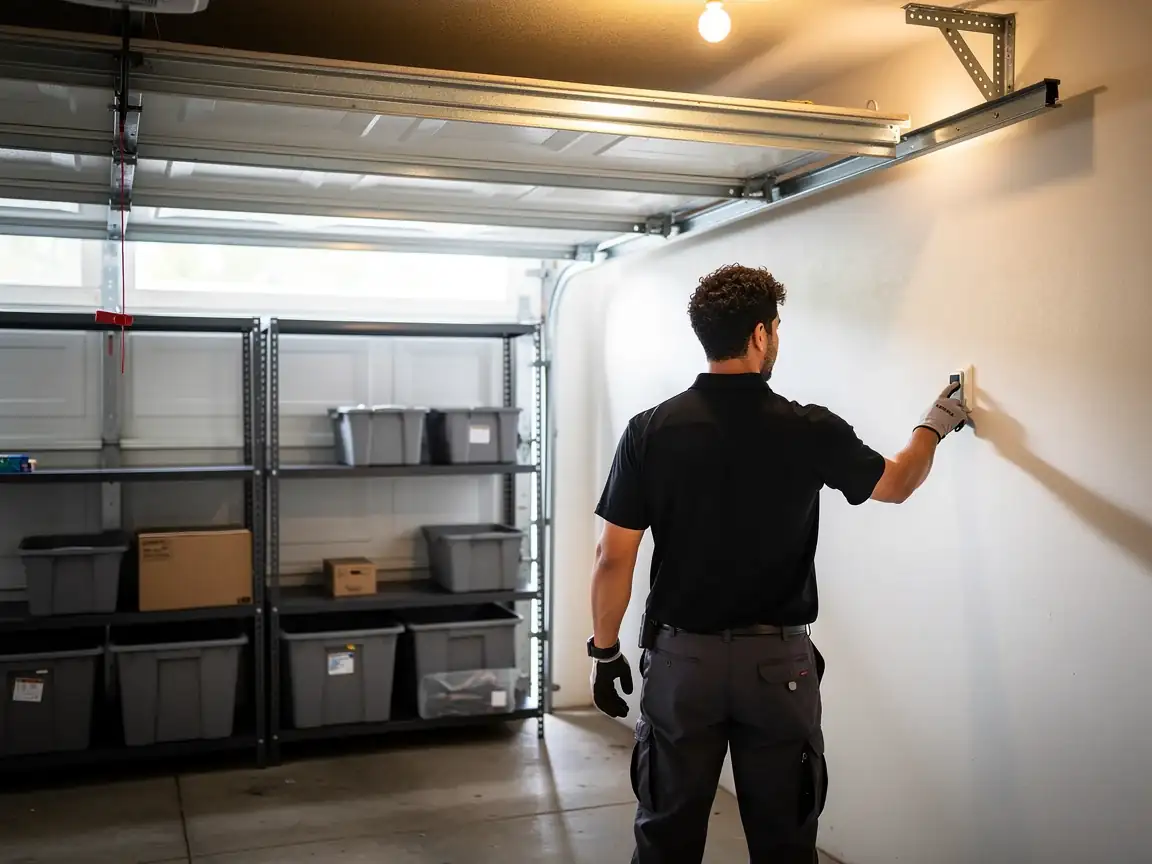
A door that's run on the same track since 1961 has settled into that track, and a new panel section is slightly stiffer than the worn ones around it until it's been cycled a few dozen times. We run the door open and closed several times after the install to check balance and make sure the springs aren't working harder on one side. If the opener is original to the house as well, we check that it's not straining against the new panel weight before we leave.
What You Pay
We don't quote a flat number here because panel replacement cost depends on what's actually wrong and what's available for your door size. A single section swap on a common width is a different job than sourcing a matching panel for an older, discontinued profile, and that difference shows up in the price. What we can tell you is that we price the job after we see the door and confirm what part is needed, not before.
If you're trying to decide whether a panel swap makes sense versus a full door replacement, the honest answer is that it depends on how many sections are damaged and how old the rest of the door is. One cracked panel on an otherwise sound door built around 1961 is usually worth fixing. Three damaged panels on a door that's already had two spring repairs is a different conversation, and we'll say so rather than sell a patch job that won't hold.
Why This Fails Locally
This area sits in a cold-moderate climate band, which means steel garage doors here go through real freeze-thaw cycling every winter. That cycling is hard on seams, and panel sections on doors from the 1961 era were built with thinner steel and simpler seam folds than what's sold today. Over enough winters, that seam is where the panel splits first, usually along the bottom section where road salt and moisture sit longest.
Belvedere Park has roughly 5,515 households, and a meaningful share of those sit on housing stock from the same mid-century build window, which means this isn't a one-house problem. Across the wider service area, median household income runs $62,299, but here in Belvedere Park it's closer to $68,900, which is part of why more owners choose a proper panel match over a cheap universal replacement that doesn't fit the original hinge spacing. Paying once for the right part beats paying twice for the wrong one.
How It Shows Up
The most common sign is a visible dent or crack on the bottom panel
Usually from a car bumper tap or a chunk of ice coming off the roofline in a cold snap. On older doors, that damage often doesn't stay cosmetic. A cracked panel section loses rigidity, and the door starts to flex at that spot every time it opens, which puts uneven stress on the rollers and track next to it.
Sometimes the sign is less obvious
A panel that's rusted through along the bottom seam, common on doors from the 1961 construction window, can start letting water in before it ever shows a crack. If you notice daylight at a seam that used to be tight, or the door sounds different, a rattle instead of a smooth roll, that's usually the panel starting to separate from the roller bracket. Catching it at that stage is cheaper than waiting for the section to fail outright. For a broader look at what else might be going on with the door, our Stockbridge panel replacement page covers the service in more general terms.