Can You Do This Yourself
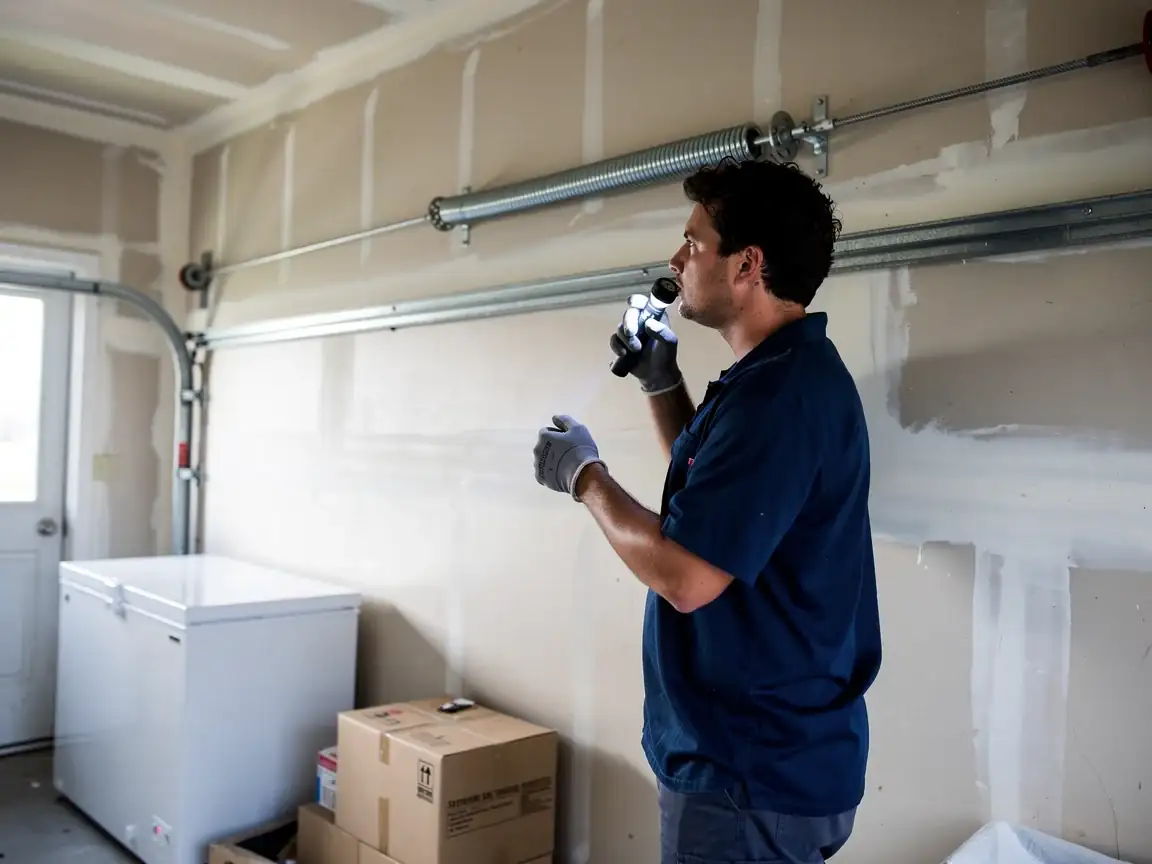
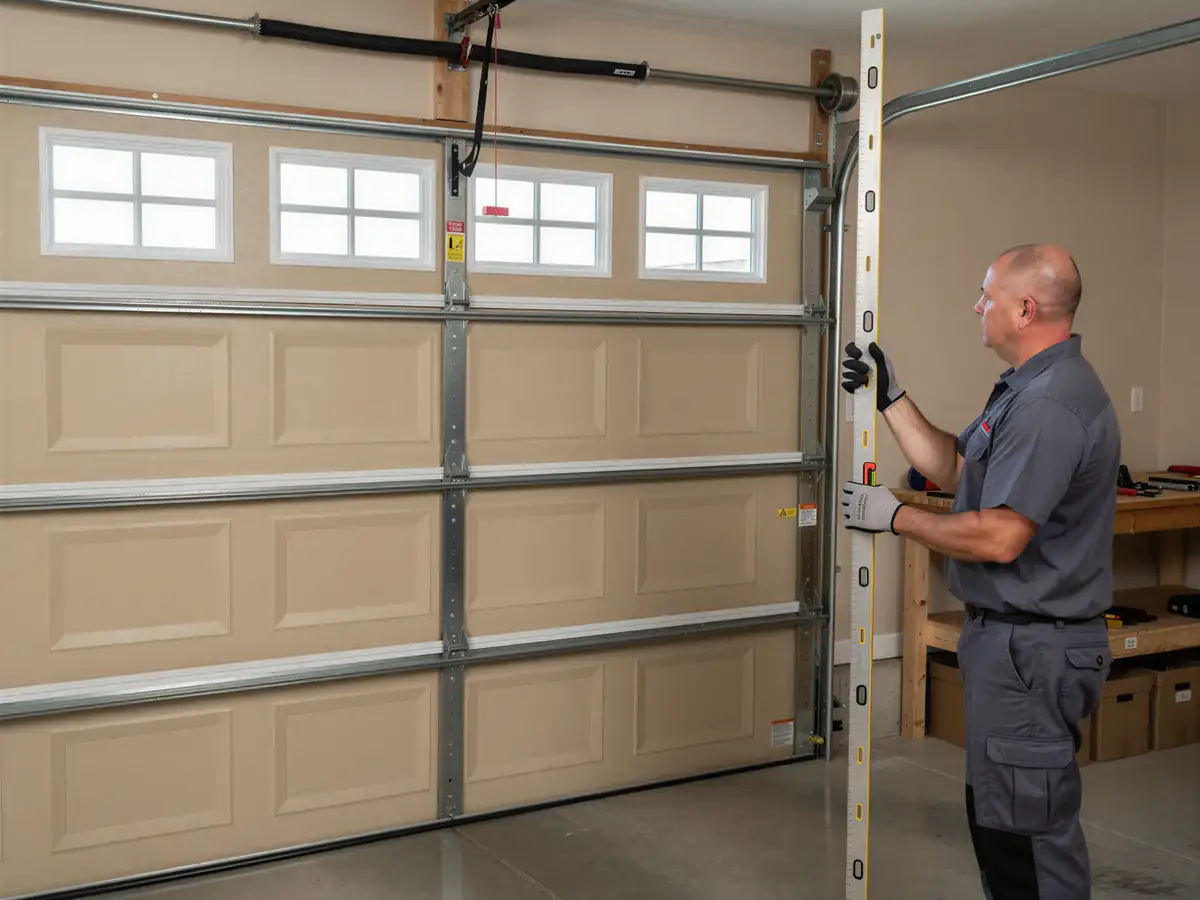
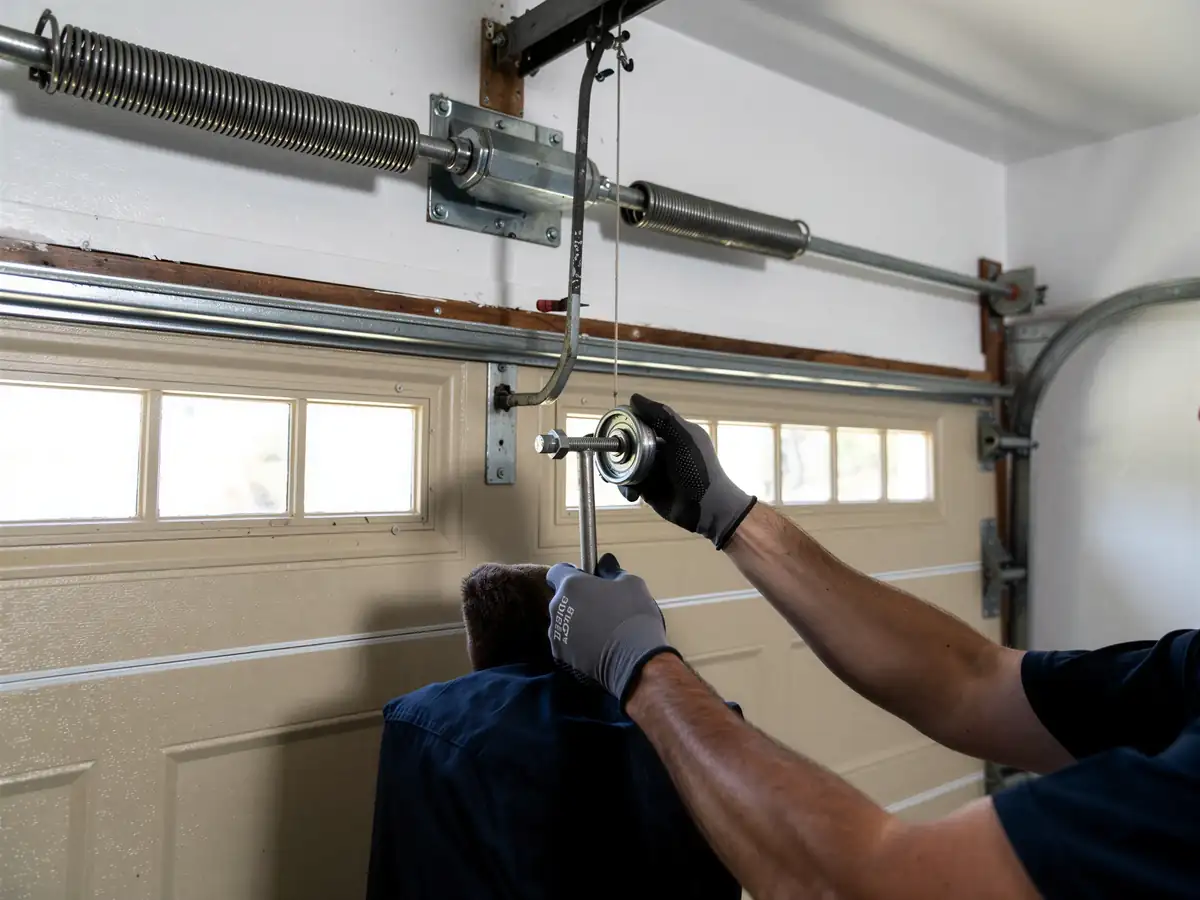
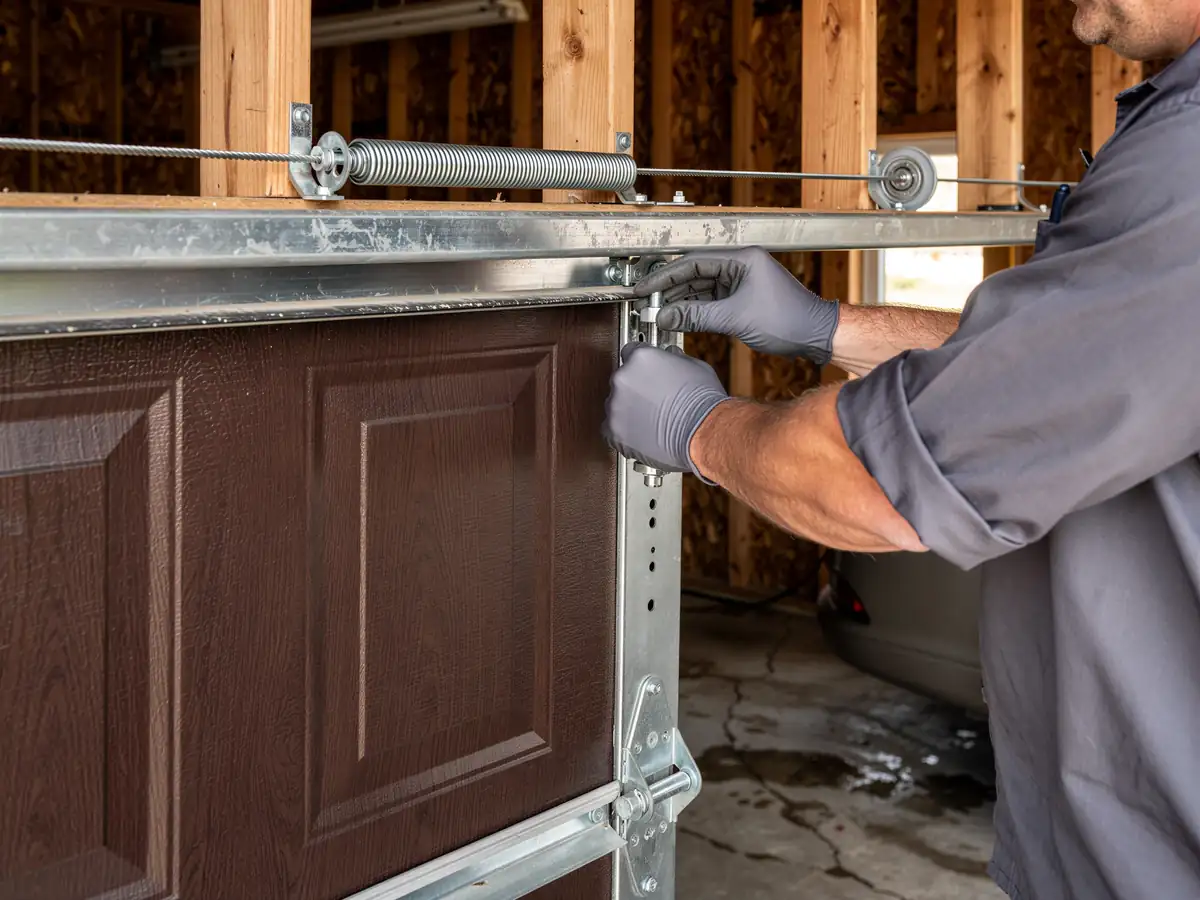
Some of it, yes. Wiping down tracks, checking that the door is balanced by pulling the release and seeing if it holds halfway open, tightening visible bolts on the hinges - none of that needs a truck. What you shouldn't touch is the torsion spring. On a house built around 1961, which is the median age for Belvedere Park and a decade or more older than the broader Stockbridge service area's 1974 median, that spring has likely been replaced at least once already, maybe with hardware that doesn't match the original mounting. Guessing at wind-up turns on an unfamiliar spring size is how people end up in the ER, not how they save a service call. Lubricating rollers and hinges twice a year, checking the auto-reverse safety feature, and listening for new grinding or popping sounds - that's the homeowner side of the job. Everything involving cable tension or spring wind belongs to someone who does it daily.
How Long You Are Without the Door
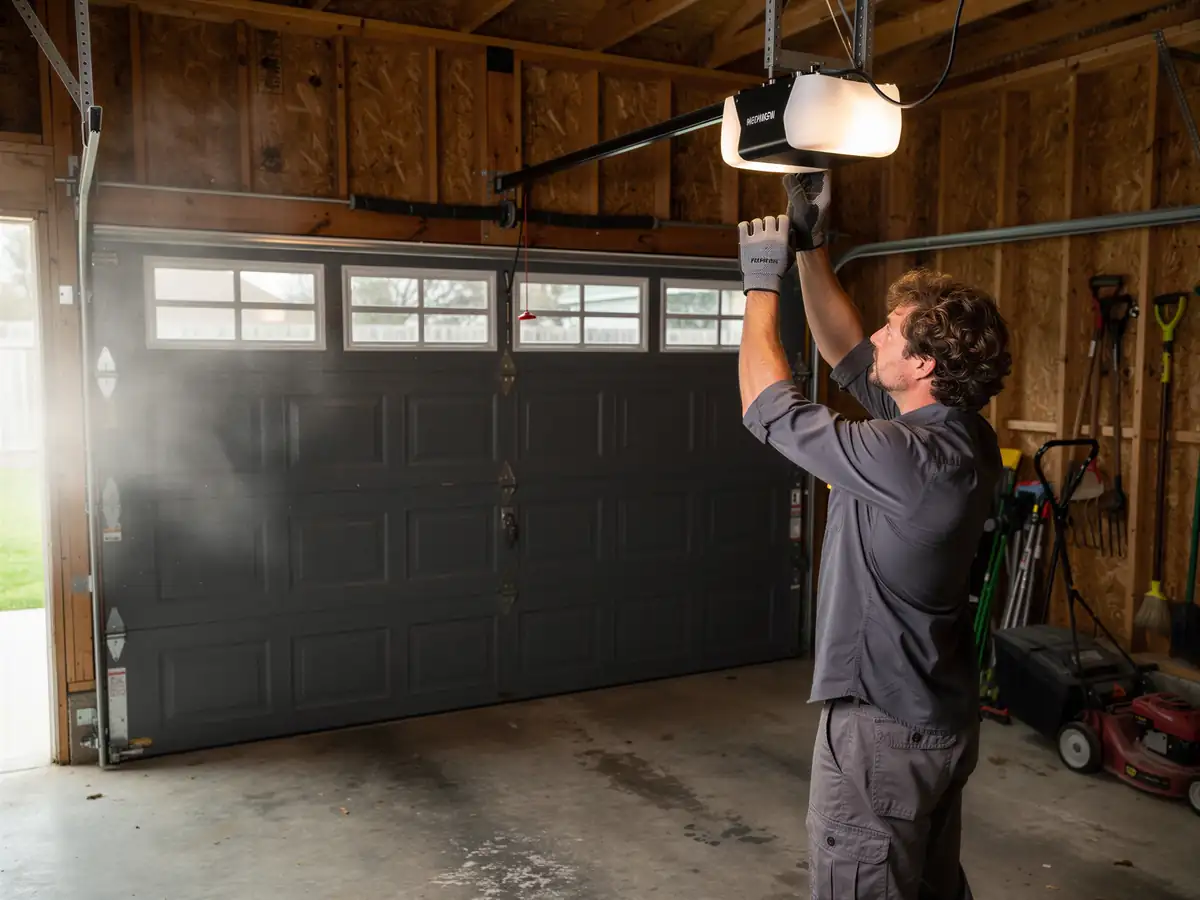
Because this job comes out of Stockbridge, about 15 miles from Belvedere Park, the time you're without a working door isn't measured in minutes the way a depot-based outfit might claim. It's measured in the drive plus the work itself. Routine maintenance - lube, balance check, hardware tightening, opener inspection - usually wraps in under an hour once the tech is on site. If the visit turns up a cracked panel seam or a spring that's past its rated cycles, which shows up more often in the older stock here than in newer construction elsewhere in the service area, that becomes a second visit with parts on the truck. We don't carry every spring size for pre-1970 hardware as standard stock.
What You Pay
We don't publish a flat maintenance price for Belvedere Park specifically, since the distance from Stockbridge and the condition of older hardware both factor into the visit. What we can tell you is that houses here tend to need more hands-on time per visit than newer construction, simply because the parts are older and less standardized. A household in this area has a median income of $68,900, noticeably higher than the $62,299 median across the wider service area, which is worth mentioning only because it tends to track with homeowners who maintain on a schedule rather than waiting for a failure - that's the cheaper path either way.
Why This Fails Locally
The reason maintenance matters more in Belvedere Park than it might in a newer subdivision comes down to the build year. A door going up in 1961 almost certainly started with heavier hardware than anything sold today - different spring gauge, different drum size, sometimes a different track width. Decades of regional climate exposure, which falls in the cold-moderate band for this part of Georgia, mean metal fatigue and seal breakdown happen on a longer, slower timeline than storm damage, but it still happens. Original hardware on a sixty-plus-year-old door isn't inherently bad; it's just a part count that doesn't match what a parts supplier stocks in 2024. Skip a few years of lubrication and balance checks on that kind of setup and the failure tends to be sudden - a snapped cable or a spring that lets go - rather than a slow decline you can see coming.