How It Shows Up
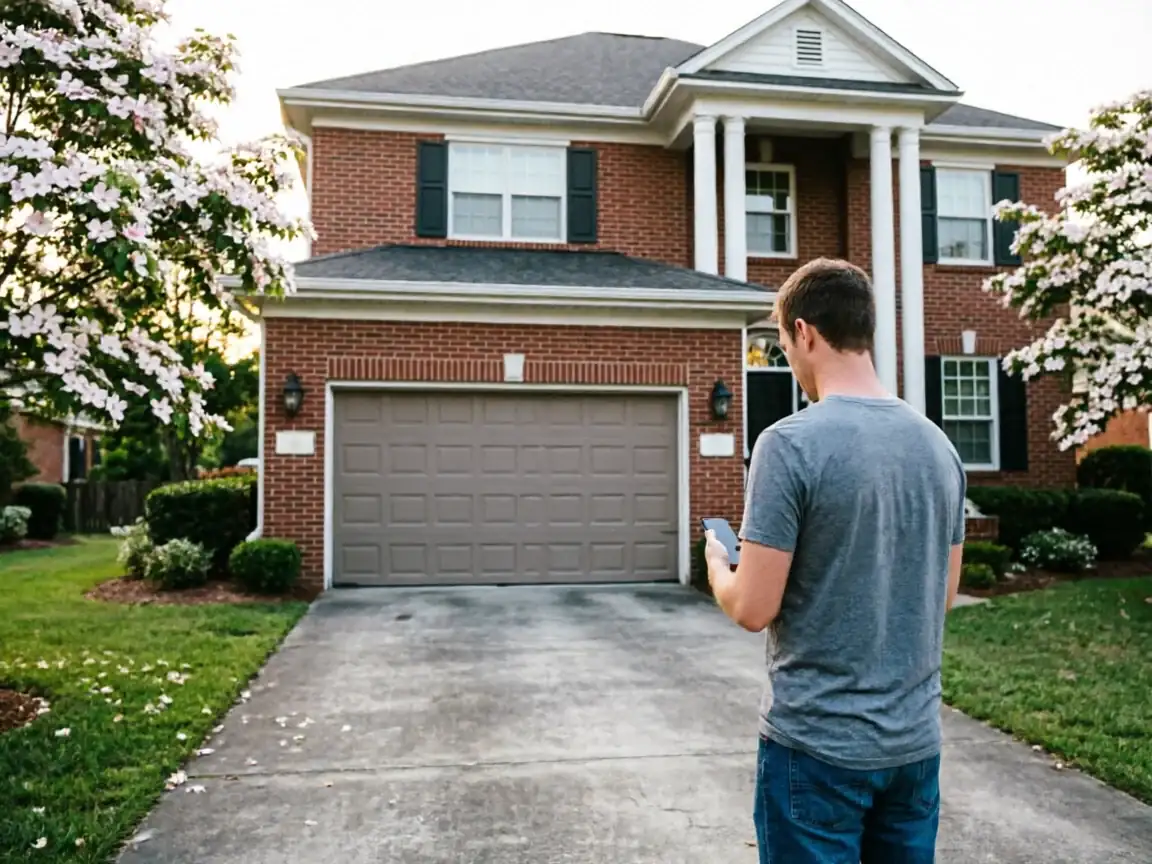
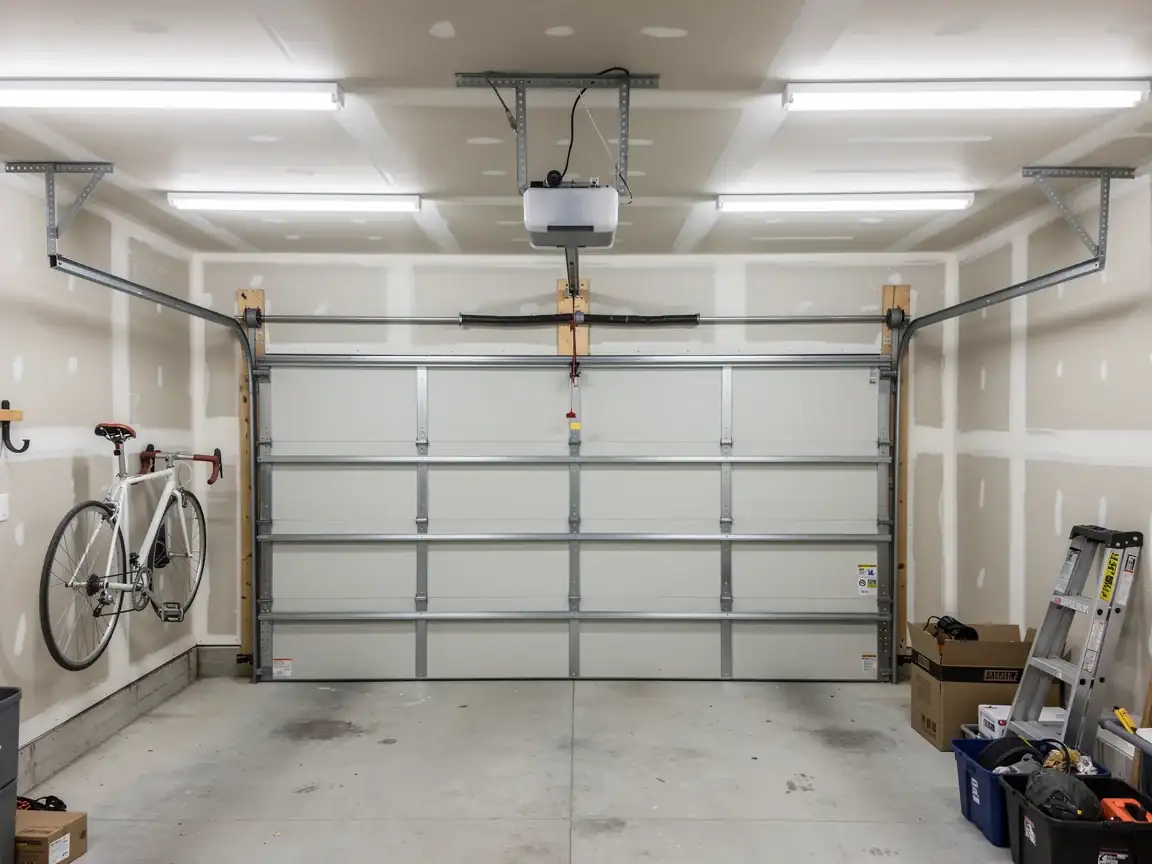
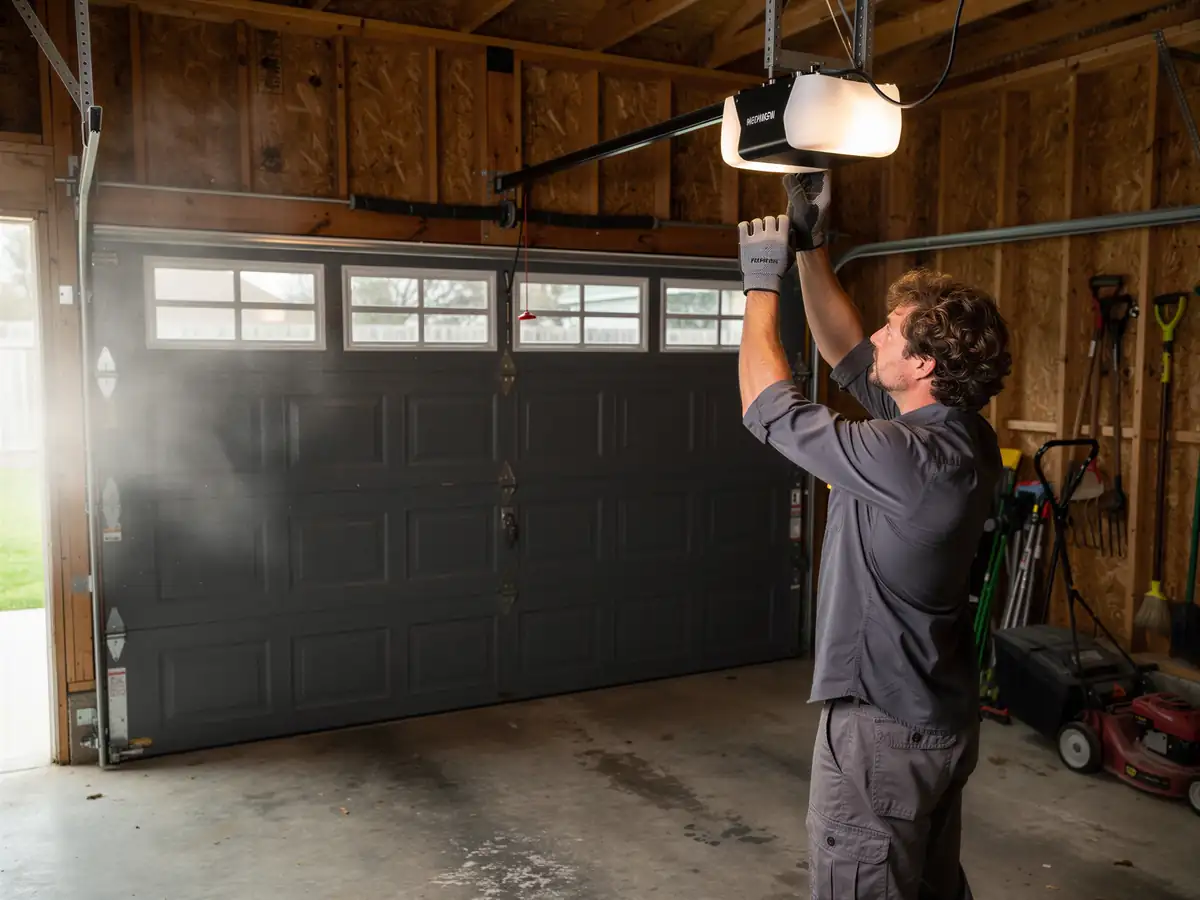
In Hampton, the fault we see most isn't the worn-out, decades-old torsion spring you'd find on an older street. The homes here went up mostly after 2000, with a median build year around 2004, so what fails first tends to be the opener side of things - circuit boards, safety sensor alignment, and the keypad or remote logic board rather than hand-wound steel. A door that reverses halfway down, or won't respond to the wall button but still works from the remote, points to a sensor or board issue, not a cable problem.
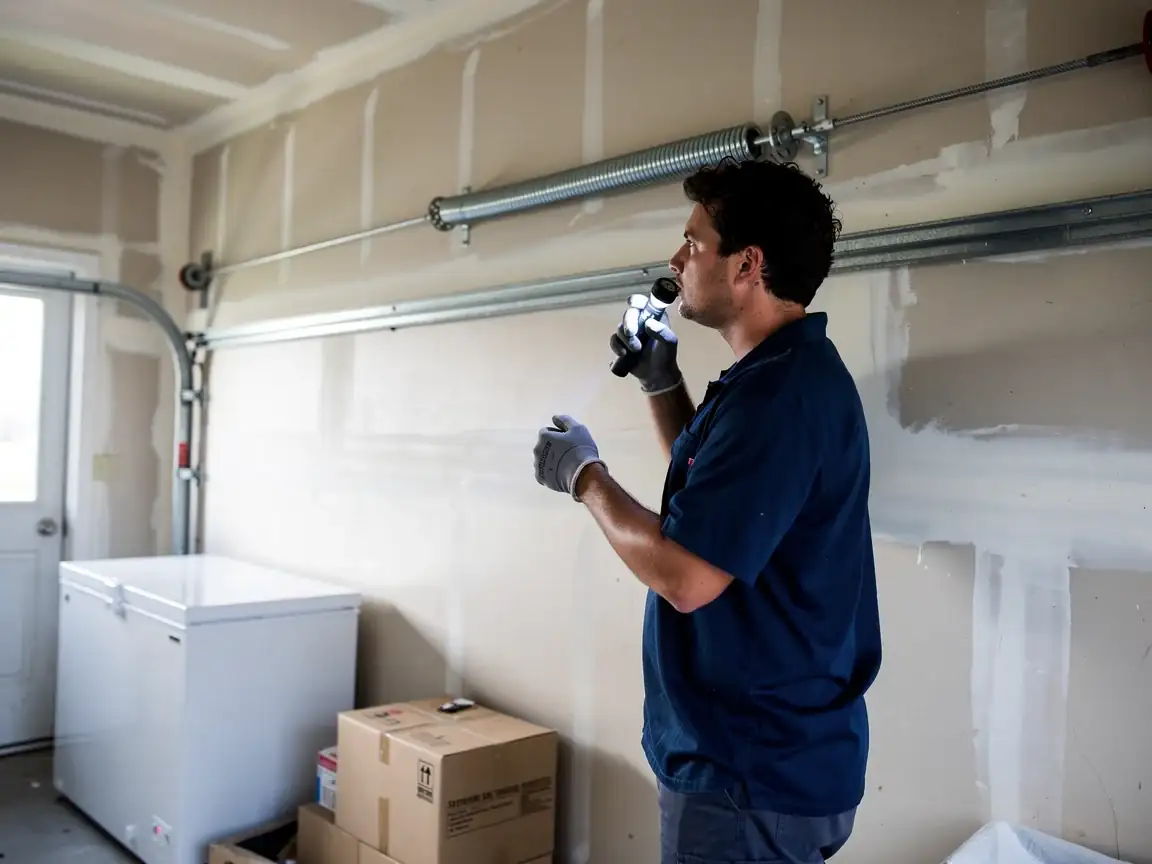
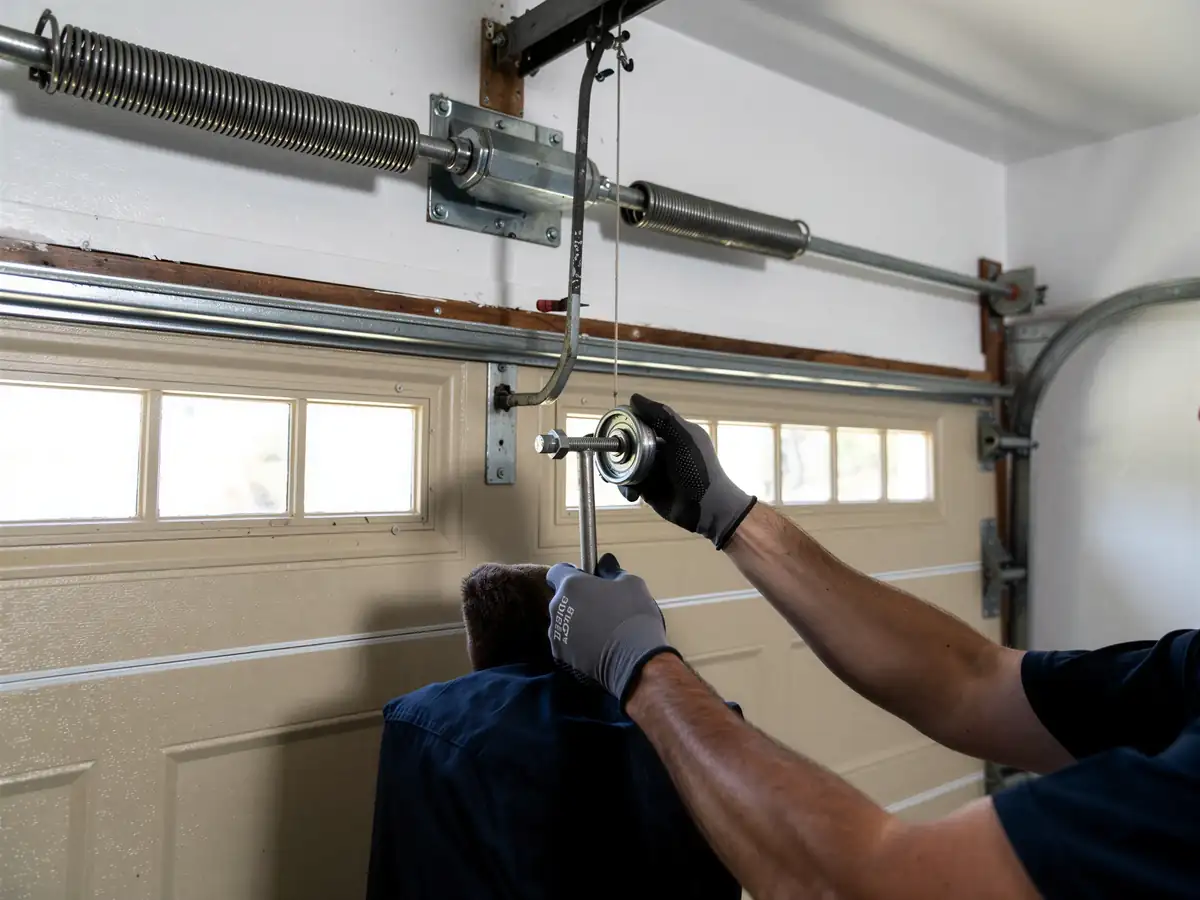
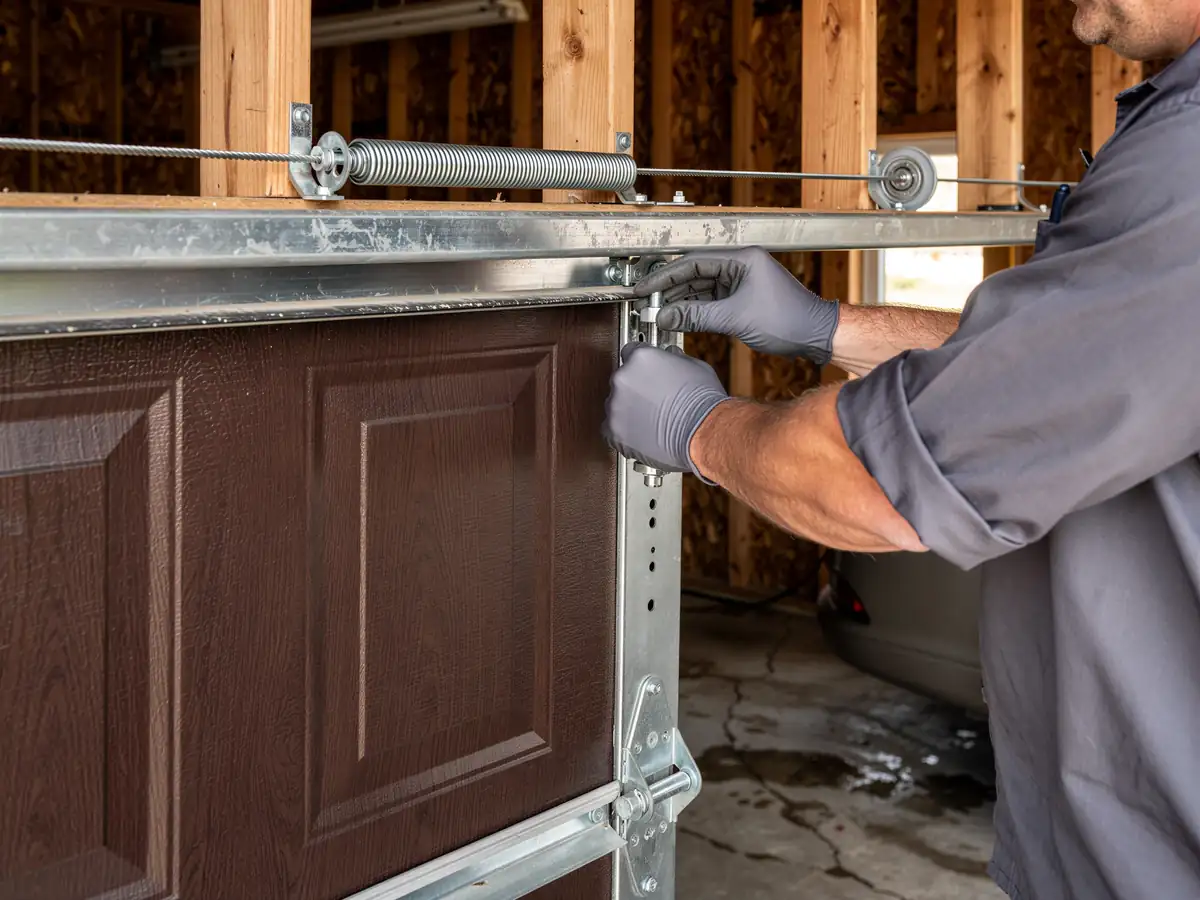
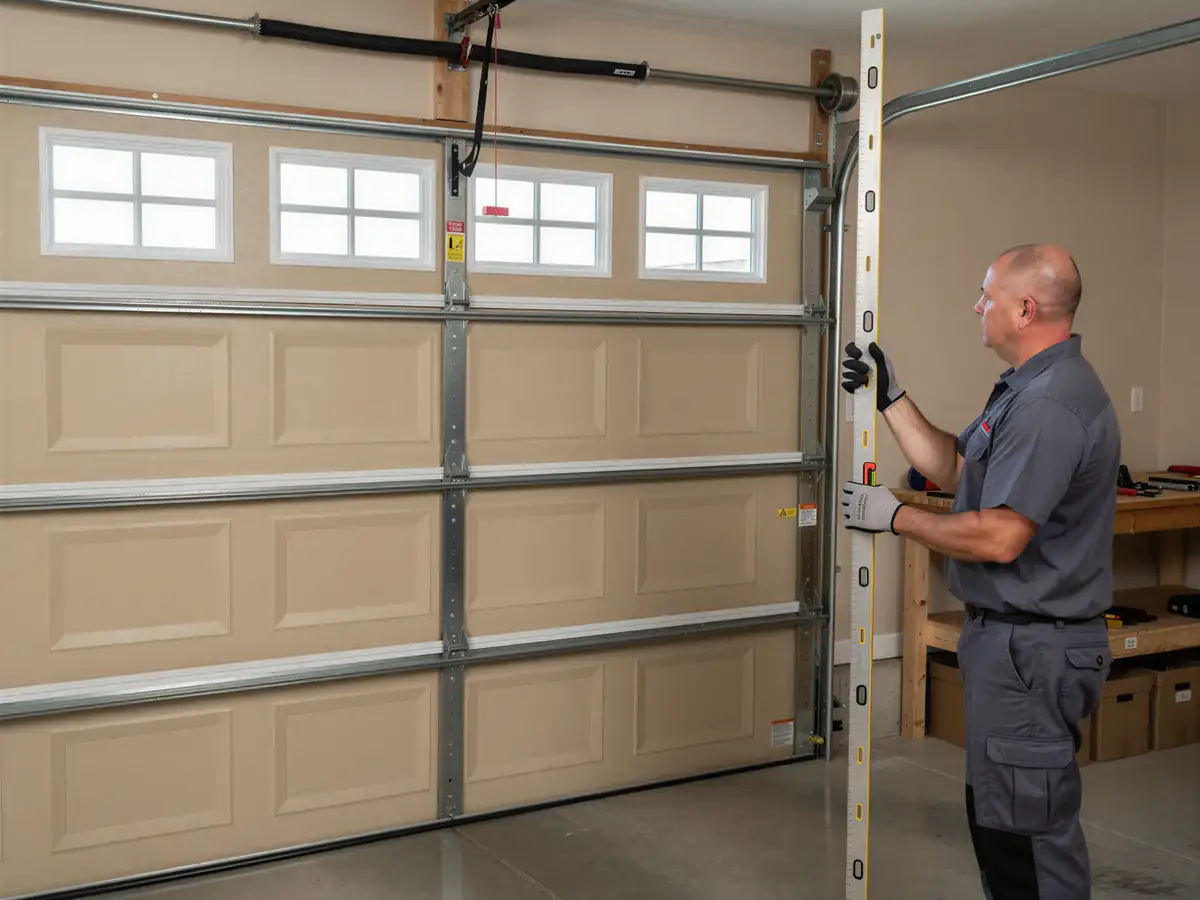
That said, springs do wear out on a schedule regardless of the house's age. A standard torsion spring is rated for a set number of open-close cycles, and homes built in the early 2000s are now old enough that a good number of original springs have already reached the end of that cycle count or are close to it. So you get two overlapping failure patterns in Hampton right now: opener electronics going first on the newest builds, and the original spring finally giving out on the slightly older end of that 2000s range. Either way, a door that groans, hesitates, or drops fast on the way down is telling you something specific, not just "garage door issues."
How to Book
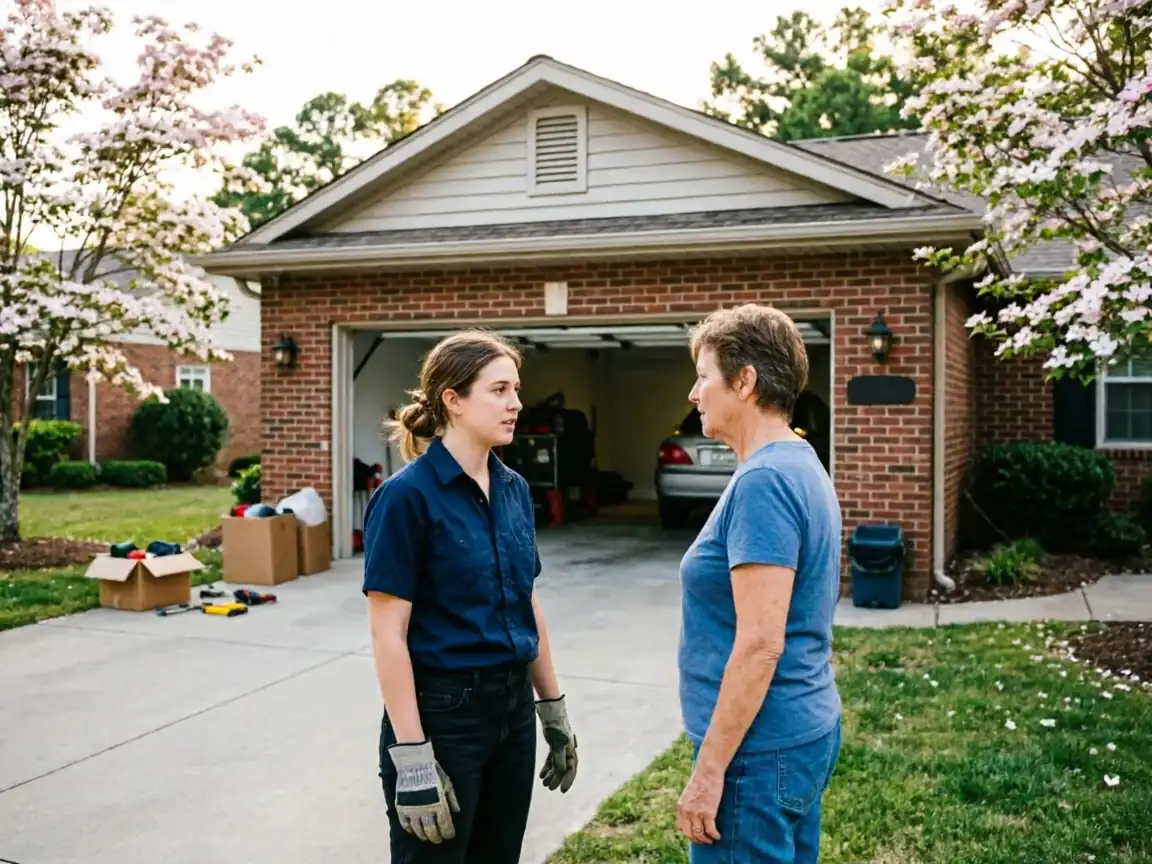
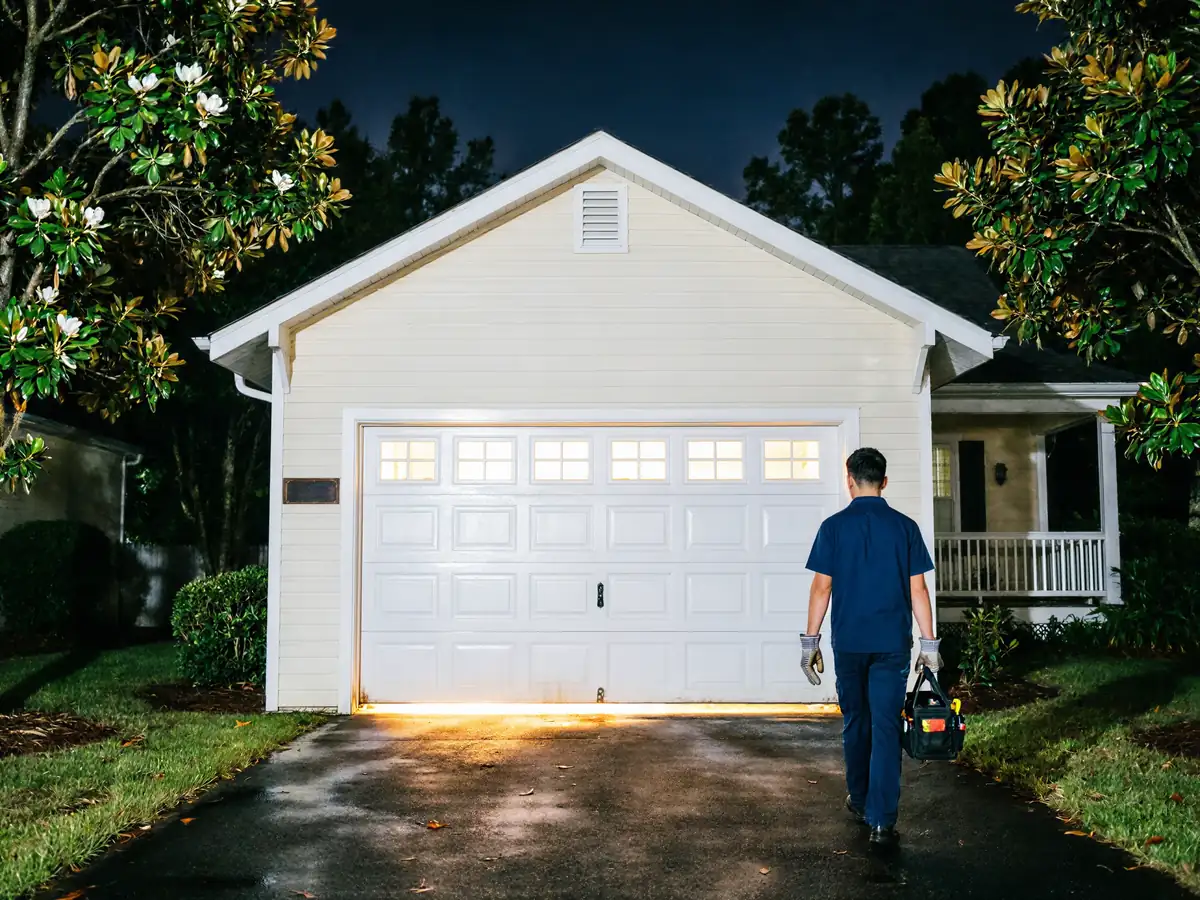
We run out of Stockbridge, about 11 miles from Hampton, so there's no branch office here - we come to you. When you call, tell us what the door is actually doing: does it stop responding to the wall switch, does it reverse on its own, does the spring make a bang before it quits. That detail decides what we load on the truck before we drive out, which saves a second trip if it turns out to be a board instead of a spring, or the other way around.
We don't advertise a fixed response window for Hampton specifically, since it depends on the day's route out of Stockbridge, but giving us the symptom up front is the single biggest thing you can do to make the first visit the only visit.
Can You Do This Yourself
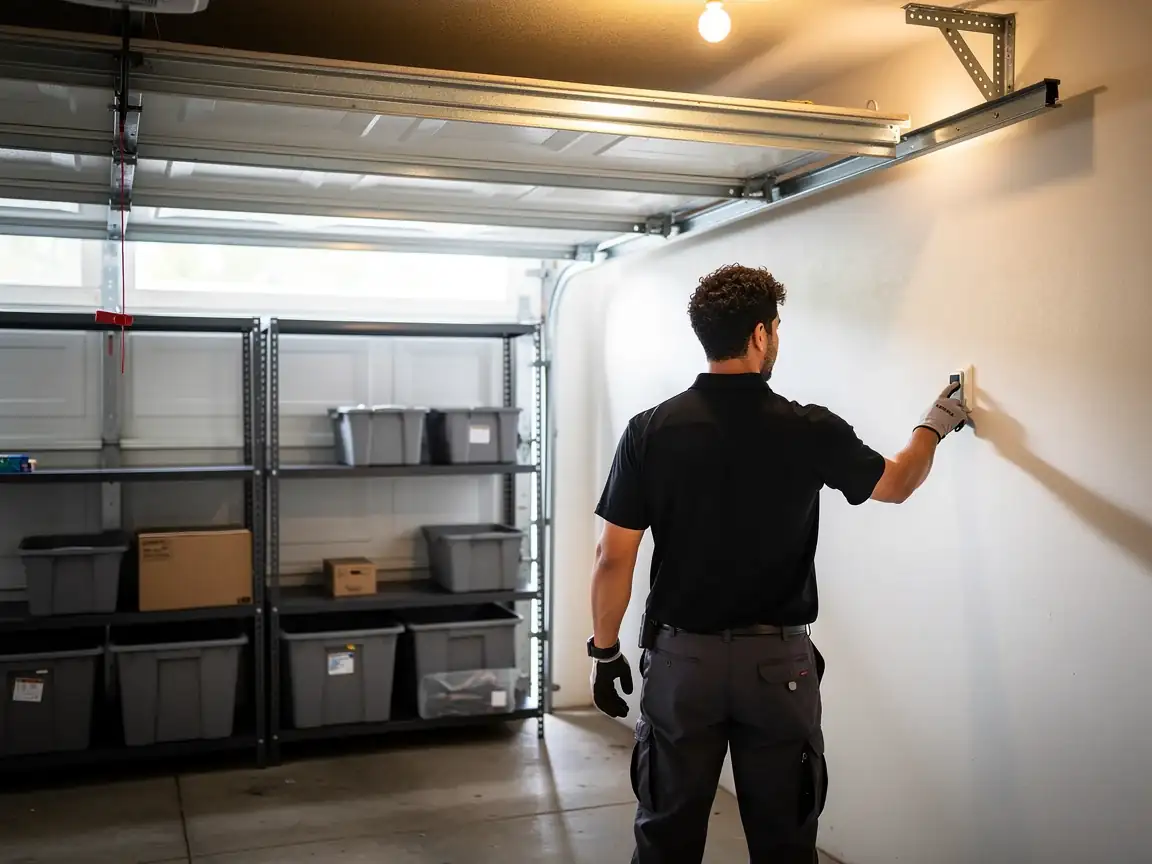
Resetting a safety sensor that's knocked out of alignment, or reprogramming a remote
Is within reach for most homeowners - the instructions are usually printed right on the opener unit, and it's a five-minute job with no tools beyond a screwdriver. If the door just needs its eye sensors wiped clean or re-aimed after someone bumped the bracket, you can do that yourself before calling anyone.
What you shouldn't touch is the torsion spring itself
It's under enough tension to cause a serious injury if it lets go while you're working on it, and that doesn't change because the house is newer. If the opener board has failed outright - not just a sensor issue, but the unit not powering on or cycling at all - that's also a call-us job, since matching the right replacement board to a specific opener model takes more than guesswork.
How Long You Are Without the Door
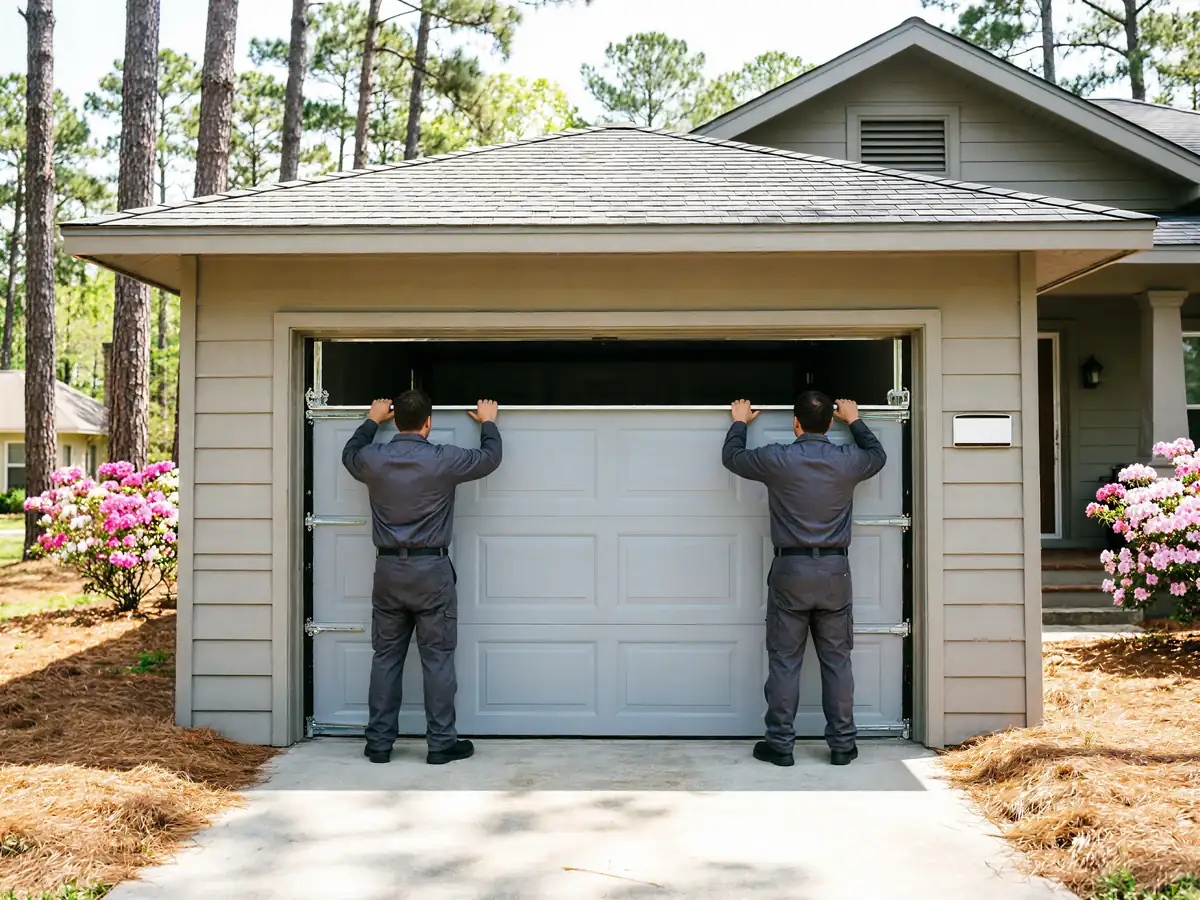
A sensor realignment or remote reprogram is done in the time it takes to explain the problem - minutes, not hours. A spring replacement on a standard double door is a same-visit repair once the technician is there and has the right spring on the truck, which is why describing the symptom accurately when you call matters.
Where it gets slower is opener board replacement. Not every board for every opener model sits on the truck as standard stock, and if yours is a less common brand or an older board that's been discontinued, sourcing the exact replacement can add a day or two rather than being fixed on the spot. That's the honest limitation here: electronics repairs on newer openers sometimes run into a parts wait that a plain spring swap never does. We'll tell you straight when that's the case rather than guessing at a timeline.