What the Fix Involves
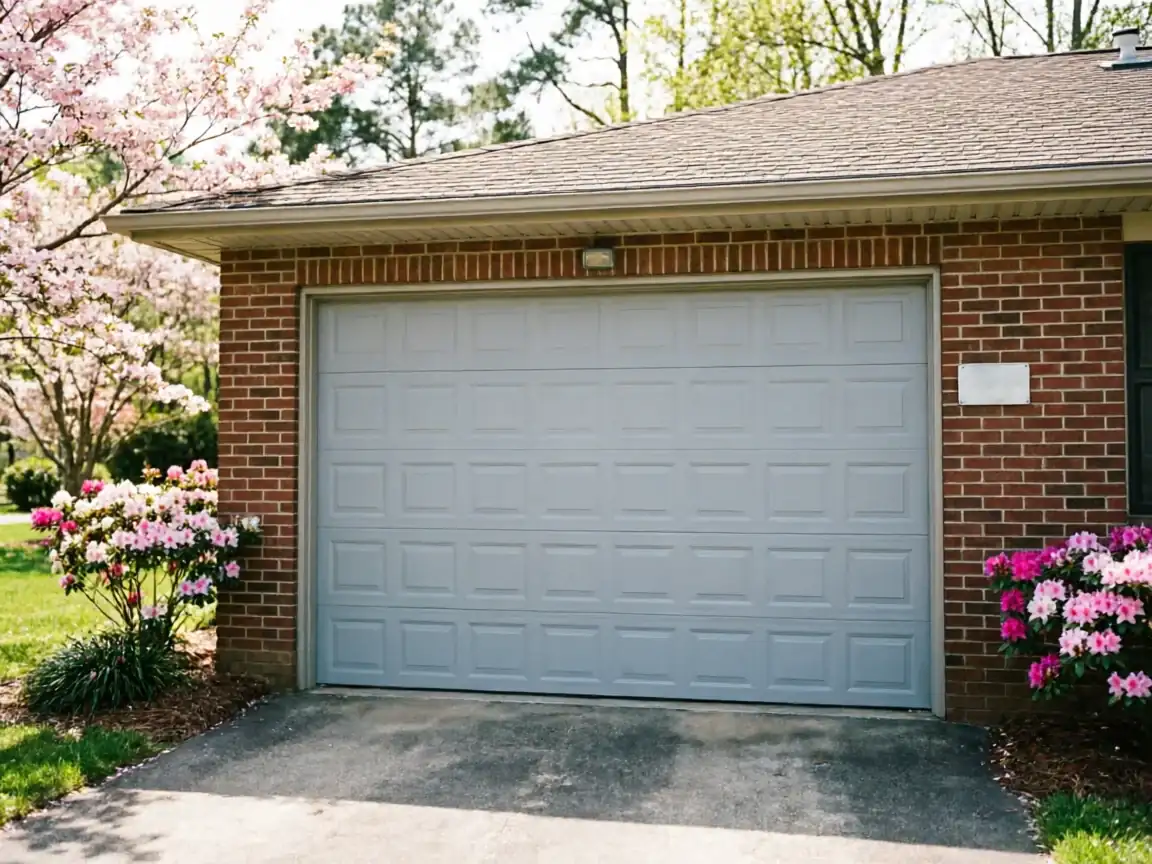
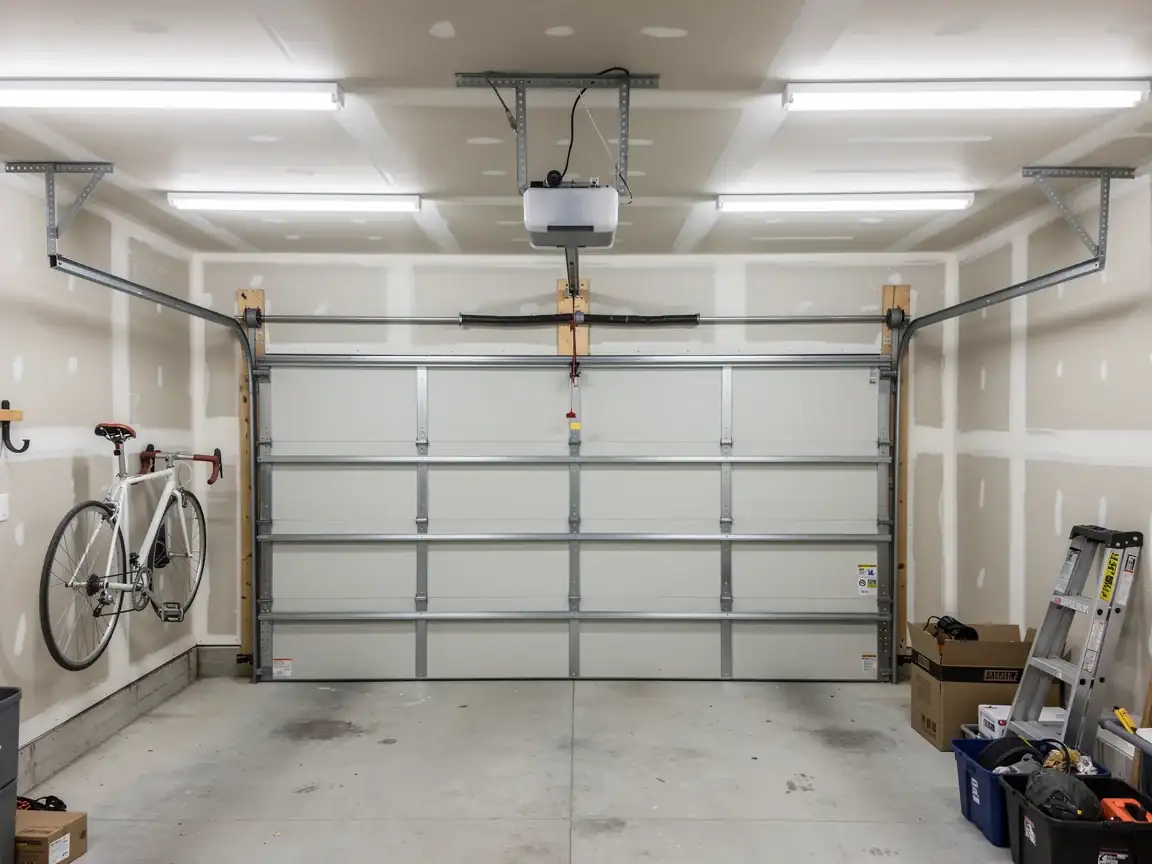
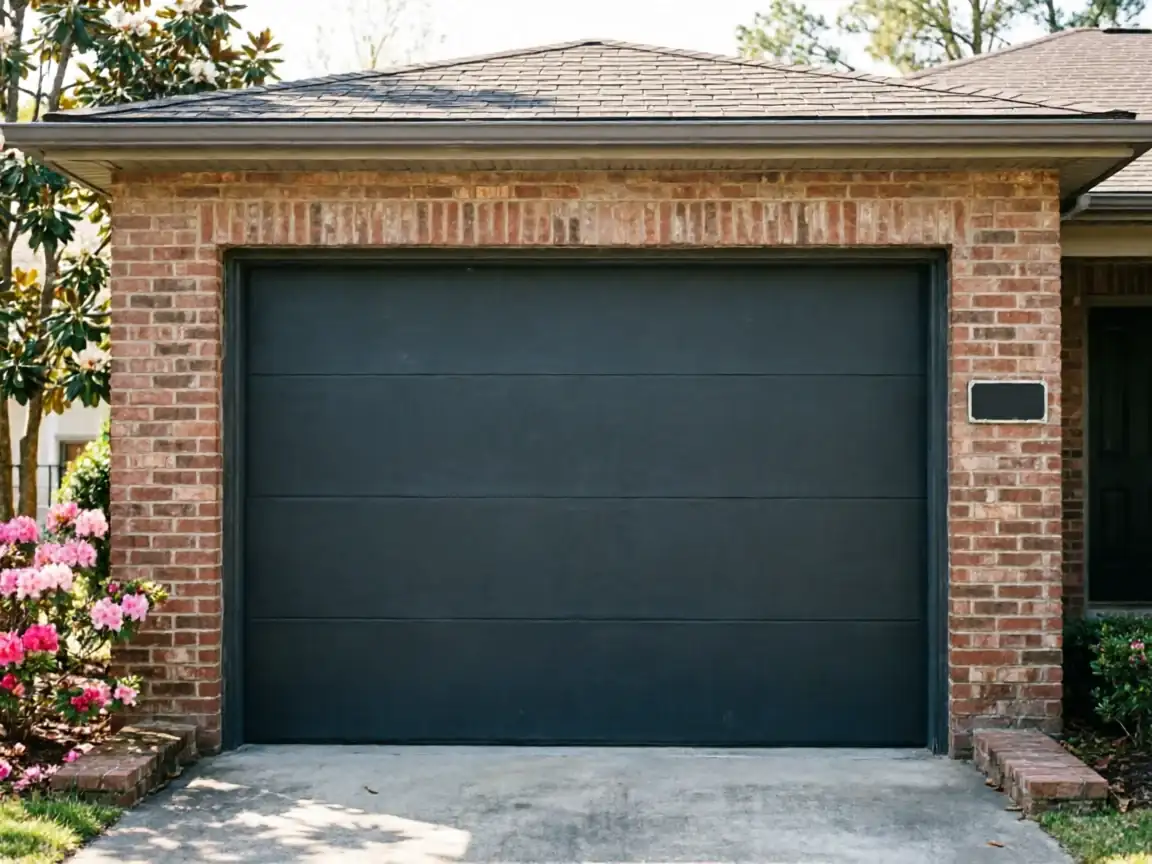
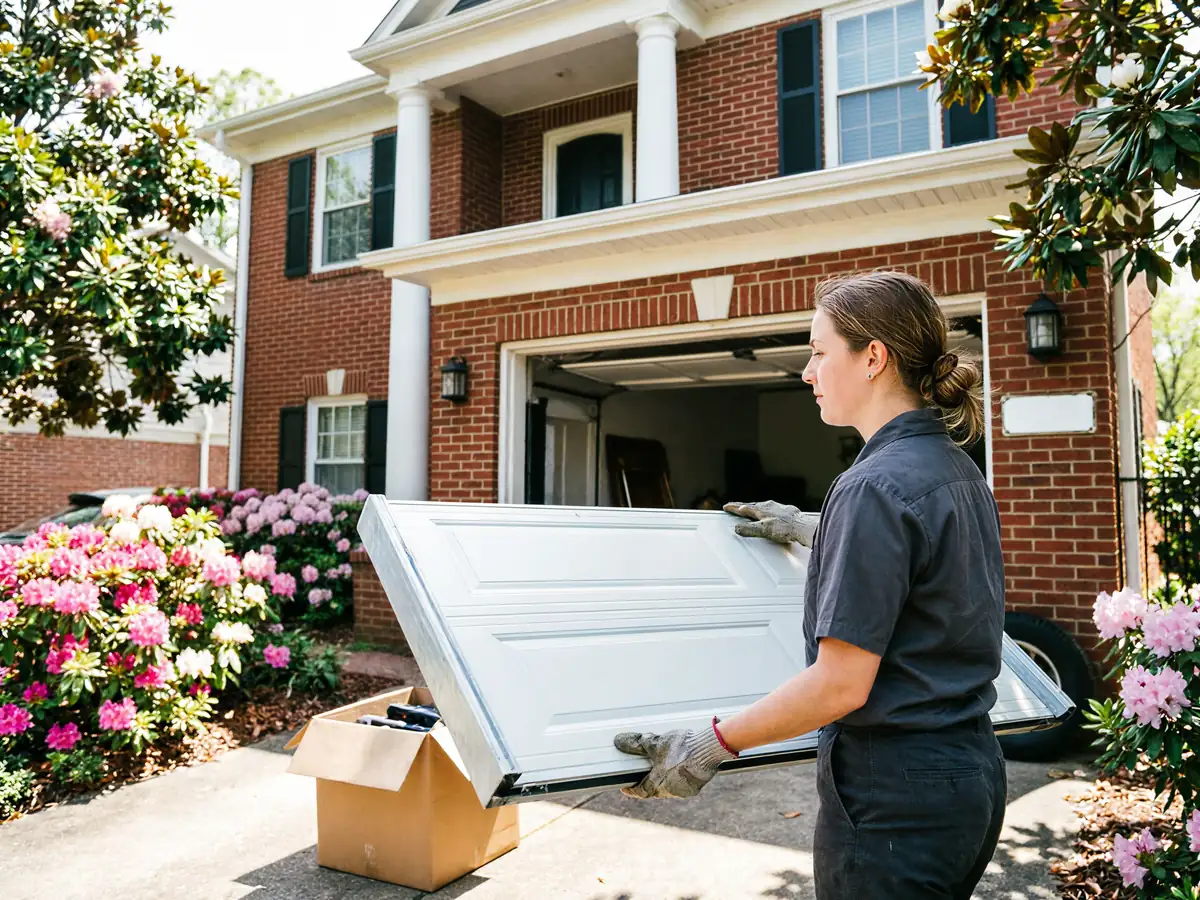
Start with the door itself, not the problem. Houses in Druid Hills carry a median build year of 1964, a decade ahead of the 1970s median across the wider service area this company covers. That matters because a door built for a 1964 opening is usually a single steel layer, no foam core, hung on a narrower track than what gets framed into houses today. Some of these are still the original one-piece swing-up units nobody makes parts for anymore; others were swapped once, in the 80s or 90s, for an early sectional door that's now due again.
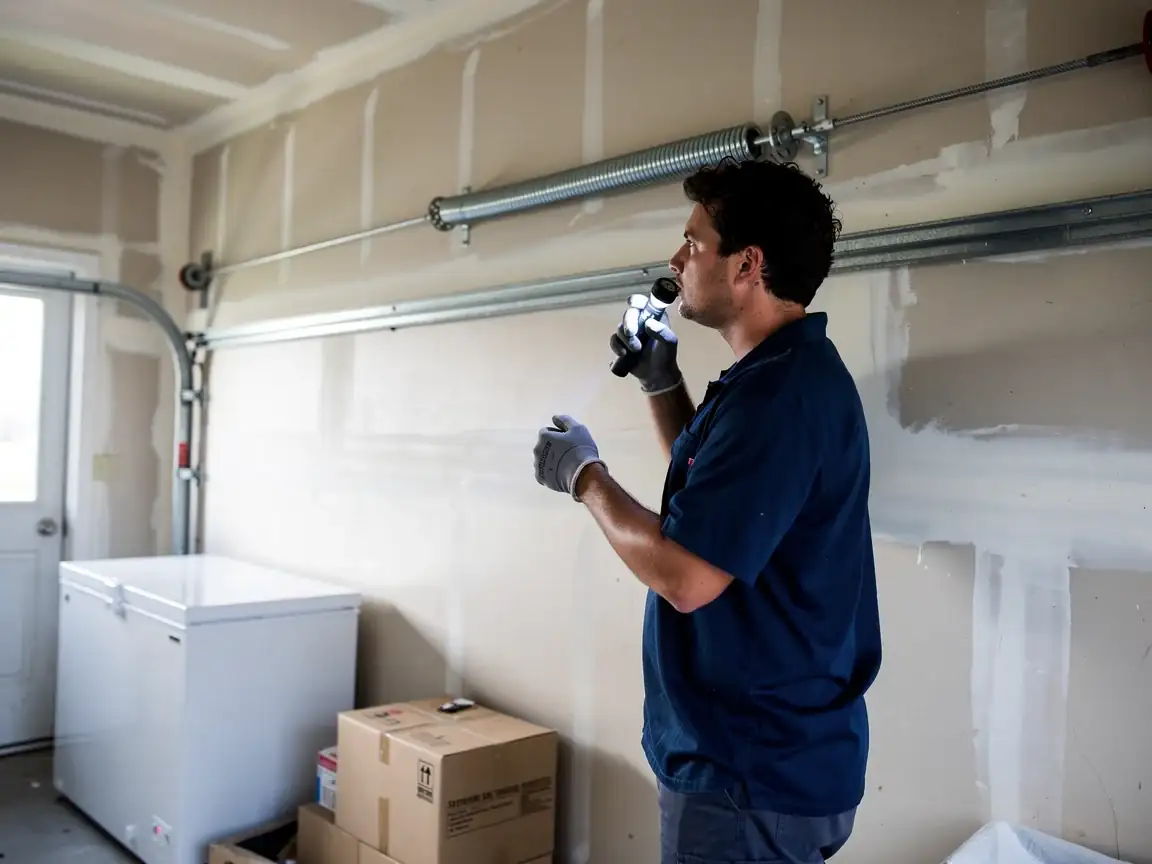
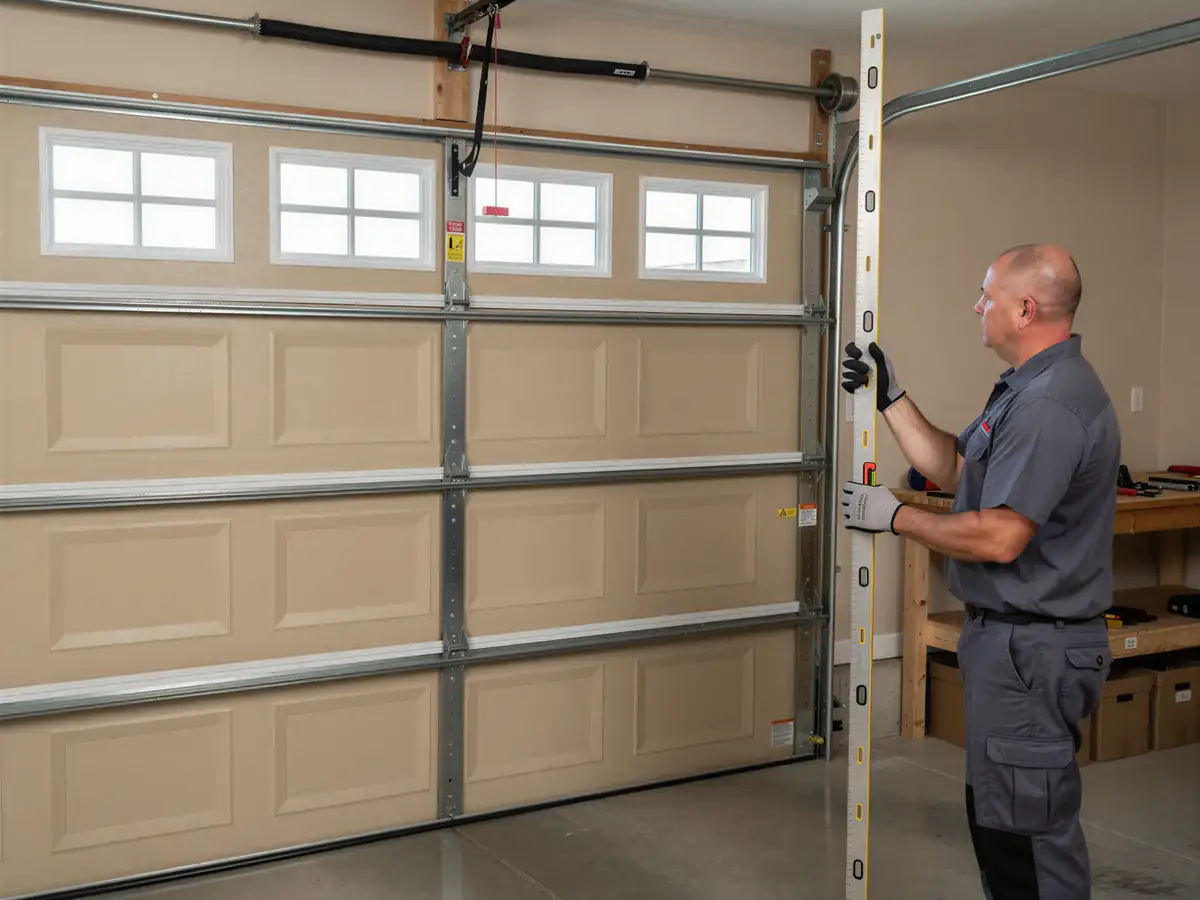
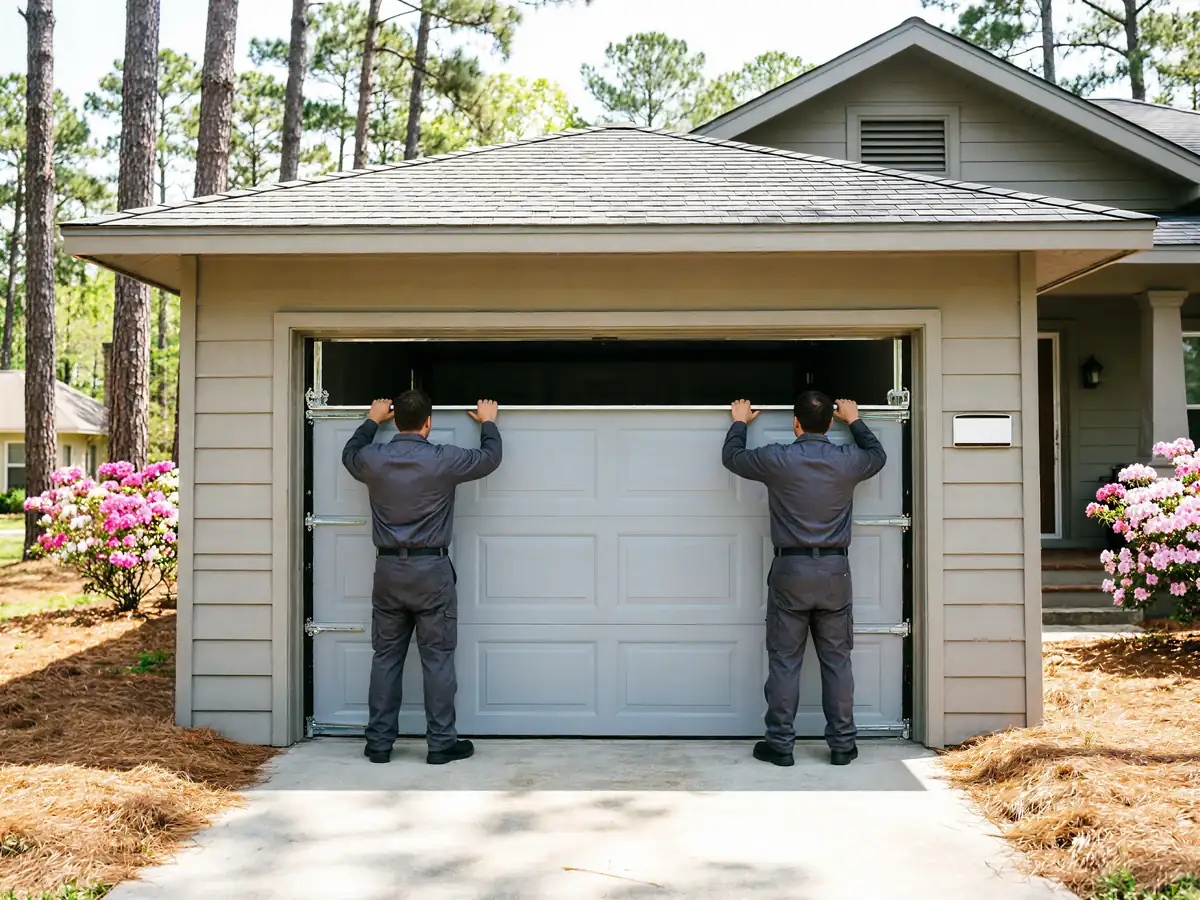
When we install new in Druid Hills, the first job is measuring the actual rough opening, not assuming a modern standard size fits. Framing from this era can run narrow or have a header height that doesn't match the specs on a current catalog door. We also check what the jambs are made of before we order, since older framing sometimes needs reinforcement to carry a heavier insulated door. None of this is dramatic work, but skipping it is how installers end up forcing a door that never seals right at the bottom corners.
How It Shows Up
The service area sits in a cold-moderate climate band, which means doors here deal with real temperature swings across the year, not just heat. On a 1964-era opening with no insulation in the door slab, homeowners usually notice it as a cold garage in winter and a hot one in summer, plus drafts along the bottom seal once the original weatherstrip has hardened and cracked.
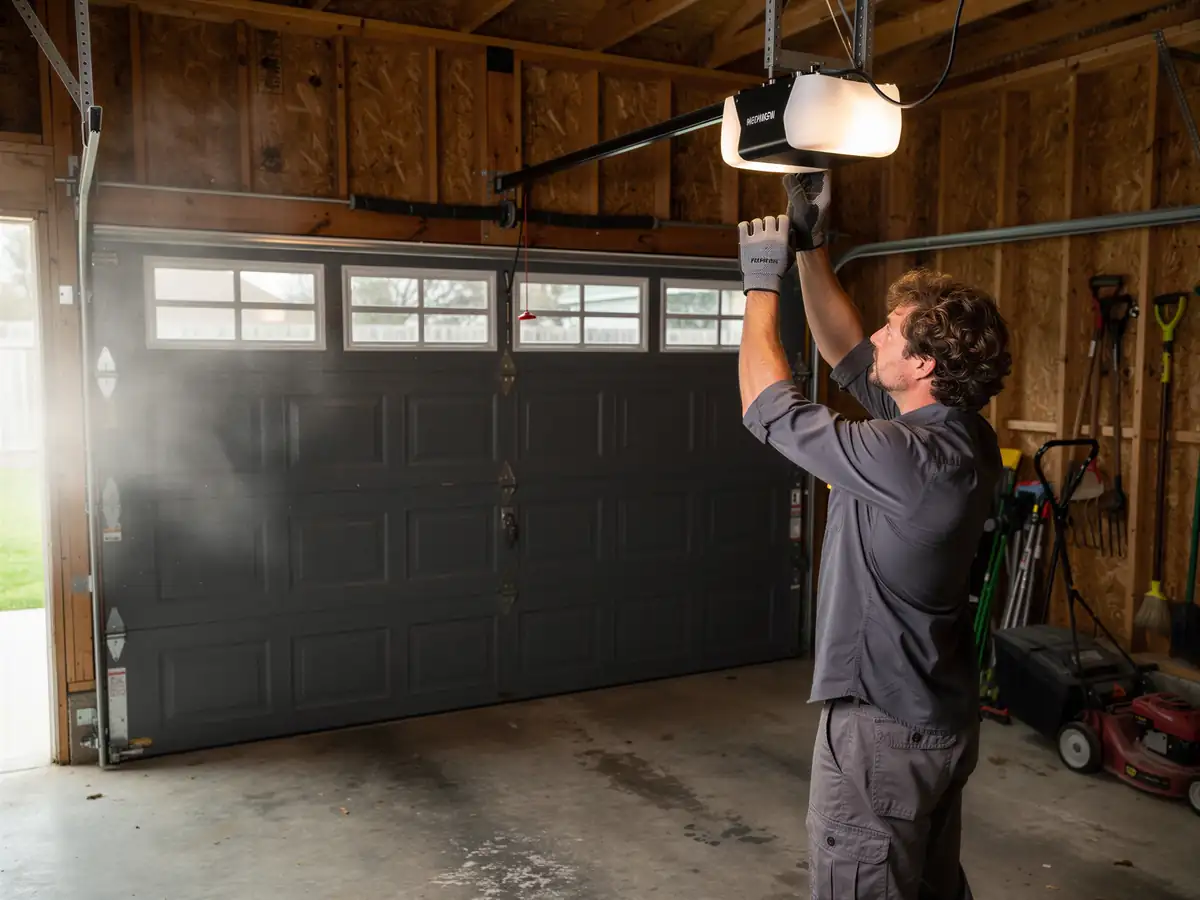
The other sign is simpler: the door just looks tired. Steel panels from this period dent easily and don't have the baked-on finish that newer doors carry, so you see rust bubbling at the bottom panel first, usually where water sits after rain. If the track and springs are original too, the door often runs loud and uneven, dropping unevenly on one side because the cables have stretched. None of that means the opener is bad - usually it's still doing its job lifting a door that's heavier and rougher than it was new. Replacing the door alone, while keeping a working opener, is common here and worth asking about before you assume you need both replaced.
Parts We Carry
For a straight install on an opening this age
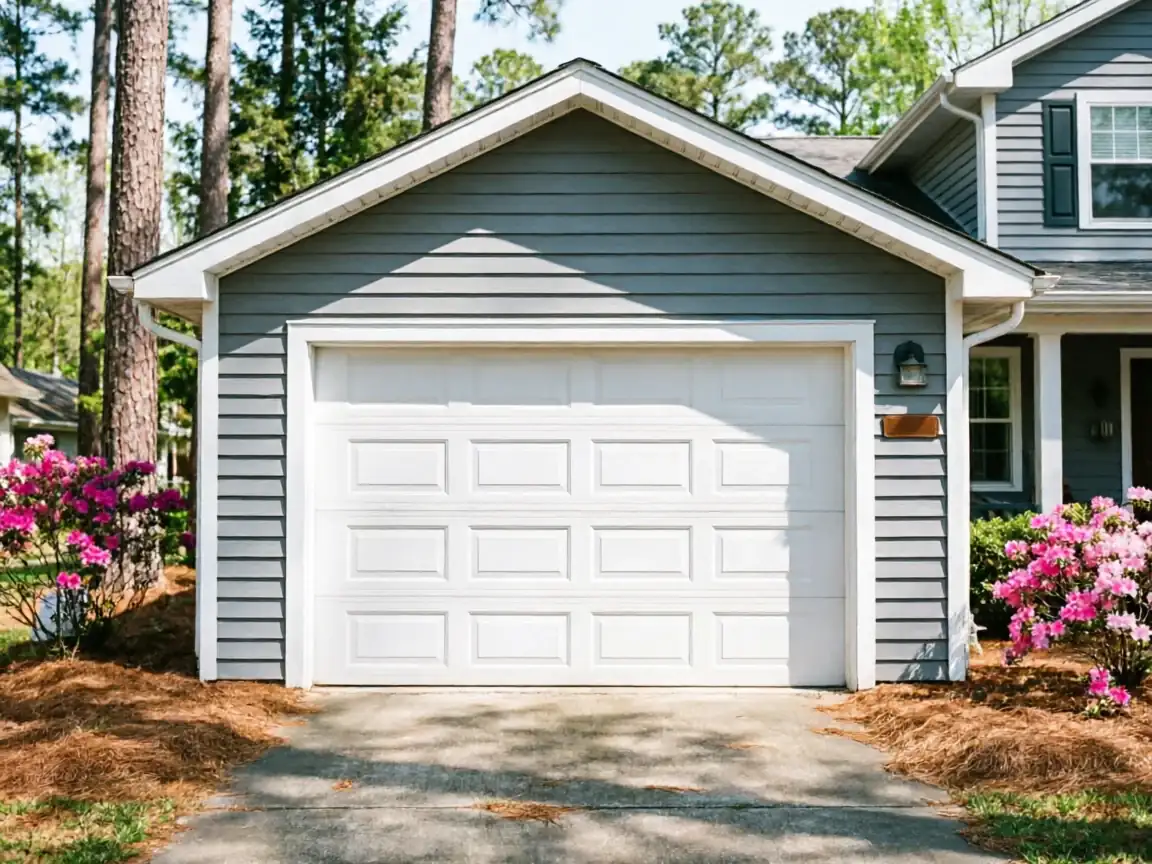
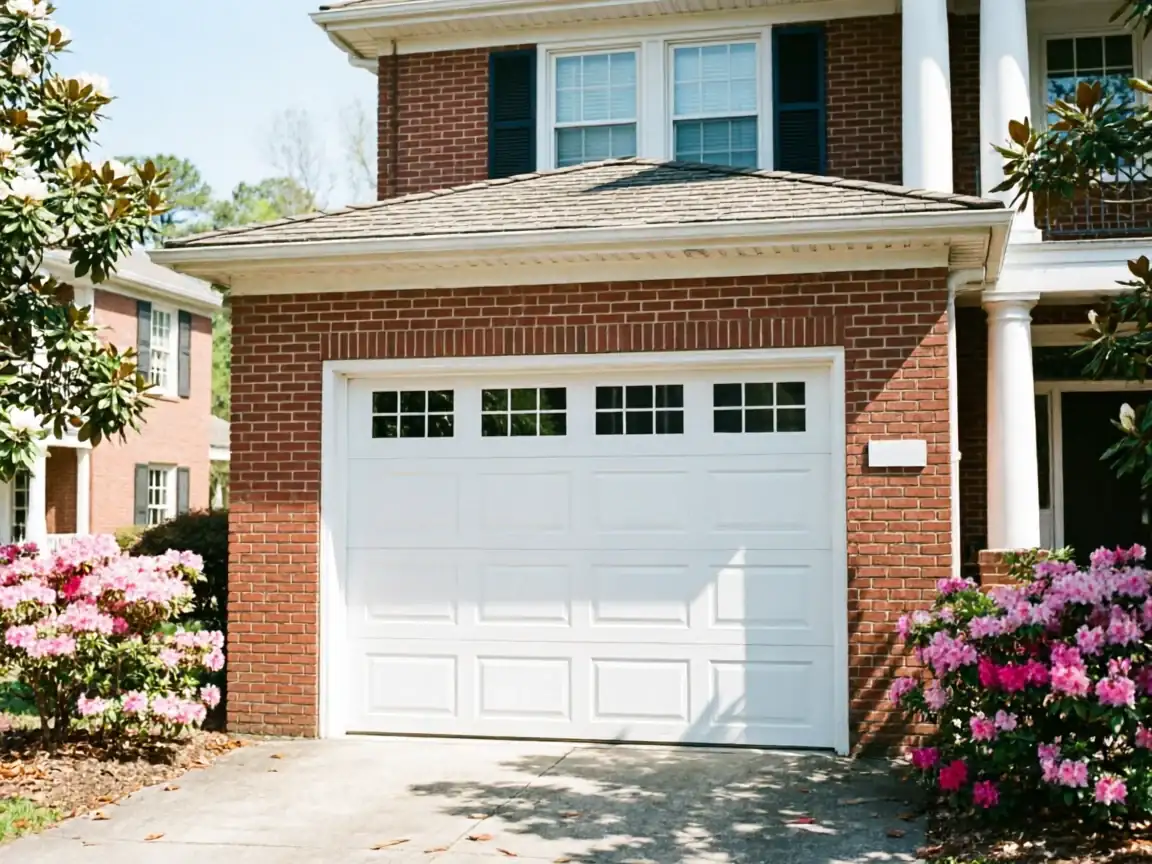
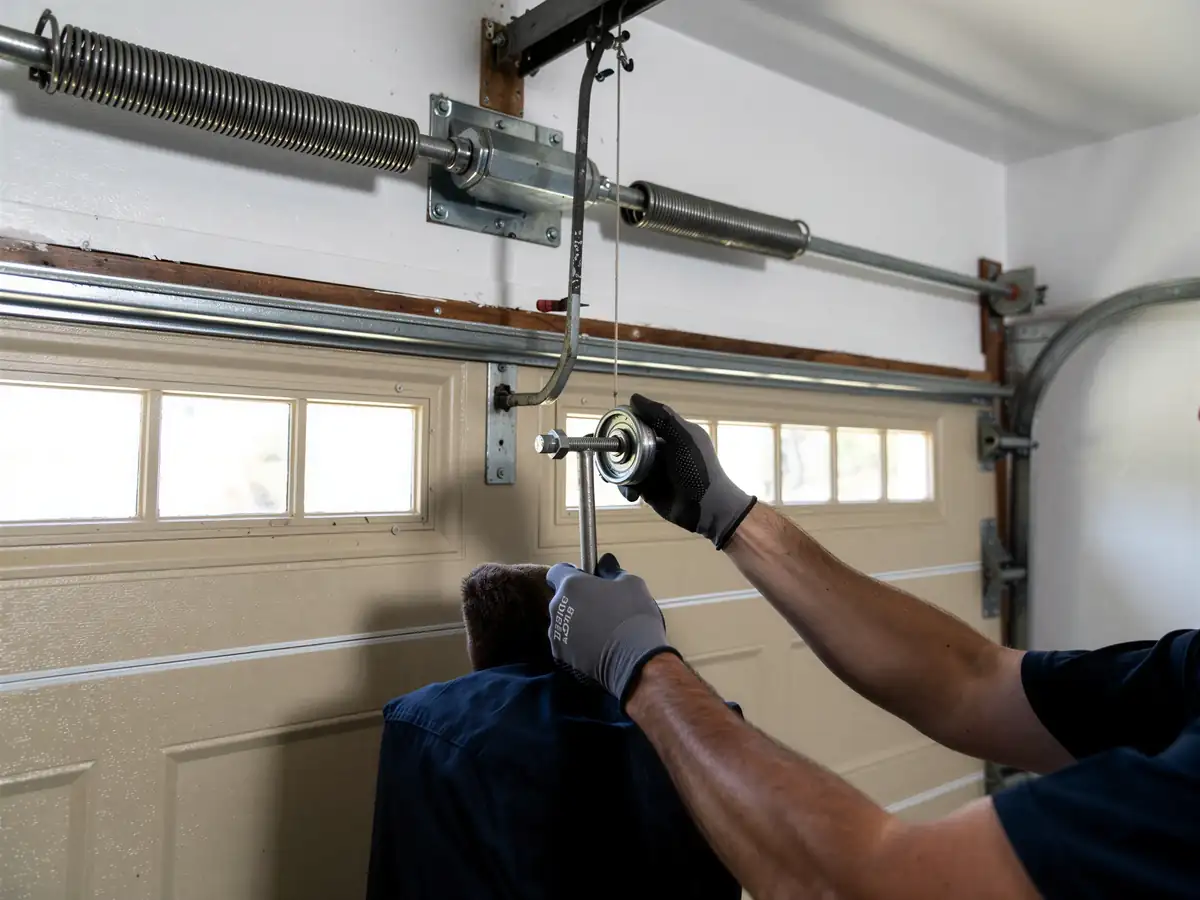
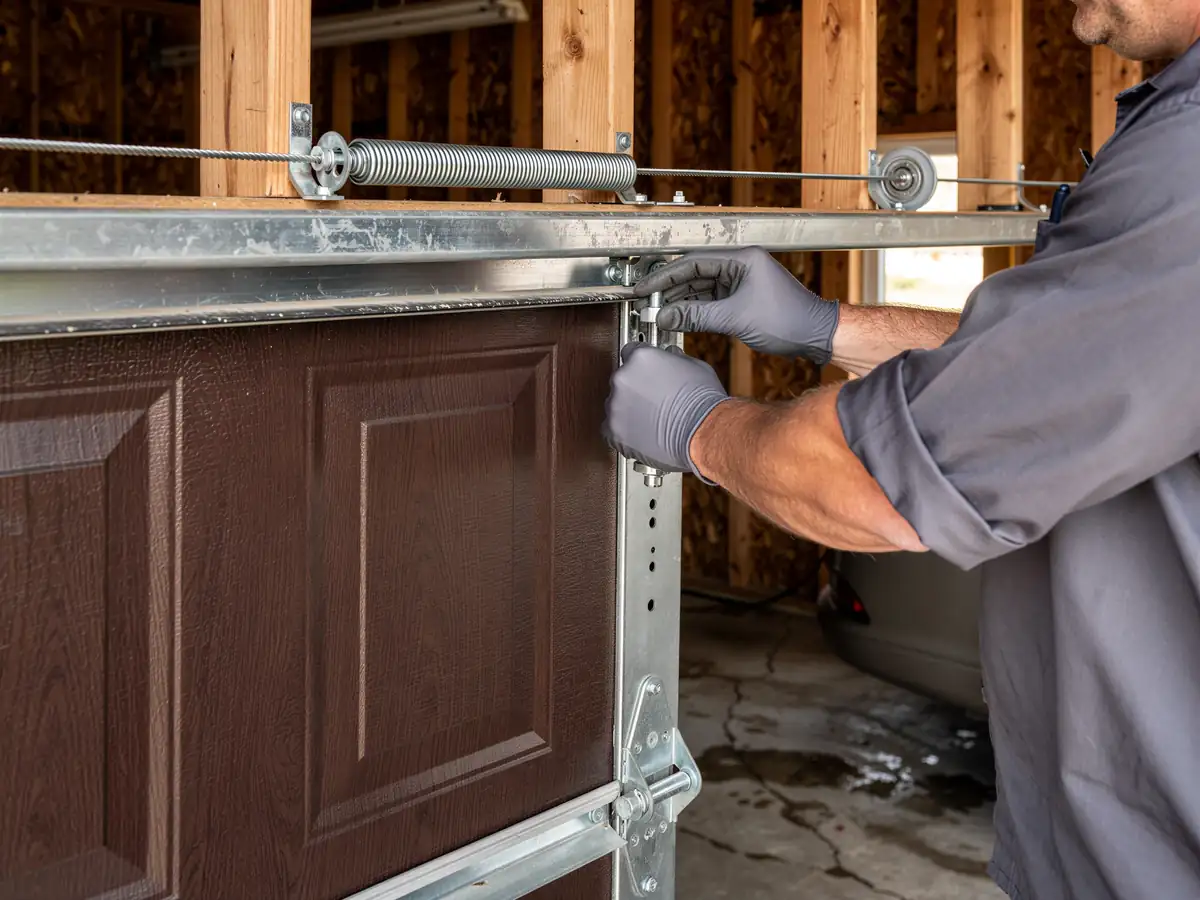
We stock standard sectional doors in the sizes that match what's common in houses built through the 1960s and 70s across this service area - insulated steel, a couple of panel styles, and torsion spring sets sized to the weight of each option. Where we run into trouble is custom widths. A handful of houses in this area have openings a few inches off standard, usually from a past repair or an addition, and those doors are special order. If your opening measures outside standard, plan on a longer lead time - we'll tell you the actual number once we've measured, not before.
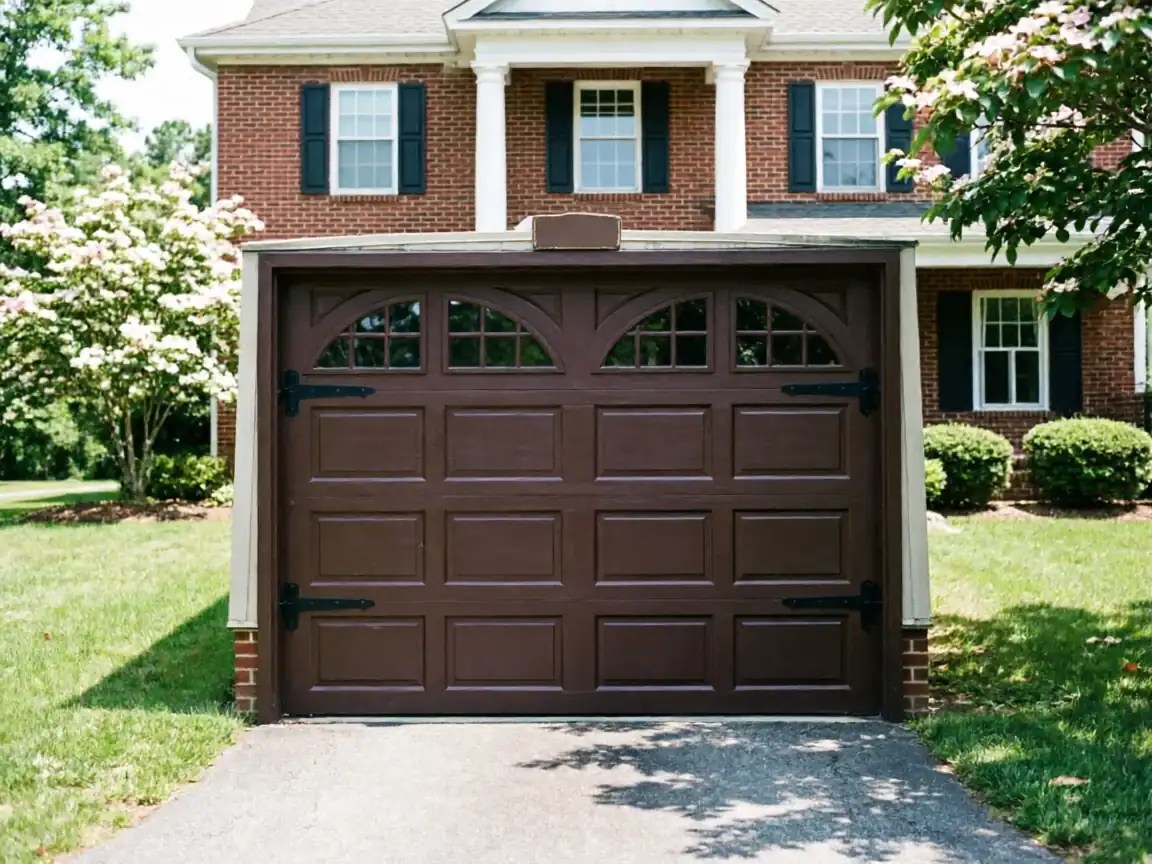
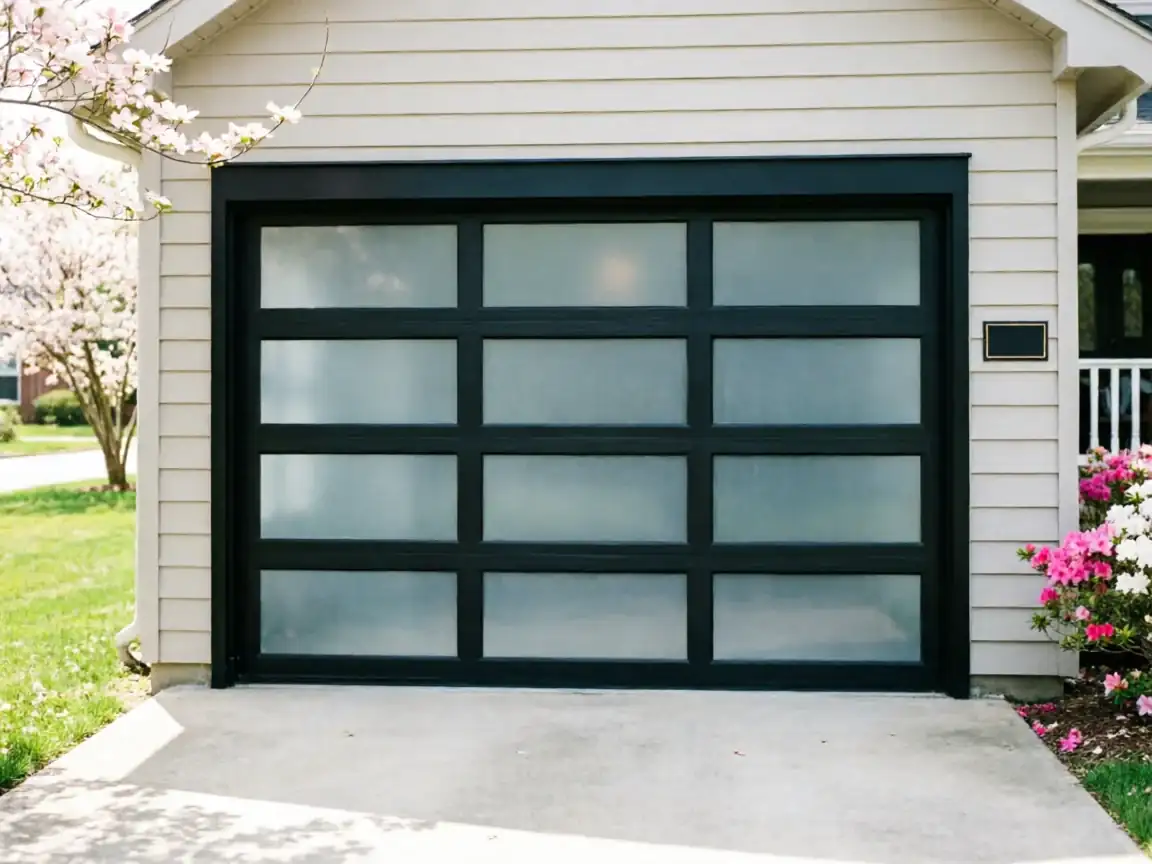
We don't stock wood doors or custom glass-panel units on the truck
Those are order-in only and not something we'd push for a straight replacement job anyway. For most Druid Hills installs, a standard insulated steel door on new track and springs is the right call and the one we can usually get moving fastest.
How to Book
We run installs in Druid Hills out of the Stockbridge shop, about 18 miles out, so scheduling works around the drive rather than a local crew sitting idle nearby. Tell us the door's approximate age and whether it's still the original when you call - that alone tells us a lot about what we're likely ordering before anyone steps on site.
With a median household income of $140,466 in this area, well above the $62,299 median across the broader service area, we see more homeowners asking about upgraded insulated doors and matching openers rather than the cheapest option that fits. We'll quote both and let you decide; we're not going to push a door you don't need. For general service questions specific to this town, see the Druid Hills garage door service page. For how installation works company-wide, that's covered on the Stockbridge installation page.