How It Shows Up
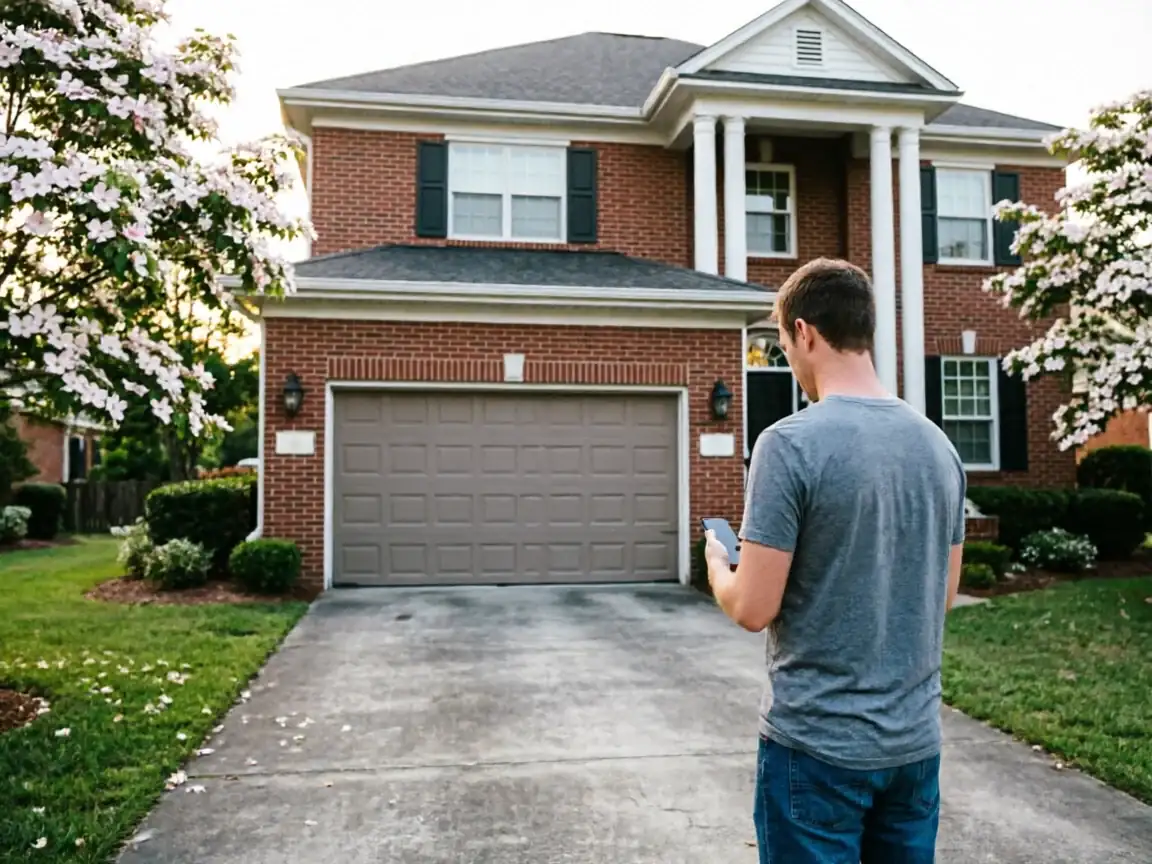
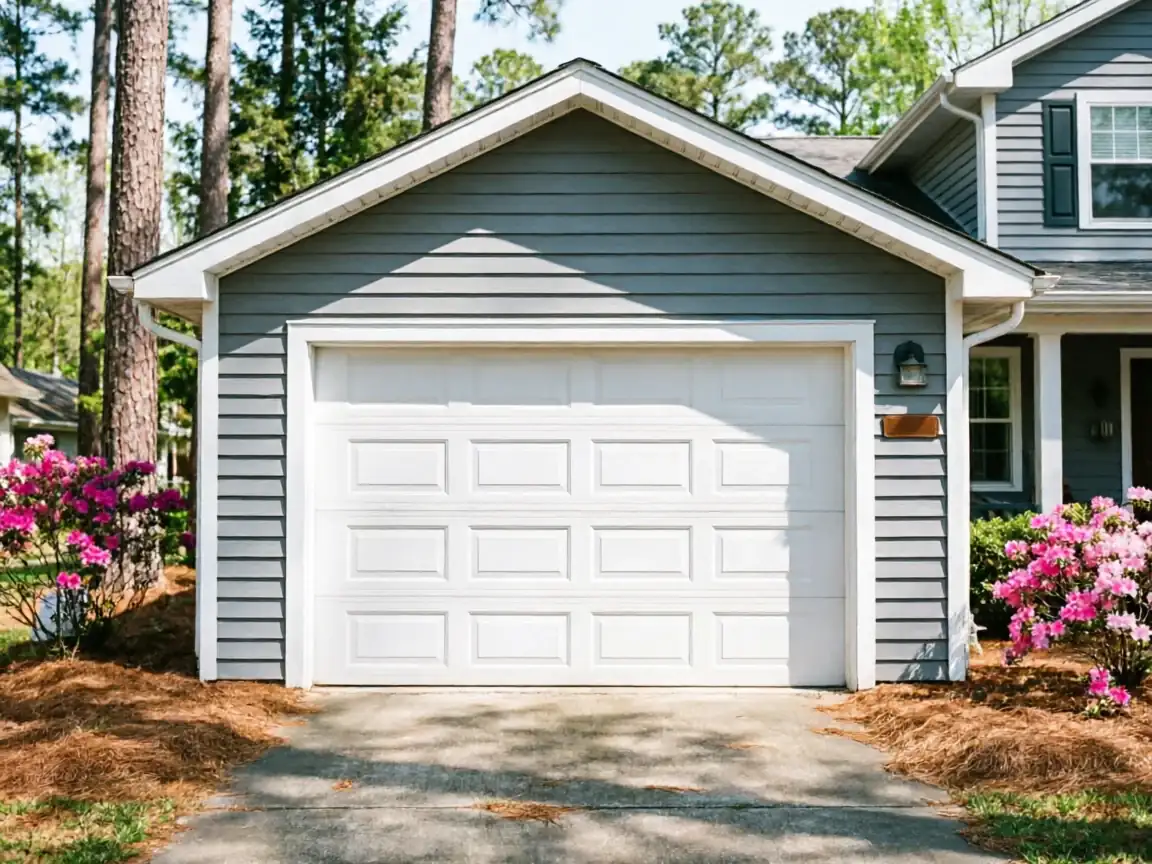
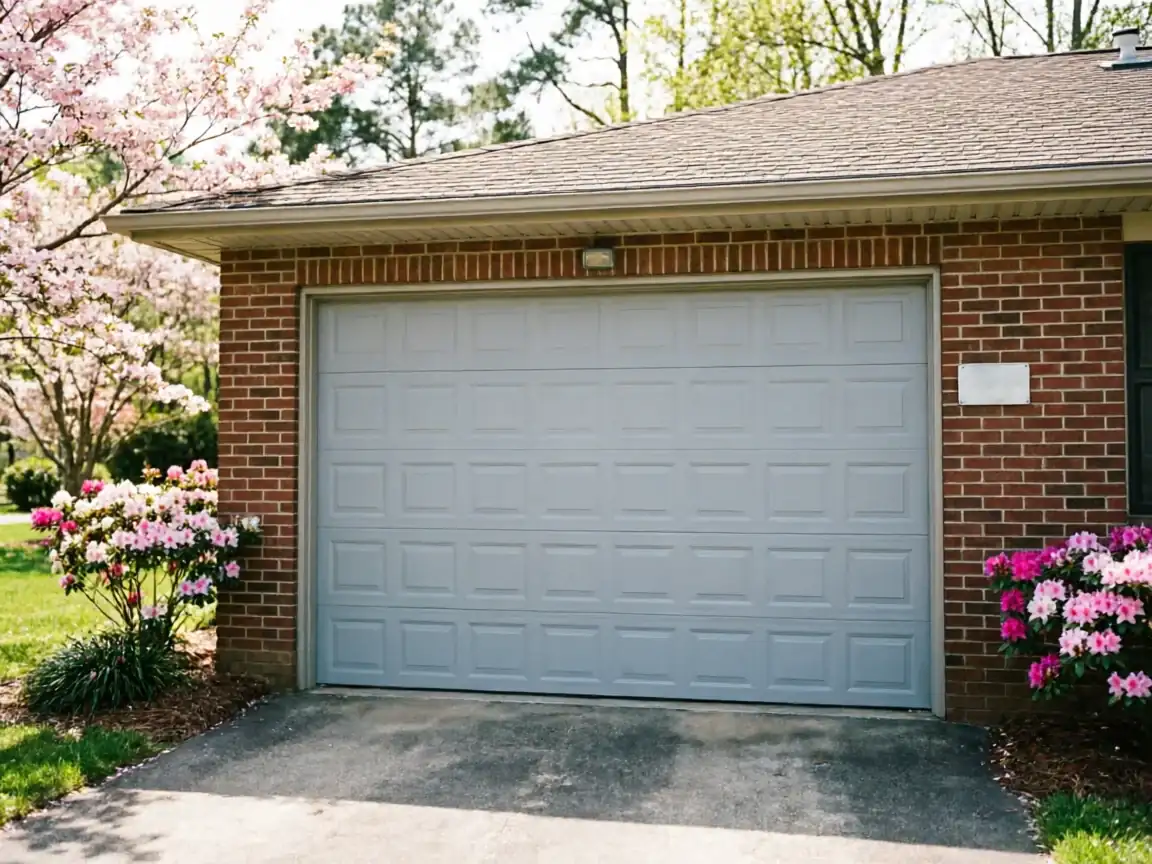
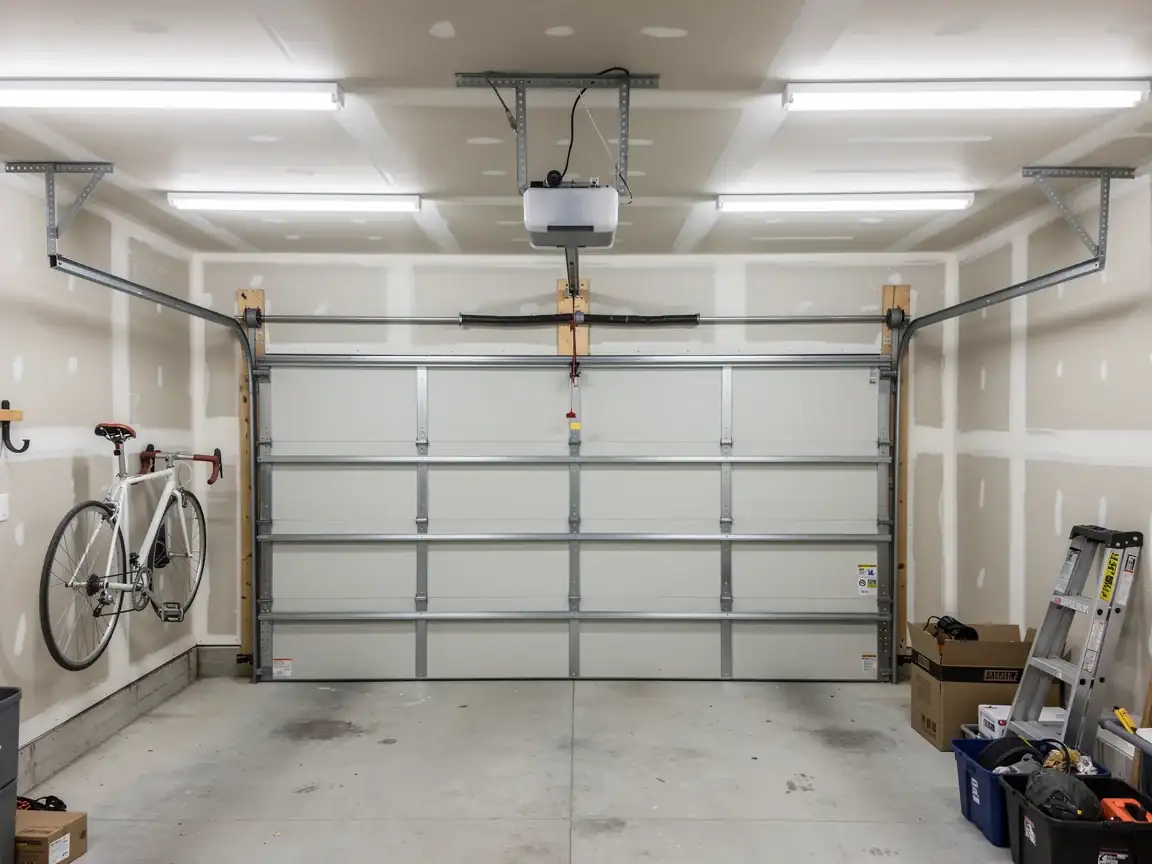
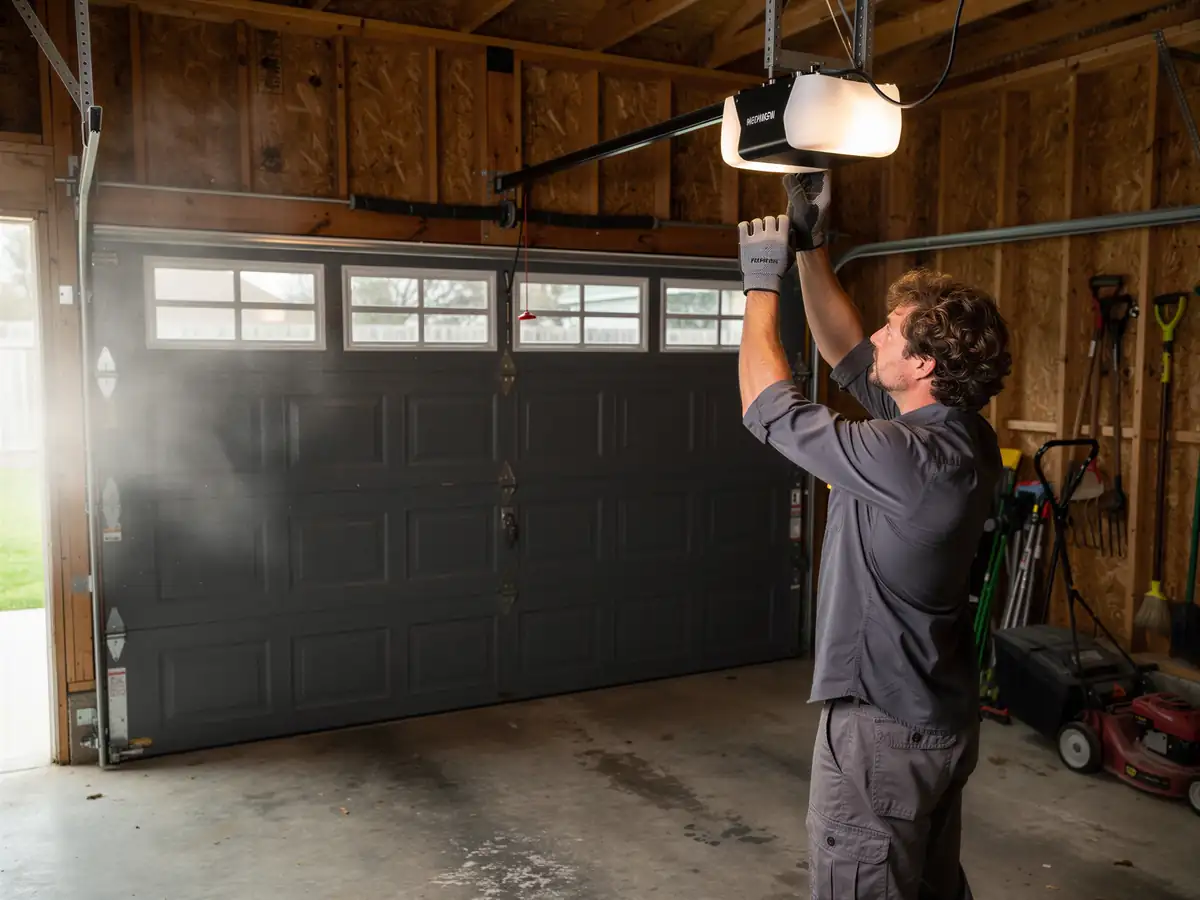
Locust Grove is a small town by household count, just 3,227 of them, which means the opener calls we get aren't spread across decades of different construction eras the way they are in older parts of the service area. Most houses here went up around 2004, well after the 1938-1974 median that covers the wider Stockbridge area we work. That matters for openers specifically: a house built in 2004 almost never has the old chain-drive unit with a pull-cord emergency release and no rolling code. What we actually find on these jobs is a first-generation keypad opener, now 15-20 years old, with a logic board that's failing or a drive gear that's stripped out. The motor housing is usually fine. The circuit board and the belt or chain are what give up first. Because the stock here is newer and more uniform, the fix is usually a straight swap rather than a project that also involves rebuilding a track or reframing a header for a unit that was never sized right in the first place. That's a different job than what we run into in the older pockets of the territory, and it's worth knowing going in so you're not quoted for work you don't need.
Parts We Carry
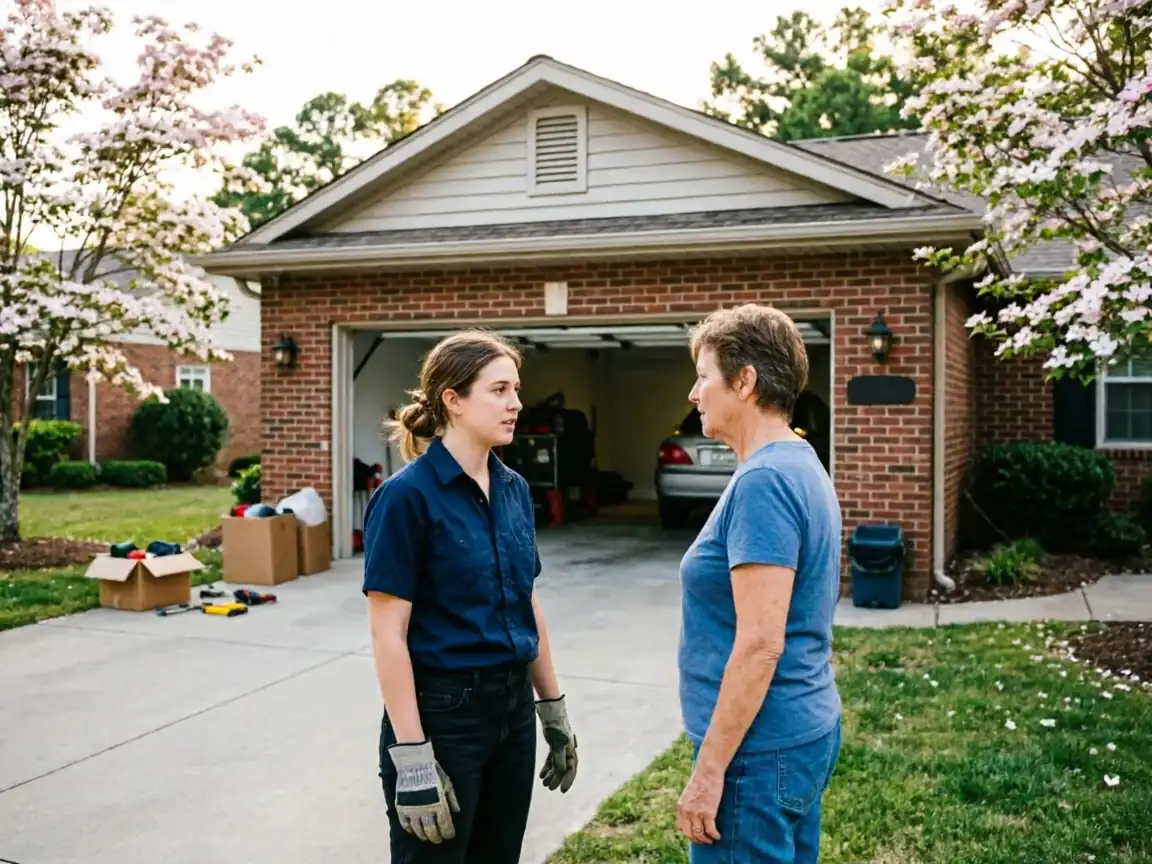
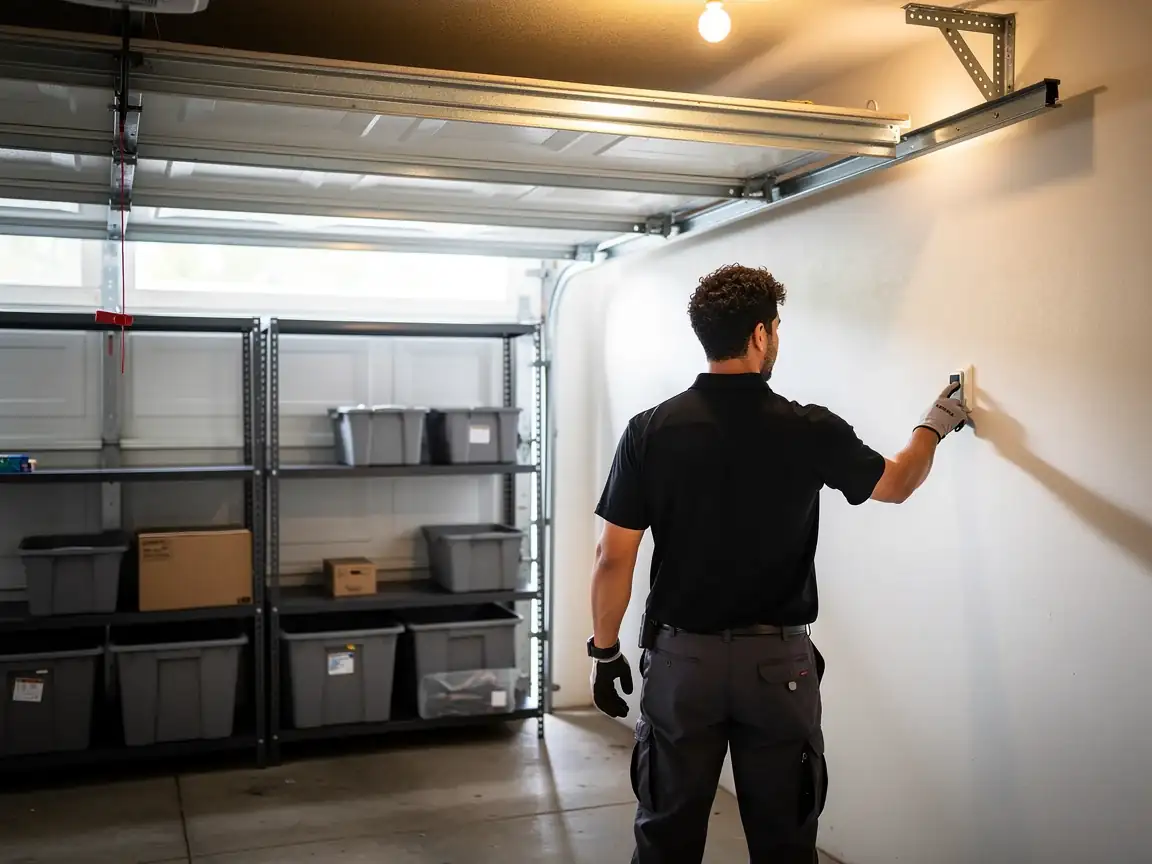
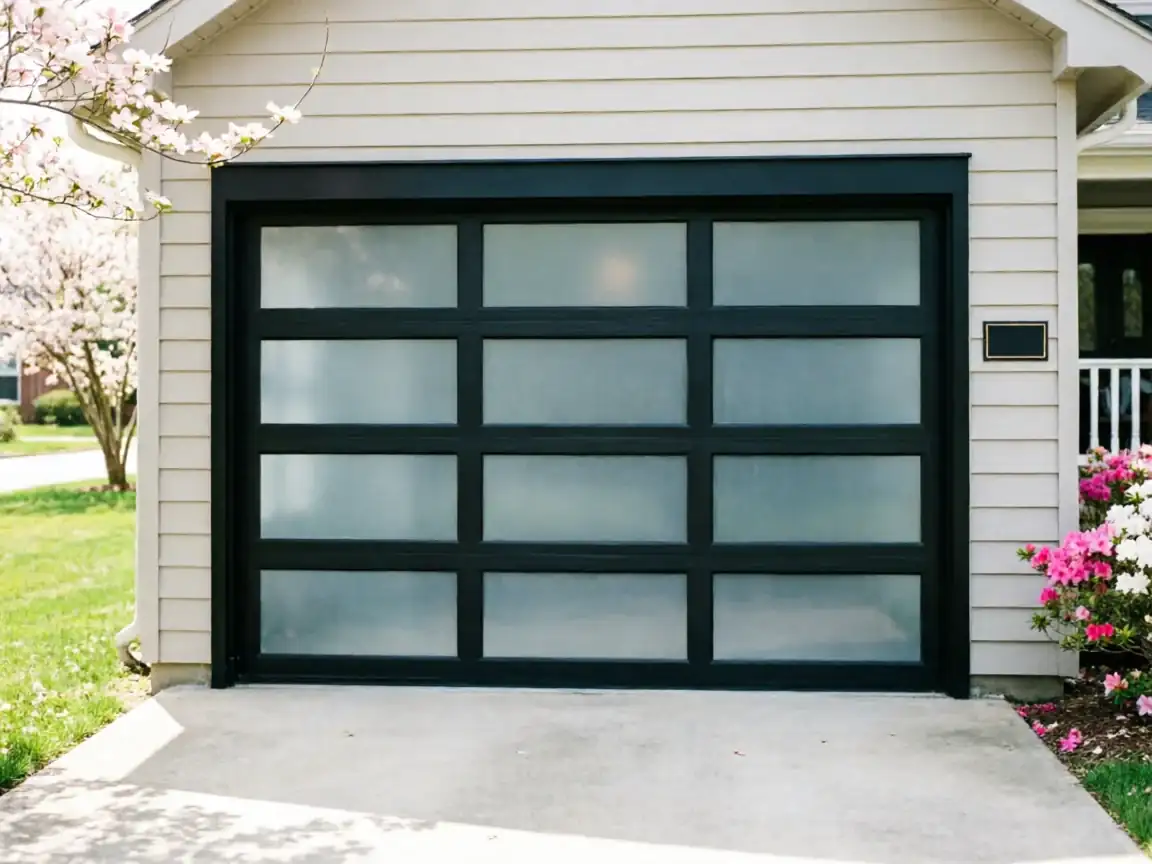
We stock belt-drive and chain-drive openers sized for standard single and double residential doors, along with the rail, hardware, and safety sensor kits that go with a full install. For this region we lean belt or screw drive more often than chain, since the cold-moderate climate band this area sits in means grease-based chain lubrication gets stiff on the coldest mornings and a belt drive sidesteps that problem entirely. We also carry the battery backup units that matter more here than you'd think, since newer homes often run everything off one garage circuit and a power blip means a dead opener right when you need to leave. One honest limit: we don't install openers that need a specialty low-headroom jackshaft unit on the truck same-day. Those get special-ordered, and depending on the manufacturer that can run a few days out. If your garage has unusual ceiling clearance or a side-mount setup, flag it when you call so we bring the right unit the first trip instead of a second one.
The Complications
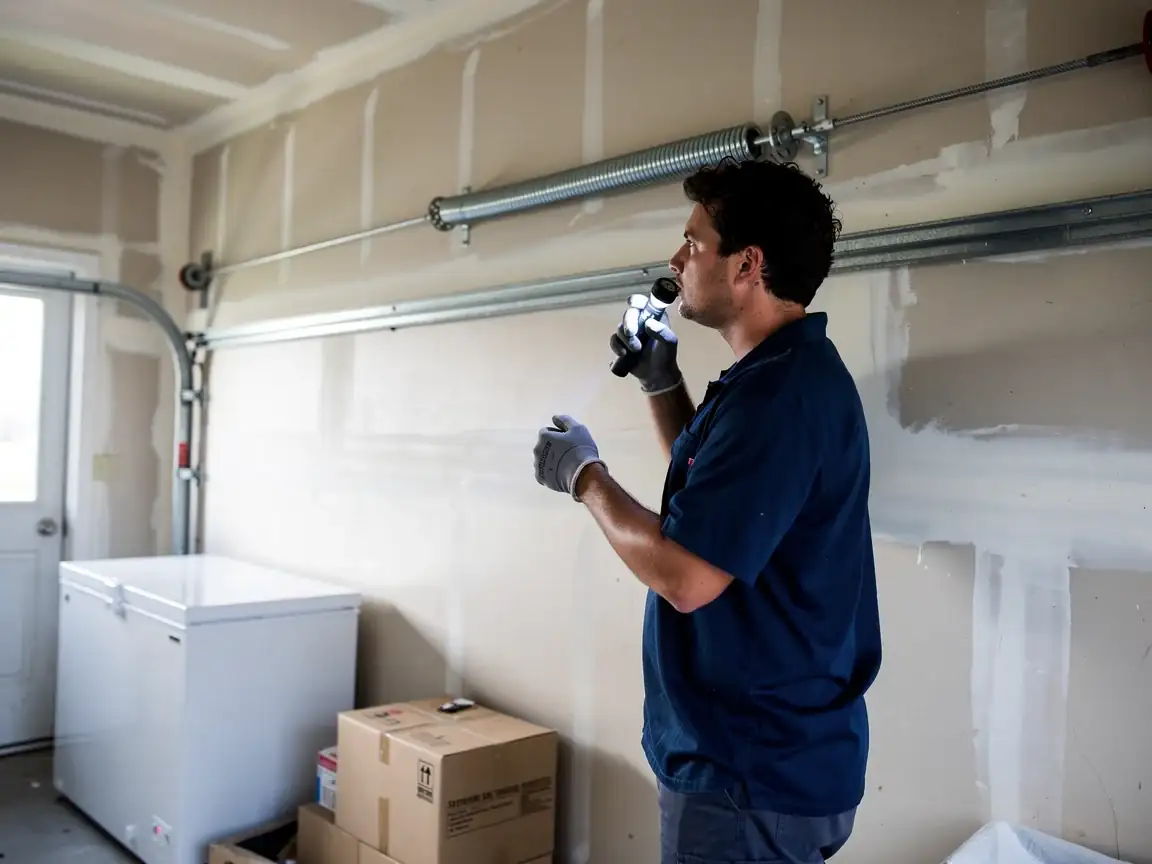
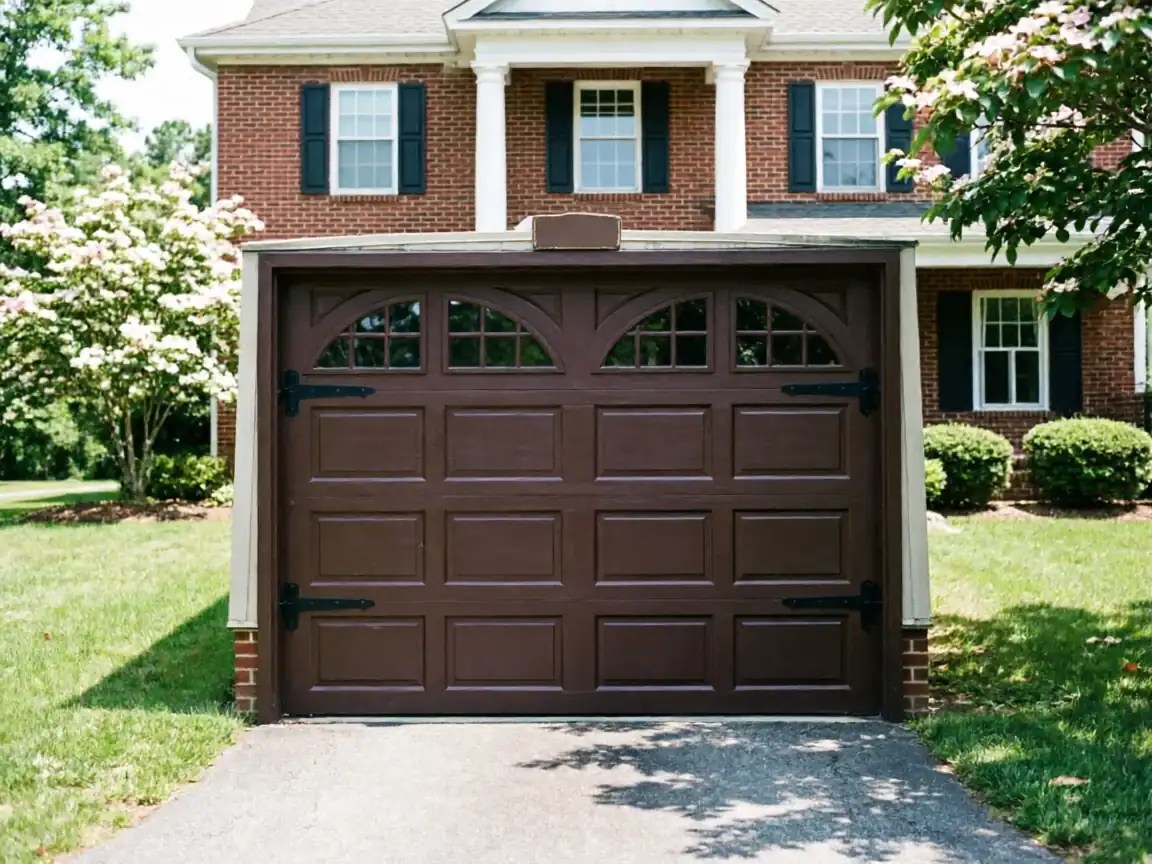
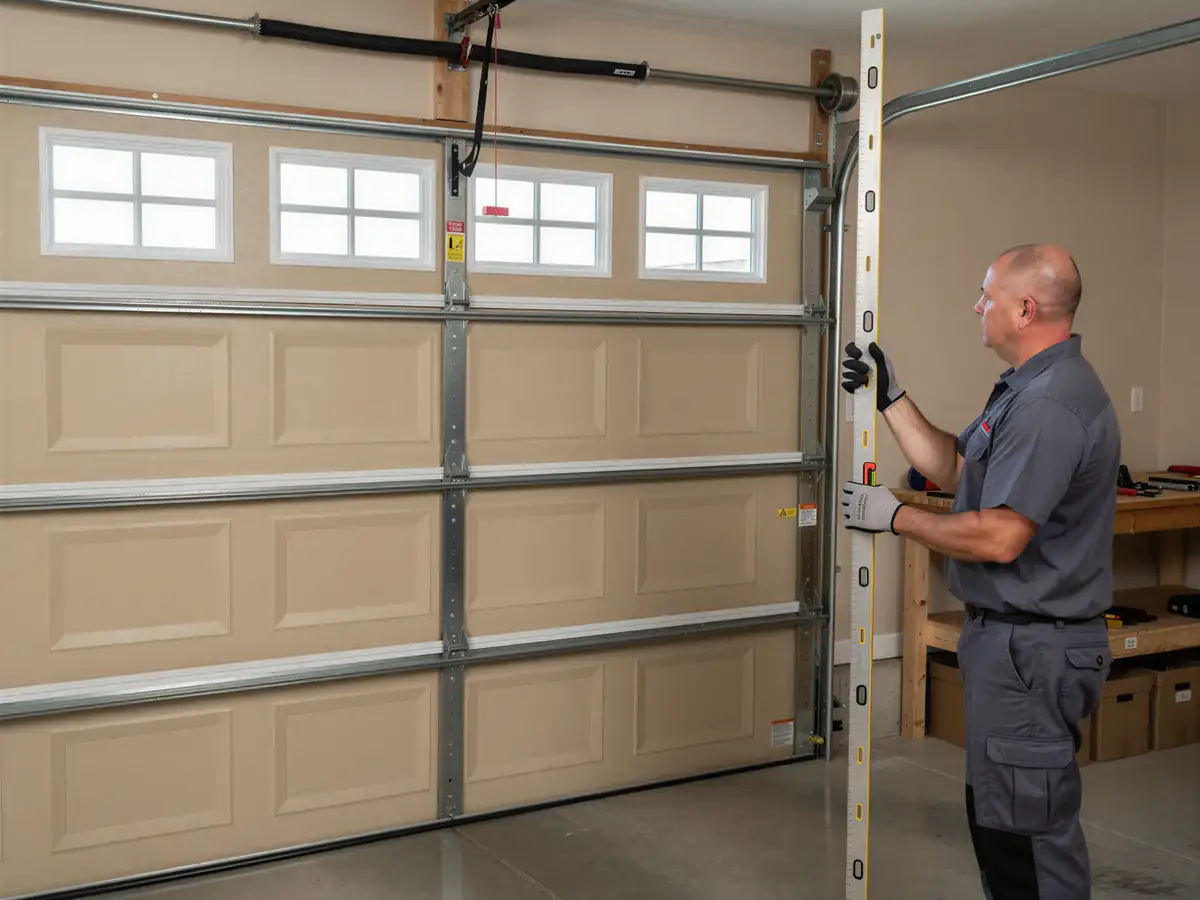
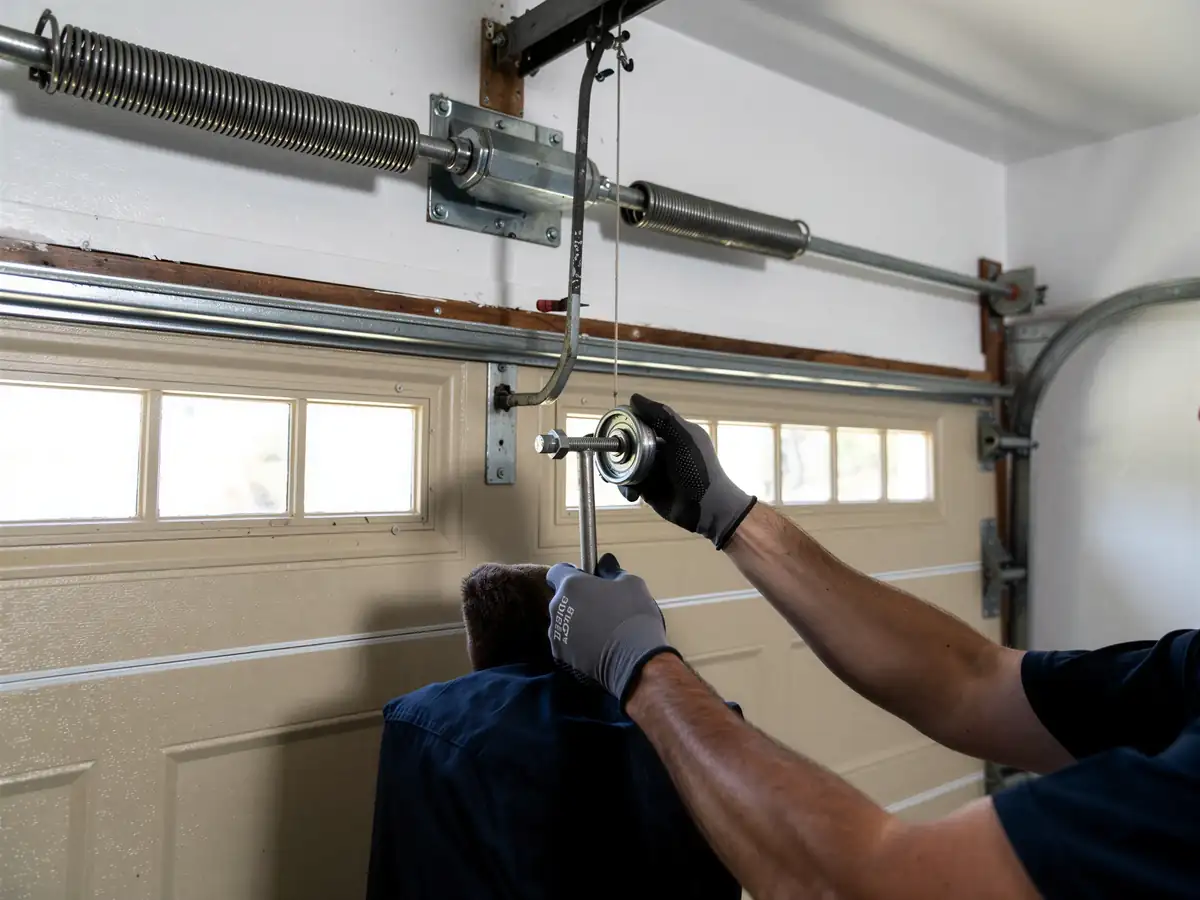
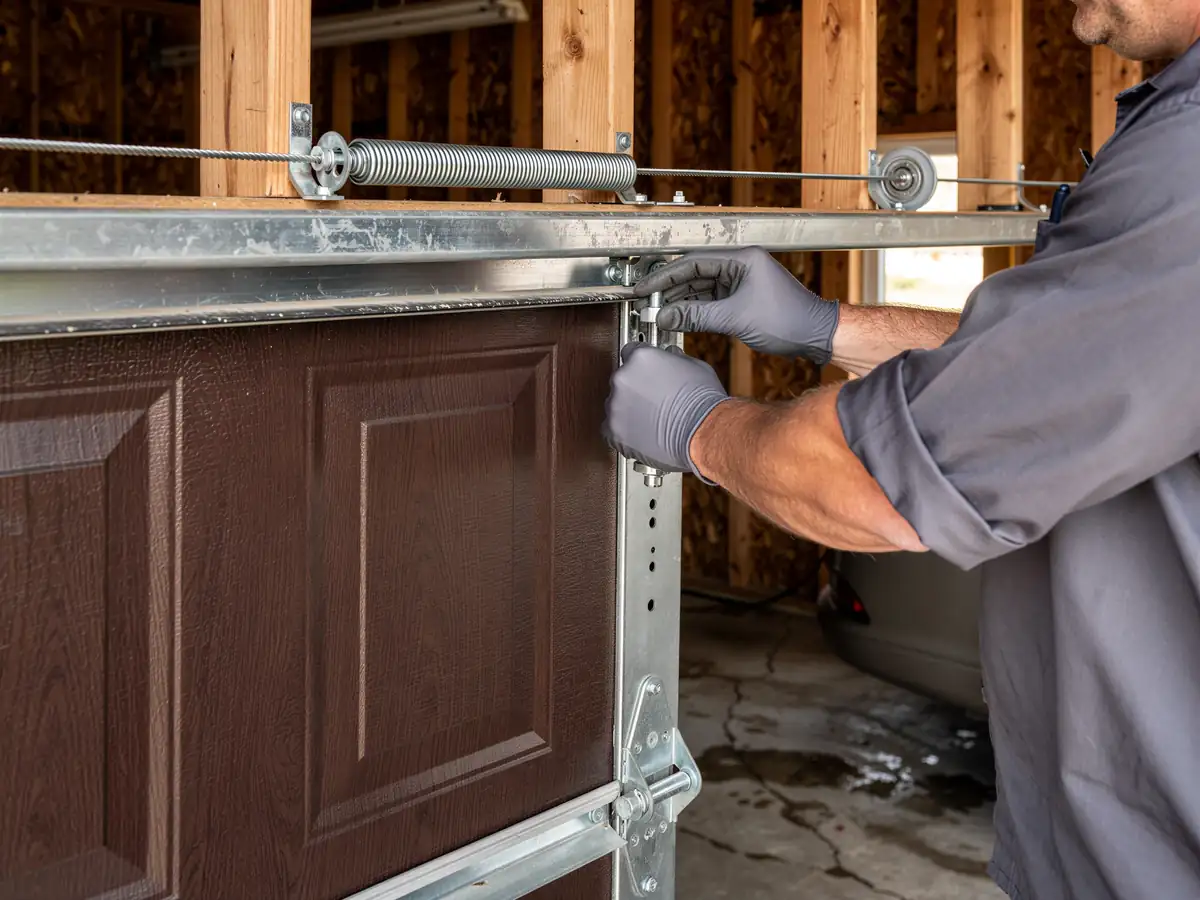
The main complication on newer builds like most of what's in Locust Grove isn't the opener, it's what the opener is bolted to. A 2004-era door is usually still on its original springs and rollers, and if those are worn, a brand-new opener will fight the door instead of lifting it smoothly, which burns out the new motor faster than it should last. We check spring tension and roller condition before we hang a new opener, not after, because an opener install on a door that's out of balance is money spent twice. We also see a fair number of garages here wired for a single opener outlet with no dedicated circuit, which is fine for most units but can trip a shared breaker if you're also running a freezer or shop tools off the same line. That's not something we can fix with a garage door call, so if it comes up we'll tell you straight rather than installing something that'll nuisance-trip on you in a month.