How It Shows Up
Most of the houses we work on across this service area went up in the 1960s and 70s, with a median build year of 1974. Locust Grove breaks that pattern. The median year built here is 2004, a full generation newer than the typical job we run. That matters for springs.
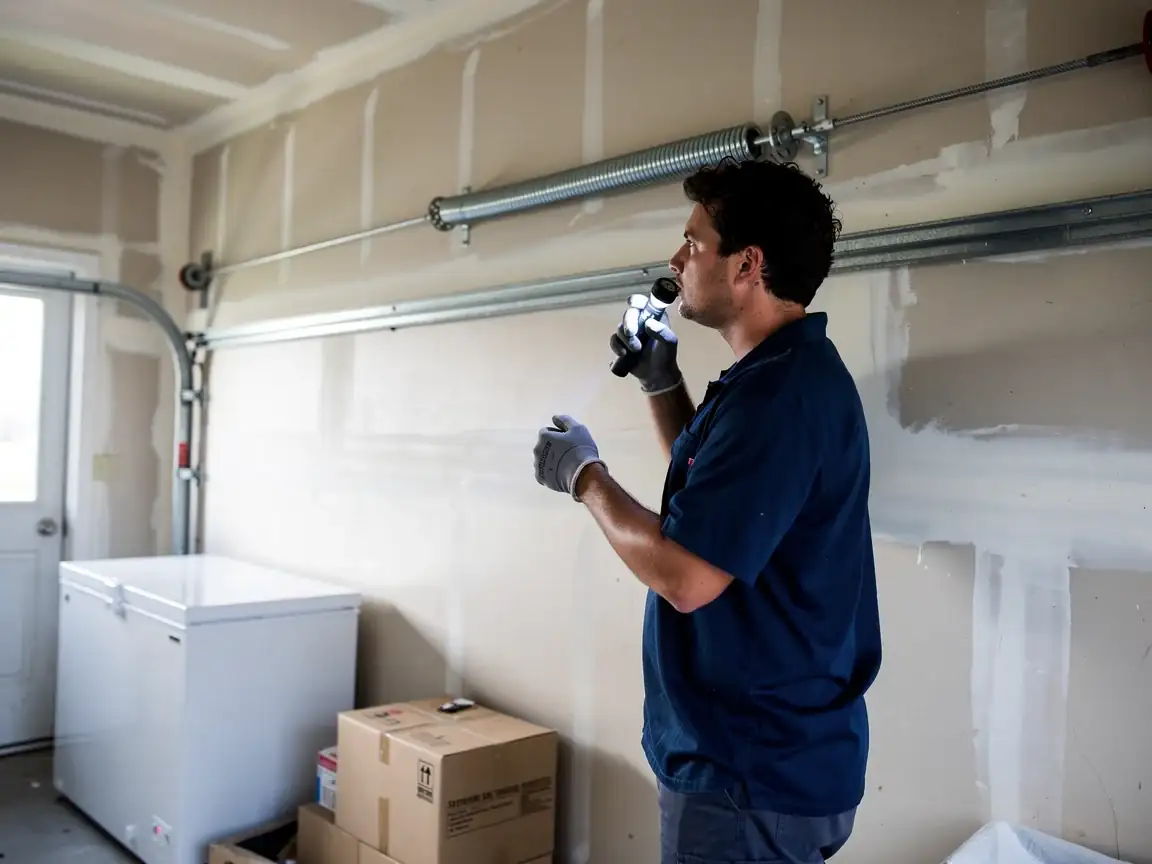
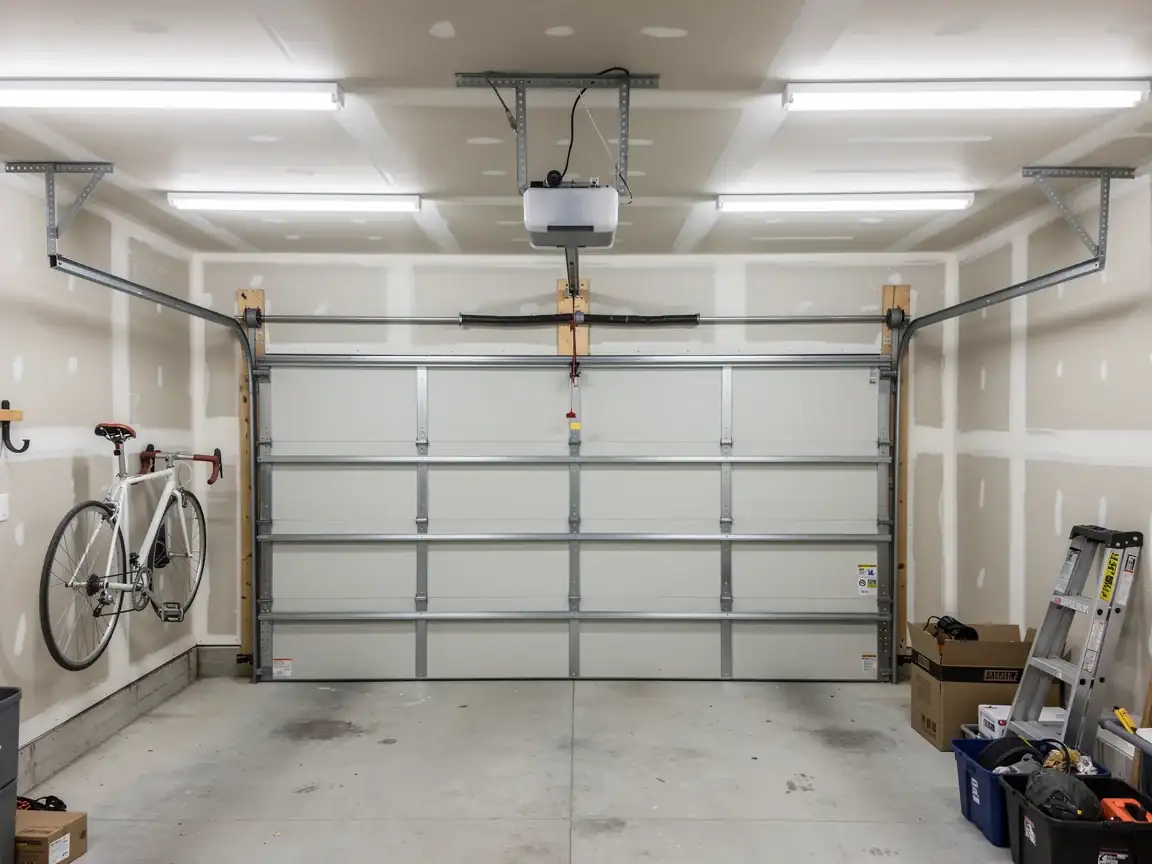
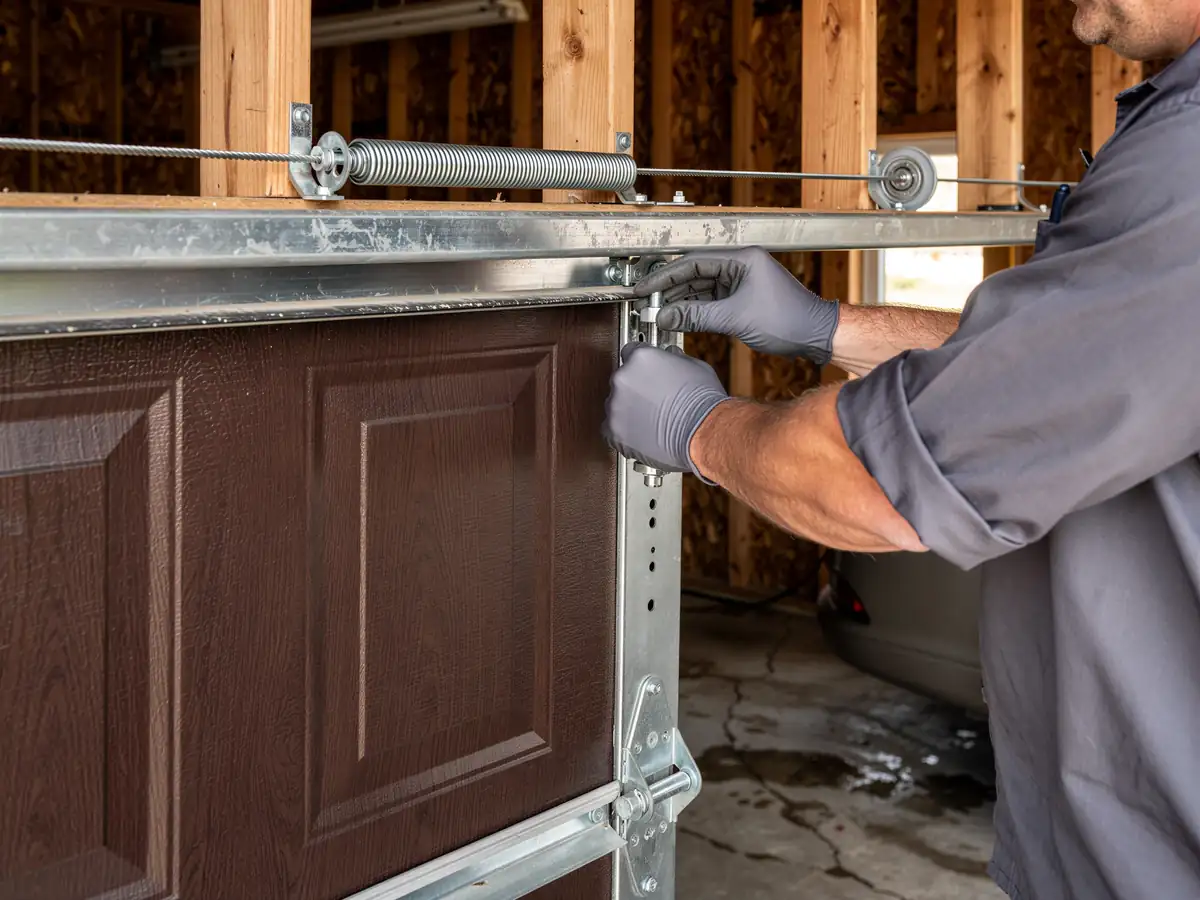
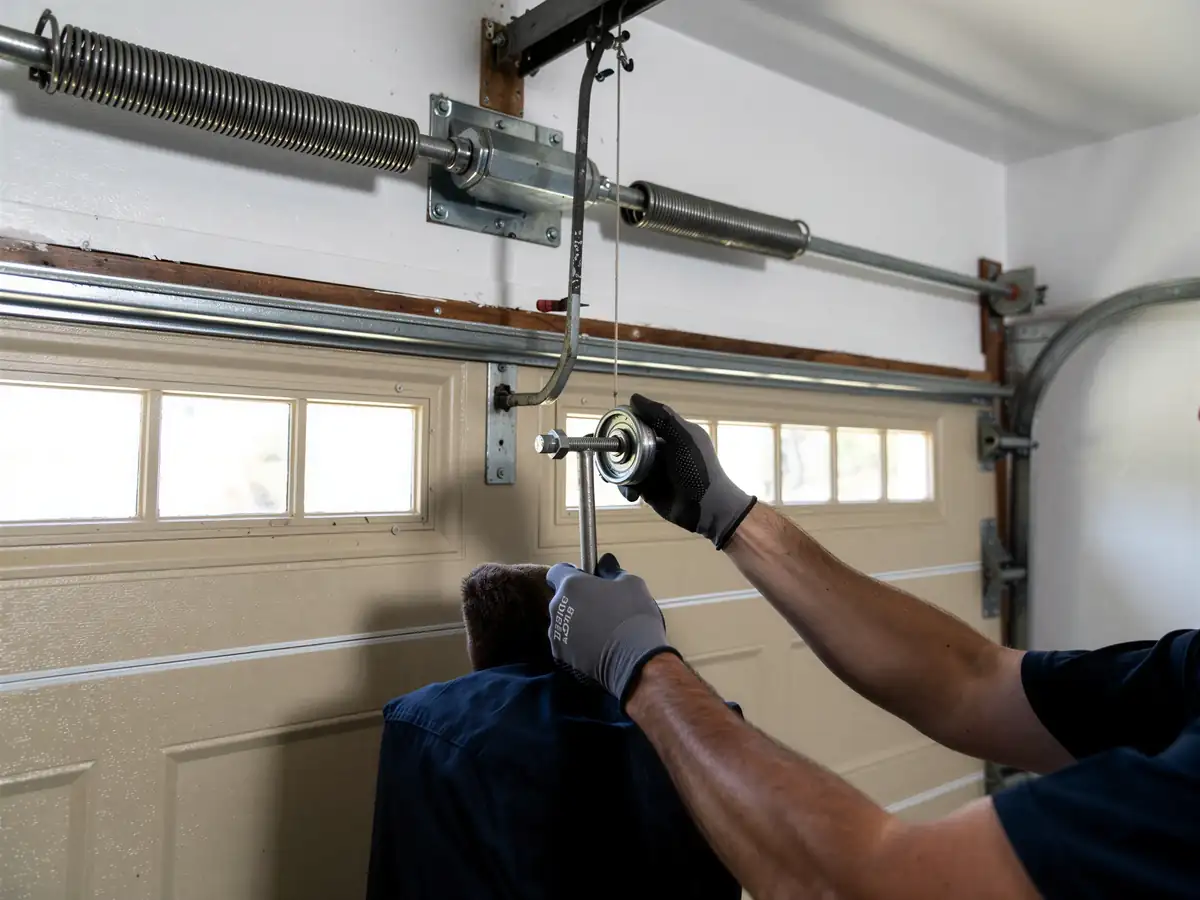
On a door from the 60s or 70s, the common failure is a spring that's simply worn out or rusted through after decades of cycling. On a 2004-era door, the springs are usually still the factory torsion units, sized for a lighter steel panel and a production-line opener. When one of those fails, it's more often spring fatigue from repeated use than age-related corrosion, and it tends to snap clean rather than stretch and sag first. You'll hear a bang, the door will feel twice as heavy on manual lift, or the opener will strain and reverse before the door is fully down.
The cold-moderate winters this part of Georgia gets don't do these newer torsion springs any favors either. Cycling between a warm garage and a cold snap stiffens the coil and adds stress right at the point it's already weakest. It's not the dramatic swings you'd see further north, but it's enough to shorten the life of a spring that was already working hard.
Parts We Carry
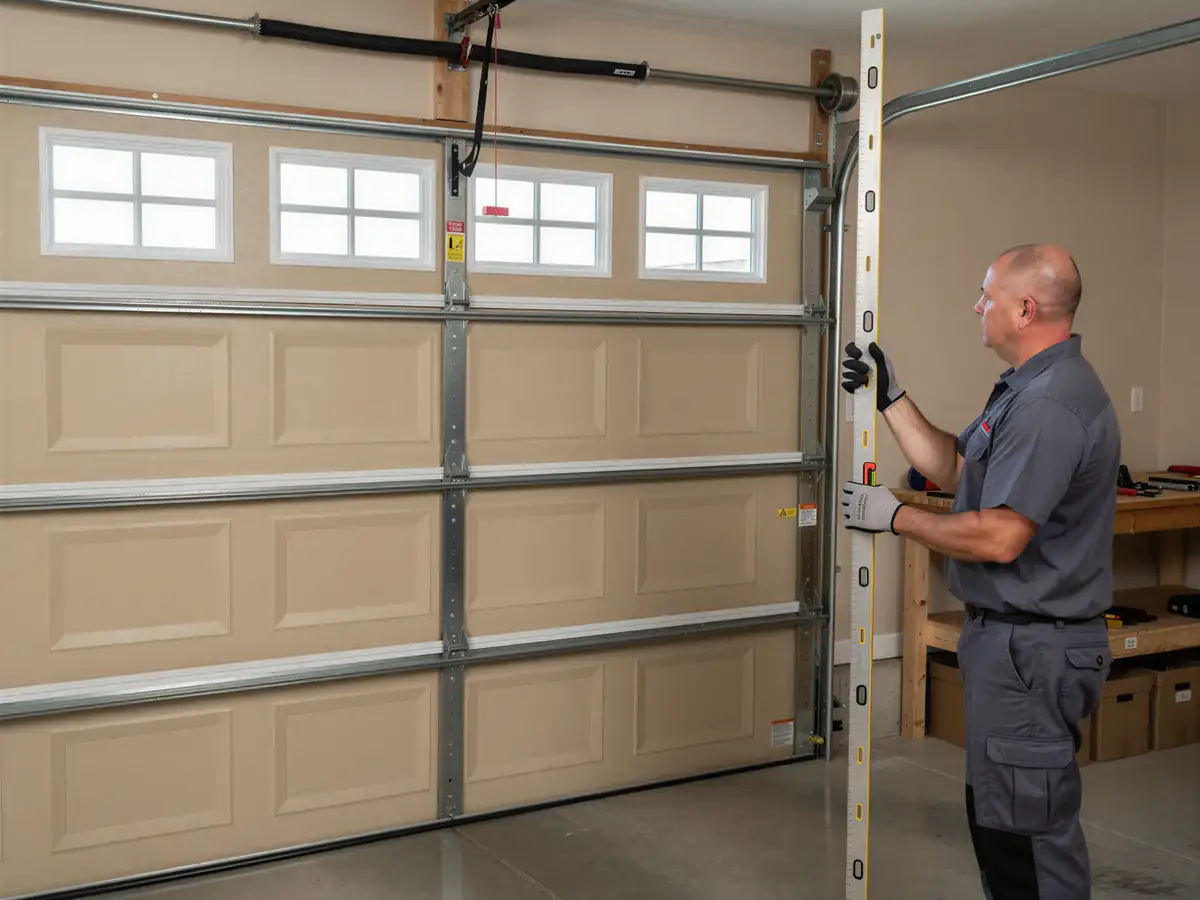
We stock standard torsion springs sized for the double and single door setups common on homes built in the early 2000s, along with the matching end bearings and cables that tend to wear alongside them. Because Locust Grove's housing stock is newer than most of what we see, the springs here are more often a direct factory match rather than a discontinued size we have to special-order.
What we don't carry on the truck: springs for extension-spring systems with side-mounted drums, which show up more on the older housing stock elsewhere in the service area but are rare on a 2004-median build. If your door turns out to be one of those, we'll tell you straight rather than force a part that doesn't fit, and we'll order the right one.
How to Book
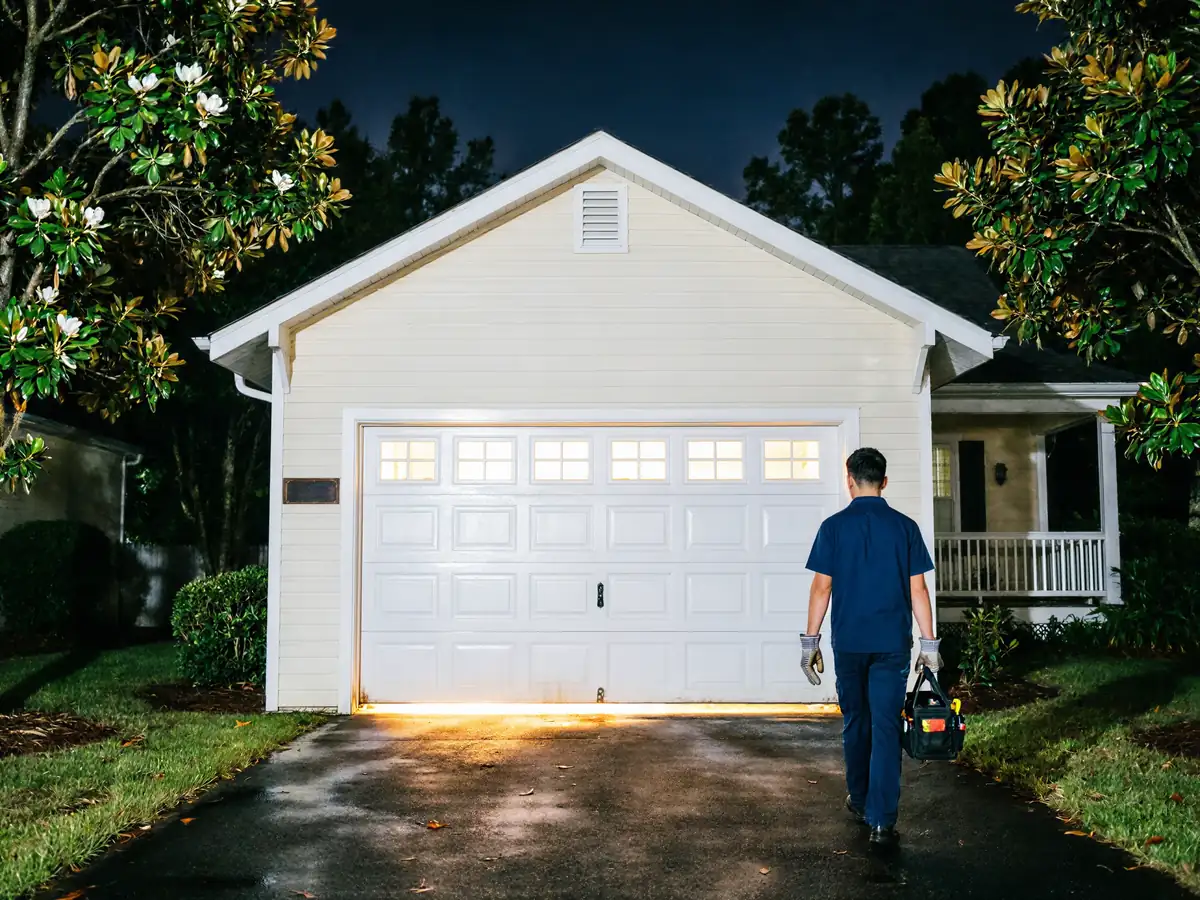
We're based in Stockbridge, about 15 miles from Locust Grove
We don't keep a branch or a drop point out here, so every job is a dispatch from the shop, which is worth knowing if timing matters to you. Call and tell us the door's age if you know it, whether it's a single or double, and what it's doing when it fails - won't open, won't close, one side hangs lower than the other. That gets us to the truck with the right spring instead of guessing on site.
- 15 miles
If you're not sure whether it's a spring or something else, like a cable or a track, say what you're seeing and we'll sort it over the phone before we drive out
The Complications
A door that's only two decades old can still throw a curveball. Builders in the early 2000s used a wider range of opener brands and door-panel weights than the older stock did, which means two houses on the same street can have different spring specs even though they were built the same year. We bring a range of sizes, but if yours is an outlier, that's a second trip.
The other complication is cost versus replacement. If a spring has failed on a door that's also got worn rollers, a bent track, or a opener that's on its last legs, replacing just the spring can mean you're back out here again in a year for the next part. We'll tell you when that's the case instead of just swapping the spring and leaving.