Can You Do This Yourself
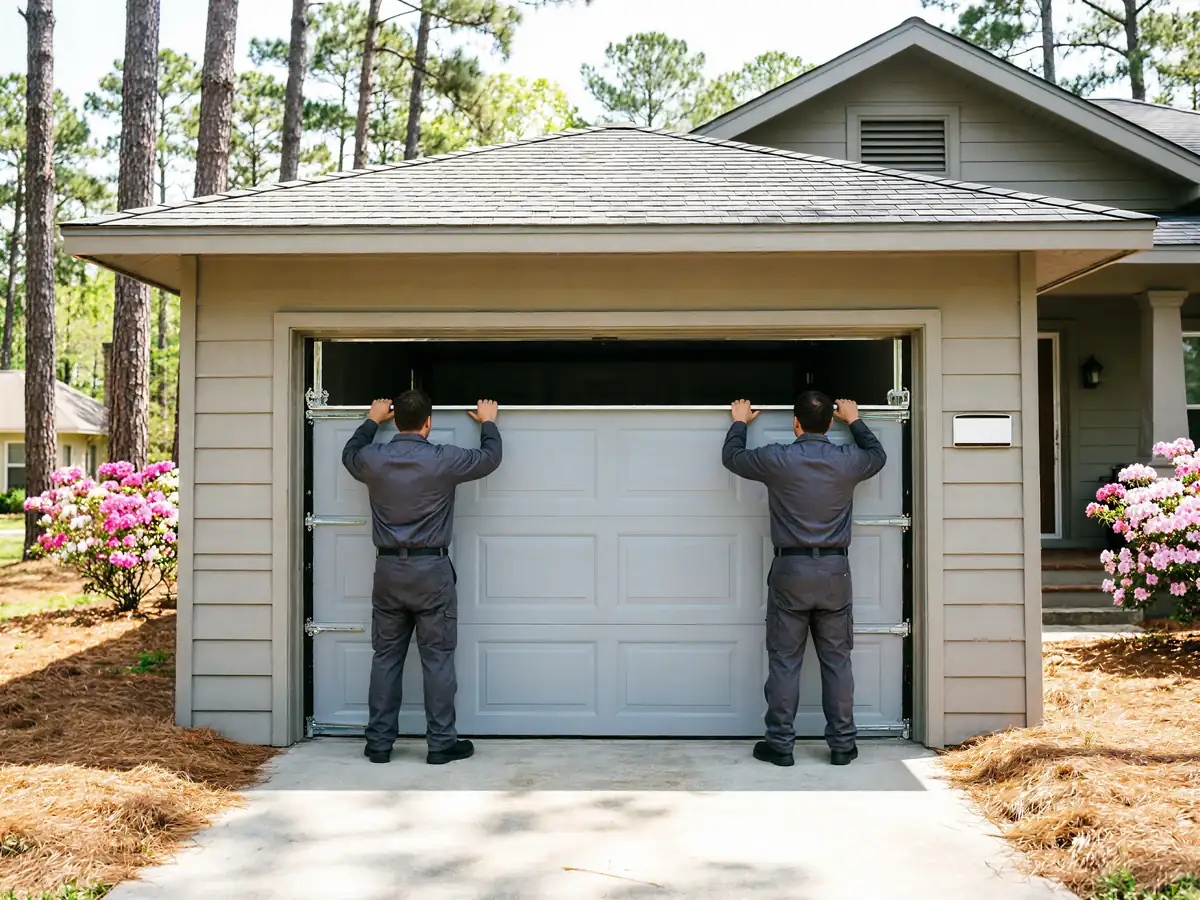
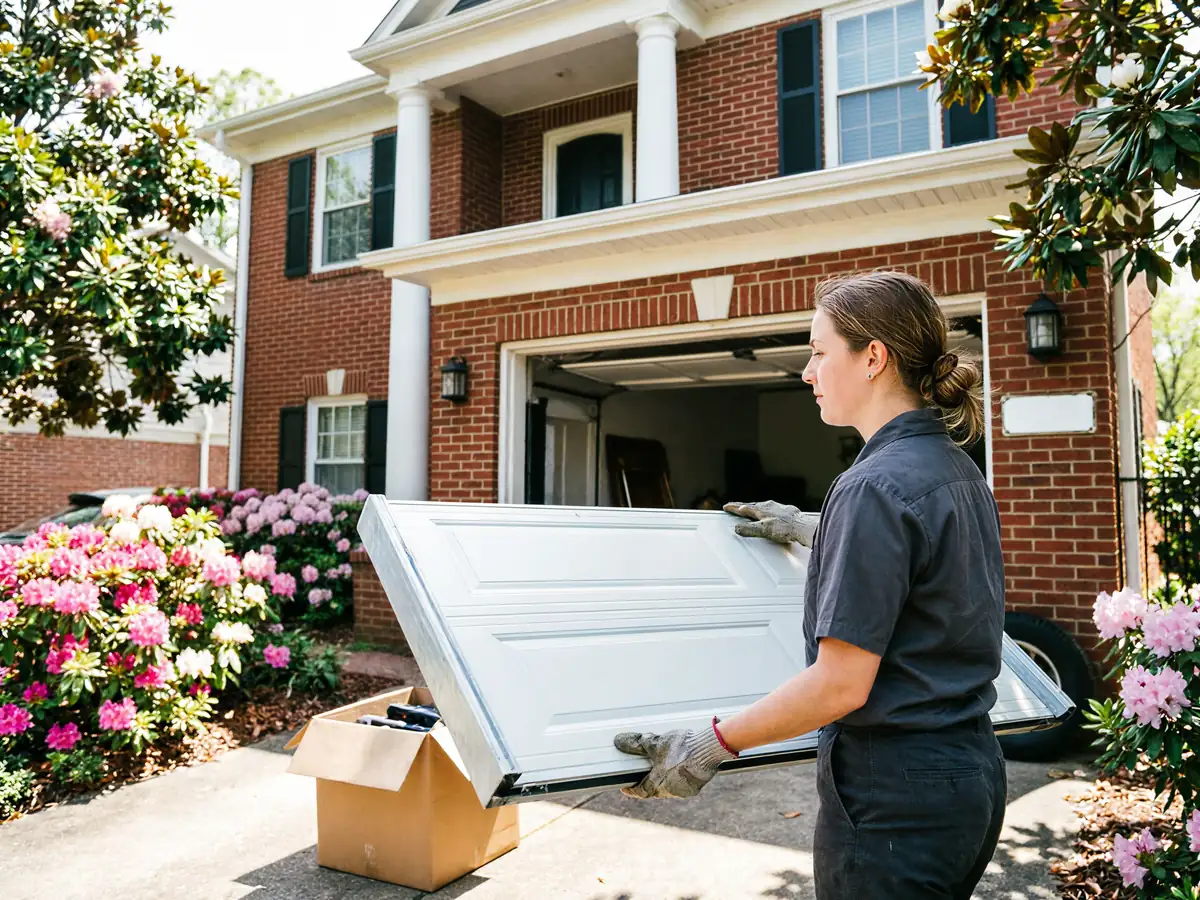
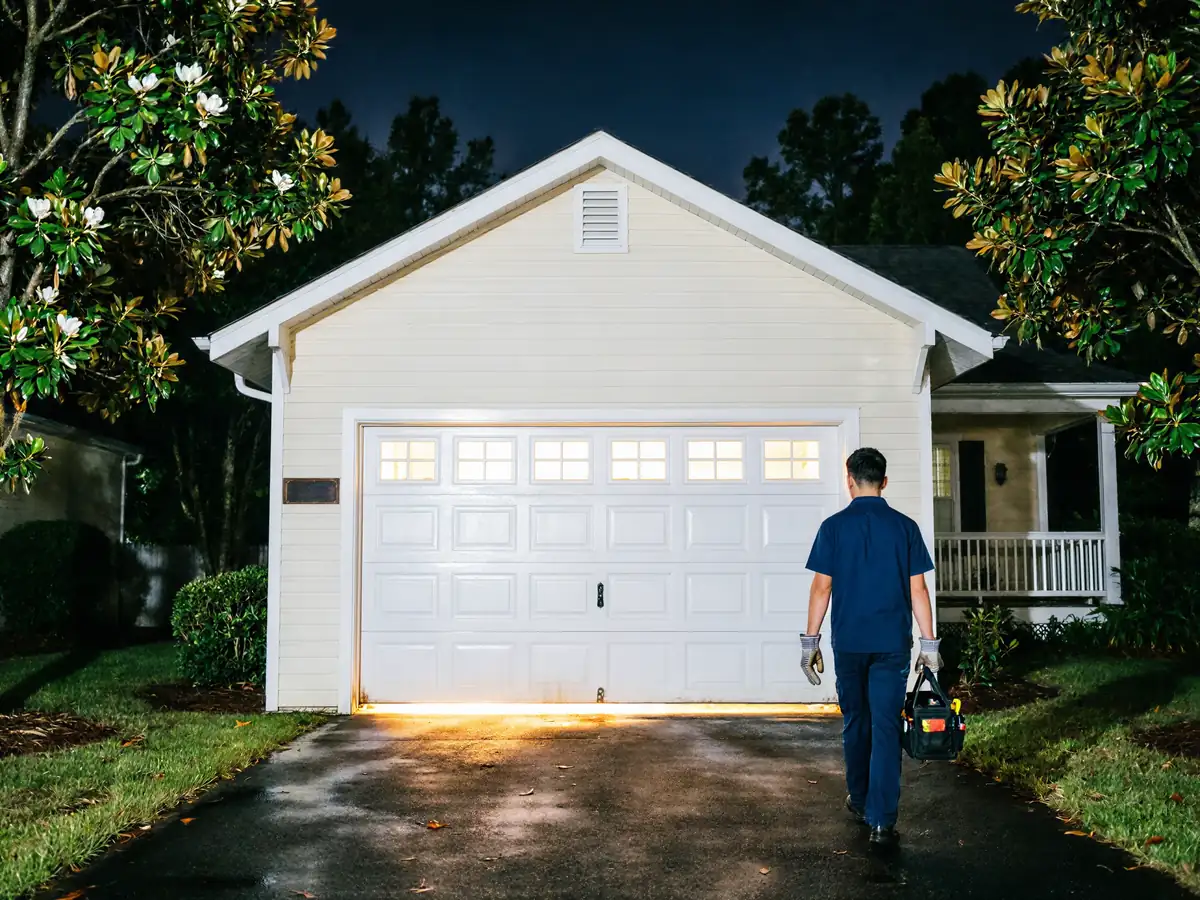
North Decatur is a 19-mile drive from our shop in Stockbridge, which is one of the longer runs on our map. That distance matters for one reason: we don't keep a truck parked nearby, so a same-day fix here means the job gets planned into a route, not squeezed in on a whim. If your door is stuck open or a panel is dented, that's a real reason to wait for us rather than wrestle it yourself.
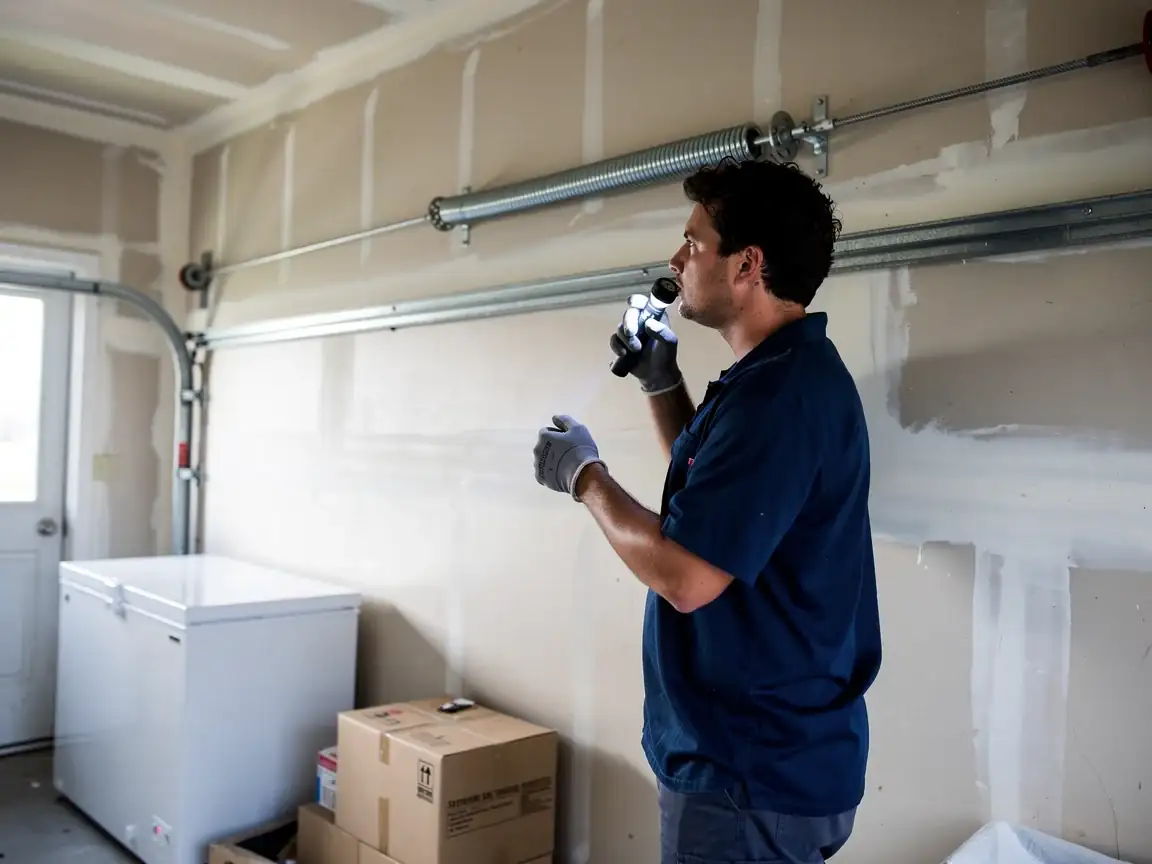
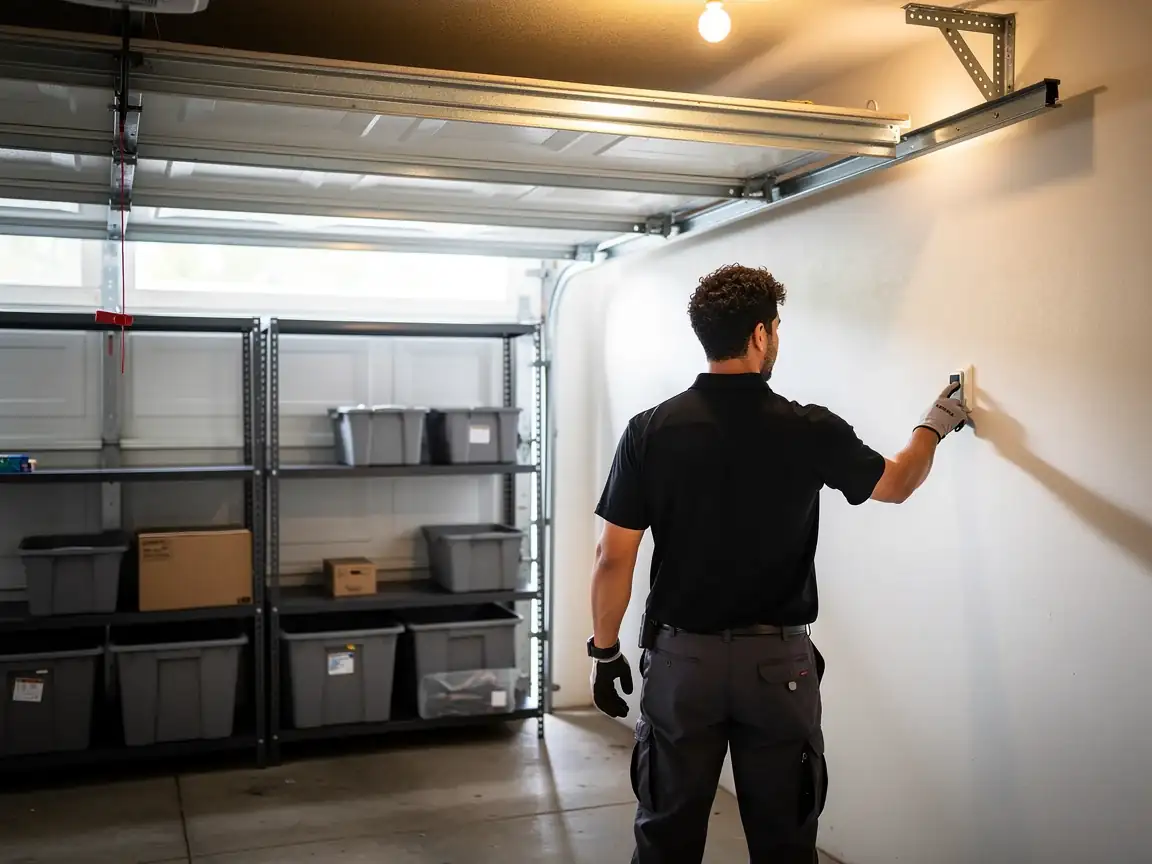
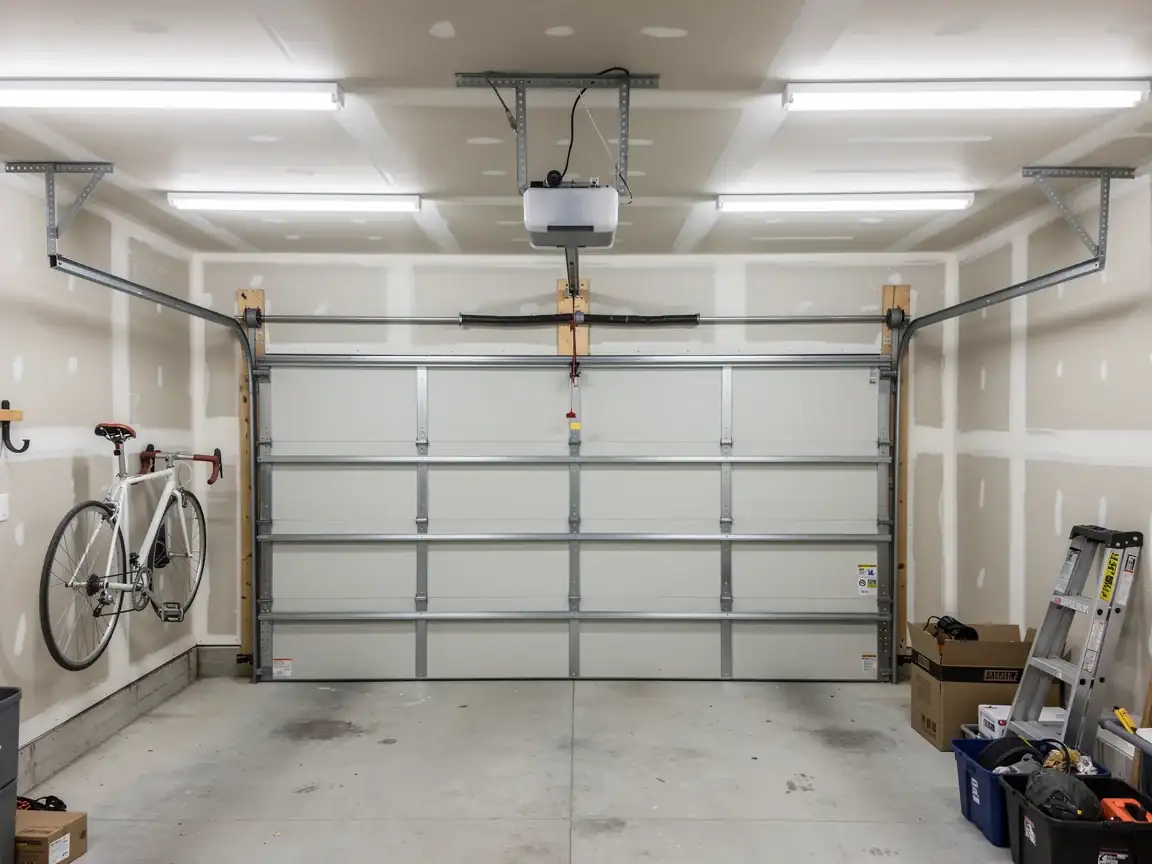
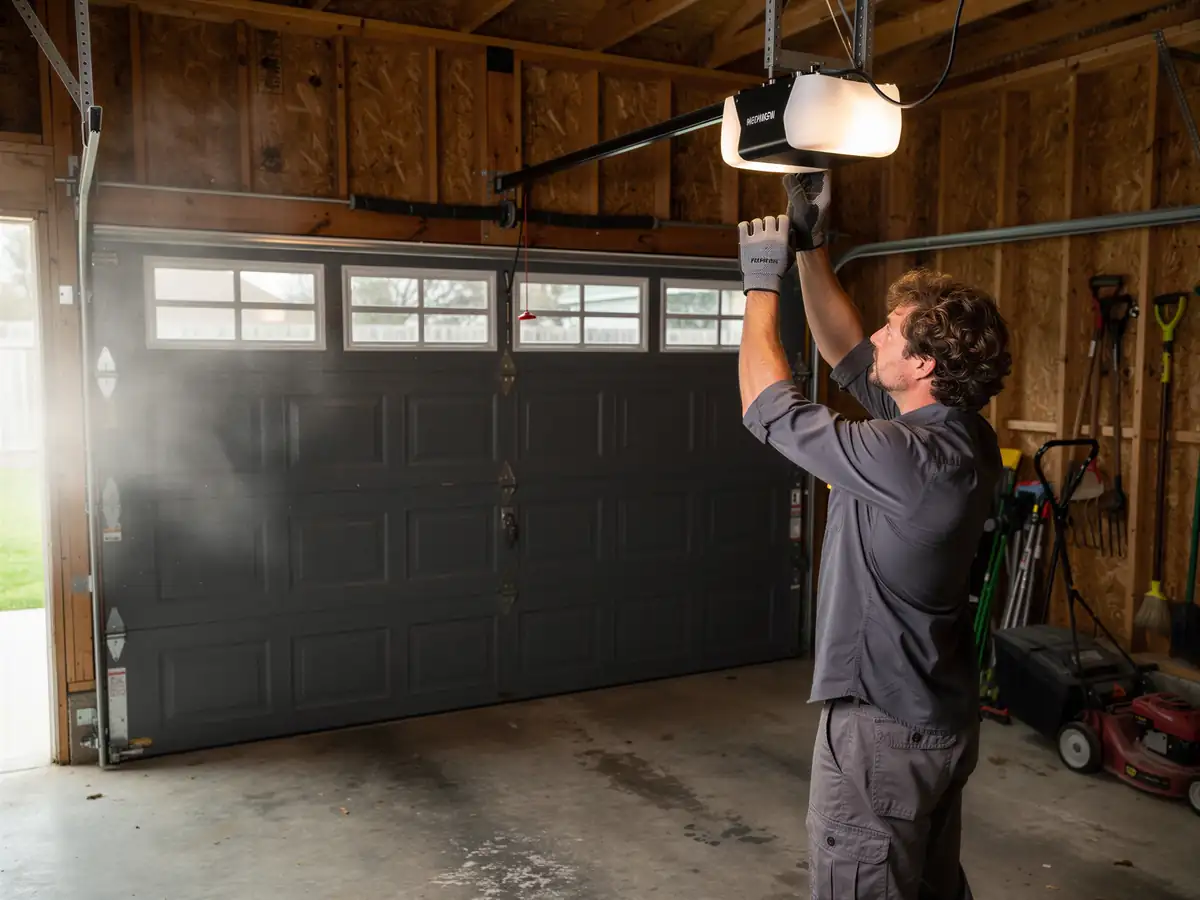
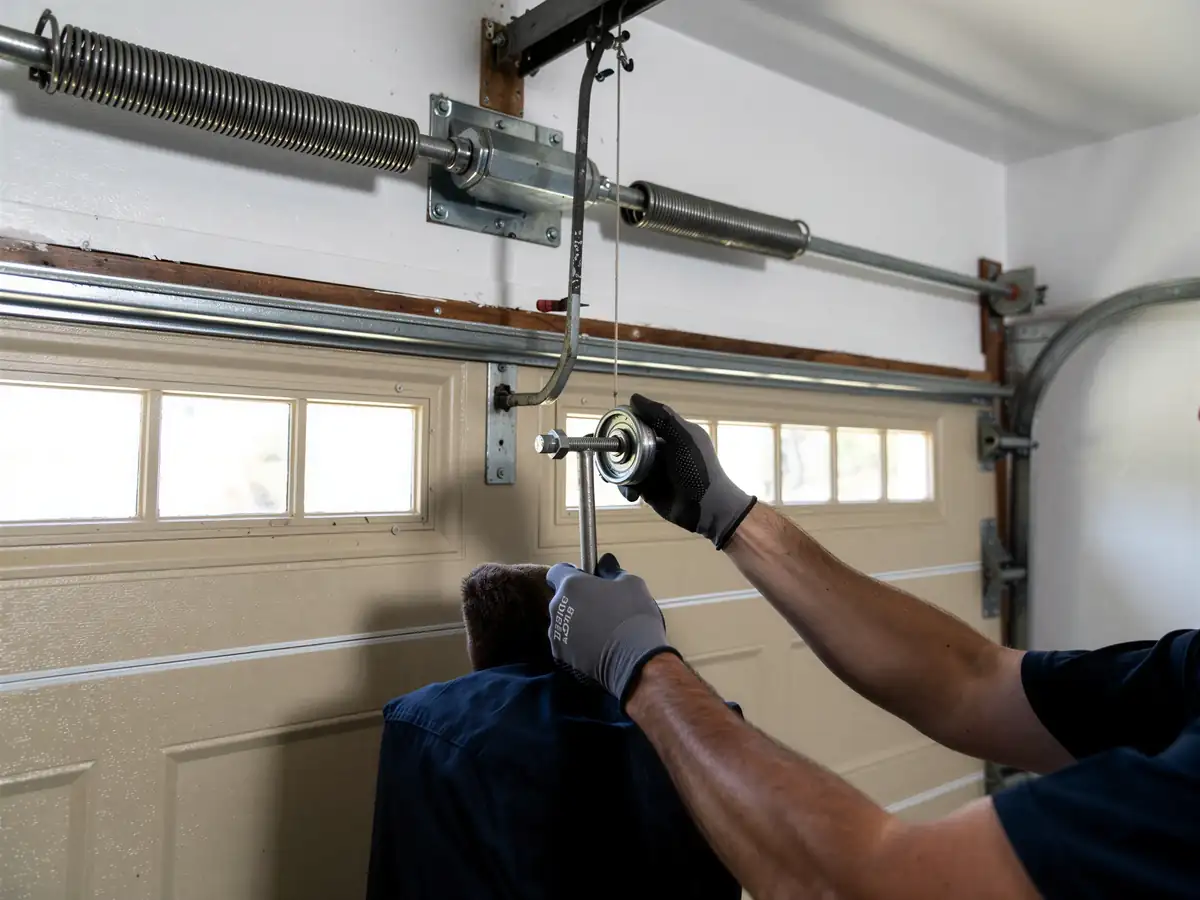
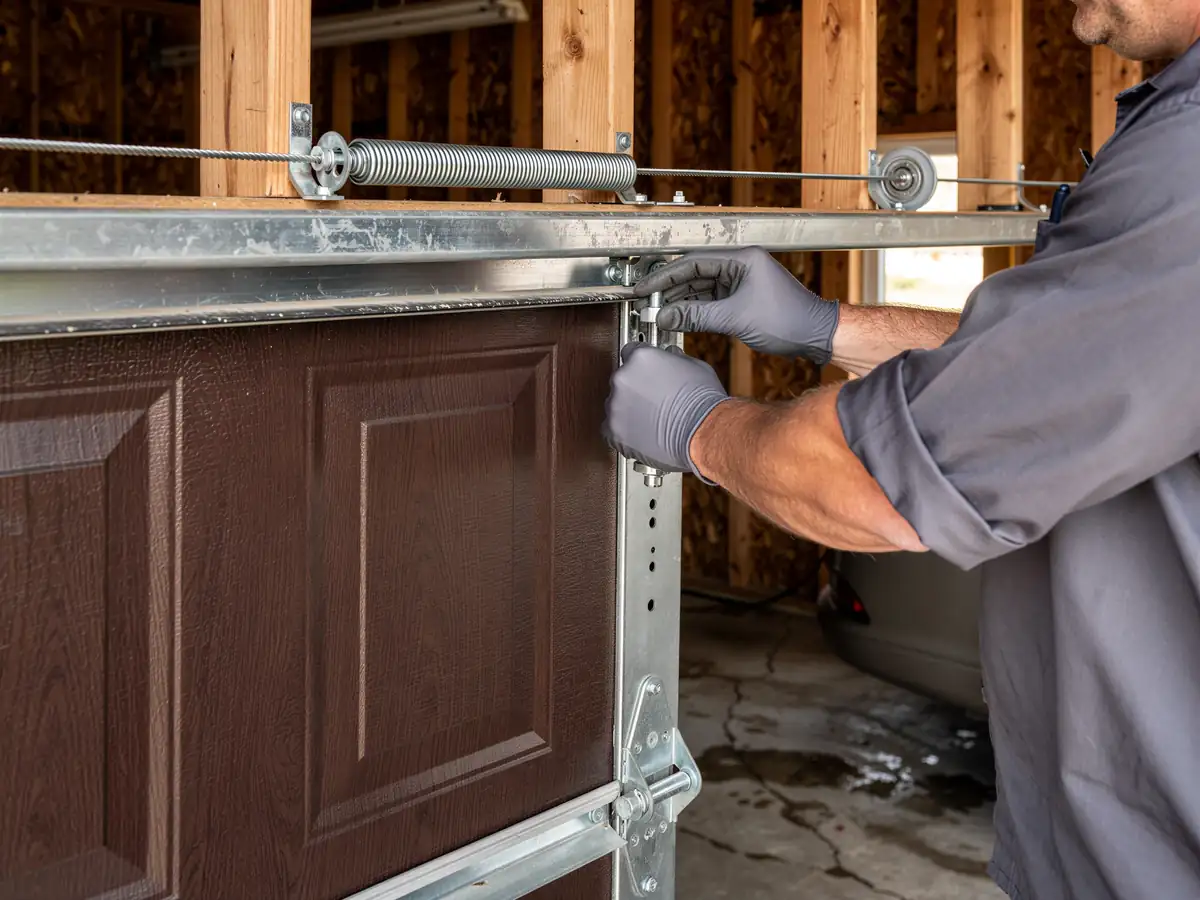
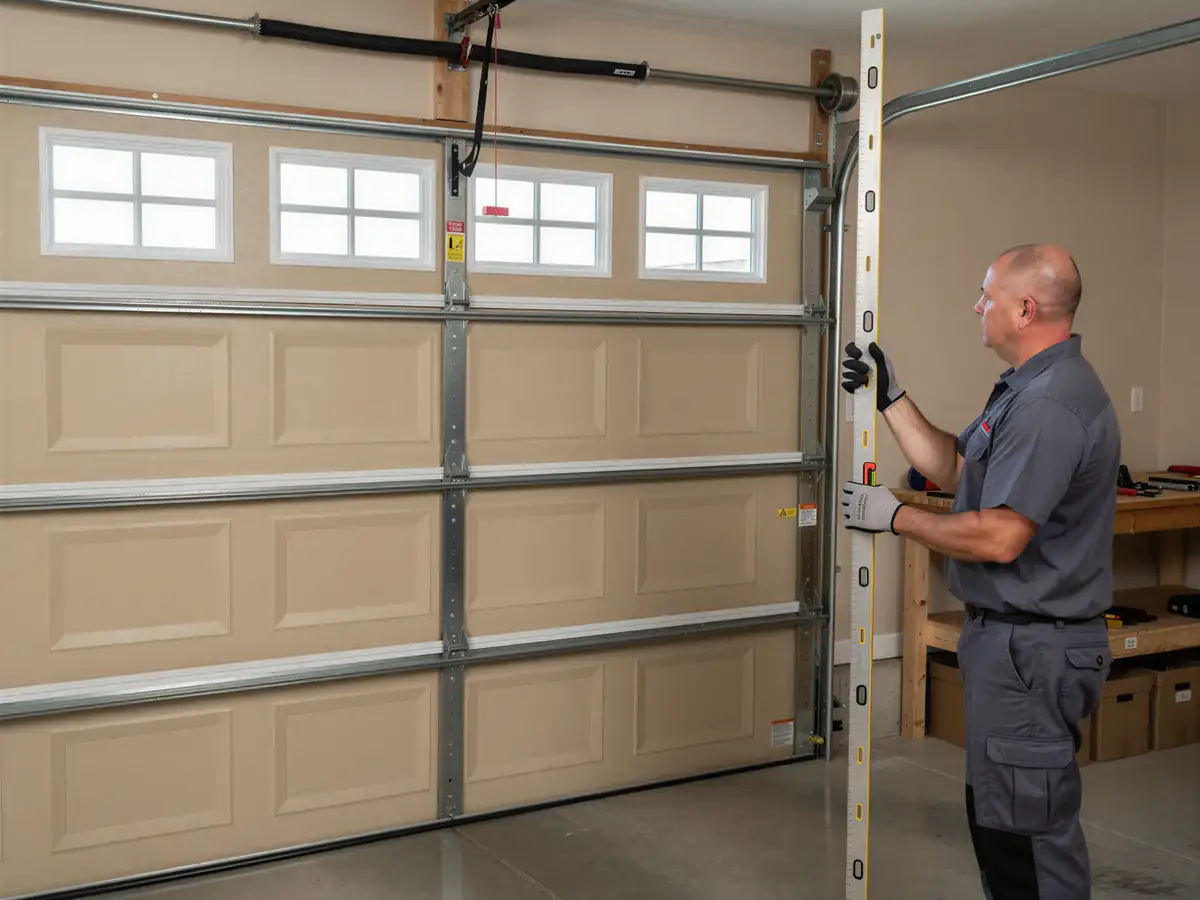
A torsion spring job is where we draw the line on DIY. The spring on a standard door holds enough tension to break a finger or worse if the winding bars slip, and we won't walk anyone through that over the phone. What you can safely check yourself: the track for visible gaps or bent spots, the sensor eyes near the floor for dust or misalignment, and whether the opener's travel limits need a small adjustment. Those take five minutes and no tools you don't already own.
Our honest limit: if a part needs ordering, you're waiting on that part's lead time regardless of how fast we drive. We don't stock everything for every door era, and a 1970s-built house sometimes needs hardware that isn't sitting on a shelf.
How It Shows Up
Most houses in this area were built around 1974, which lines up with the broader build-out of the region that ran from 1938 into the 2000s. A door installed or replaced in that mid-70s window usually means steel sectional panels on galvanized torsion springs, often paired with an opener added later - sometimes decades later, on hardware that was never matched to the original track width.
That mismatch is what we see on calls out this way: an opener from a different generation than the door, forcing the motor to work harder than it should on every cycle. Rollers wear unevenly, the chain or belt stretches faster than it would on a properly matched system, and homeowners read the noise as an opener problem when it's really a spring or track issue the opener is just exposing.
With 8,142 households in this pocket and a median household income of $110,366 - well above the roughly $62,299 median across our wider service area - we also see more owners choosing a full opener upgrade instead of patching an aging unit. That's not a rule, just a pattern worth knowing before you decide which way to go.
Why This Fails Locally
The region sits in a cold-moderate climate band
Which doesn't mean brutal winters but does mean steady seasonal temperature swings that work metal fatigue into torsion springs over years, not months. A spring built to last X cycles doesn't care what year it is - it cares how many times it's wound and released, and a house from the 1974 era has had roughly fifty years of that cycling.
What we see locally is less about weather damage and more about hardware age meeting higher household income
Here, a failed spring or worn opener is more likely to end in a decision to replace the whole unit rather than patch it, since the budget for that choice exists more often than it does in lower-income pockets of our coverage area. That's not a sales pitch - it's just the pattern a $110,366 median household income tends to produce versus a $62,299 one. Either path is reasonable. A spring swap on a sound door can run another decade. A full replacement on a door that's already fighting a mismatched opener often makes more sense long-term, especially once panels start showing separate wear alongside the spring failure.
How to Book
Because the trip out here runs about 19 miles from our Stockbridge base, we schedule North Decatur calls as part of a planned route rather than an on-demand dispatch. Tell us what the door is doing - stuck, noisy, off-track, dead opener - and we can usually tell you over the phone whether it's a spring, a cable, or an opener issue before a truck ever leaves the shop.
For general service options and what's involved in getting a crew out to this side of our coverage area, see our North Decatur service page. If you want the full rundown of what we handle out of our home base, that's covered on our Stockbridge page.