Can You Do This Yourself
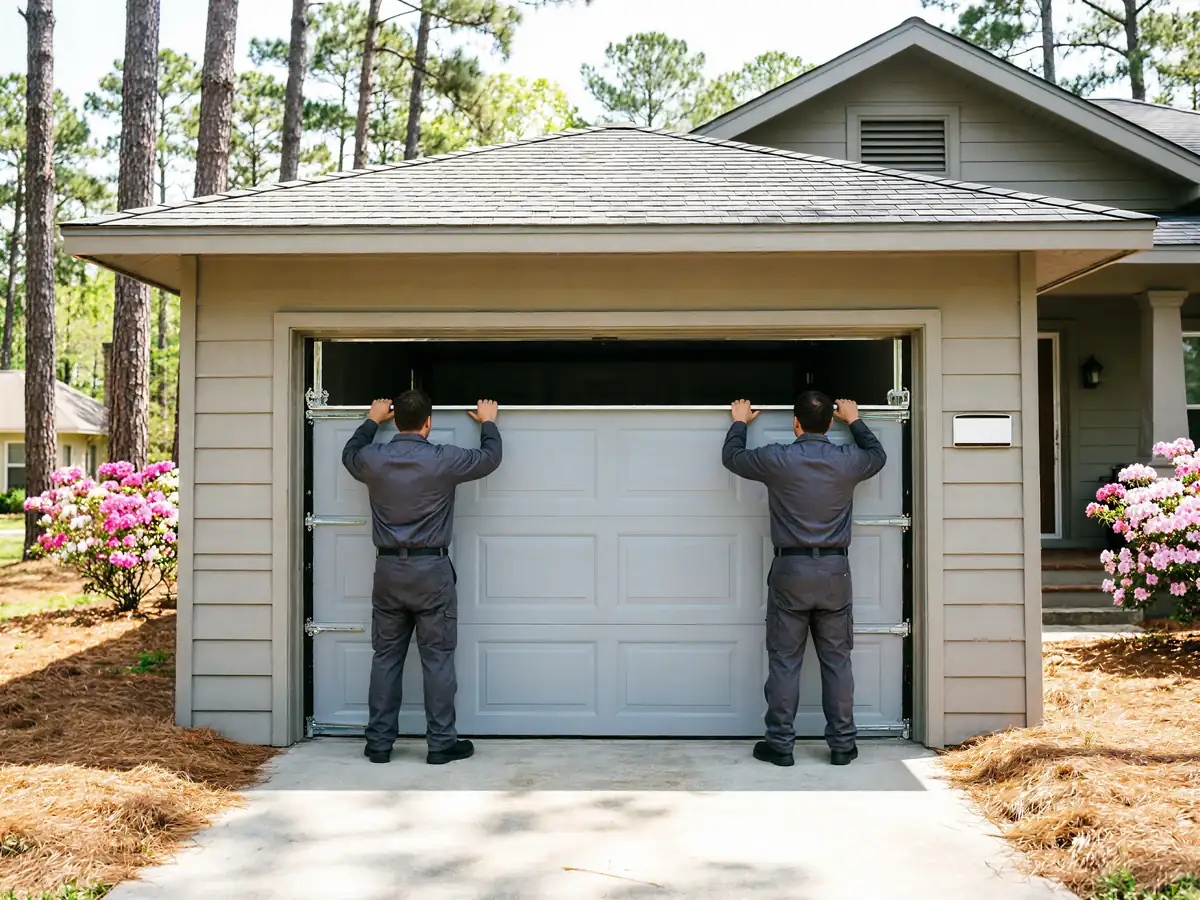
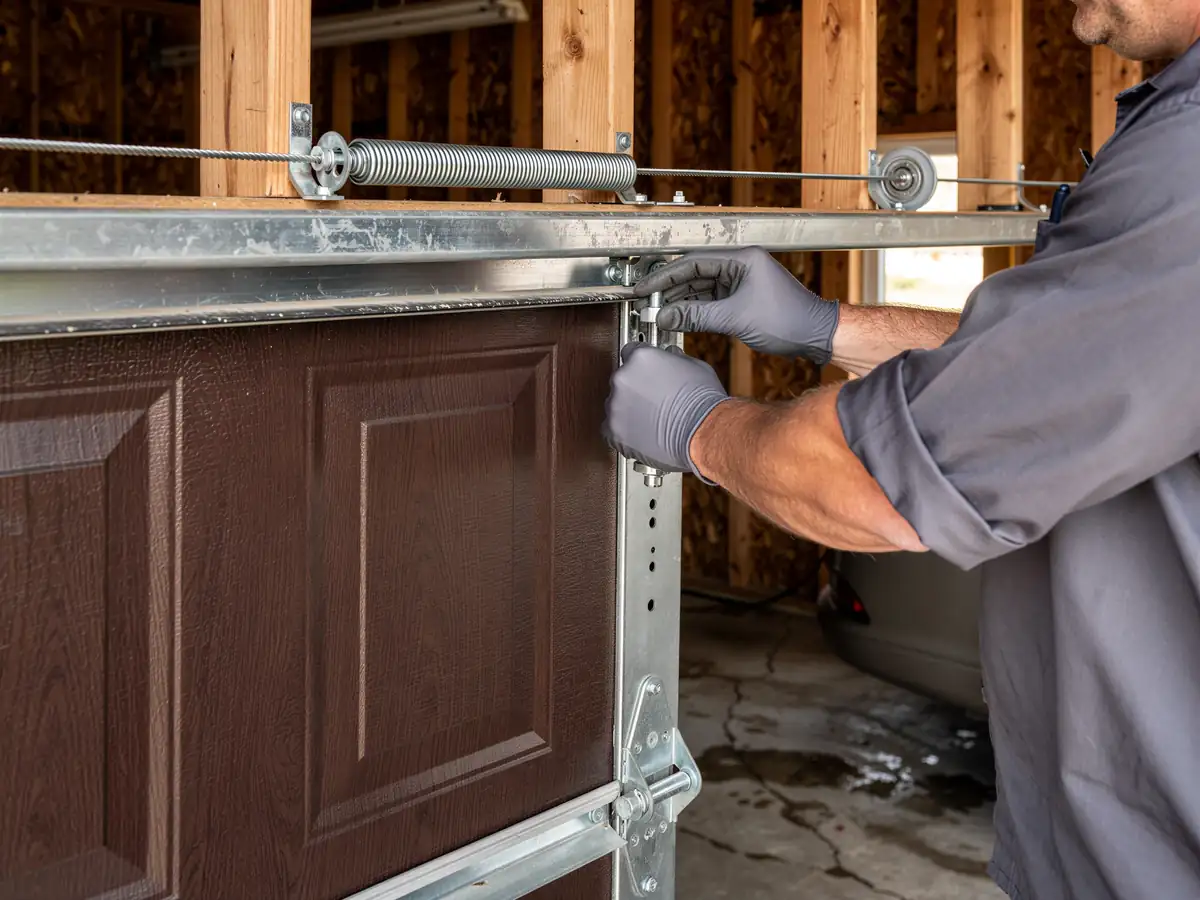
You can do some of this. Once a month, pull the release handle with the door closed and lift it by hand - it should move smooth and stay roughly level at waist height. If it drops or fights you, a spring is losing tension, and that's not a DIY fix; torsion springs store enough force to break a bone. You can also wipe the tracks, check the rubber seal at the bottom for cracking, and listen for a grinding roller instead of a rolling one.
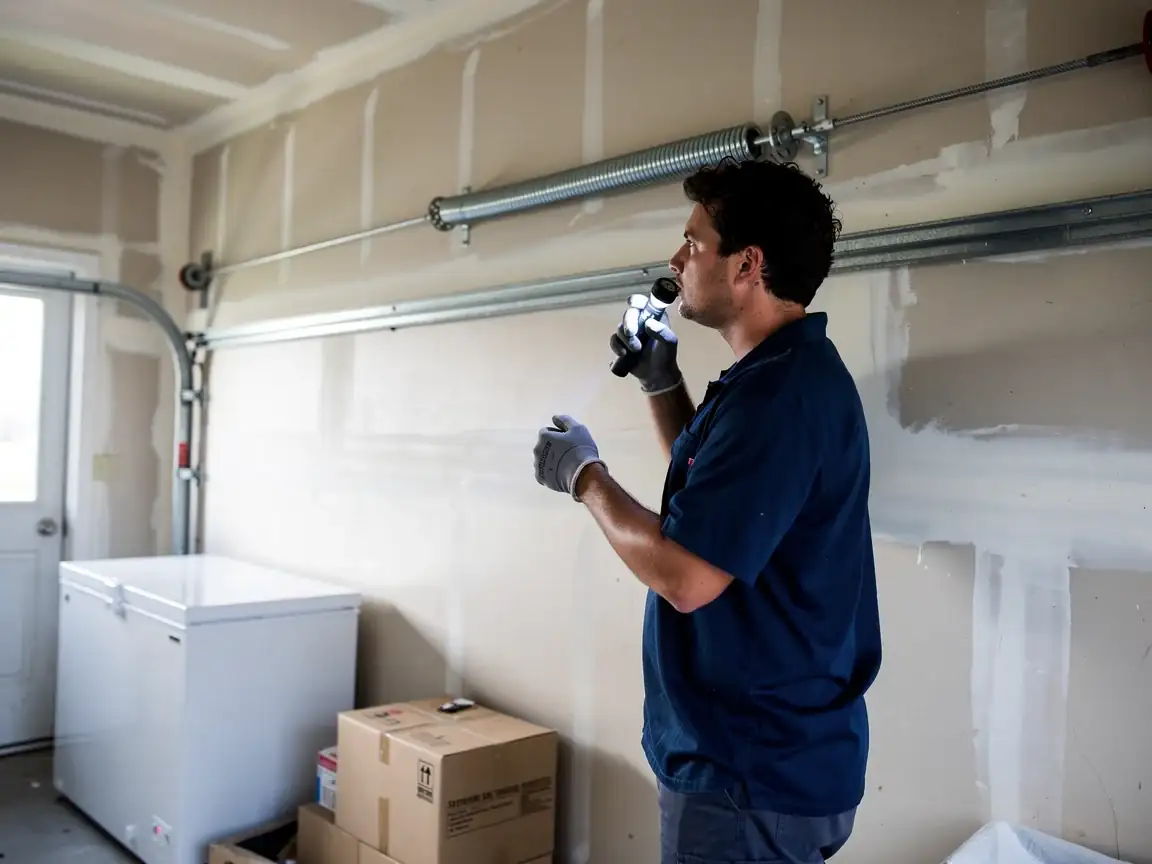
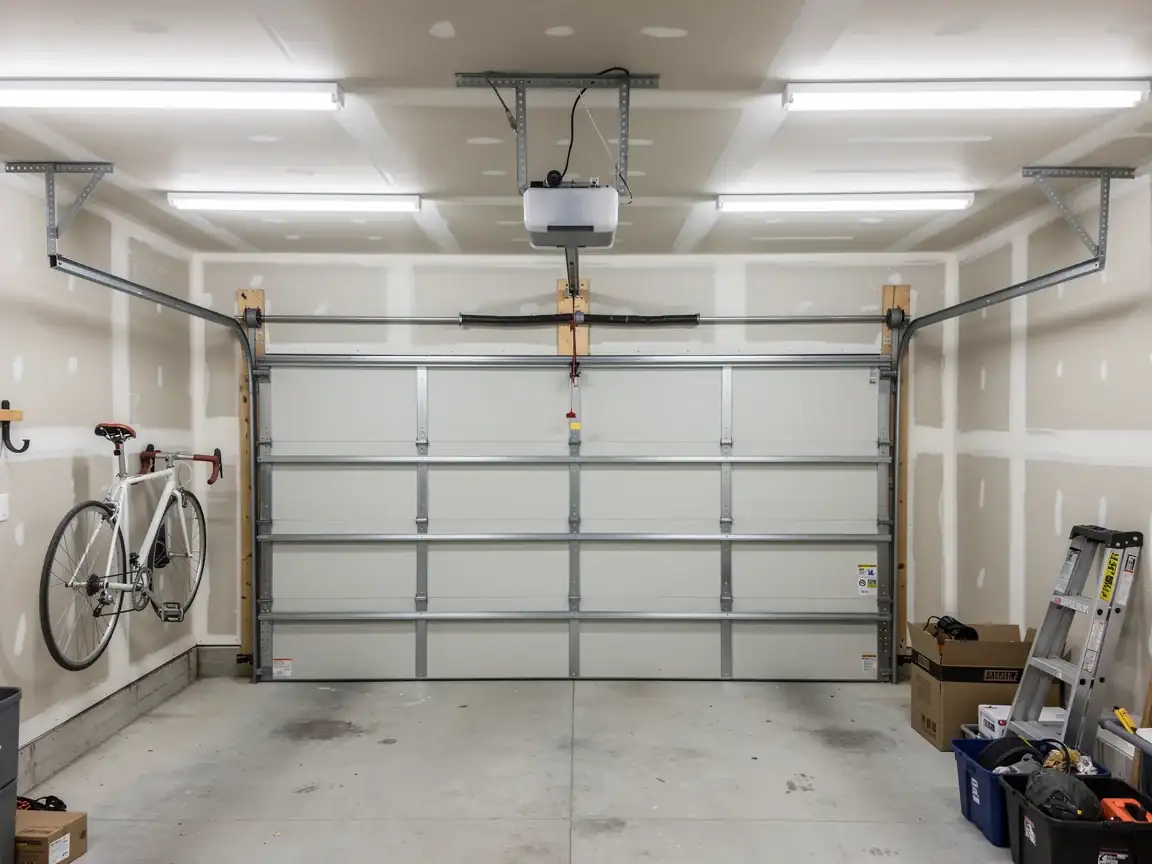
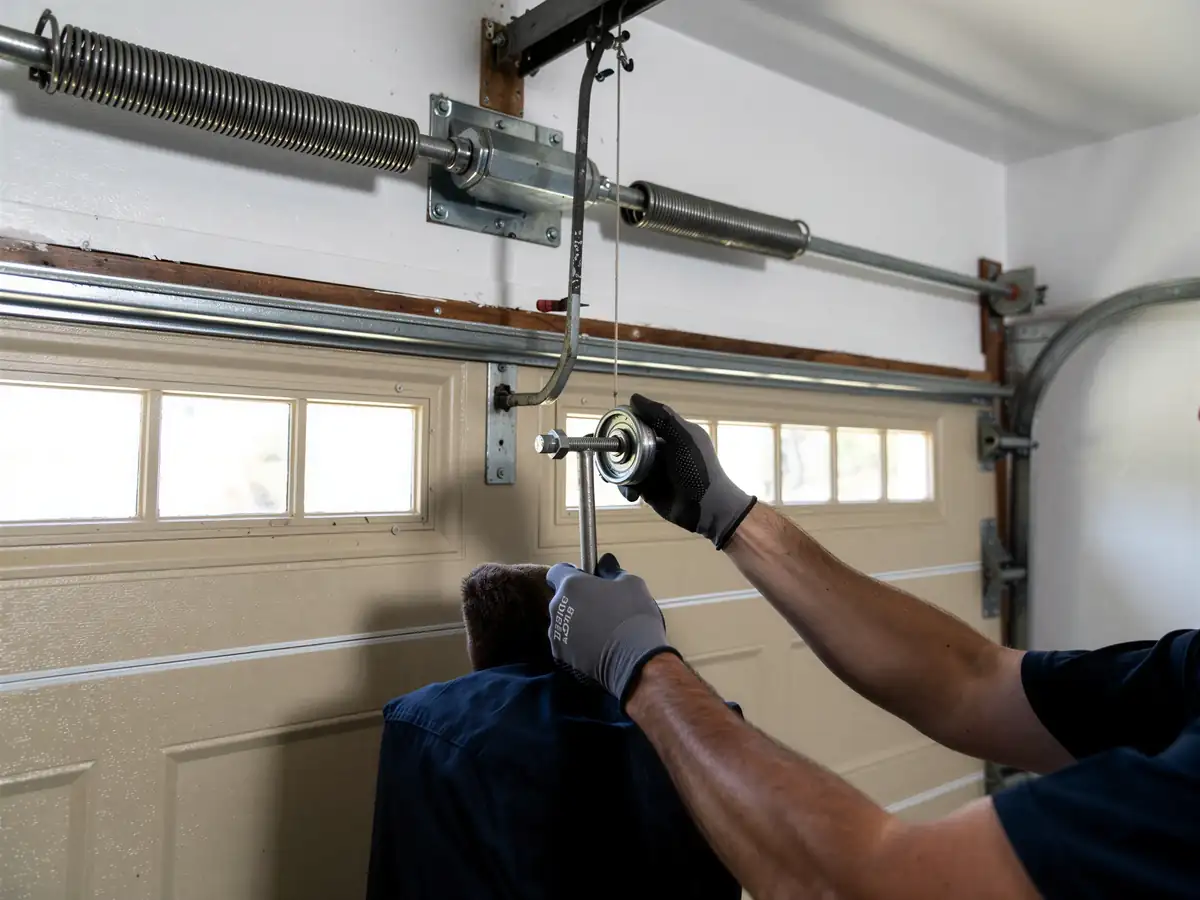
What you can't safely judge from the ground is the slow wear in the hardware itself. A lot of North Decatur's housing went up around 1974, and doors from that build era often still run original torsion hardware on steel tracks that have flexed for fifty years. The bearings in that hardware don't fail loud - they fail as a slight shudder that owners get used to and stop noticing. That's the part worth having someone look at with a hand on the shaft, not just an eye on the door.
One honest limit here: we don't do same-day emergency calls to North Decatur. We run out of Stockbridge, about 19 miles off, so maintenance and repair visits here get scheduled, not dispatched on the hour.
How It Shows Up
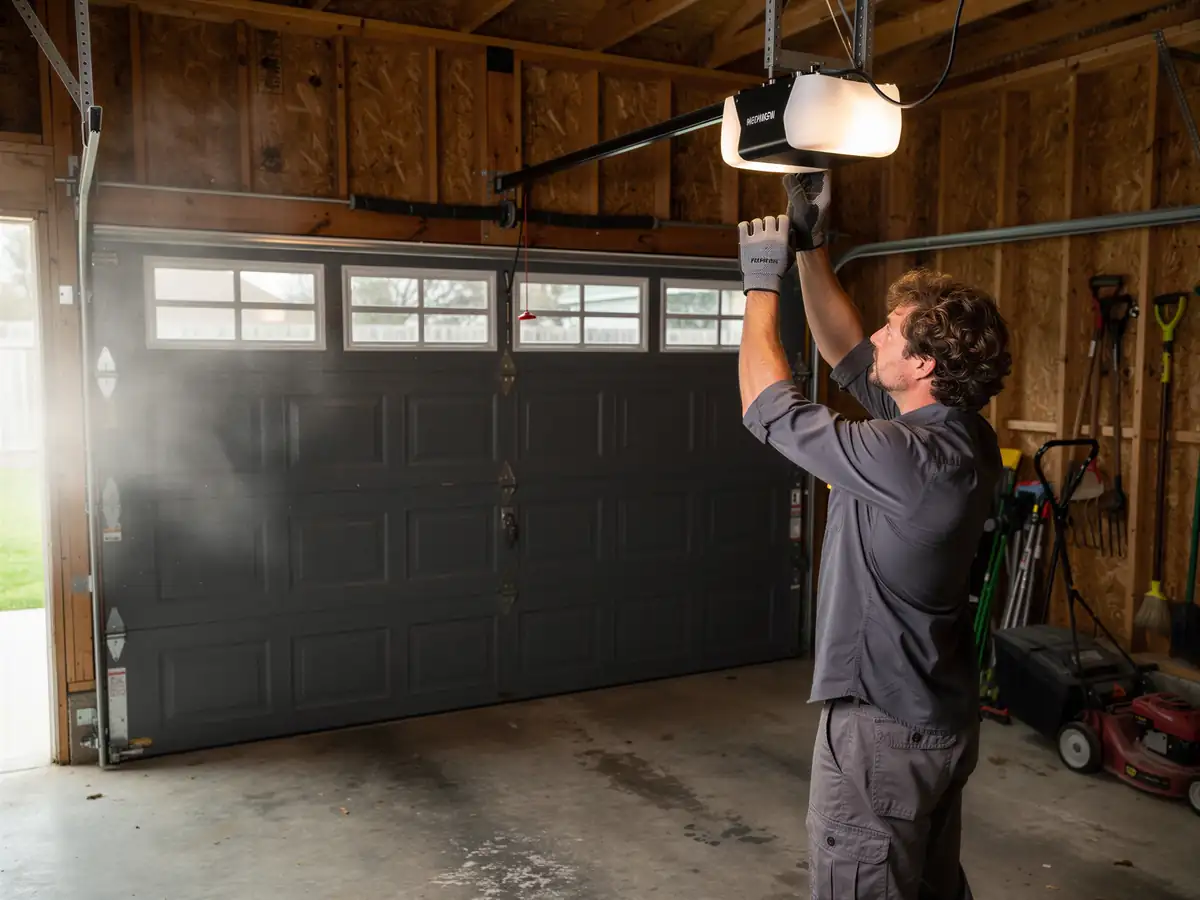
On a door this age, the first sign is usually a hesitation right at the top of travel - the opener strains for half a second before the door clears the header. That's the spring giving up its calibration, not the opener failing. A few months later you'll hear a flat thud on the way down instead of a smooth roll-out; that's a roller going dry or egg-shaped inside its track.
Cables fray at the drum end first, near the bottom bracket, and on houses built in the 1960s and 70s that bracket is often the original galvanized piece, not a replacement. It still works, but the zinc coating is thin after decades of seasonal temperature swings, and rust starts from the inside of the mounting hole where you can't see it until the cable finally slips.
The other pattern we see in this stretch of the service area: owners replace the opener motor once and assume the door is fixed for good, when the actual wear is in the springs and track hardware the opener was straining against the whole time. A new motor on tired springs just shortens the new motor's life too.
Why This Fails Locally
The region sits in a cold-moderate climate band
Which means steel hardware here goes through real freeze-thaw cycling every winter without the deep-freeze conditions that would make owners replace components on a strict schedule. That's actually the trap: nothing fails dramatically, so maintenance keeps getting pushed off, and the slow stuff - bearing wear, cable fraying, spring fatigue - just accumulates for another season.
Across the wider service area median household income sits around $62,299
But North Decatur itself runs well above that at roughly $110,366, and houses at that income level tend to have had more upgrades over the decades - a replaced opener, a newer bottom panel - layered on top of original 1970s track and spring hardware that nobody thought to touch because the door still opened fine. Mixed-vintage systems like that are exactly where maintenance visits catch something a casual glance misses, because the newest and oldest parts are rated for different loads and wear at different rates.
How to Book
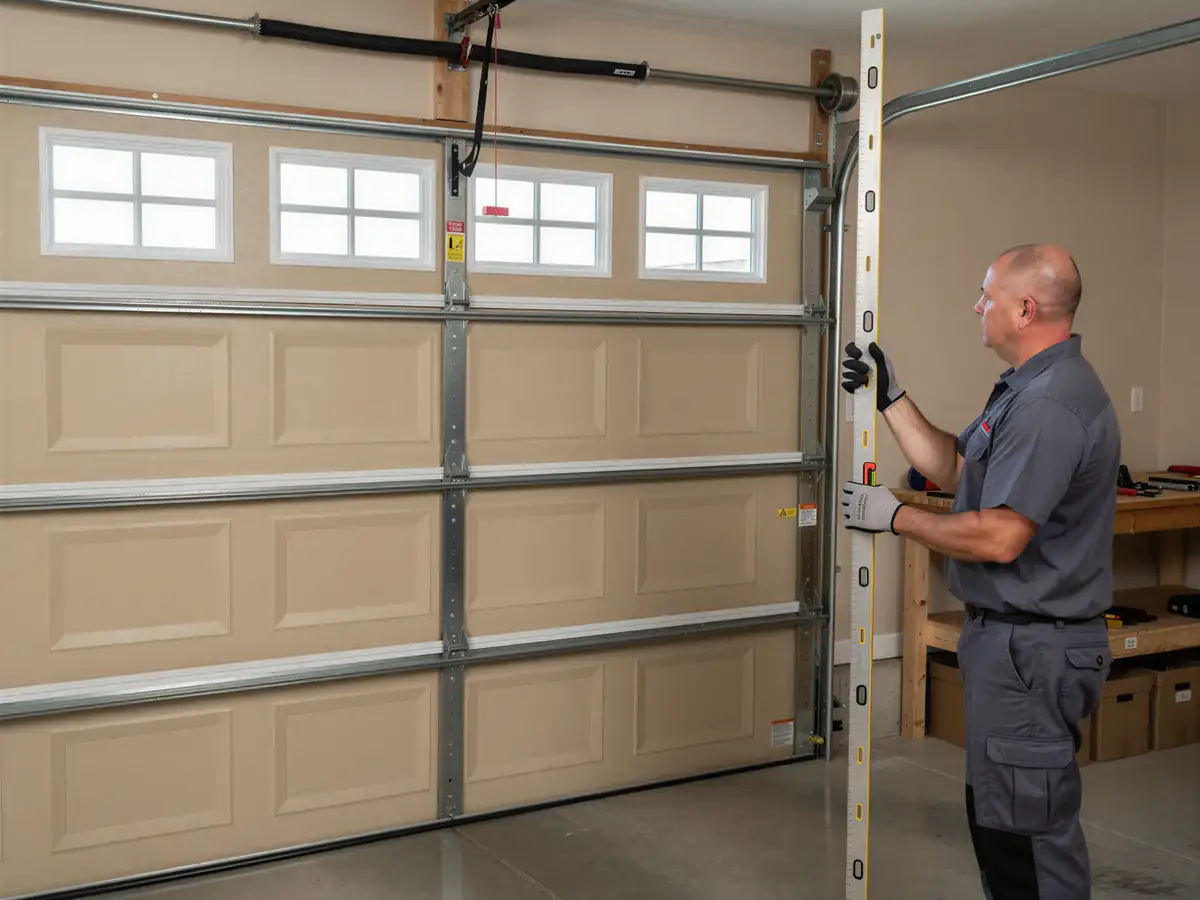
We schedule North Decatur maintenance visits from our Stockbridge base, about 19 miles away, so book ahead rather than expecting a same-day slot. A standard visit covers spring tension check, track and roller inspection, cable condition at the drum, and opener force settings - the things that matter most on a door built in the 1974 era, where the original hardware is still doing most of the work even if parts around it have been swapped out.
If you're not sure whether you need a maintenance visit or a repair call, start on the North Decatur service page and describe what you're hearing or seeing; a slow-opening door and a grinding door point to different problems and different visits. For the full rundown of what maintenance covers across the Stockbridge area generally, that's on the main maintenance page, though the specifics for your door depend on when your house was actually built, not just the neighborhood average.