Can You Do This Yourself
Before you talk about swapping a panel, know what you're dealing with. North Decatur's housing stock centers on 1974, which means a lot of these garage doors are original or close to it - single-layer, unreinforced steel sections bolted onto hardware that was never built to come apart easily. Pulling one panel off a door that old usually means fighting rusted hinge bolts, stripped screws, and a section that's slightly warped from forty-plus years of expansion and contraction in a cold-moderate climate.
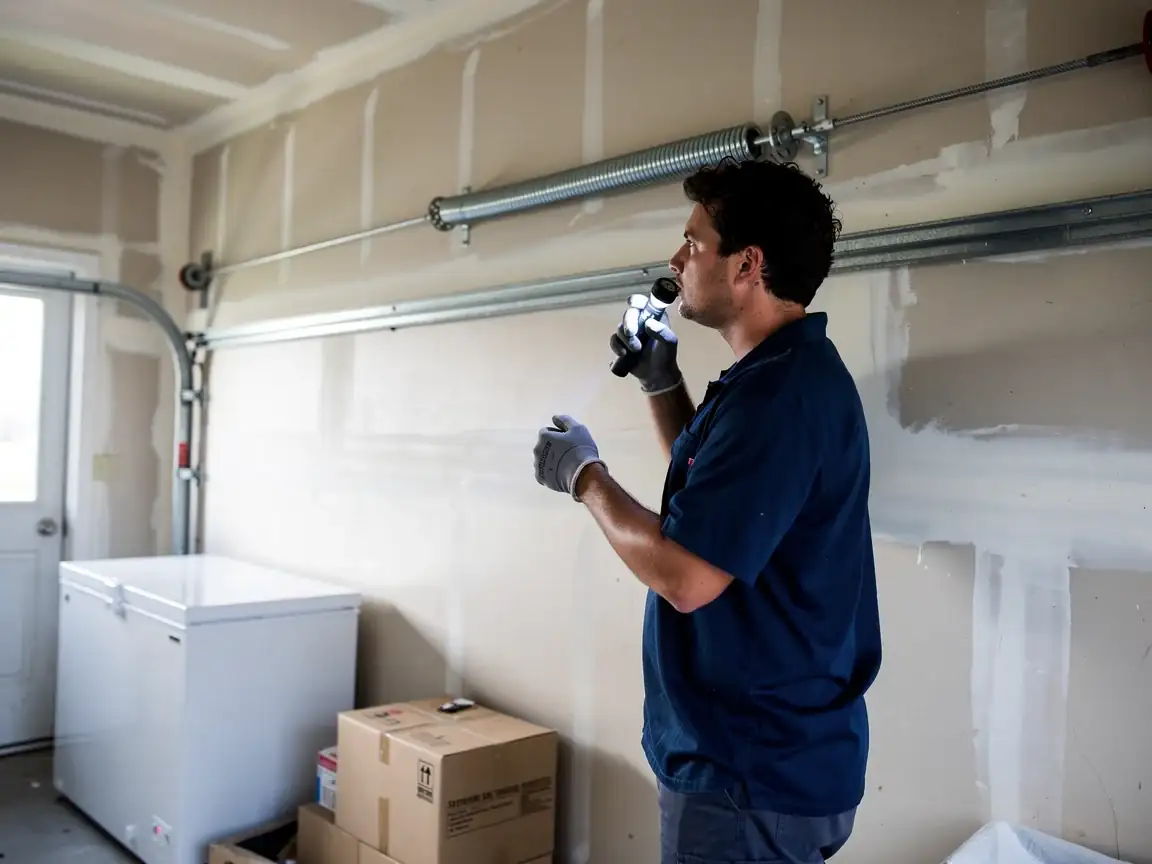
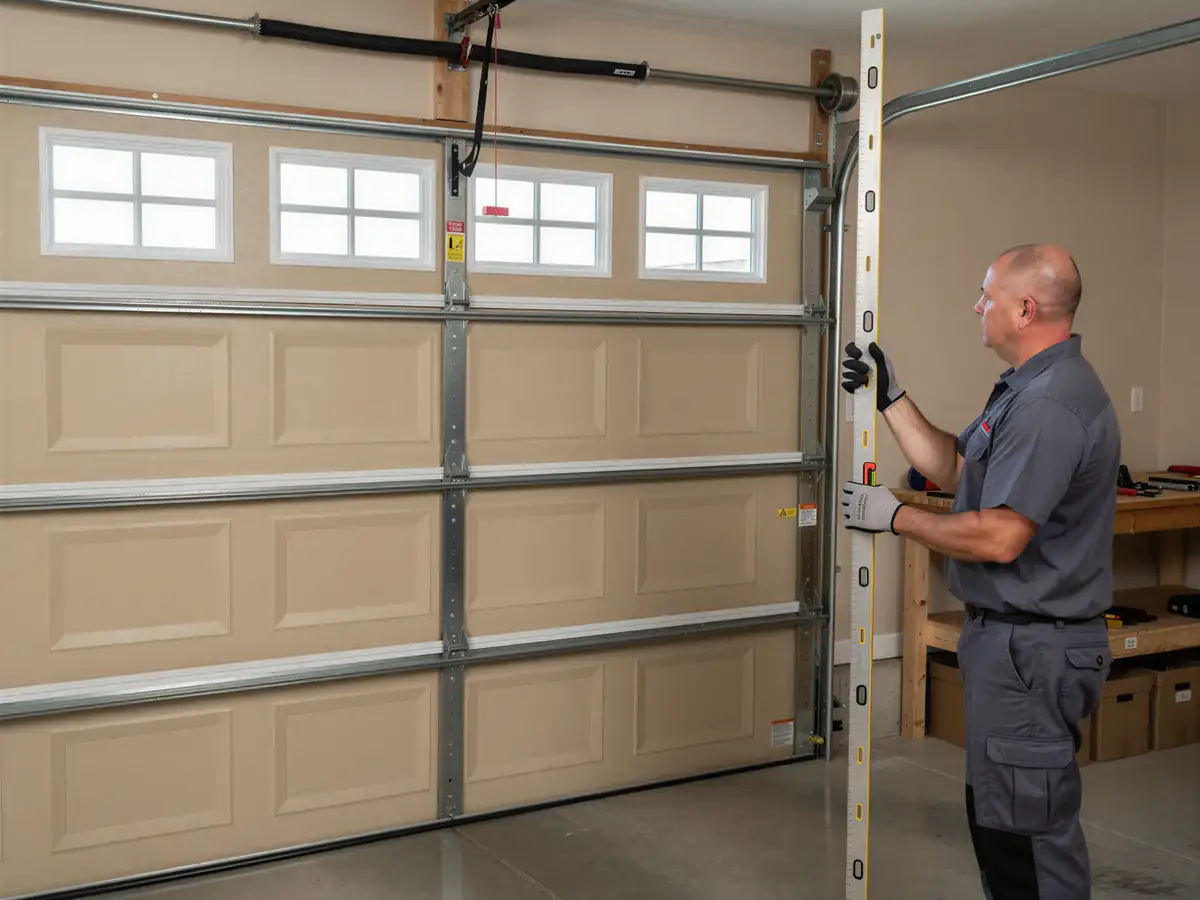
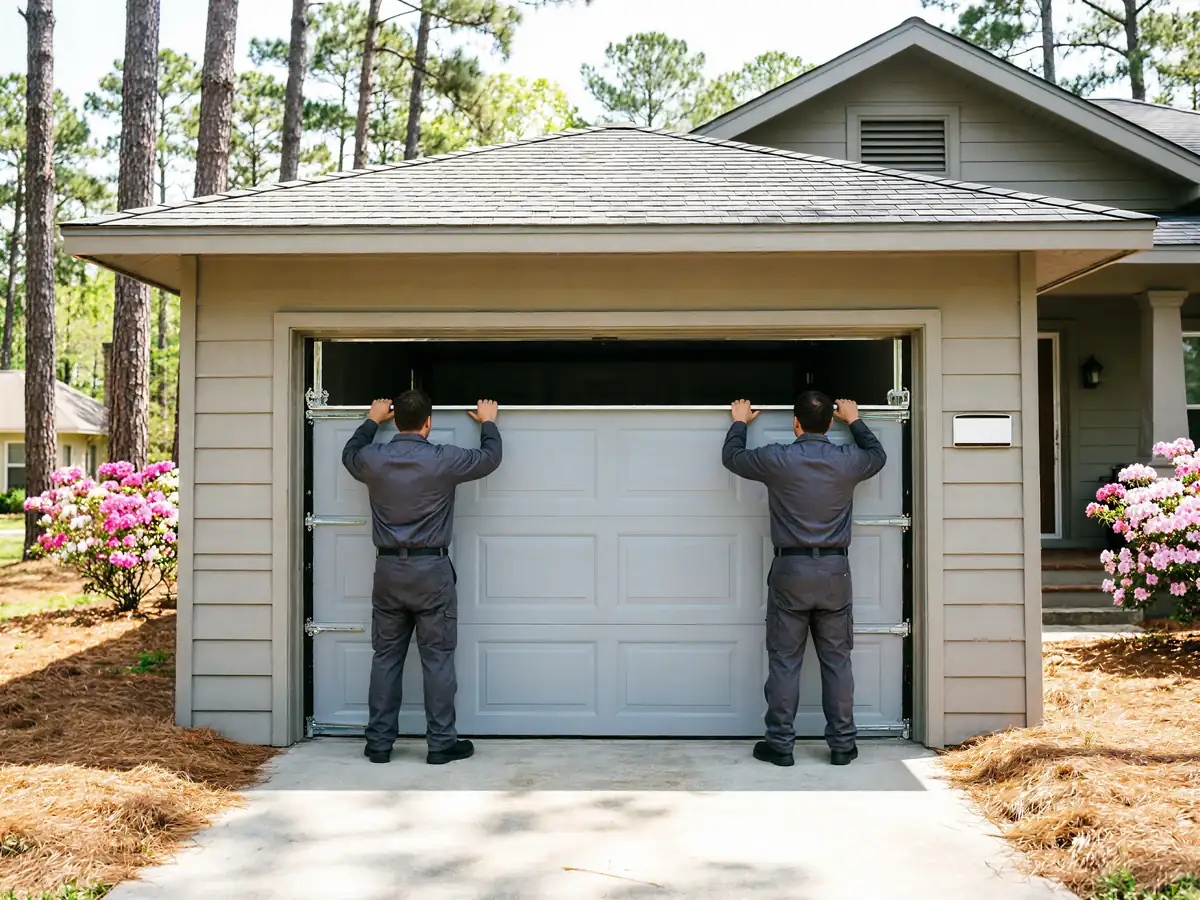
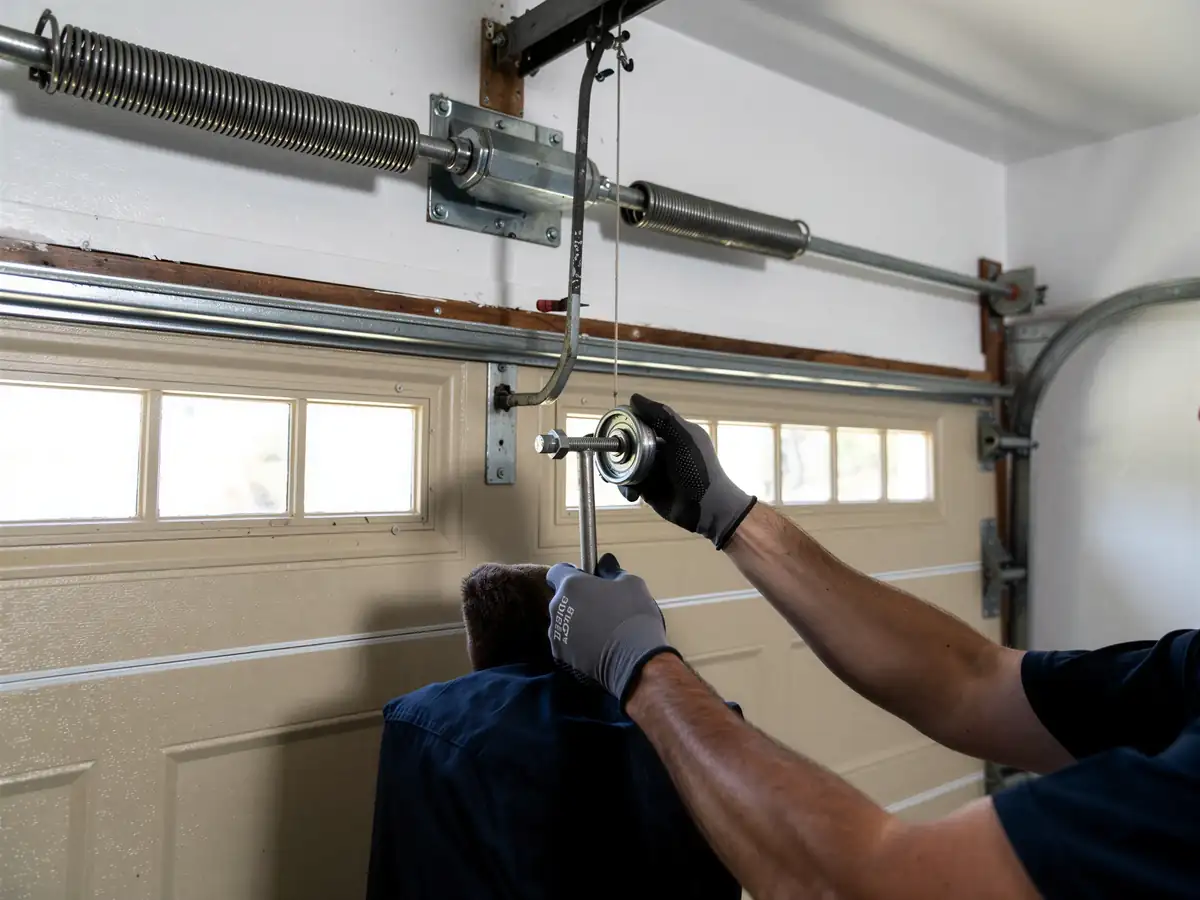
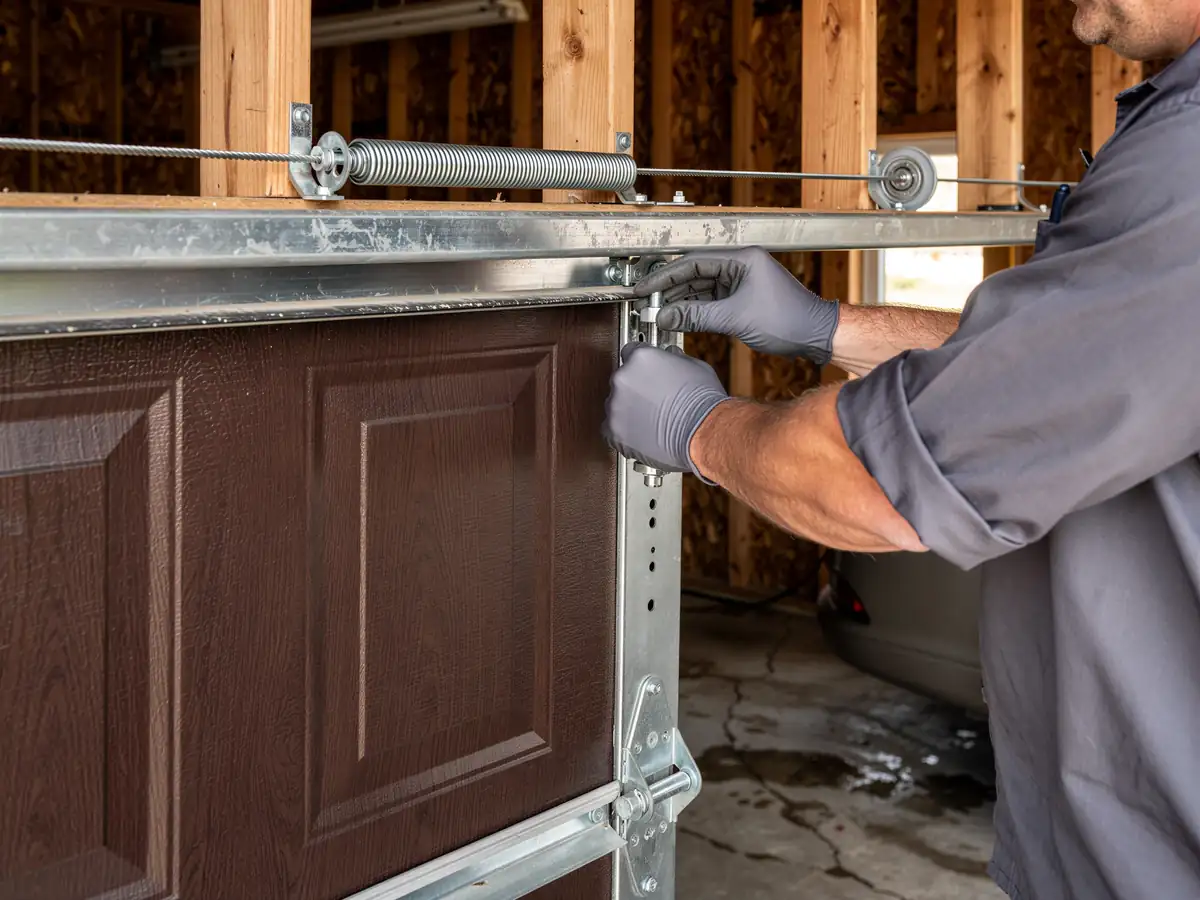
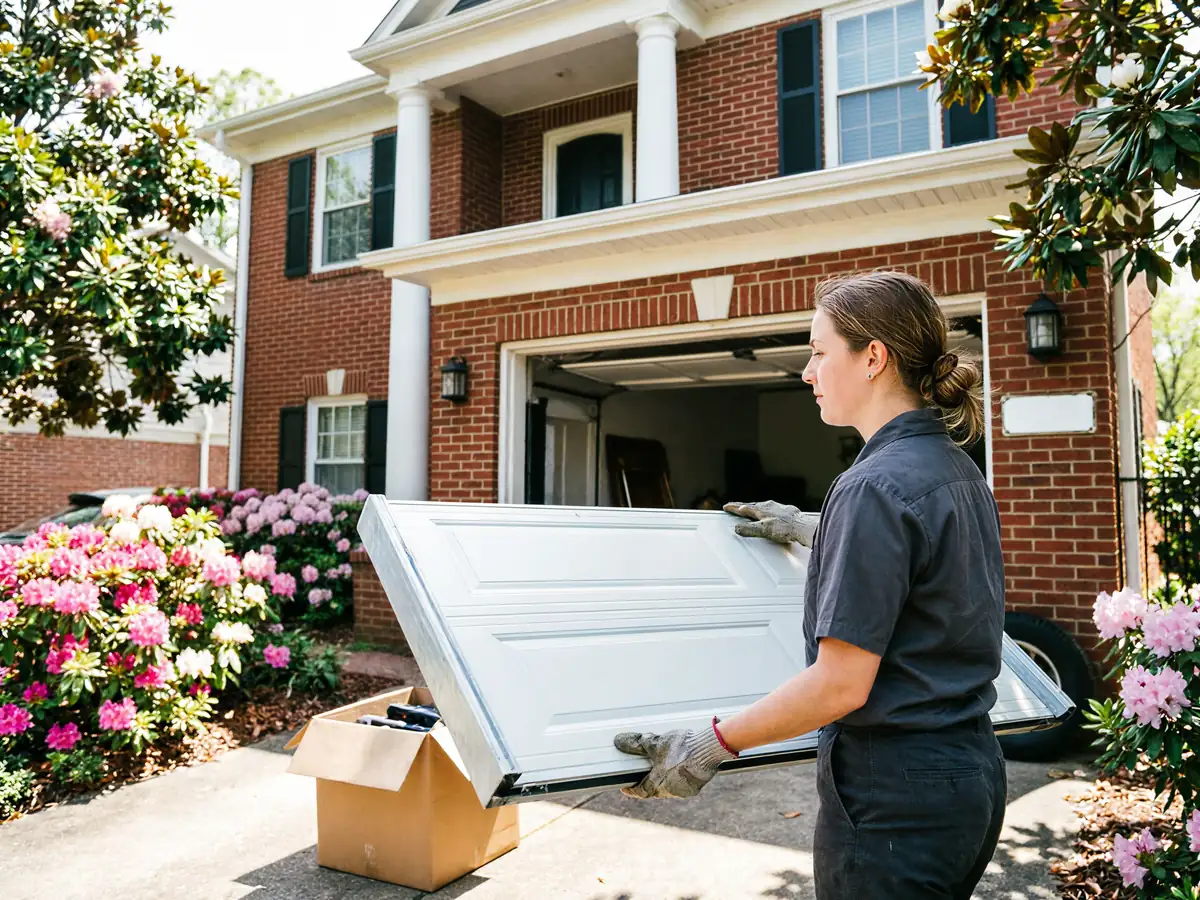
A new panel has to match the existing door's width, curve profile, and hinge spacing, or it won't track straight. On a door this age, those specs often aren't sold off the shelf anymore. You can replace a roller or a cable end yourself with the right tools. Swapping a structural panel on a door from this era is a different job - one bad panel throws the whole door out of square, and a door that's out of square puts stress on the opener and the springs next. If you've got a torque wrench, patience, and a second set of hands, you can get partway there. Most owners call before they've pulled the second bolt.
How It Shows Up
The call we get from this part of North Decatur usually starts the same way: a dent from a car bumper or a basketball, or a bottom panel that's rusted through near the weatherstrip. On a 1974-era steel door, rust doesn't stay cosmetic for long - it works along the seam where the panel meets the track roller, and once that seam weakens, the panel starts to bow under its own weight every time the door cycles.
Some owners notice it as a scraping sound low on the track. Others see daylight at the bottom corner that wasn't there last winter, which usually means the panel has pulled away from the hinge just enough to let the door bind. Because houses here run from the late 1930s through the mid-2000s with 1974 as the center point, we see a real spread: some panels are original steel, some are later aluminum retrofits from a prior repair, and the two don't interchange. Matching the right panel to the right door starts with figuring out which generation of hardware is actually on the house.
Why This Fails Locally
Two things make panel replacement in North Decatur different from a newer subdivision
First, the age: with the housing median sitting at 1974, a lot of these doors predate the standardized panel widths and hinge spacing that most manufacturers build to now. A door from that era often needs a panel cut or ordered to match, not pulled off a shelf.
Second, the income profile here runs well above the service area's overall median
North Decatur sits around $110,366 against a broader area median of $62,299. In practice that means more owners here ask us to match the existing panel style exactly, keeping the rest of a door that still has decades of life left, rather than replacing the whole unit. That's a reasonable call on a door that's structurally sound apart from one bad section. It's not always the cheaper option once you account for a custom color or finish match, and we'll tell you that up front rather than quote a job that turns into three follow-up visits.
How to Book
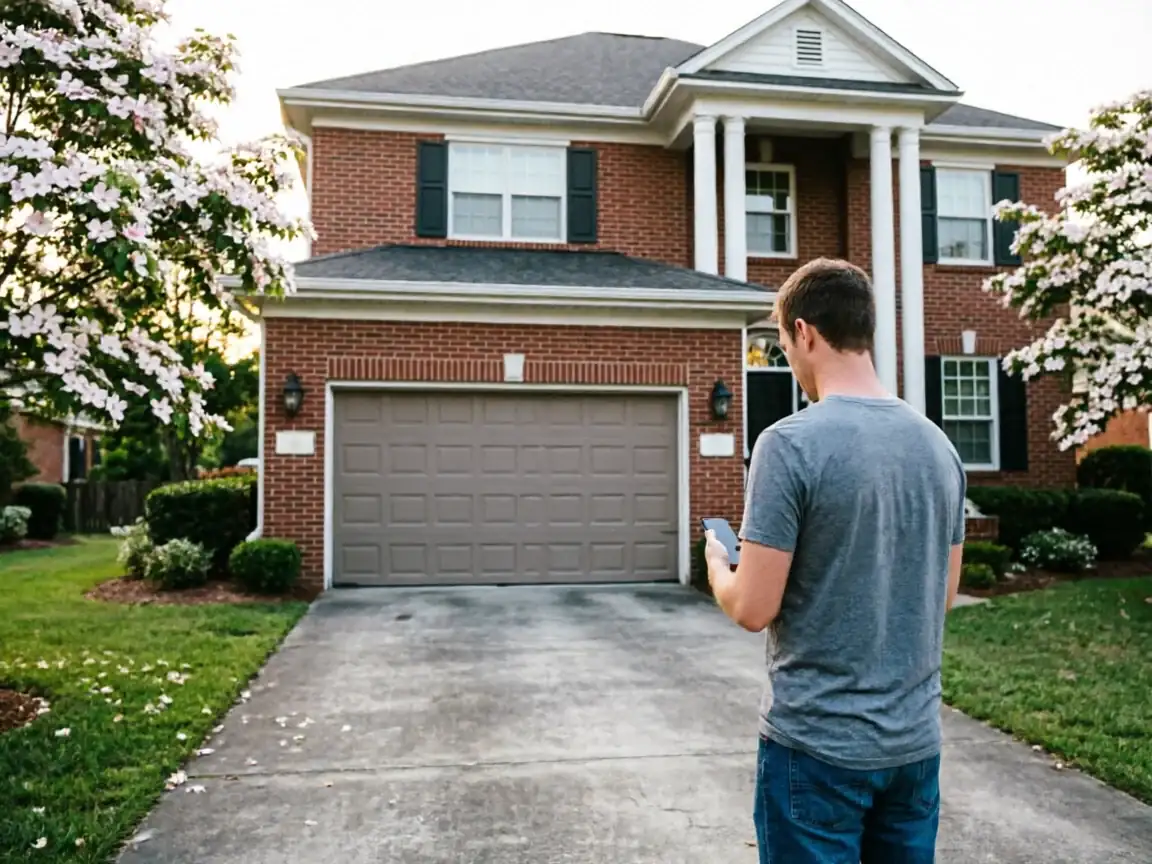
We run this job out of our Stockbridge shop, and North Decatur is about 19 miles out - far enough that we build the trip around a confirmed appointment rather than a same-day drop-in. The most useful thing you can do before we arrive is get us the door's rough age (the house's build year is a solid stand-in) and a few photos of the damaged panel, including the hinge area. That lets us check whether we're matching steel to steel or dealing with a retrofit panel from an earlier repair, before the truck leaves Stockbridge.
For general repair work beyond panels - openers, springs, tracks - see our North Decatur garage door service page. If you're comparing panel replacement against a full door swap, our Stockbridge panel replacement page covers the broader decision in more detail.