How Long You Are Without the Door
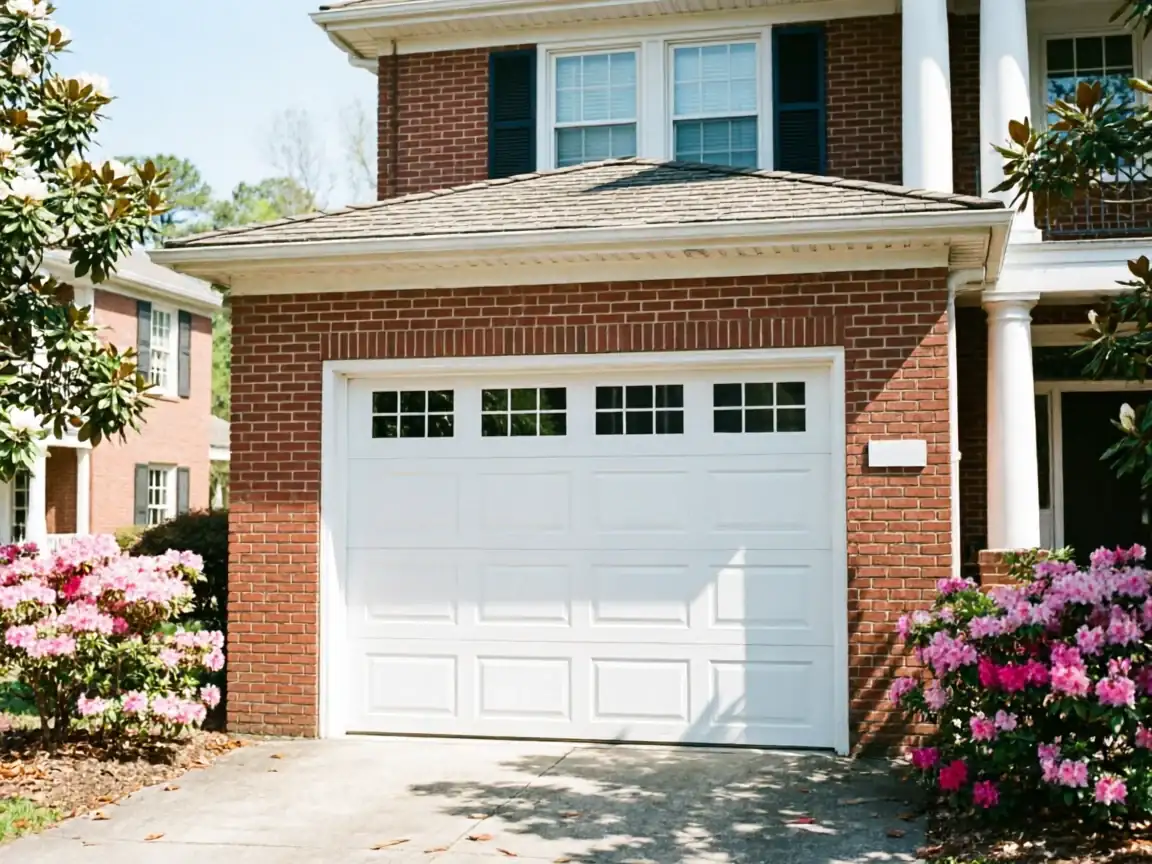
Redan sits about 15 miles from our shop in Stockbridge, which is the honest starting point for any emergency call here. We don't have a branch in Redan and we're not going to pretend otherwise - every truck comes from Stockbridge, and that drive is part of the math on any call. What we can tell you is what we're driving into: Redan's housing stock runs newer than much of the wider service area. Across the 29 communities we cover, the median build year is 1974, but Redan's homes mostly went up around 1985. That's a full decade's difference in door hardware, opener wiring, and track mounting, and it's the detail that actually changes how a call here unfolds once the truck arrives.
A stuck or off-track door in a home built in 1985 is a different animal than one in a 1960s house. The openers are more likely to be early chain-drive units with circuit boards instead of pure relay logic, and those boards fail in ways a 1960s mechanical opener never will. We're not going to promise a response window we don't have data to back - what we can do is show up with stock sized for mid-80s hardware, which is more often what we find once we're on-site in Redan.
What You Pay
Redan's median household income sits at $63,226, close to the $62,299 median across our whole service area, and that similarity matters more than it sounds - it means pricing here tracks the same range we quote elsewhere, not a premium tier and not a discount one. With roughly 11,078 households in Redan against 95,226 across the full area we cover, it's a smaller pocket, but not a different market.
What drives the bill on an emergency call isn't the town, it's the job: a broken torsion spring on a double door costs more in parts than a single roller swap, and a opener board replacement on an '80s-era chain drive runs differently than a simple sensor realignment. We don't post a flat emergency rate because the honest answer depends on what's actually broken, and we're not going to quote blind over the phone and then surprise you at the door.
What the Fix Involves
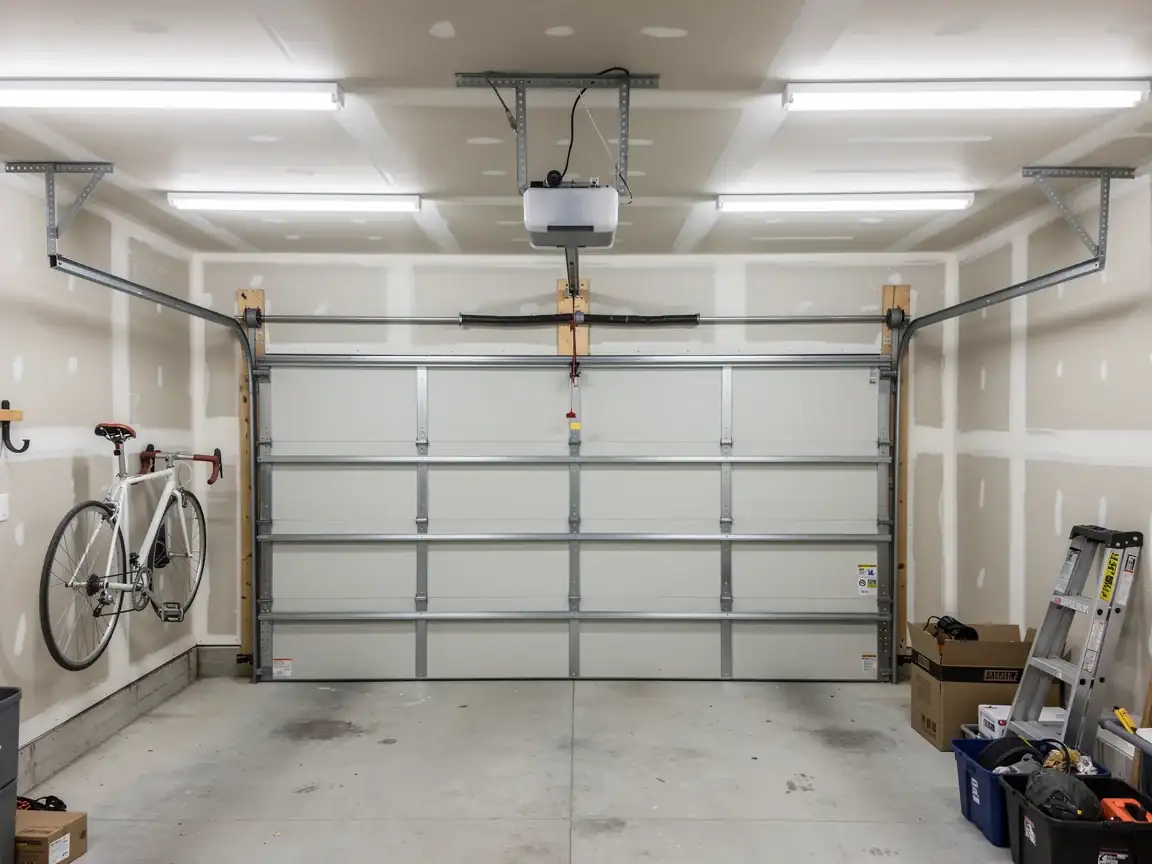
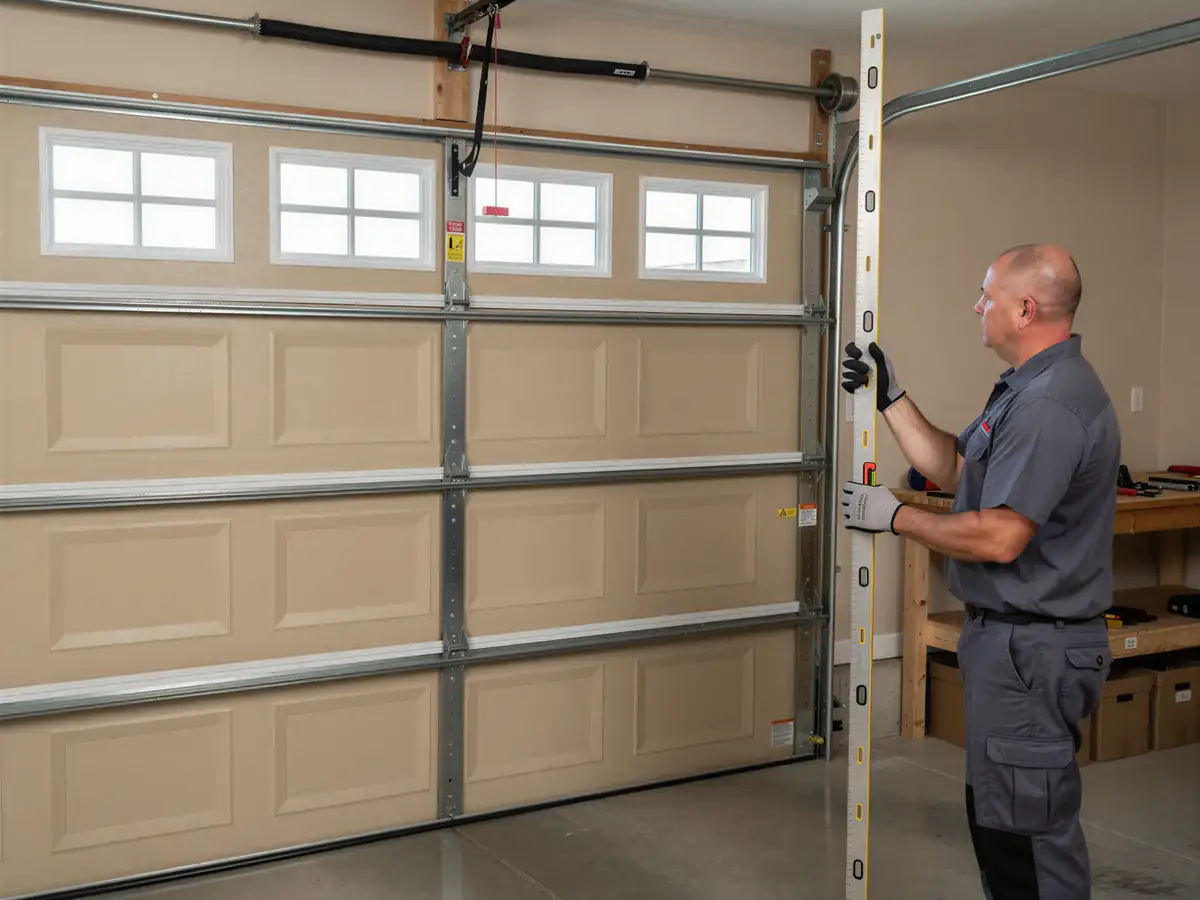
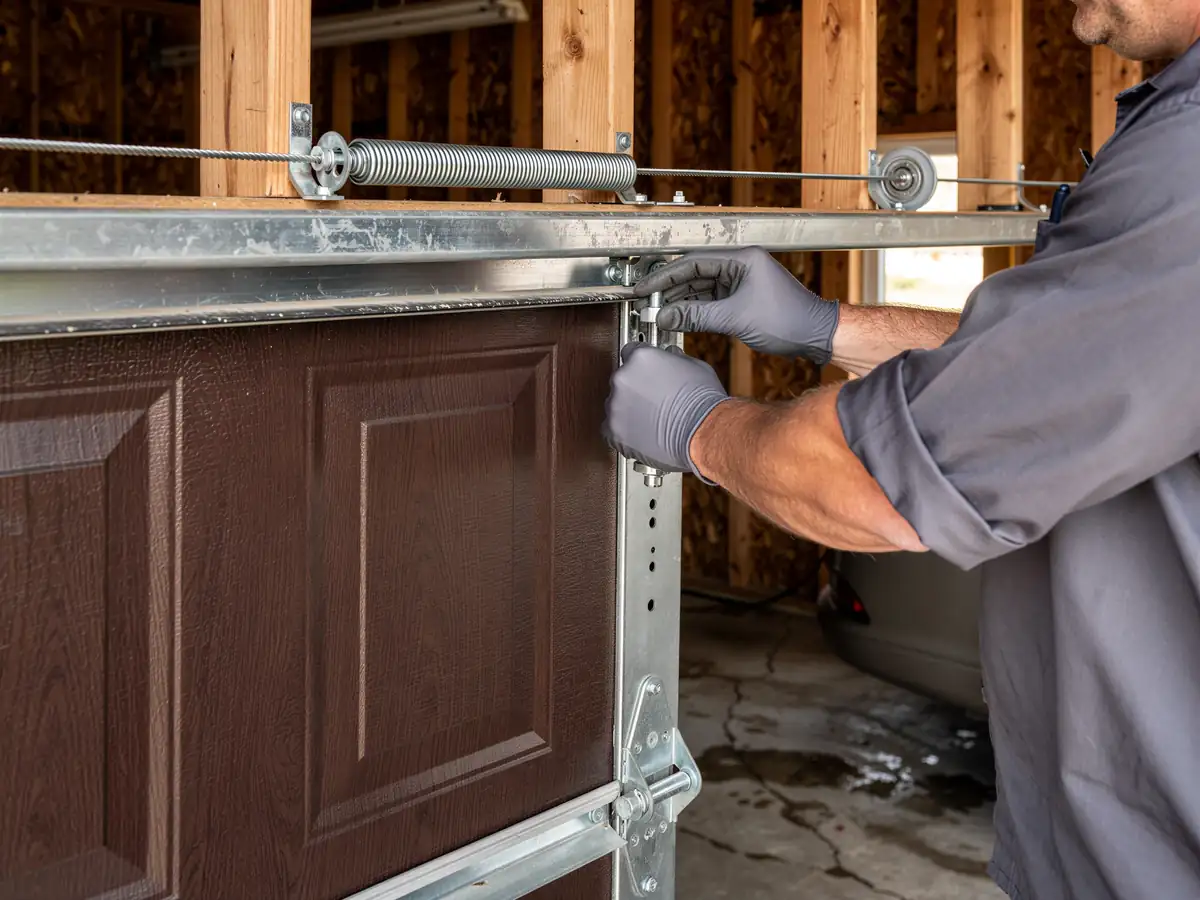
On a house built around 1985, the door is almost always a sectional steel panel door on an extension or torsion spring system
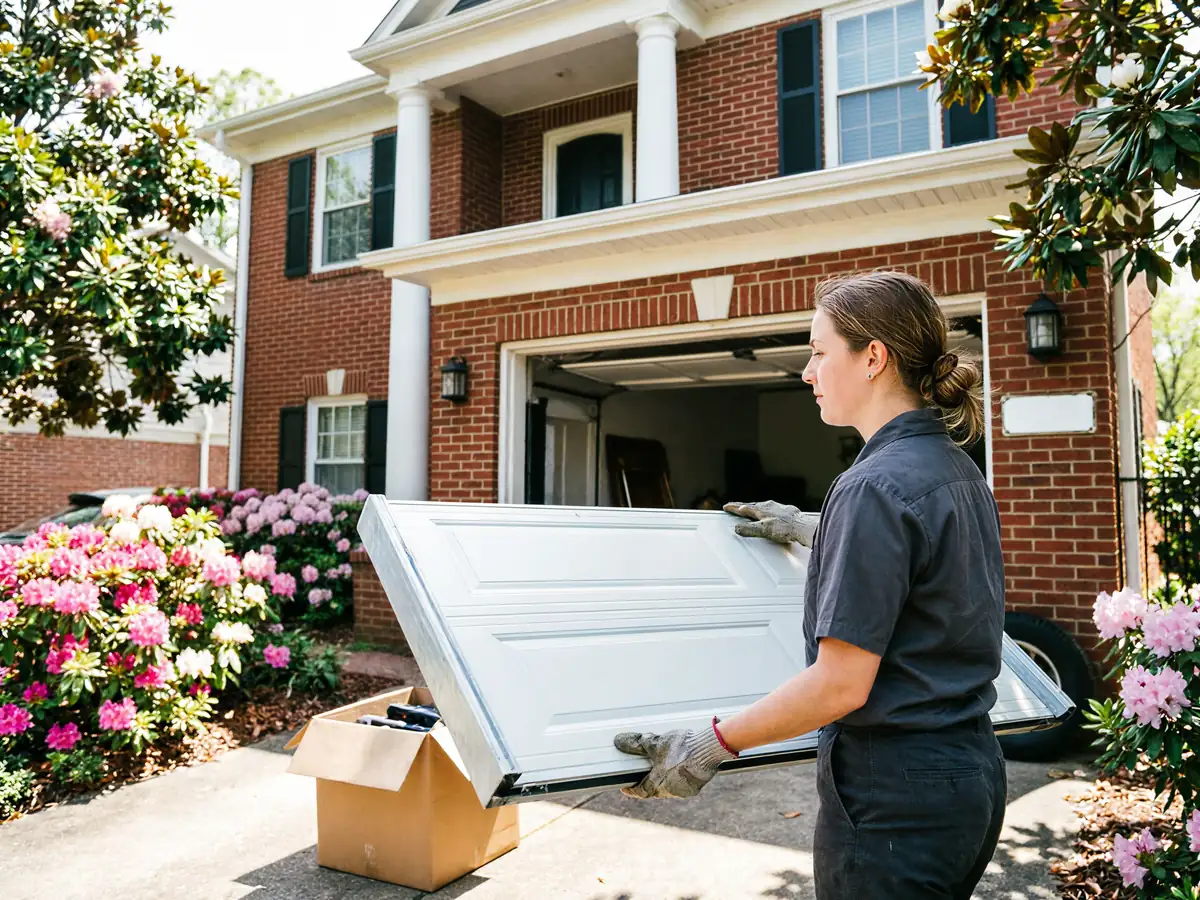
Not the older one-piece slab doors you still see in the service area's oldest pockets built back in the late 1930s and 40s. That's good news for parts - sectional hardware from the mid-80s is more standardized than the older stuff, so a broken cable, a bent track, or a snapped spring usually has a straightforward repair path.
The opener is the trickier piece
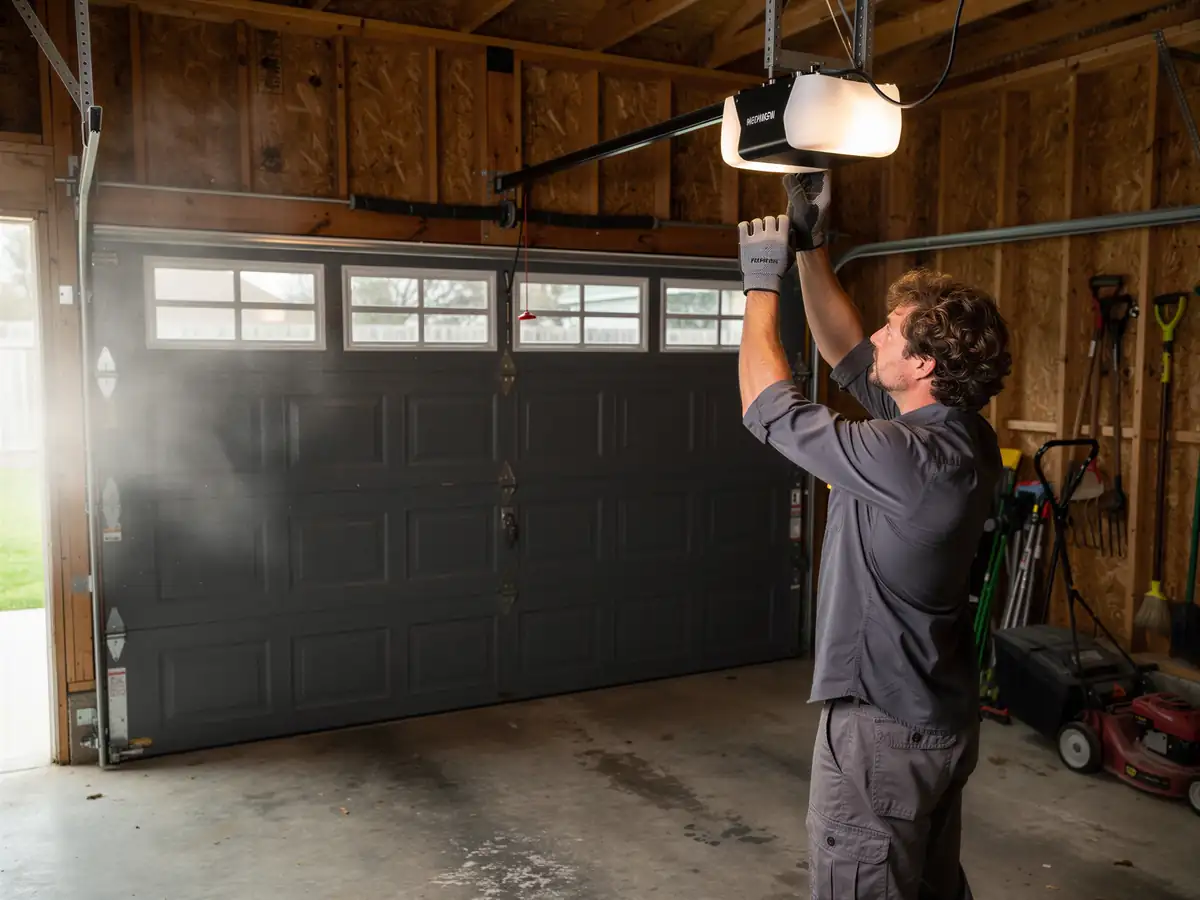
A chain-drive unit from that era can still be running its original motor and board, and when that board goes, the replacement part may already be out of production. In that case we're not fixing the old board - we're swapping in a compatible modern opener head onto the existing rail, which is a different job and a different invoice line than a straight repair. We'll tell you which one you're looking at before we start, not after.
Why This Fails Locally
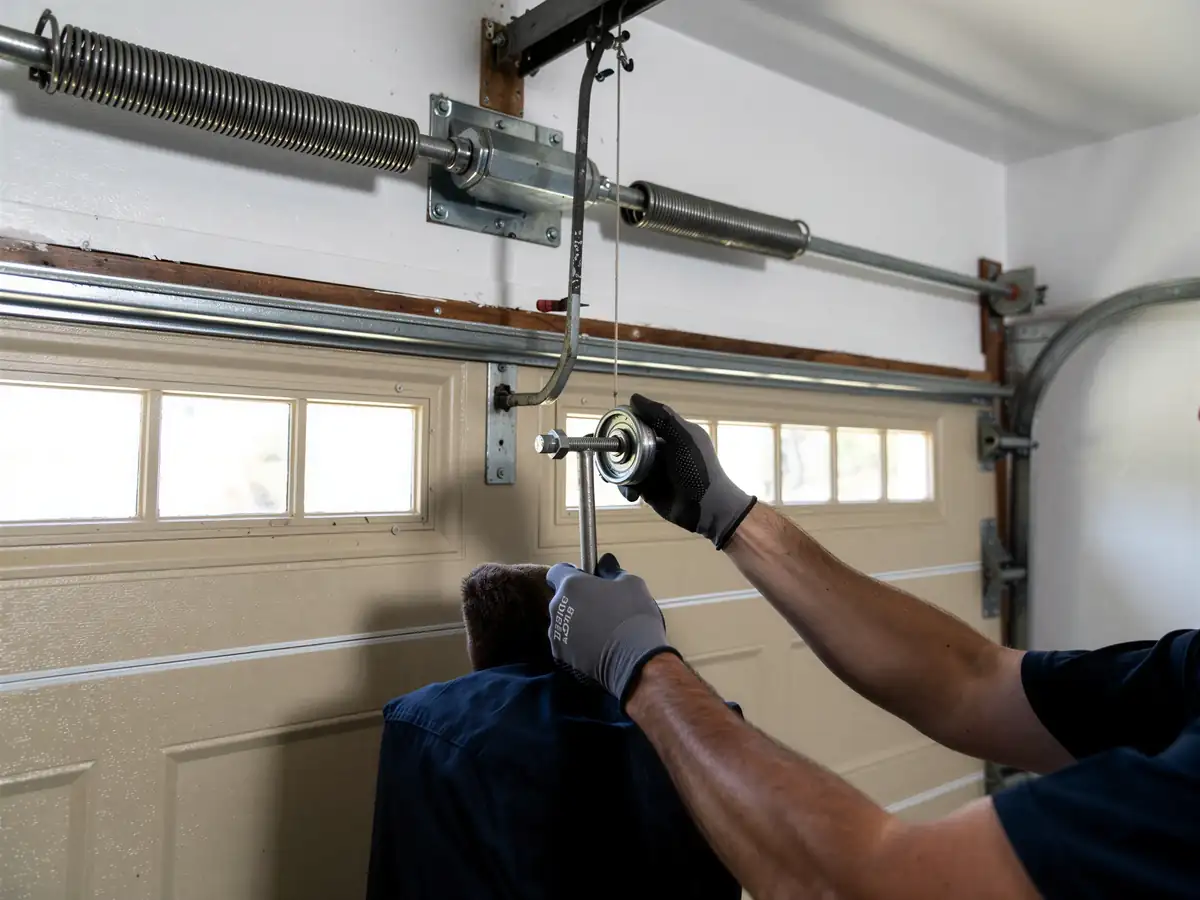
Our climate band here is cold-moderate, which doesn't sound dramatic until you've watched a torsion spring snap on the first hard cold snap of the season. Steel contracts in the cold, and a spring that's been slowly fatiguing all year picks the coldest morning to let go - that's not a Redan-specific event, but it's a real one, and it hits houses built in the mid-80s on their original springs just as hard as it hits anything older.
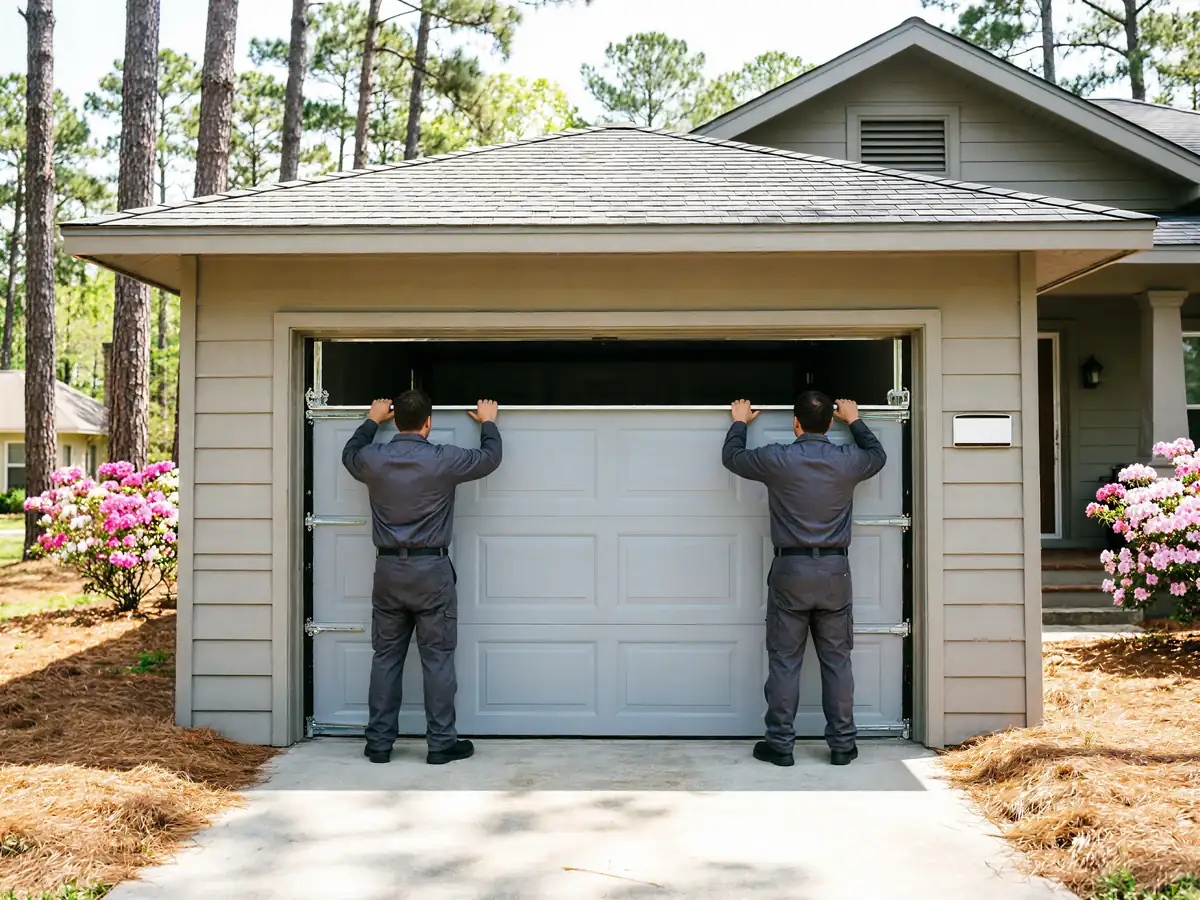
What is more specific to a 1985-era house: the garage itself is more often attached and insulated than in the service area's older stock, which means a failed door isn't just a security problem, it's a heat-loss problem for the room next to it. A door stuck half-open in an attached garage in cold-moderate conditions is losing heat into the house directly, not just into an open-air carport like you'd find on some of the area's older builds.
The Complications
The complication we see most in houses from this build era is a door that's been