How Long You Are Without the Door
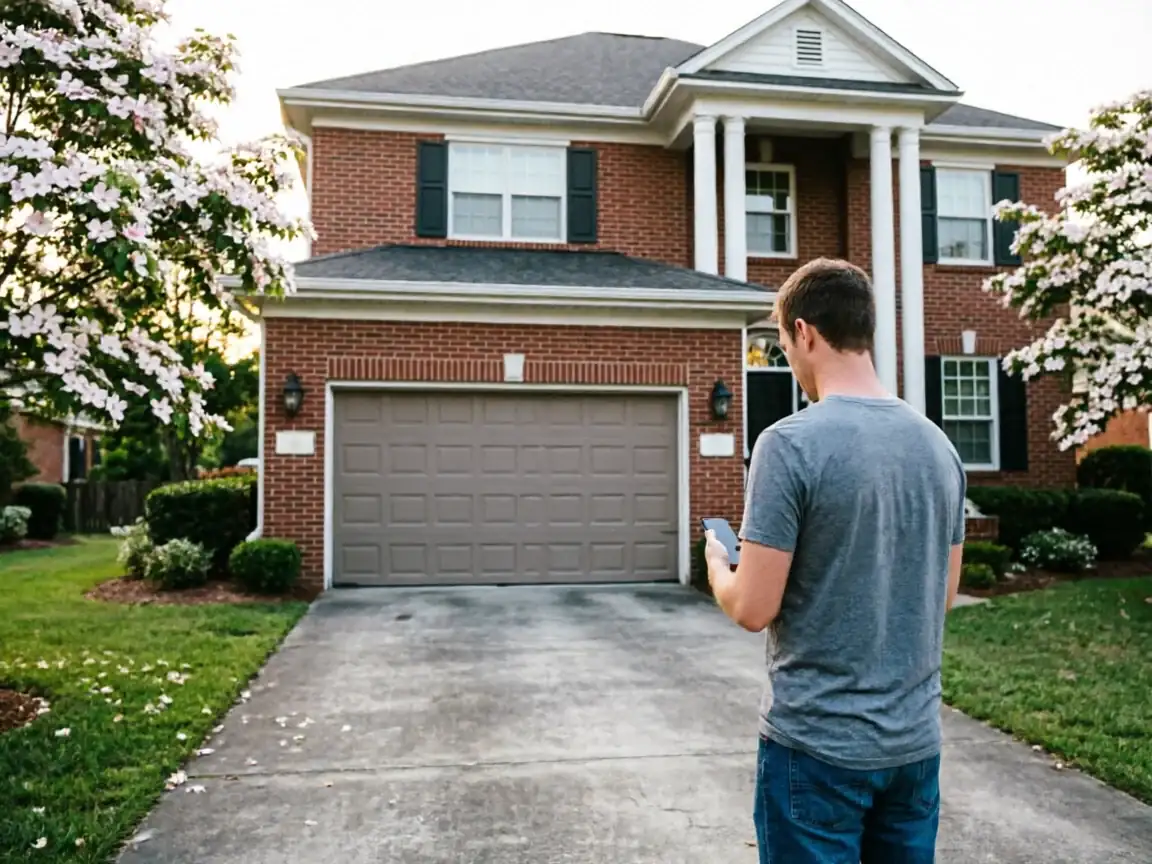
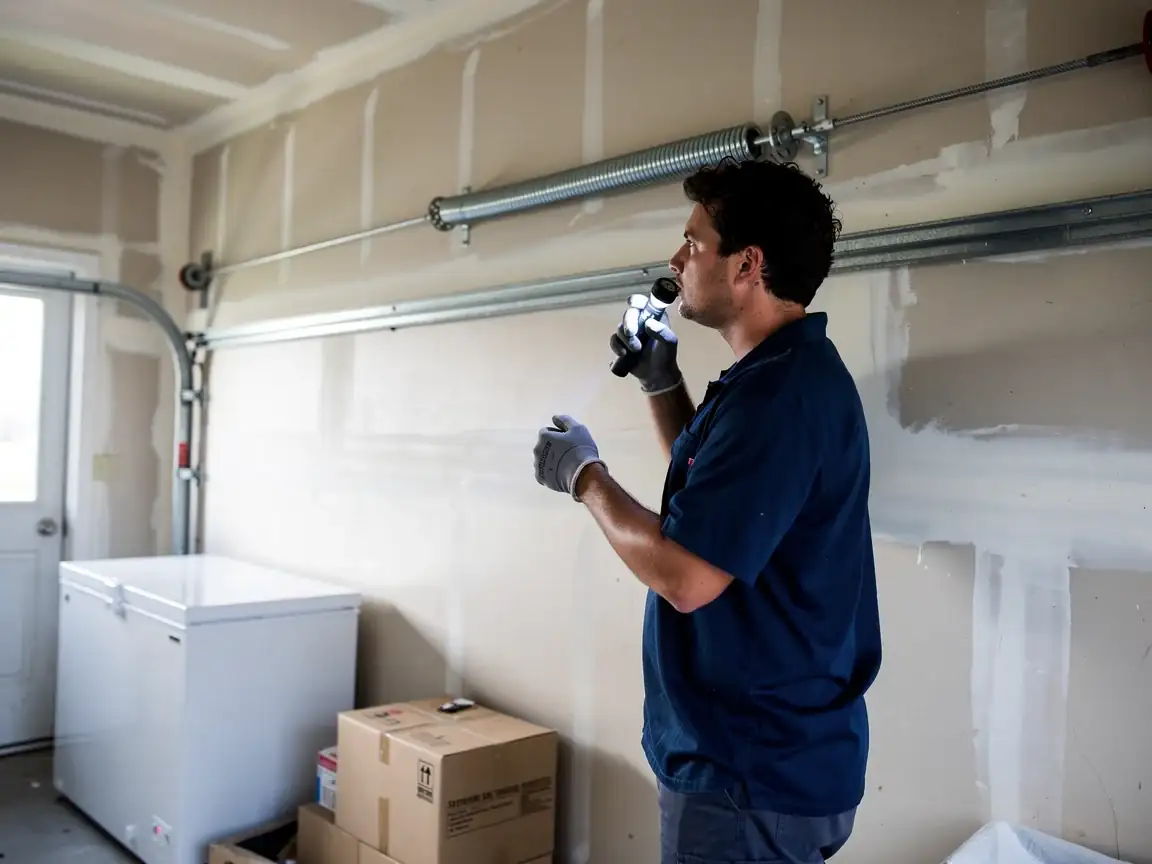
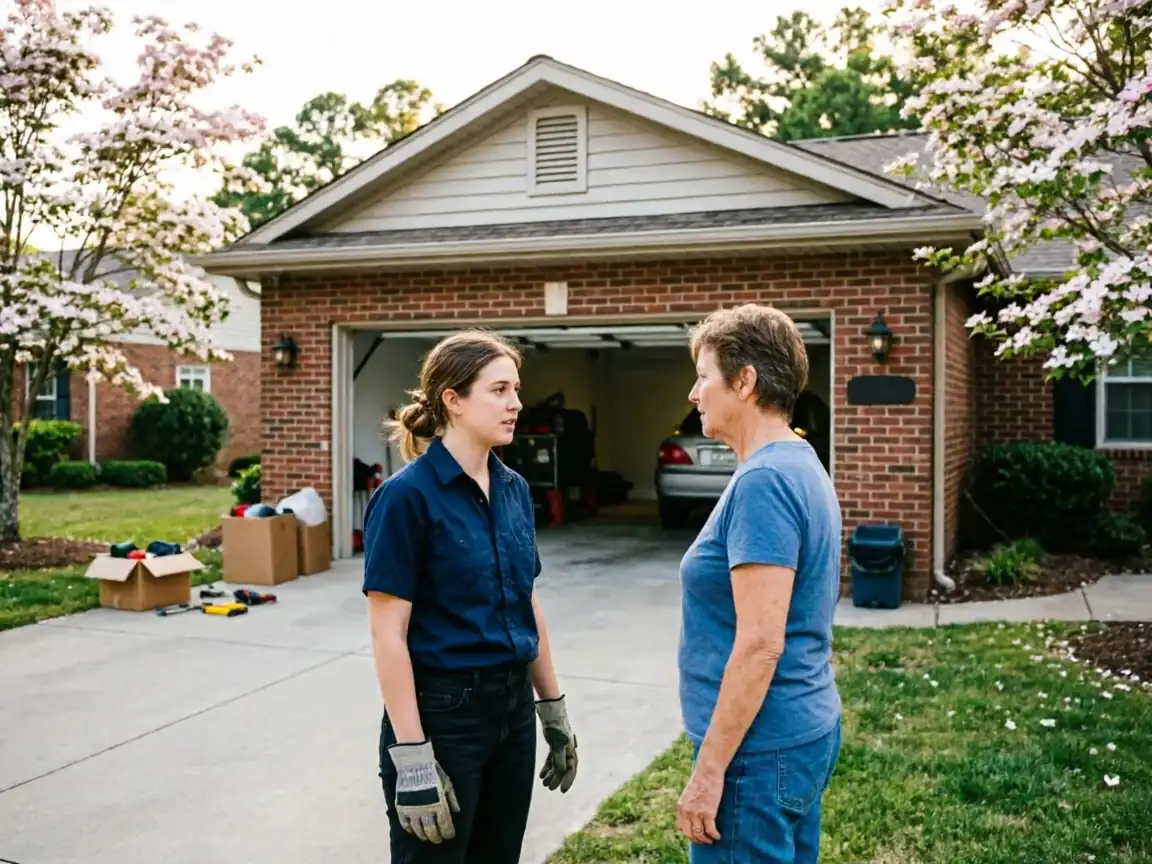
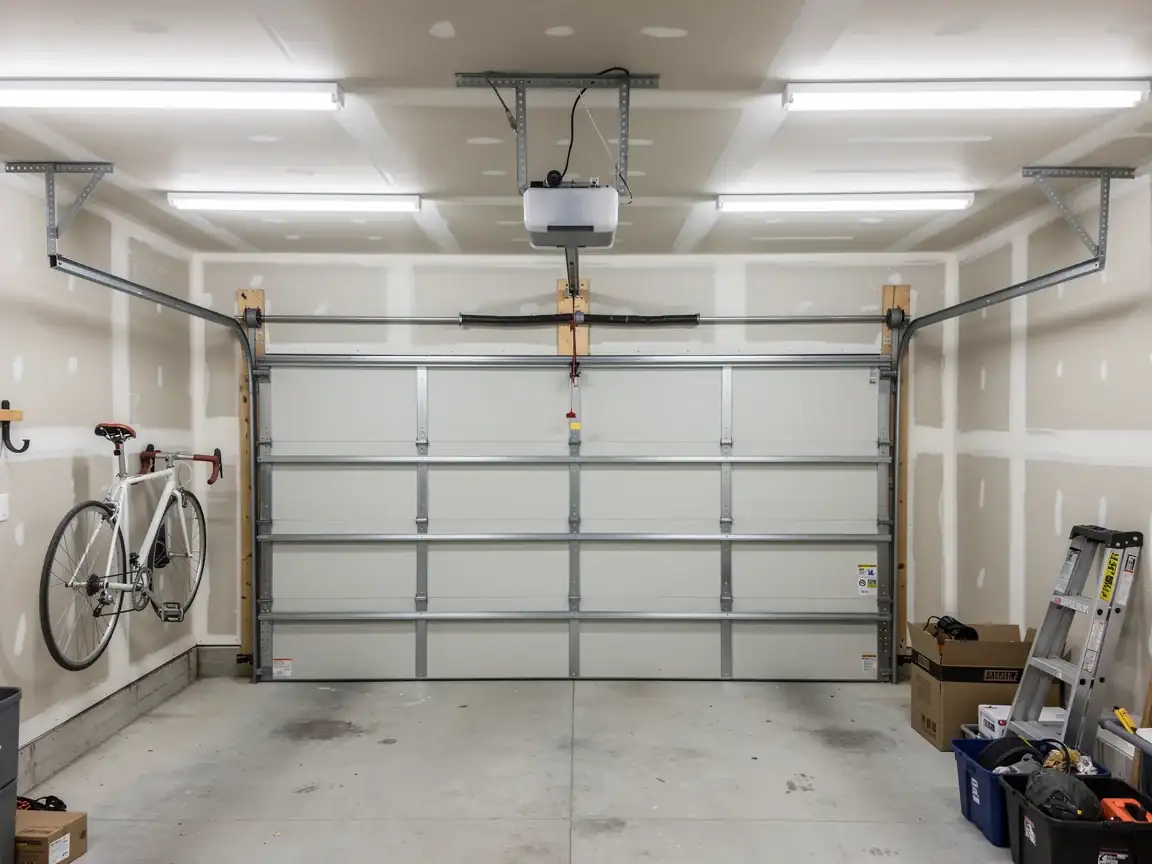
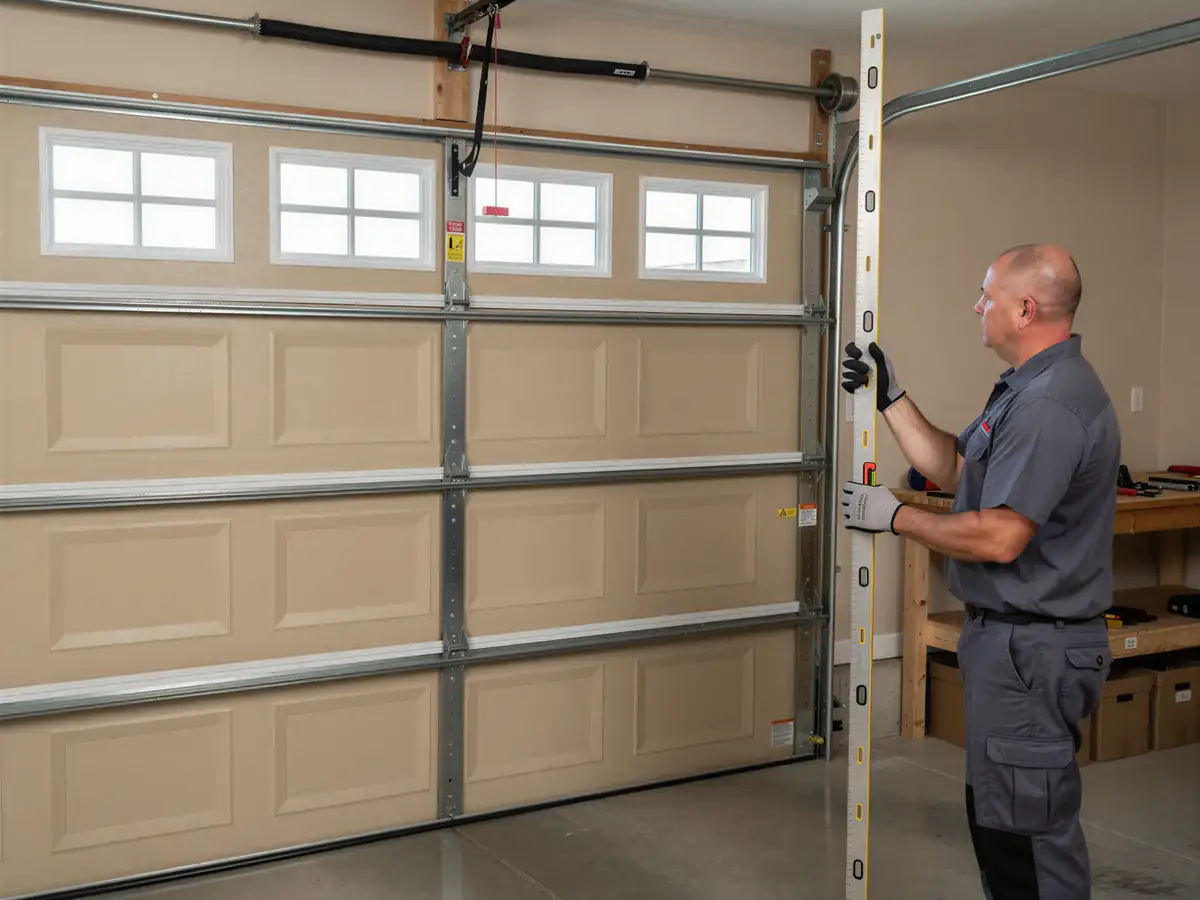
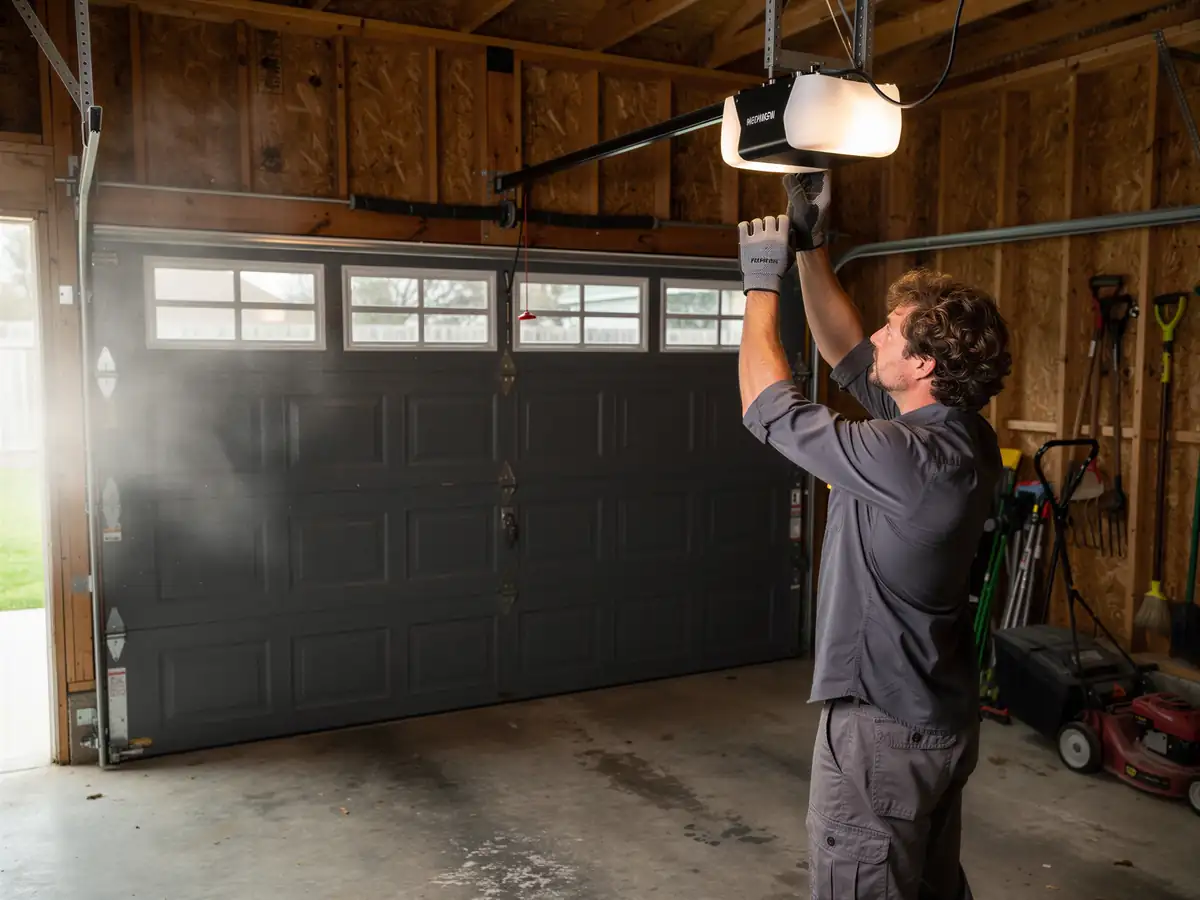
We run this job out of Stockbridge, about 15 miles from Redan, so the first thing to settle is what's actually broken before anyone drives out. A dead opener on a house built around 1985 is often the original unit or its first replacement - meaning the motor, drive gear, and rail have thirty-plus years on them. If the opener itself has failed but the door, springs, and track are sound, swapping the opener is a same-visit job once we're on site: old unit off the header, new rail and motor up, travel limits set, safety reversal tested. If the opener died because something upstream failed first - a cable, a bent track, a spring that let go and strained the motor trying to lift a dead weight - that's two problems, not one, and we tell you that before we start rather than after. We don't keep a branch in Redan, so travel time is part of the job, not an extra. We'd rather be straight about that than promise a window we can't hold from 15 miles out.
What You Pay
We're not going to post a number here that doesn't match what shows up on your invoice, and opener cost swings on things we can't know until we're looking at your rail and your door weight - chain versus belt drive, whether the existing rail can be reused, whether the door itself (common on houses from this era) is heavy enough to need a 3/4 horsepower unit instead of a 1/2. What we can tell you is that the area's household income runs close to the regional median - $63,226 here against $62,299 across the wider service area we cover from Stockbridge - which is worth mentioning because it's the kind of number that shapes whether a homeowner opts to replace an opener outright versus patch the old one. A patched 1980s chain-drive unit on original hardware is rarely the cheaper long-run choice; the gear kits for units that old are getting hard to source. We'll give you a real number once we've seen the door, not before.
Why This Fails Locally
Redan sits in a cold-moderate climate band, and that matters more for openers than people expect. Cold doesn't kill a motor outright, but it thickens chain lubricant and tightens tension on belts that were set correctly in July and are a half-inch off by January, which is when a marginal gear finally strips. On a house with original or first-generation hardware - common across this part of the service area, where median build year runs to 1985 - that gear has already been through forty-some winters of exactly that cycle. We see it most on units that were never relubricated or had their limits reset after the first few years, because nobody thinks about an opener until it stops working. The fix isn't exotic: a properly rated motor, a chain or belt sized for the door weight, and limits set for the season you're in, not just the day of install. What we won't do is sell a bigger motor as a cure for a tension problem - that just moves the failure point somewhere else in the system.
The Complications
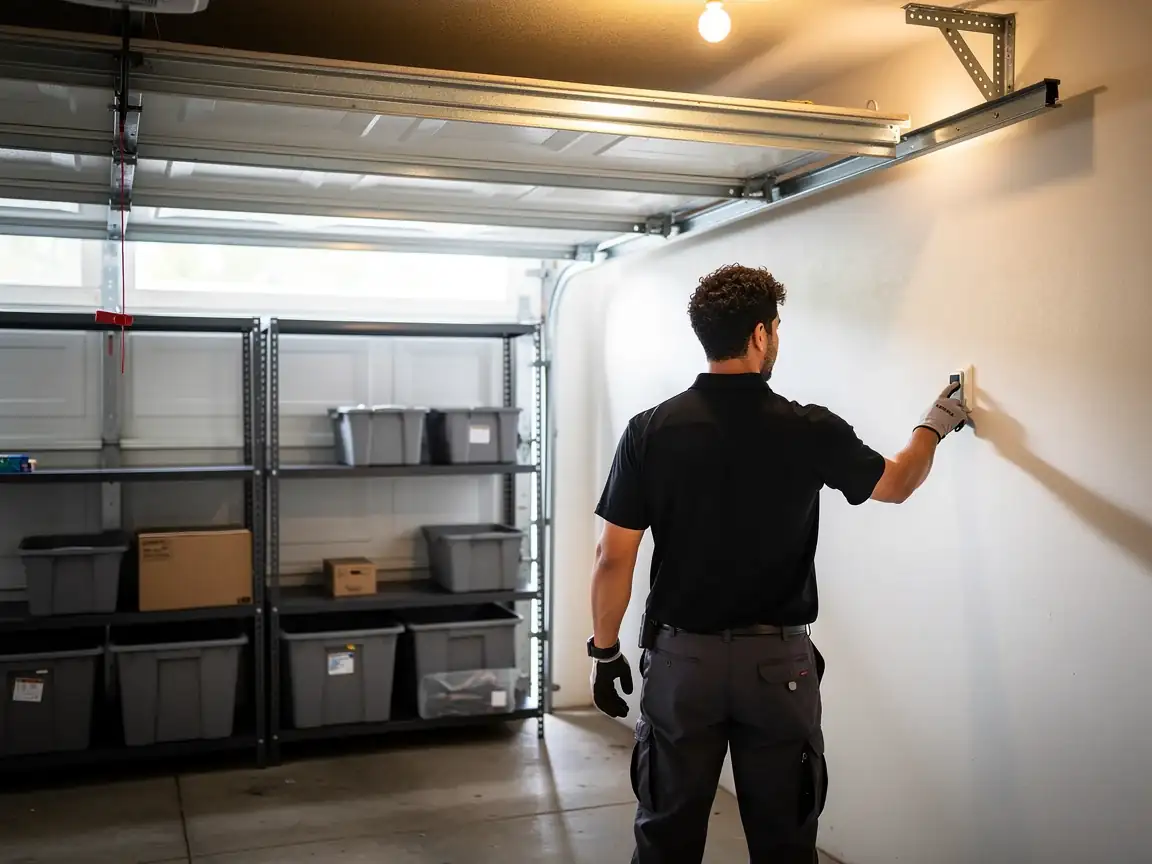
The complication we run into most in this part of the service area is wiring. Houses built in the 1970s and 80s window often have an outlet near the header that predates GFCI requirements, or no dedicated outlet at all - just an extension cord someone ran years ago and forgot about. We're not electricians, and if the circuit needs real work, that's a call to someone licensed for it, not us improvising a fix that fails an inspection later. The other complication is the bracket mismatch mentioned above - original framing sometimes wasn't built square to today's standard opener mounts, and forcing a modern rail onto an old header without shimming it right is how you get a unit that works for six months and then doesn't. We'll flag both of these before we quote the job, not after we've started it. If your opener failure turns out to be a symptom of a bigger structural or electrical issue, we'd rather send you to the right fix than install a new motor on a header that isn't going to hold it.