How to Book
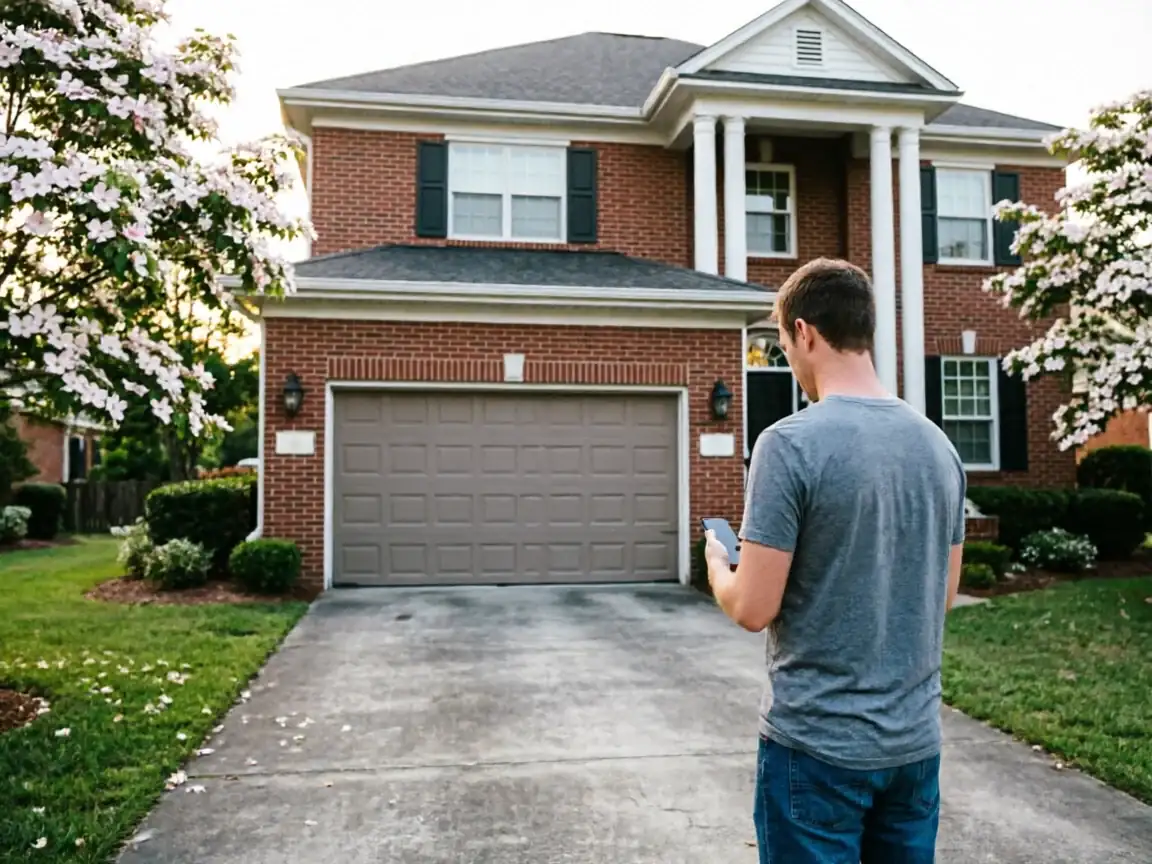
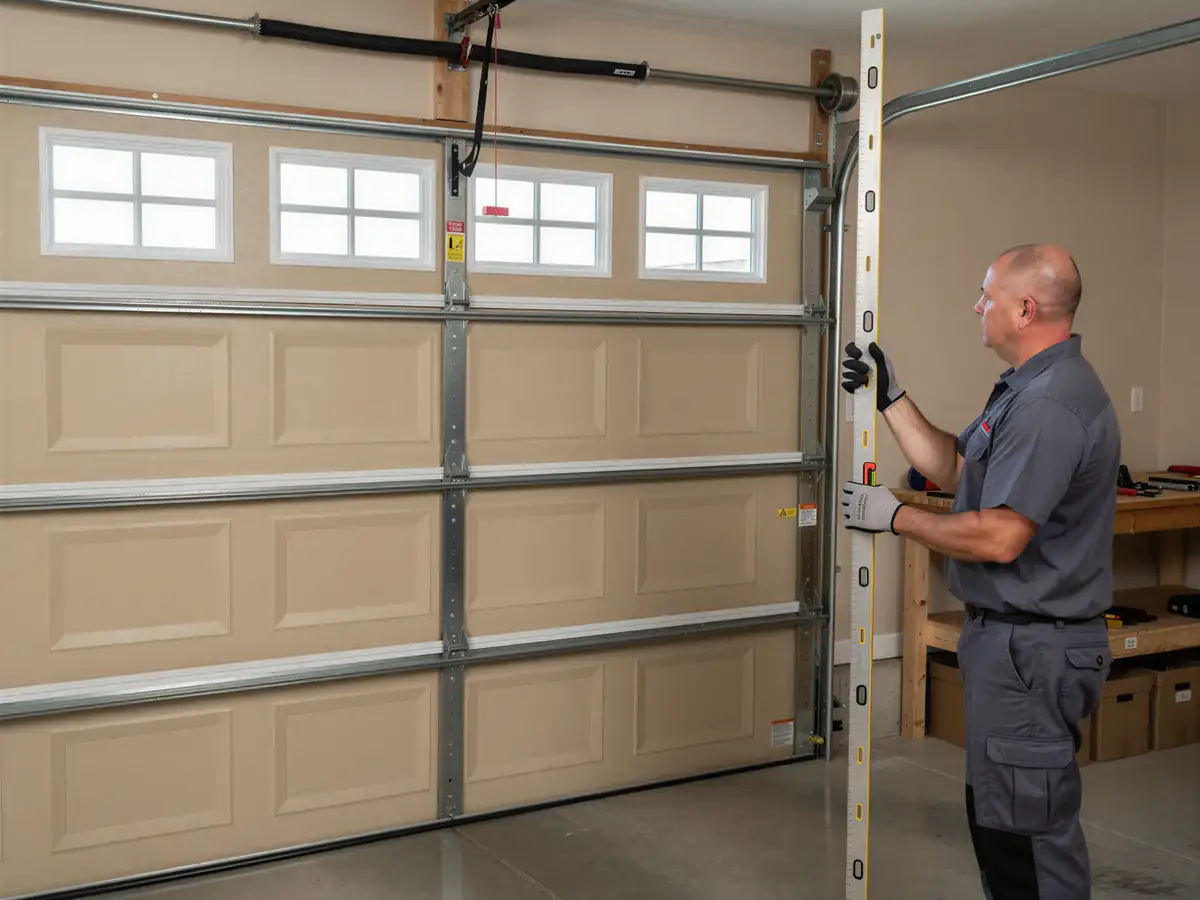
We work out of Stockbridge, about 14 miles from Candler-McAfee, so every installation here starts with a call to set a measurement visit rather than a walk-in quote. We ask for the rough opening width, whether the garage is single or double, and the age of the house if you know it, because that tells us a lot before we even arrive. Candler-McAfee sits inside a region where housing runs from the late 1930s up through the mid-2000s, with a median build year around 1974 - but the homes here tend to run older than that, closer to the early 1960s. That gap matters for sizing and for what's behind the opening. We'll schedule the visit, confirm the opening and any header clearance issues on site, then give you a written quote before ordering anything. One thing we won't do is promise a same-day install from a 14-mile trip out - if you need the old door gone and a temporary brace until the new one ships, say so up front and we'll plan around it.
How It Shows Up
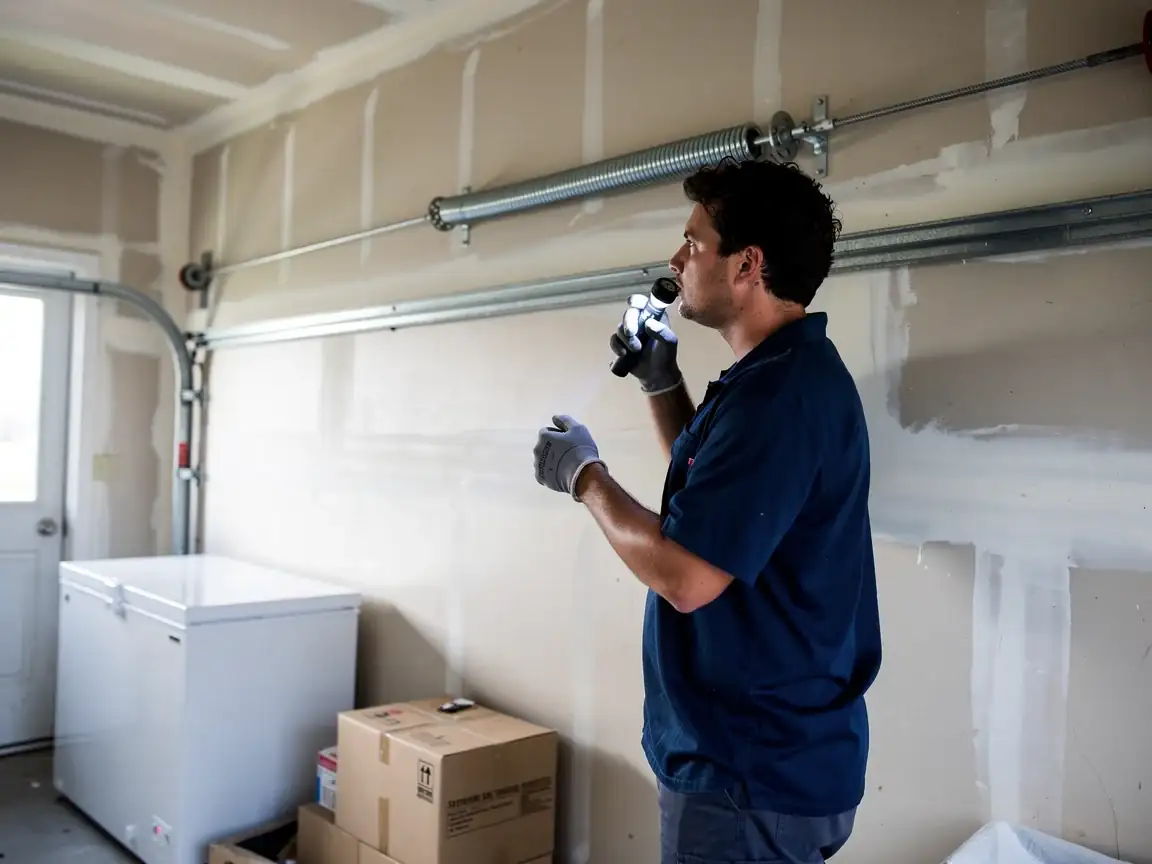
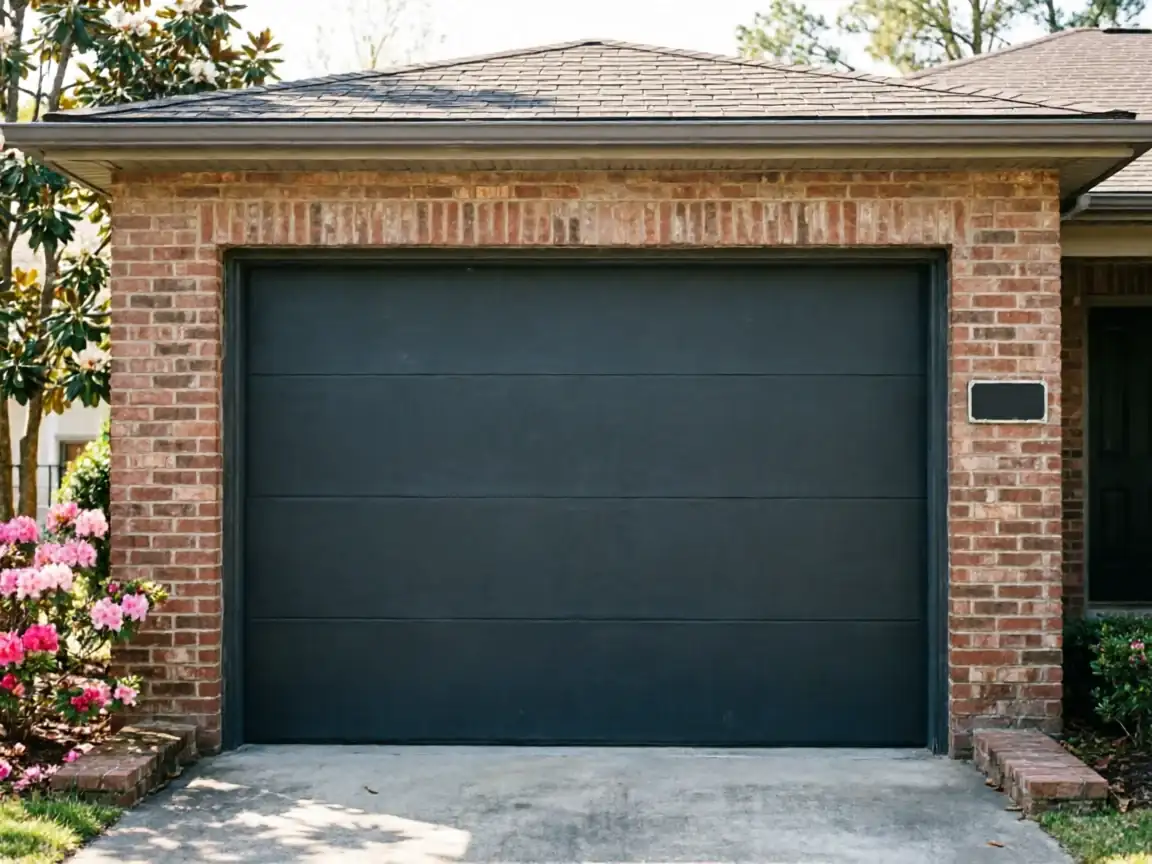
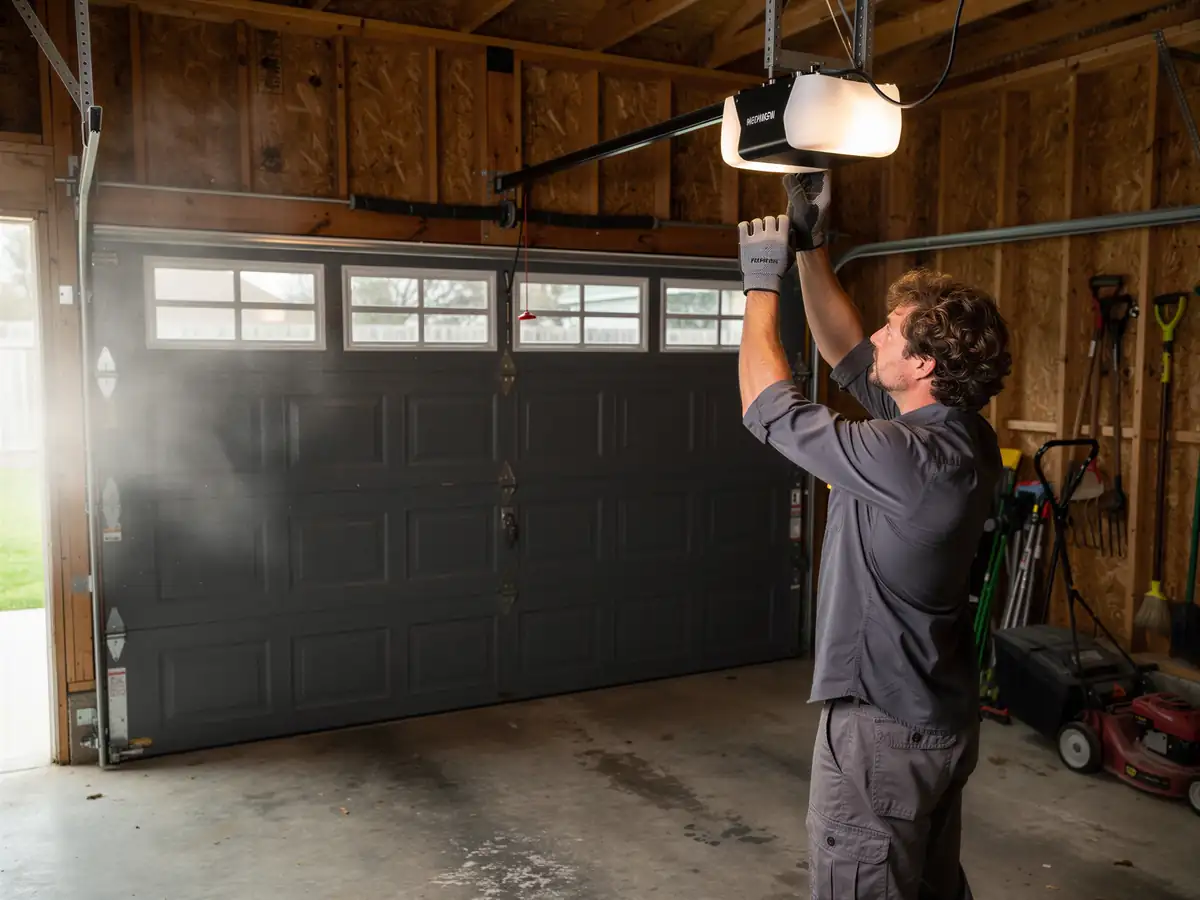
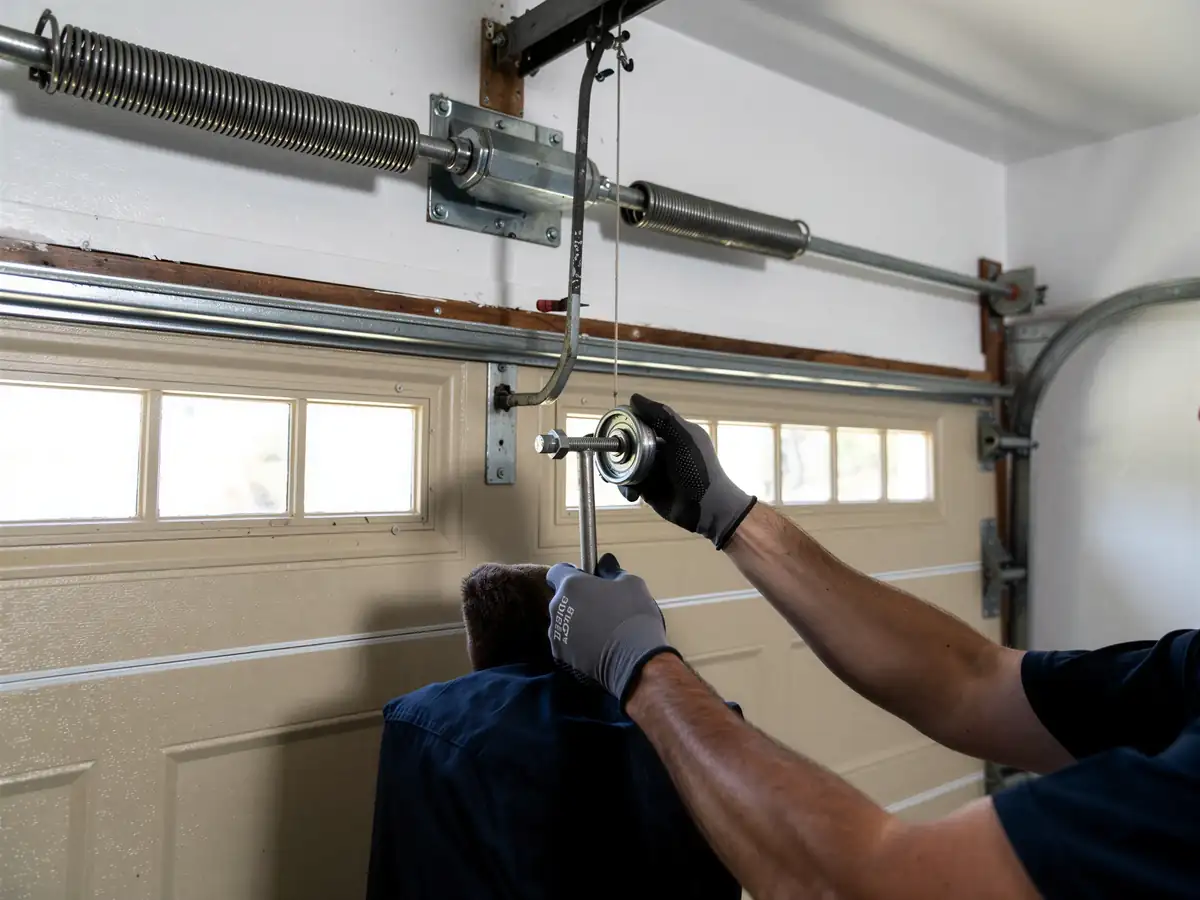
In a neighborhood built mostly in the early 1960s, the usual reason for a new install isn't failure out of nowhere - it's a door that's been patched for years finally costing more to keep than to replace. Original steel panels from that era are thinner gauge, uninsulated, and often sized to openings that don't match anything sold new today without a frame adjustment. You'll see it as a door that's heavy to lift by hand, rust blooming along the bottom panel, or an opener straining because it was matched to a lighter door decades ago and nobody updated the force settings when panels sagged. Some owners come to us after a spring or cable repair where we tell them straight: the door itself is the weak link now, not the hardware we just fixed. That's a legitimate point to replace rather than keep patching an original 1960s panel.
How Long You Are Without the Door
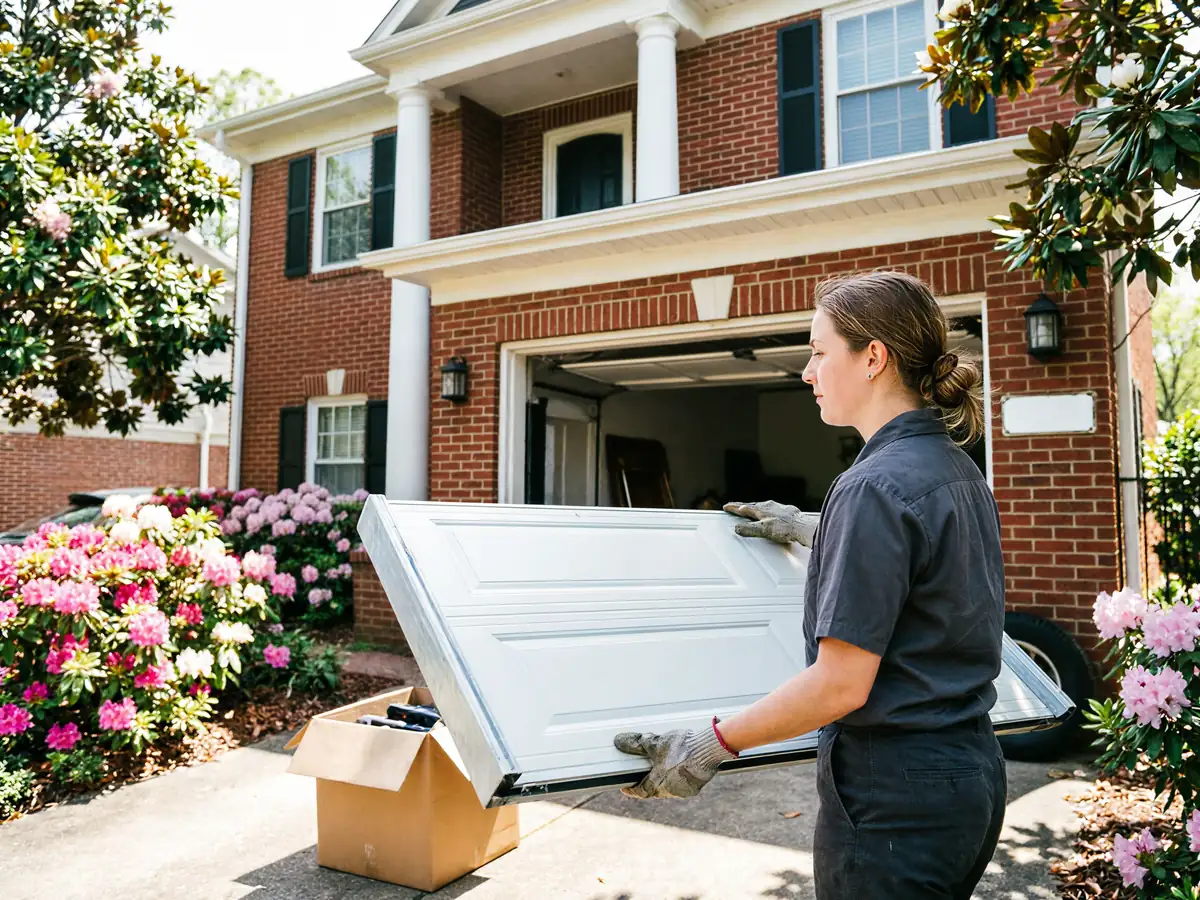
Because we're coming from Stockbridge, the measurement visit and the install day are usually two separate trips, not one. Once we've confirmed the opening and you've picked a door, lead time depends on what's in stock versus what has to be ordered - a standard size moves faster than anything custom-cut for an odd 1960s-era opening. On install day itself, a single door typically comes out and goes back in within the day; if we're also correcting track or framing because the old opening doesn't match standard sizing, plan on it running longer. We'll give you a real window once we've seen the opening in person, not before.
The Complications
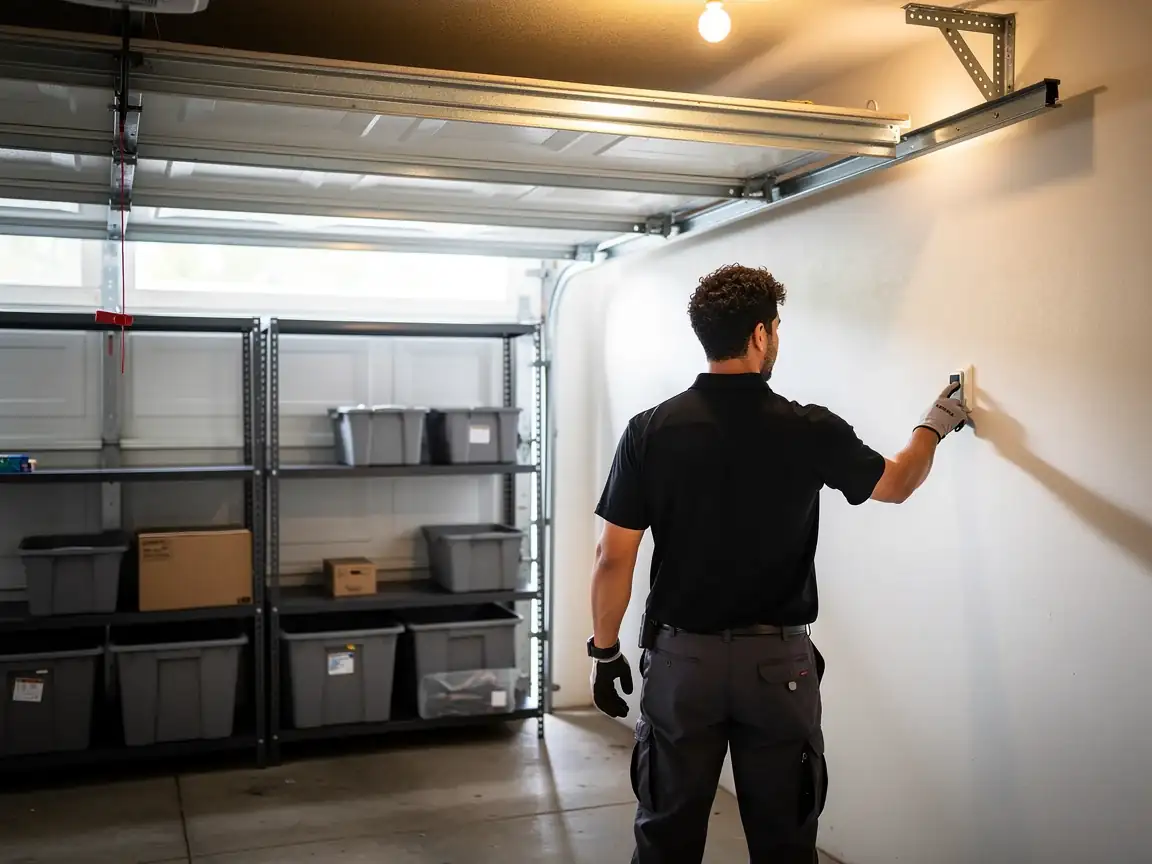
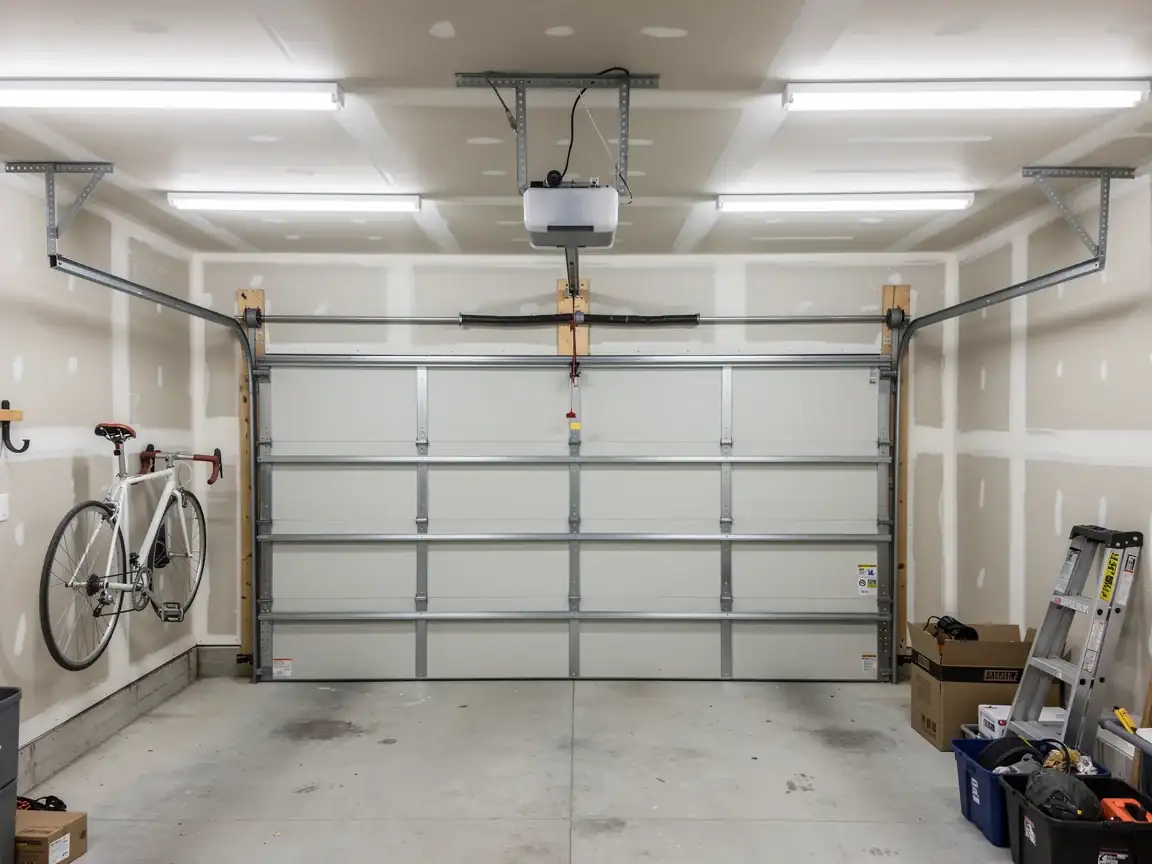
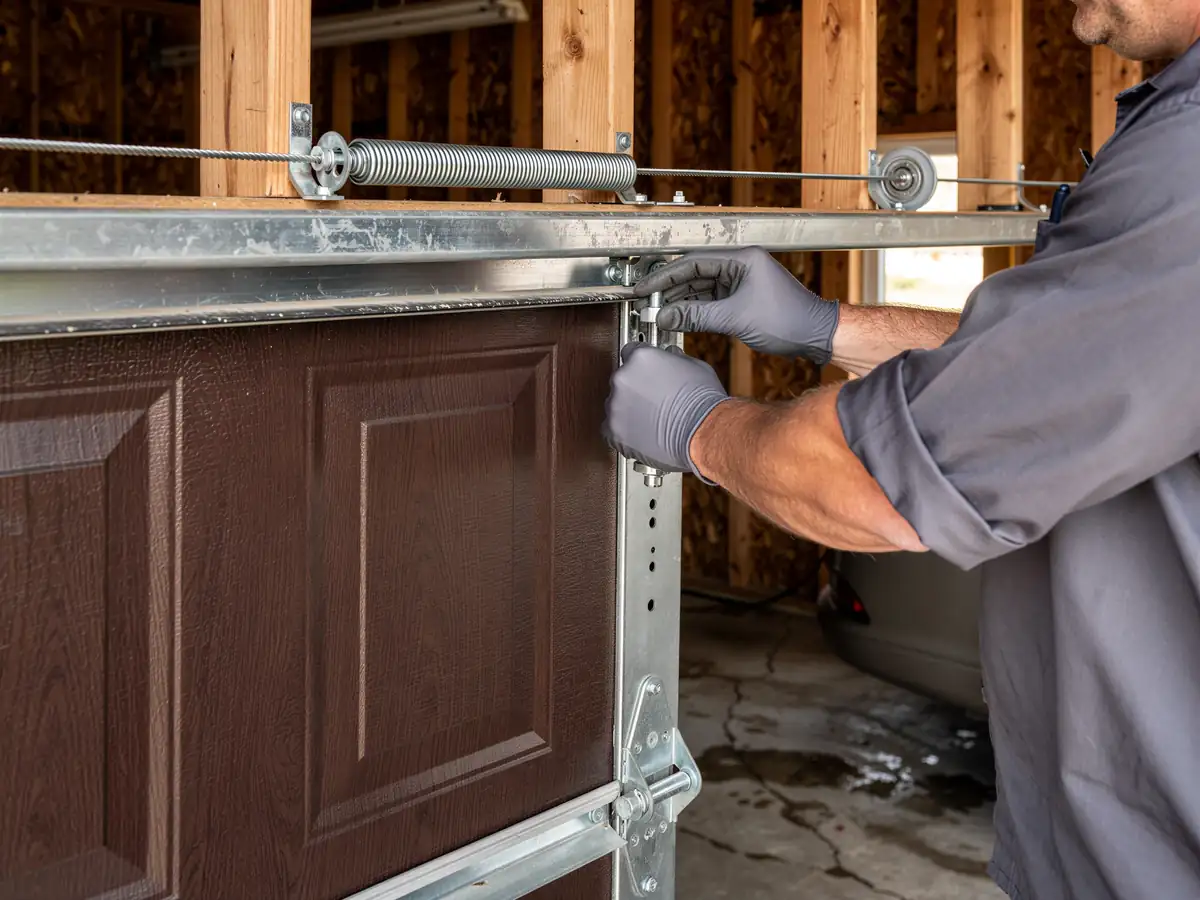
The complication we run into most in Candler-McAfee is opening size. A house built in 1963 was often framed to whatever door was standard then, and that's not always what's standard now. When the rough opening is narrower or the header lower than a current door needs, we either special-order a sized unit or do minor framing work, and either one adds cost and time that a newer subdivision wouldn't need. We also see garages that were never wired for an opener at all, meaning an outlet has to go in before we can mount anything. And here's the honest limit: if the opening is badly out of square or the framing's compromised, that's carpentry beyond a standard door swap, and we'll tell you to get that looked at separately rather than force a door into a frame that isn't ready for it.